

Adiyogi
Adiyogi, which translates to “the first yogi,” is a profound representation of Shiva in yogic tradition. In this form, Shiva is not approached merely as a god of mythology, but as the original guru who introduced humanity to the science of yoga. According to ancient yogic lore, after attaining complete self-realization in deep meditation in the Himalayas thousands of years ago, Adiyogi transmitted this knowledge to seven disciples known as the Saptarishis. These sages carried yogic wisdom to different parts of the world, laying the foundation for spiritual systems that continue to influence global wellness practices today.
The Monumental Adiyogi Statue
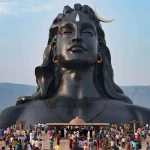
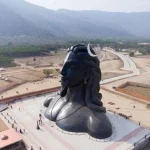
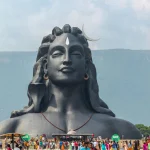
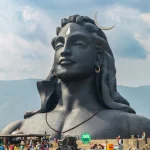
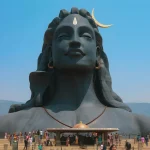
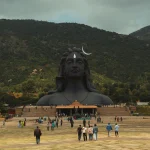
In modern times, Adiyogi has taken a powerful physical form through the 112-foot-tall statue located at the Isha Foundation in Coimbatore. Situated at the foothills of the Velliangiri Mountains, the massive steel bust weighs approximately 500 tons and stands as one of the most striking contemporary spiritual landmarks in India. The statue was inaugurated on February 24, 2017, by Narendra Modi and has been recognized by Guinness World Records as the world’s largest bust sculpture.
The height of 112 feet is symbolic — in yogic science, it represents the 112 possible pathways through which a human being can attain liberation or ultimate realization.
Key Facts:
- Height: 112 feet (symbolizing the 112 ways to attain liberation in yogic tradition)
- Material: Steel
- Weight: Approximately 500 tons
- Location: Isha Yoga Center, at the foothills of the Velliangiri Mountains
- Inaugurated: February 24, 2017
- Inaugurated by: Narendra Modi
- Recognized by: Guinness World Records as the world’s largest bust sculpture

Symbolism Behind the Form
Every element of the Adiyogi statue carries deep symbolic meaning. The closed eyes signify meditative stillness and inward focus, reminding visitors that transformation begins within. The crescent moon on the head represents the cyclical nature of time, while the serpent around the neck symbolizes awakened energy, often associated with kundalini. The large earrings denote balance between masculine and feminine energies, and the calm facial expression reflects a state beyond emotional turbulence and duality.
Unlike traditional temple idols meant primarily for ritual worship, the Adiyogi statue is designed as an inspirational icon — a visual embodiment of human potential and inner mastery.

Architectural and Cultural Significance
From an architectural standpoint, Adiyogi is an example of how scale and simplicity can create profound impact. The minimalist black steel bust against the open sky and mountain landscape generates a dramatic yet serene visual presence. Its location enhances its grandeur while maintaining a meditative atmosphere.
The site also hosts cultural gatherings, meditation programs, and evening light-and-sound presentations that narrate the origins of yoga. Over the years, it has evolved into both a spiritual pilgrimage destination and a contemporary cultural landmark.

Relevance in the Modern World
In today’s fast-paced and externally driven world, Adiyogi’s message feels especially relevant. The essence of what he represents is simple yet powerful: well-being is an inside process. Yoga, as offered by Adiyogi, is described not as a belief system but as a systematic method to elevate human experience.
Whether viewed as mythology, philosophy, or monumental art, Adiyogi stands as a reminder that the most enduring transformations happen internally. For readers interested in architecture and design, it also demonstrates how a structure can transcend aesthetics and become a symbol of timeless human aspiration.
Most Read Articles:
Shri Ram Janmabhoomi Mandir: A timeless confluence of devotion, architecture & cultural heritage
Grand Janki Mandir to Be Built at Punaura Dham Sitamarhi: ₹882.87 Crore Mega Project Announced
Meenakshi Temple: A Living Masterpiece of Indian Architecture
Varanasi International Cricket Stadium: Where Spirituality Meets Sports
Statue of Unity: The World’s Tallest Statue at 182 Metres | A Complete Guide
Shri Kashi Vishwanath Temple: A Timeless Journey into the Spiritual Heart of India
Galteshwar Mahadev Temple: An architectural dialogue between stone, water, and sacred geometry
Viraat Ramayan Mandir — A monumental tribute to Hindu architecture and history
Swarved Mahamandir Dham: Where Architecture Meets Inner Peace
Khatu Shyam Ji Mandir: A Timeless testament of devotion, architecture, and living heritage
Maa Vindhyavasini Mandir and Its Corridor: A Divine Fusion of Heritage, Devotion & Modern Vision
Murudeshwar Temple: A place where the sea, stone, and shiva come together
Tirumala Venkateswara Temple: An Architectural and Spiritual Marvel of South India
A Monument of Devotion: World’s tallest statue 77-ft Bronze Idol of Lord Shree Ram Rises in Goa