
Tirumala Venkateswara Temple
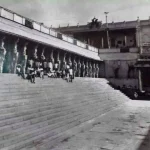
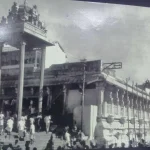
The Tirumala Venkateswara Temple, located atop the Seshachalam Hills in Andhra Pradesh, India, stands as one of the most revered Hindu temples in the world. Known for its profound spiritual significance, architectural grandeur, and centuries-old rituals, the temple is a living testimony to India’s rich cultural and architectural heritage. Dedicated to Lord Venkateswara, an incarnation of Lord Vishnu, the temple attracts millions of devotees and architectural enthusiasts every year. Beyond its religious importance, the temple complex is a masterwork of Dravidian architecture—meticulously designed, exquisitely carved, and historically layered through centuries of patronage.
Historical Evolution: A Temple Built Over a Thousand Years
The origins of the Tirumala temple can be traced back to ancient times, with literary references appearing in sacred texts such as the Varaha Purana and Bhavishyottara Purana. The earliest structural developments on the hill are attributed to the Pallavas around the 9th century CE. Subsequent expansions were undertaken by the Cholas, Pandyas, and Vijayanagara rulers, each leaving a distinct imprint on the temple’s architecture and cultural identity.
Among the temple’s most influential patrons were the Vijayanagara kings, particularly Krishna Devaraya (16th century CE), whose contributions include gopuras, mandapas, ornamentation, and gold plating. The Vijayanagara architectural style is visible in the imposing gopurams, granite pillared halls, and lavish iconography that define the temple’s visual charisma.

Dravidian Architectural Mastery: A Glimpse into Design and Construction
1. The Gopurams: Monumental Gateways
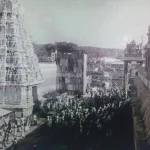
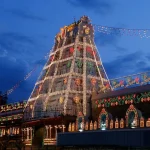
Tirumala’s temple complex is approached through a series of gopurams, each adorned with stucco images of deities, mythical beings, and floral motifs.
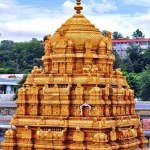
- The Ananda Nilayam Vimana, the golden sanctum tower, is the temple’s most iconic feature—encased in gold plates and crowned with a shimmering kalasha seen from miles away.
- These gateways serve both symbolic and functional roles: they mark sacred thresholds, manage flow of devotees, and create a visual crescendo as one approaches the sanctum.
2. The Sanctum (Garbhagriha)
The core of the temple is the garbhagriha, where the idol of Lord Venkateswara stands in profound silence and grandeur. Crafted from stone and housed in a chamber designed with minimal natural light, the sanctum creates an atmosphere of mysticism and spiritual concentration.
Architecturally, the sanctum follows classic Dravidian principles:
- Thick granite walls for acoustic and thermal balance
- Restricted access to preserve ritual sanctity
- A single entry mandapa that amplifies the atmosphere of divine focus
3. Mandapas: Pillared Halls with Sculptural Excellence
The temple houses several mandapas such as:
- Kalyana Mandapam – venue for ritual reenactments of divine marriage
- Ranga Mandapam – known for elaborately carved pillars
- Tirumamani Mandapam – part of the ancient processional path
These halls showcase the hallmark features of Dravidian architecture:
- Monolithic granite pillars
- Intricate bas-reliefs depicting mythological scenes
- Highly ornate corbels and capitals
- Symmetrical spatial arrangements optimized for large gatherings
4. Materials and Construction Techniques
The primary materials include:
- Granite: abundantly used for structural components due to its strength and durability
- Sandstone and Stucco: for sculptural and decorative elements on gopurams
- Gold and Copper Plates: for the iconic Ananda Nilayam Vimana
- Wood: selectively used in certain interior components, crafted with traditional joinery techniques
Temple construction followed the ancient Shilpa Shastras, which guided sculpting proportions, iconography, spatial geometry, and vastu principles.

Ritual Architecture: A Living Continuum of Tradition
Unlike monuments frozen in time, the Tirumala Temple is a dynamic space, alive with a continuous cycle of prayers, chants, and festivals. The architecture of the temple is intricately tied to ritualistic flows:
- Darshan Pathways are designed to manage massive crowds while preserving the sanctity of the sacred zones.
- Pradakshina Mandapas enable circumambulatory movement essential to Hindu worship.
- Kitchen and prasadam areas—including the famed laddu manufacturing hall—are vast, efficiently planned interiors combining traditional ritual requirements with modern logistics.
- The temple tank (Swami Pushkarini) plays a vital role in ritual purity and water management.
This synthesis of architecture and ritual creates an experience that is spiritual, sensory, and deeply rooted in centuries-old custom.
Iconography and Symbolism: Stories Etched in Stone
Every corner of the Tirumala temple is rich with symbolic meaning. Sculptures depict:
- Episodes from Ramayana, Mahabharata, and Puranas
- Yali (mythical lion-like creatures) that symbolize protection and power
- Floral and geometric patterns reflecting divine aesthetics
- Sculptural narratives of gods, goddesses, and celestial beings
The use of iconography transforms the temple into a visual scripture—a sacred text carved in stone.
Urban and Environmental Context: A Temple in the Heart of Nature
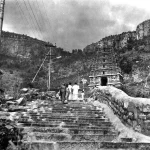
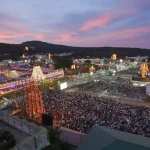
Tirumala’s outstanding feature is its setting—the temple is nestled on one of the seven sacred hills of the Seshachalam range, surrounded by forested landscapes and serene valleys.
The surroundings play a vital role in:
- Pilgrim movement (old pedestrian paths and ghat roads)
- Water harvesting (multiple temple tanks, streams, and natural catchments)
- Cultural economy (choultries, pilgrim amenities, local markets, cottage industries)
This unique integration of natural landscape and temple architecture has helped sustain the site as a global spiritual landmark.

Modern-Day Significance: Balancing Heritage and Scale
Today, the Tirumala Venkateswara Temple is one of the most visited religious sites in the world. Managing such scale while preserving architectural and ritual authenticity is an ongoing challenge and achievement.
The Tirumala Tirupati Devasthanams (TTD) employs:
- Advanced crowd management systems
- Conservation frameworks for stonework and gold plating
- Infrastructure upgrades that respect traditional typologies
- Sustainable practices in waste management and energy consumption
This evolving balance keeps the temple relevant while preserving its timeless identity.
Conclusion: A Timeless Beacon of Faith and Architectural Brilliance
The Tirumala Venkateswara Temple is more than a place of worship; it is a monumental work of architecture, an engineering marvel of antiquity, and a cultural treasure shaped by centuries of devotion. With its towering gopurams, sacred halls, exquisite carvings, and majestic hilltop presence, the temple stands as a testament to India’s rich architectural legacy.
For architects, historians, and cultural researchers, Tirumala represents a perfection of form, function, and faith—a living masterpiece where divine narrative, ritual tradition, and architectural elegance continue to flourish.






Most Read Articles:
Shri Ram Janmabhoomi Mandir: A timeless confluence of devotion, architecture & cultural heritage
Grand Janki Mandir to Be Built at Punaura Dham Sitamarhi: ₹882.87 Crore Mega Project Announced
Meenakshi Temple: A Living Masterpiece of Indian Architecture
Varanasi International Cricket Stadium: Where Spirituality Meets Sports
Statue of Unity: The World’s Tallest Statue at 182 Metres | A Complete Guide
Maa Vindhyavasini Mandir and Its Corridor: A Divine Fusion of Heritage, Devotion & Modern Vision
Shri Kashi Vishwanath Temple: A Timeless Journey into the Spiritual Heart of India