
Lukshmi Vilas Palace, Vadodara
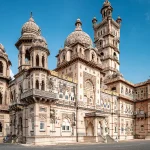
The Lakshmi Vilas Palace in Vadodara, Gujarat stands as a testament to India’s royal heritage, its architectural grandeur, and the lasting legacy of the Gaekwad dynasty. With its vast expanse, intricate designs, and rich history, the palace not only offers a peek into the lives of India’s erstwhile rulers but also showcases the beauty of Indo-Saracenic architecture. This architectural gem is one of the most iconic structures in India and continues to attract thousands of visitors each year.
The Origins of Lakshmi Vilas Palace
The story of Lakshmi Vilas Palace begins in the late 19th century when Maharaja Sayajirao Gaekwad III, the ruler of the princely state of Baroda, decided to build a grand residence that would reflect his power, wealth, and progressive outlook. He was one of the most enlightened rulers of his time, known for his educational reforms, support for the arts, and development of infrastructure. His vision was to create a palace that was not only an abode of royalty but also a symbol of modernity and cultural amalgamation.
Construction of the palace began in 1878, designed by the renowned architect Major Charles Mant and overseen by Sir William Emerson, a British architect who had also worked on several significant structures in India. The palace was completed in 1890, a monumental achievement that combined traditional Indian and European styles.

Architectural Marvel: A Blend of Cultures
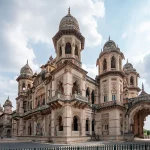
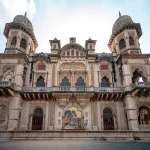
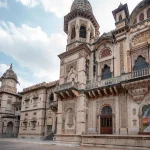
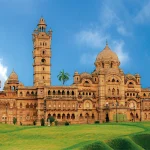
Lakshmi Vilas Palace is an awe-inspiring fusion of Indian and Western architectural elements. The building is predominantly in the Indo-Saracenic style, which combines elements of traditional Indian architecture with influences from European and Mughal design. The palace features grand arches, domes, and spires, and its layout draws heavily from the Rajputana and Mughal architectural traditions, yet with a touch of Victorian and Gothic aesthetics.
Key Features:
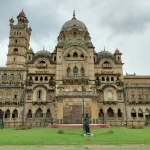
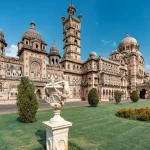
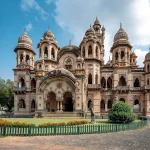
- The Facade: The palace’s exterior is an eclectic mix of European and Indian elements. The main entrance is flanked by ornate arches and intricately carved stonework, with a large central dome that dominates the skyline. The facade is adorned with elements that mimic Gothic and Renaissance styles, showcasing the architectural hybridity that makes the palace so unique.
- The Central Hall: One of the most striking features of the palace is its central hall, a vast open space with beautiful stained glass windows. This hall is adorned with mural paintings, depicting scenes from Indian mythology, and features a grand staircase that adds to its royal charm. The room is often used for public events and gatherings, offering a glimpse into the grandeur of the past.
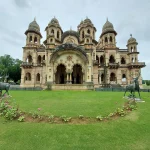
- The Palace Grounds: Spanning over 700 acres, the palace is surrounded by lush gardens and well-manicured lawns. The vast grounds also include a private zoo that was once home to exotic animals like elephants and tigers, adding to the aura of royalty. The meticulously planned gardens are an example of Victorian landscaping, designed to be both beautiful and functional.
- The Durbar Hall: This magnificent hall was used by the Gaekwad kings to hold court, and its architectural elegance is breathtaking. It features intricate woodwork, polished marble floors, and an exquisite chandelier that adds to its opulence. The Durbar Hall is often considered one of the most stunning rooms in the palace, with its high ceilings and regal aura.
- The Museum: Today, parts of Lakshmi Vilas Palace serve as a museum, housing a rich collection of artifacts, paintings, and historical objects. The museum displays portraits of the Gaekwad rulers, artifacts from India’s colonial past, and pieces of fine art, offering visitors a chance to delve into the royal history of Vadodara and the Gaekwad dynasty.

The Gaekwad Dynasty and Its Legacy
The Gaekwad family, originally from the Maratha region, played a significant role in the history of Gujarat and India. The first Gaekwad Maharaja, Maharaja Pilaji Gaekwad, established the family’s rule in the 18th century. Over the years, the Gaekwads not only expanded their territory but also worked towards modernizing their state.
Maharaja Sayajirao Gaekwad III, who commissioned the construction of Lakshmi Vilas Palace, was particularly noted for his vision in transforming Vadodara into a modern city. He introduced numerous reforms, including education policies, public health initiatives, and industrialization. Under his rule, the state of Baroda witnessed significant growth in both social and economic spheres.
Sayajirao’s contribution to the arts was equally notable. He was a patron of classical music, theater, and sculpture, and many of his efforts are reflected in the rich cultural fabric of the palace and the city of Vadodara itself. The royal family’s influence continued for generations, with successive rulers making substantial contributions to the region’s development.

The Palace Today: A Tourist Attraction and Symbol of Heritage
Today, the Lakshmi Vilas Palace is one of India’s most visited tourist destinations. It offers a unique blend of history, architecture, and royal legacy, making it an essential stop for anyone interested in India’s princely past. The palace not only draws tourists but also holds cultural significance for the people of Vadodara and Gujarat.
The royal family still resides in part of the palace, although the majority of the complex is now open to the public. The palace hosts several events, including royal ceremonies, cultural performances, and weddings, keeping the traditions of the Gaekwad family alive.
One of the most famous aspects of the palace today is its annual Dussehra celebrations, during which the royal family continues the tradition of offering prayers at the Durbar Hall. The event is a grand spectacle, with processions, cultural programs, and public participation, showcasing the deep-rooted cultural heritage of the region.

Architectural Influence and the Indo-Saracenic Style
Lakshmi Vilas Palace is often cited as one of the most important examples of Indo-Saracenic architecture, a style that was popular during the British colonial period. The style is characterized by a blend of Indian, Islamic, and Western architectural elements, often incorporating arches, domes, and intricate carvings.
The Indo-Saracenic style was employed in several significant buildings during the British Raj, including the Victoria Memorial in Kolkata, the Chhatrapati Shivaji Maharaj Terminus in Mumbai, and the Chennai High Court. The Lakshmi Vilas Palace, however, stands out because of its unique combination of traditional Indian elements like domes and chhatris, along with the European influence of tall spires and grand facades.

A Legacy Preserved in Stone and Spirit
Lakshmi Vilas Palace is more than just a building; it is a living piece of history. It tells the story of a bygone era, of royal indulgence and progressive vision. As a magnificent fusion of architecture, culture, and tradition, it reflects the unique synthesis of India’s rich heritage and colonial influences.
For those seeking to explore the splendor of Indian royalty, the Lakshmi Vilas Palace offers an unforgettable journey back in time. Whether you’re an architecture enthusiast, a history buff, or simply a lover of fine art, a visit to this royal residence will leave you awestruck by its sheer beauty and timeless elegance.
In a world where much of the past has been lost to time, Lakshmi Vilas Palace stands as a symbol of preservation—a tribute to the legacy of the Gaekwad dynasty and the architectural vision of its creators. And as long as this regal palace continues to stand tall, it will forever be a beacon of the grandeur that once was.
Related Article:
Elon Musk’s Houses: Tour the Stunning Homes Owned by the Tesla Billionaire
Mark Zuckerberg’s Houses: An Inside Look at the Luxurious Homes of Facebook’s Founder
Gautam Adani House: Inside the luxurious residence of India’s business tycoon in Ahmedabad
Mukesh Ambani House: Antilia, the world’s most expensive private residence in Mumbai
Jeff Bezos House: Inside the Mansions and Estates of the Amazon Founder