
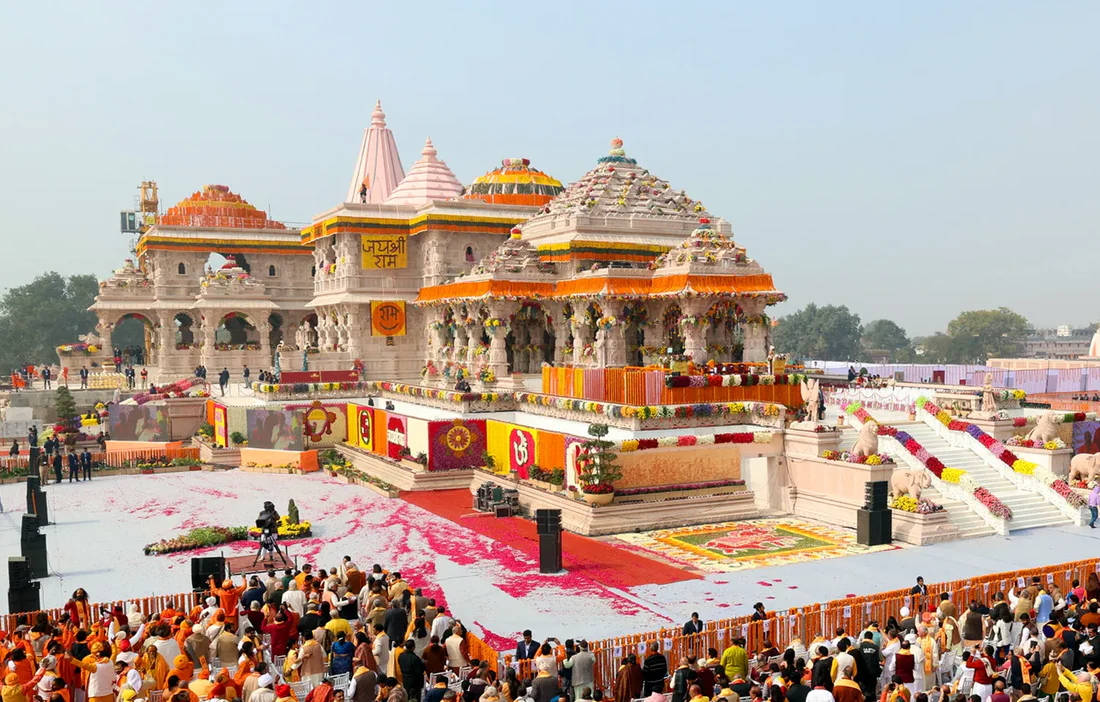
Shri Ram Janmabhoomi Mandir
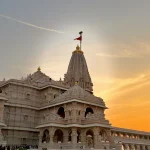
The Shri Ram Janmabhoomi Mandir in Ayodhya stands today not just as a monumental structure of devotion, but as a historic milestone in India’s cultural and architectural landscape. Rising on the sacred land believed to be the birthplace of Bhagwan Shri Ram, the temple embodies centuries of faith, countless chapters of history, and an extraordinary journey of collective aspiration. Its creation marks one of the most significant architectural events of modern India, seamlessly blending ancient temple design principles with cutting-edge construction expertise.
A Sacred Legacy Rooted in Time
Ayodhya, revered for millennia, is celebrated in the ancient texts as the birthplace of Shri Ram—a divine figure whose life and virtues continue to inspire millions. The Janmabhoomi site has long held emotional, spiritual, and cultural significance, drawing pilgrims from all over the world. For generations, devotees envisioned a grand temple dedicated to Shri Ram at this sacred spot, and the realization of that vision represents both a historical and spiritual triumph.

Architectural Vision: Merging Tradition With Timeless Craft
The design of the Shri Ram Janmabhoomi Mandir is inspired by traditional Nagara-style temple architecture, known for its intricacy, grandeur, and symbolic geometry. Crafted under the guidance of master architects and executed by expert artisans, the temple reflects centuries-old architectural wisdom while embracing modern engineering techniques to ensure longevity and safety.
Key Architectural Highlights
1. Nagara Style Marvel
The temple showcases the hallmark features of Nagara architecture—curvilinear shikharas (spires), intricately carved pillars, and a sacred sanctum (garbhagriha) aligned for optimal spiritual resonance.
2. Sandstone Grandeur
Constructed primarily with Rajasthan’s pink sandstone, the mandir exudes warmth, elegance, and a timeless aesthetic. The choice of material ensures durability and enhances the temple’s majestic presence.
3. A Monument of Scale
Standing tall with multiple mandapas (halls) and grand entrances, the temple complex has been designed to accommodate thousands of visitors daily—all while maintaining a serene and devotional atmosphere.
4. Traditional Craftsmanship
From hand-carved panels to sculpted deities and decorative motifs, every detail reflects the painstaking artistry of India’s finest stone craftsmen.
5. Engineering Excellence
Behind the traditional façade lies sophisticated engineering—earthquake-resistant design, long-life foundation solutions, and advanced load-bearing calculations—to ensure the temple stands strong for centuries.

Cultural Significance Beyond Architecture
The Ram Mandir is more than a place of worship—it is a symbol of unity, faith, and heritage revival. Its completion has sparked a renewed interest in India’s classical arts, temple architecture, and indigenous craftsmanship. The site has become a focal point for cultural tourism, spiritual exploration, and architectural study.
The temple also enhances Ayodhya’s cultural infrastructure, supported by new urban development projects, improved connectivity, and a growing ecosystem of heritage tourism. Museums, cultural centers, and spiritual retreats around the temple further enrich the visitor experience.
A Living Symbol of Devotion
Every part of the Shri Ram Janmabhoomi Mandir—from its sanctum that houses the idol of Balak Ram to its sprawling pathways that guide pilgrims through sacred spaces—has been envisioned to evoke a deep sense of connection and reverence. The temple stands as a living hymn to the virtues of dharma, courage, and compassion embodied by Shri Ram.
Whether one approaches it as a believer, a student of architecture, or an admirer of cultural heritage, the temple offers a profound encounter with India’s civilizational essence.

A New Landmark for Architectural Heritage
The inauguration of the Shri Ram Janmabhoomi Mandir marks a defining chapter in India’s architectural evolution. It joins the league of iconic religious structures that symbolize not only devotion but also the excellence of indigenous design and craftsmanship.
For architects, designers, and cultural historians, the temple serves as a case study in:
-Reviving ancient architectural styles with modern construction
-Integrating artisanal craftsmanship into large-scale projects
-Creating culturally-rooted spaces that inspire emotional and spiritual engagement
Conclusion
The Shri Ram Janmabhoomi Mandir is much more than stone and structure—it is a testament to endurance, belief, and the profound human longing for connection with the divine. It celebrates India’s architectural legacy, honors its cultural identity, and rekindles a collective sense of pride.
As Ayodhya enters a new era, the Ram Mandir stands at its heart, radiating both spiritual energy and the timeless artistry of Indian temple design. It is a monument crafted not only for this generation but for countless generations to come.








































Read full article: Grand Janki Mandir to Be Built at Punaura Dham Sitamarhi: ₹882.87 Crore Mega Project Announced
Meenakshi Temple: A Living Masterpiece of Indian Architecture
Varanasi International Cricket Stadium: Where Spirituality Meets Sports
Statue of Unity: The World’s Tallest Statue at 182 Metres | A Complete Guide