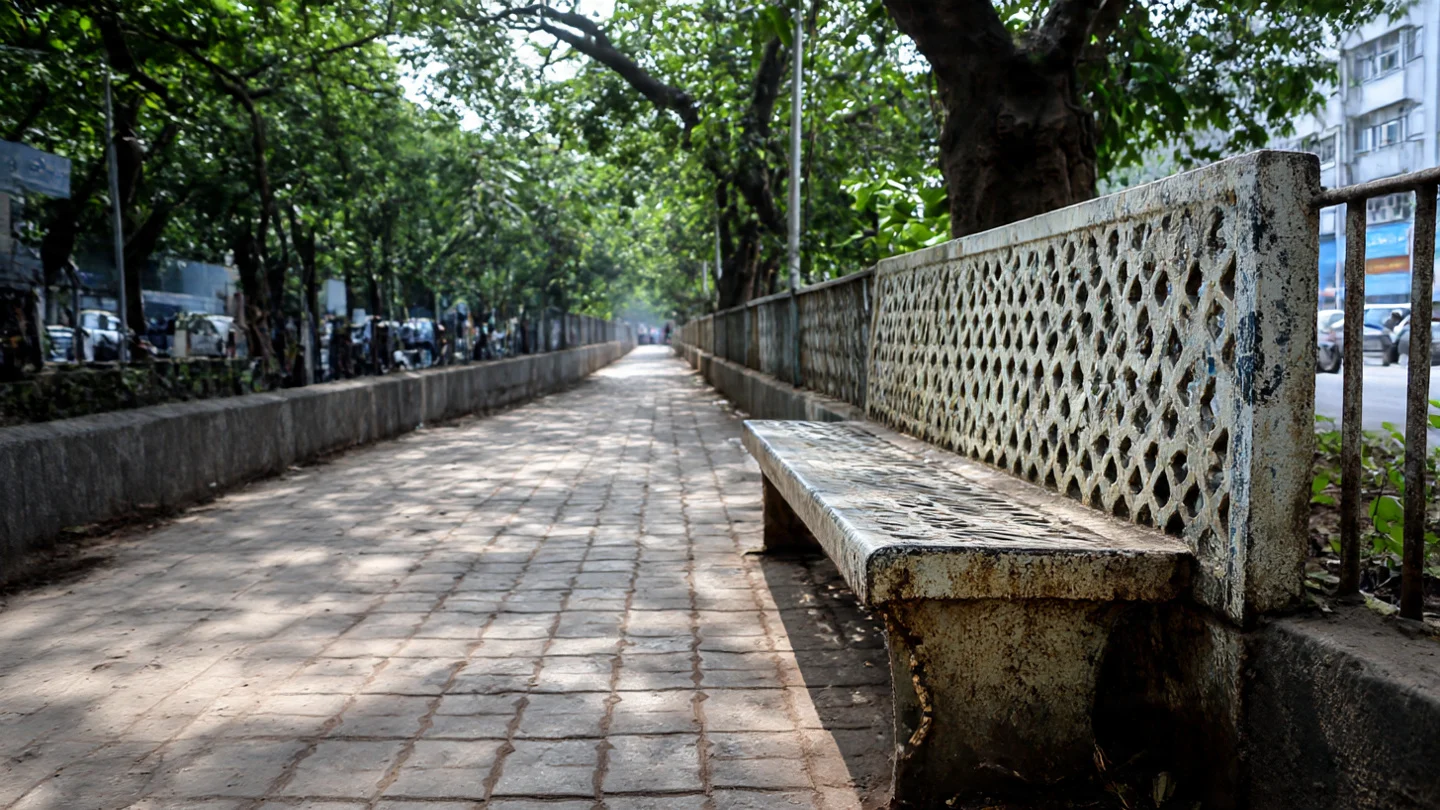
Hostile architecture
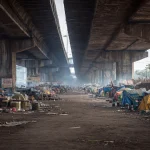
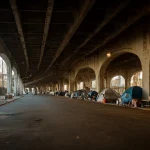
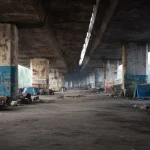
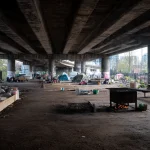
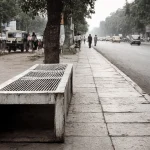
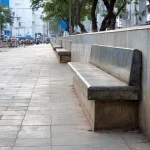
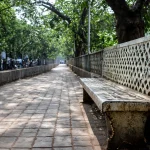
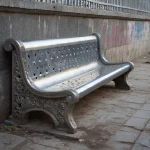
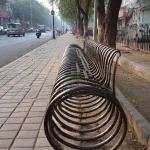
Walk through any major Indian city today—Delhi, Mumbai, Bengaluru, Hyderabad—and you’ll notice something odd if you pay close attention: park benches split by extra armrests, slanted concrete surfaces under flyovers, fenced-off footpaths, spiked pavements, boulders placed deliberately under bridges, and even metal studs on dividers where people used to sit.
None of this is accidental.
This growing trend is known as hostile architecture, an urban design strategy that quietly shapes public spaces to keep certain groups—usually the poor, homeless, and informal workers—away. It’s architecture that isn’t built for people but rather built against them.
And in India, it’s becoming a silent battle against poverty instead of poverty alleviation.

What Is Hostile Architecture?
Hostile architecture (also called defensive or exclusionary design) uses design elements to control behavior in public spaces. The message is unspoken but clear:
“You don’t belong here.”
Examples include:
Benches that can’t be slept on
Metal spikes on flat surfaces
Sloped or uneven seating
Dividers blocked with stones to stop street vendors
Grills under flyovers to keep homeless families out
Over-landscaped spaces to prevent loitering
While often justified as “maintaining cleanliness” or “improving aesthetics,” the real purpose is to make public spaces uncomfortable for people who have nowhere else to go.

Why Is It Growing in India?
1. Urban Beautification Before Mega Events
Before G20 events, summits, VIP visits, and festivals, cities often attempt to “beautify” their public spaces. Sadly, this sometimes includes removing vendors and installing anti-homeless structures to hide poverty rather than address it.
2. The Rising Middle-Class Demand for ‘Order’
A growing urban middle class wants cities that look cleaner and feel safer. Hostile design appears to offer a quick-fix solution—out of sight, out of mind—even if it doesn’t solve underlying issues.
3. Shortage of Public Housing and Shelters
Instead of investing in safe, clean shelters or low-income housing, cities take a shortcut: making public space unlivable so the poor simply move elsewhere.
4. Privatization of Public Space
Malls, gated communities, and private developers influence city planning, pushing for environments that cater to economically “desirable” residents.

Who Gets Hurt the Most?
Hostile architecture affects people who already exist at the margins:
Homeless Individuals
With no access to shelters, they rely on public spaces for rest and survival. Hostile design forces them into more dangerous areas.
Migrant Workers
Millions come to cities for work but can’t afford stable housing. Public spaces become essential—until they are taken away.
Street Vendors
Instead of being integrated into city planning, vendors are often treated as “obstacles” and pushed out through obstructive designs.
Elderly and Disabled People
Ironically, benches with armrests or uneven surfaces harm not only the homeless but also people who genuinely need accessible seating.
The Human Cost
Hostile architecture may hide poverty, but it doesn’t reduce it.
It simply increases suffering.
When someone cannot sit on a bench or sleep under a bridge:
They are pushed further from safety
They lose access to shade, water, rest
They may face increased police action
Their mental and physical health declines
A city that becomes unwelcoming for its most vulnerable eventually becomes less humane for everyone.

There Are Better Solutions
Indian cities do not need to choose between order and empathy. Many humane alternatives exist:
Inclusive design:
Benches that allow rest without encouraging long-term shelter.
More night shelters & community housing:
A real solution to homelessness, not just a cosmetic fix.
Legal recognition of street vendors:
Implementing the Street Vendors Act properly so they have designated, well-planned spaces.
Reuse of under-flyover spaces:
Turn them into community areas, micro-parks, or shaded shelter zones—not barricaded no-man’s land.
Public toilets, drinking water, and basic amenities:
People don’t “loiter” when they have their basic needs met.

A City Is Defined by Those Who Have the Least
Urban development should not come at the cost of dignity. Hostile architecture may make a city appear cleaner, but at its core, it reflects an uncomfortable truth:
We are designing cities to look good for visitors rather than to function for citizens.
The real measure of a city is not its skyscrapers, flyovers, or malls—it’s how it treats the people who have the least power, the least money, and the least protection.
India’s cities can become global, modern, and beautiful without becoming hostile.
But that requires choosing compassion over convenience, and design that includes rather than excludes.