Artificial intelligence is reshaping industries across the world, but its influence is extending beyond software and computing. It is also beginning to redefine how cities, office buildings, and workplaces evolve.
Anthropic’s recent decision to lease the entire 300 Howard Street office building in downtown San Francisco is more than a real estate transaction. It represents a growing trend where AI companies are becoming key occupants of premium office spaces, breathing new life into commercial buildings that struggled to attract tenants after the pandemic.
For architects, developers, and urban planners, this lease offers valuable insights into the future of workplace design and the evolving role of commercial architecture.
Key Facts
- Company: Anthropic
- Building: 300 Howard Street (formerly known as 199 Fremont)
- Location: Downtown San Francisco, near Salesforce Park
- Office Space: Approximately 420,000 square feet
- Lease Type: Entire building occupancy
- Previous Major Tenants: Fitbit (now part of Google) and StubHub
- Anthropic’s Existing Offices:
- 500 Howard Street – approximately 230,000 sq. ft. (headquarters)
- 505 Howard Street – approximately 100,000 sq. ft.
- Existing Howard Street leases expire in: 2028
- Significance: One of the largest single-tenant office leases signed in downtown San Francisco since the pandemic.
A Landmark Building Finds New Purpose
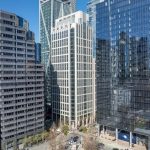
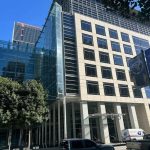
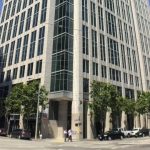
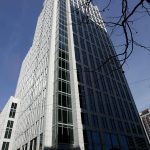
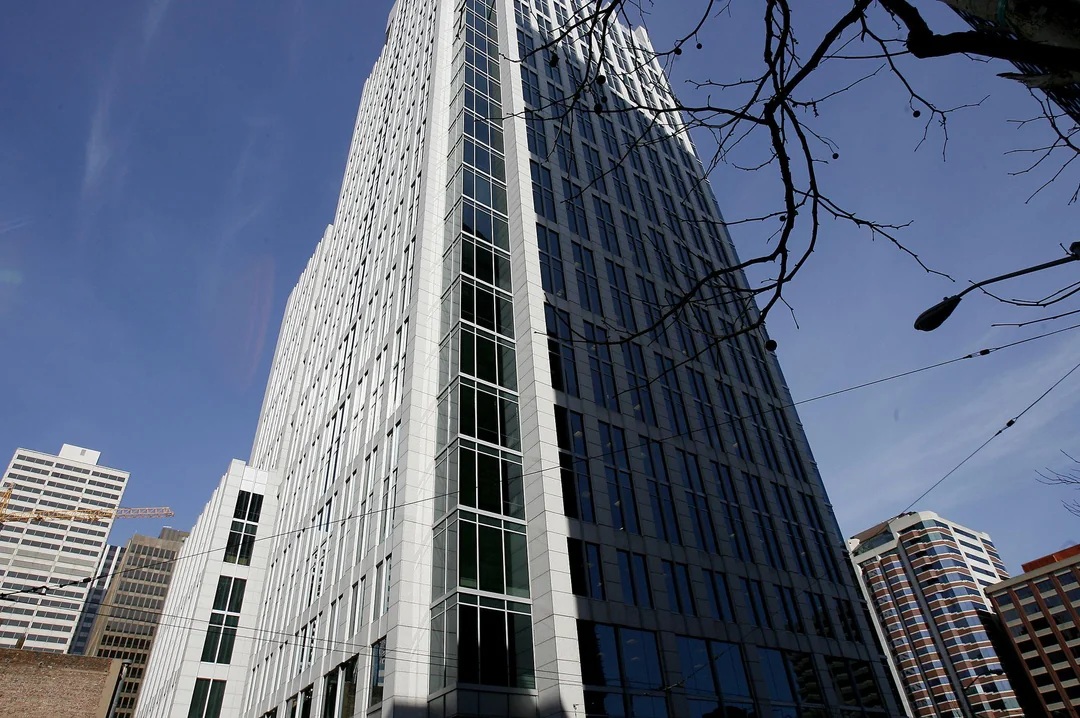
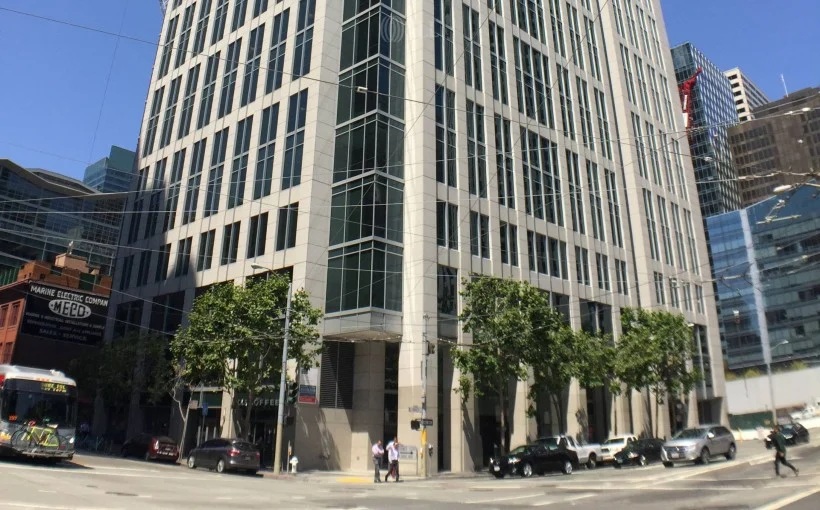
Located in San Francisco’s Financial District, 300 Howard Street is a contemporary office tower known for its clean architectural expression and glass curtain wall façade. Positioned near Salesforce Park and major transit connections, the building was designed to meet the needs of large technology companies seeking flexible and efficient work environments.
Despite its prime location, the property experienced the same challenges faced by many downtown office buildings after COVID-19. Remote work, hybrid schedules, and corporate downsizing left numerous high-quality office towers with significant vacancies.
Anthropic’s decision to occupy the entire building transforms it from an underutilized commercial property into a fully activated workplace, demonstrating how existing architecture can remain relevant when aligned with the needs of emerging industries.
Why Existing Office Buildings Matter More Than Ever
Rather than constructing a new headquarters, Anthropic has chosen to expand within an existing commercial building.
This decision highlights an important architectural trend: adaptive utilization of premium office assets.
Reoccupying high-quality buildings offers several advantages:
- Makes efficient use of existing urban infrastructure.
- Reduces the environmental impact associated with new construction.
- Revitalizes central business districts without extensive redevelopment.
- Preserves the value of well-designed commercial architecture.
- Supports sustainable urban growth by maximizing existing resources.
For cities striving to reduce carbon emissions while maintaining economic activity, reusing quality office buildings can be a more sustainable strategy than replacing them.
What Makes 300 Howard Street Attractive?
Although office demand has changed dramatically over the past few years, not all buildings are equally positioned for recovery.
Buildings like 300 Howard Street continue to appeal to growing technology companies because they offer:
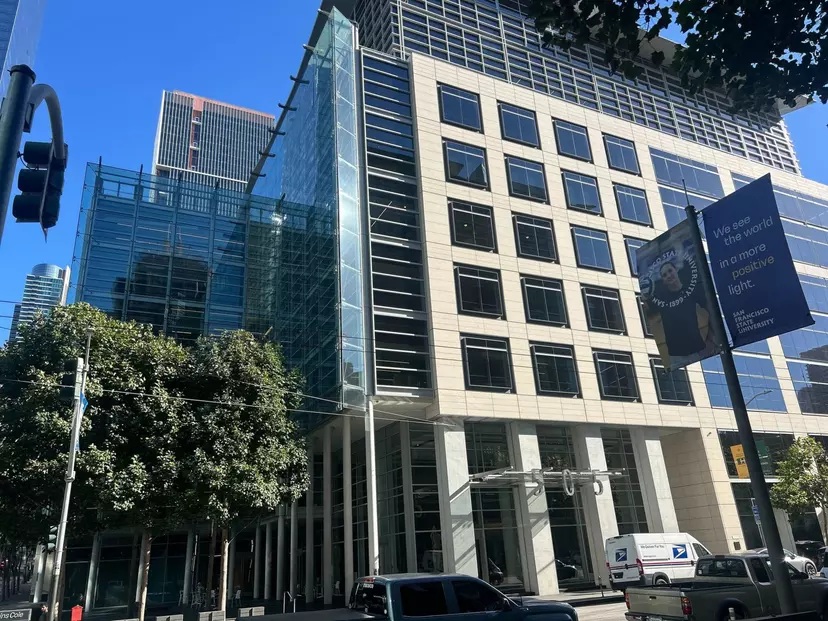
Modern Glass Curtain Wall Design
The building’s contemporary façade allows generous natural daylight while creating a clean, professional appearance that aligns with today’s corporate identity.
Flexible Floor Plates
Large, open floor layouts enable companies to create collaborative workspaces, research environments, meeting areas, and adaptable office configurations without major structural changes.
Prime Urban Connectivity
Situated near Salesforce Park and major transportation links, the building supports employees who commute using public transit while remaining connected to the broader technology ecosystem of San Francisco.
Class A Office Standards
High-quality mechanical systems, efficient layouts, and modern amenities make premium office buildings more adaptable to evolving workplace requirements.
AI Companies Are Reshaping Workplace Design
Unlike many organizations that have reduced their office footprints, several AI companies continue investing in physical workplaces.
As research, engineering, product development, and leadership teams collaborate on complex projects, well-designed office environments remain valuable for in-person interaction, knowledge sharing, and innovation.
This does not suggest that remote work is disappearing. Instead, it reflects a growing preference among some rapidly expanding technology companies for workplaces that support collaboration while complementing flexible work arrangements.
For architects, this trend reinforces the importance of designing offices that prioritize adaptability, employee well-being, and collaborative spaces over traditional rows of fixed desks.
A Positive Signal for Downtown San Francisco
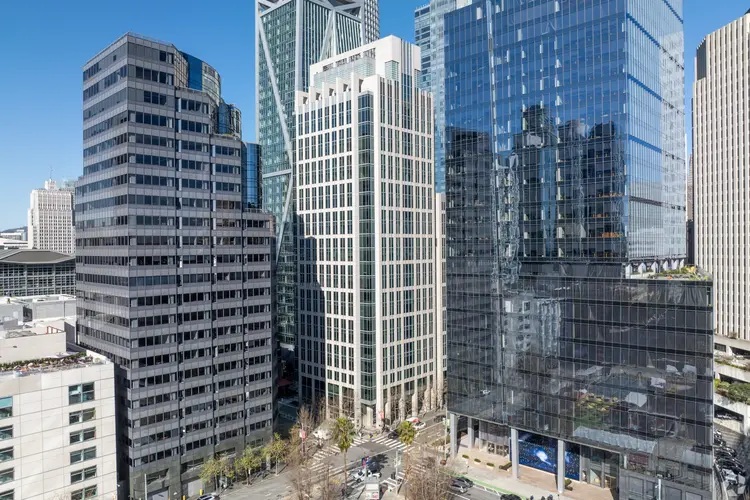
San Francisco’s office market has experienced elevated vacancy rates in recent years, particularly within the Financial District.
Large commitments such as Anthropic’s lease demonstrate that premium buildings in strategic locations continue to attract investment from growth industries.
As AI companies expand, they have the potential to reactivate downtown neighborhoods by increasing daily foot traffic, supporting nearby businesses, and encouraging renewed confidence in urban commercial districts.
While one lease alone will not transform the market, it highlights how innovative industries can contribute to the gradual revitalization of city centers.
Design Lessons for Architects and Developers
Anthropic’s expansion offers several takeaways for the architecture and commercial real estate sectors:
- High-quality existing buildings remain competitive assets.
- Flexible workplace design is increasingly important.
- Prime locations with strong transit connectivity continue to attract major tenants.
- Adaptive use of office buildings can support both sustainability and economic resilience.
- Future-ready workplaces should be designed to evolve alongside rapidly changing industries.
These lessons reinforce the idea that the future of office architecture is not simply about building more space, but about designing smarter, more adaptable environments that meet the needs of modern organizations.
Anthropic’s move into 300 Howard Street is significant not only because of the size of the lease but also because of what it represents for architecture and urban development.
The transaction illustrates how thoughtfully designed office buildings can remain relevant in a changing market and how emerging industries like artificial intelligence are helping shape the next generation of workplaces. For architects, developers, and city planners, it is a reminder that resilient design, adaptable spaces, and well-connected urban locations continue to define the future of commercial architecture.