Prambanan Temple
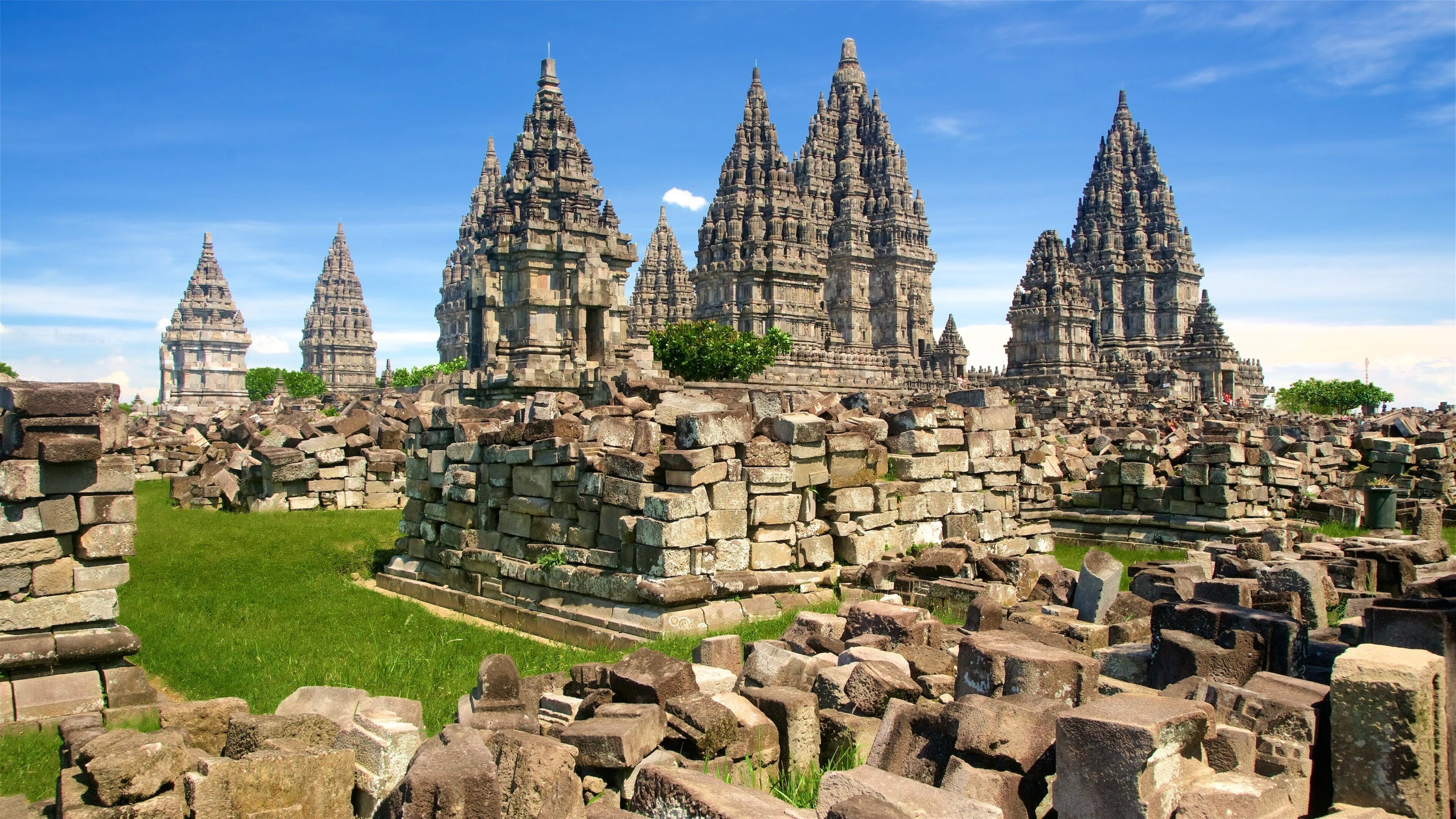
Standing gracefully against the backdrop of Central Java’s volcanic landscape, Prambanan Temple is one of Southeast Asia’s most remarkable architectural and cultural treasures. Known for its soaring stone towers, intricate relief carvings, and deep connections to Hindu mythology, Prambanan continues to attract historians, architects, travelers, and spiritual seekers from around the world.
As the largest Hindu temple complex in Indonesia and a UNESCO World Heritage Site, Prambanan showcases the extraordinary craftsmanship of the ancient Mataram Kingdom while reflecting centuries of religious, artistic, and cultural exchange.
Key Facts
- Location: Sleman Regency, Special Region of Yogyakarta and Klaten Regency, Central Java, Indonesia.
- Official Name: Prambanan Temple Compound (Candi Prambanan).
- UNESCO Status: Inscribed as a UNESCO World Heritage Site in 1991.
- Built During: Approximately 850 CE.
- Built By: Rakai Pikatan of the Sanjaya Dynasty (Ancient Mataram Kingdom).
- Religion: Hinduism.
- Primary Deities: Shiva, Vishnu, and Brahma (Trimurti).
- Main Temple Height: Approximately 47 meters (154 feet).
- Architectural Style: Classical Javanese Hindu Architecture.
- Original Number of Temples: Around 240 temples.
- Main Complex: Eight principal temples surrounded by hundreds of smaller shrines.
- Construction Material: Andesite volcanic stone.
- Best Known For: Towering Shiva Temple and detailed Ramayana relief panels.
- Nearby Heritage Site: Sewu Buddhist Temple Complex.
Introduction
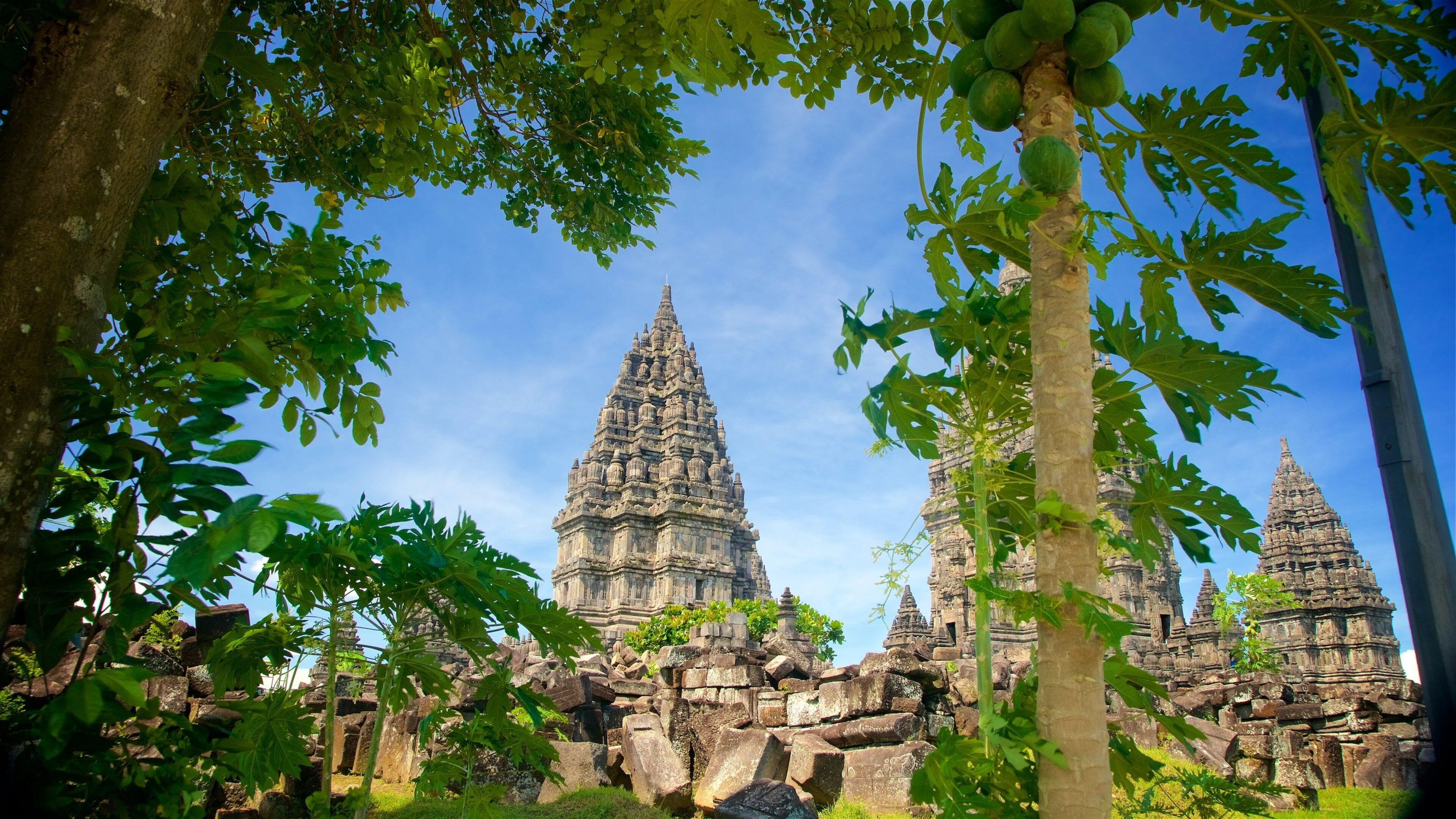
Prambanan Temple is one of Asia’s finest examples of Hindu temple architecture. Built during the 9th century, the temple complex represents the peak of ancient Javanese engineering, artistic achievement, and religious devotion. Its towering central spires dominate the landscape and symbolize Mount Meru, the sacred mountain believed to be the home of the Hindu gods.
Unlike many temples designed primarily for ritual use, Prambanan was also created to demonstrate royal authority, political strength, and cultural sophistication. Every sculpture, relief, and architectural element reflects a carefully planned symbolic meaning rooted in Hindu cosmology.
Historical Background
The construction of Prambanan began around 850 CE during the reign of Rakai Pikatan, a ruler of the Sanjaya Dynasty. Historians believe the temple was built to re-establish Hindu influence after a period during which Buddhist rulers of the Sailendra Dynasty dominated Central Java.
The complex expanded over several decades and became the royal temple of the Ancient Mataram Kingdom.
However, the prosperity of the region was relatively short-lived. Around the 10th century, political changes and volcanic activity led to the abandonment of Central Java. Over time, the temples were buried beneath volcanic ash and dense vegetation.
European explorers rediscovered Prambanan during the early 19th century, and extensive archaeological restoration began in the early 20th century. Restoration work continues today to preserve the monument against earthquakes and environmental deterioration.
Architectural Design
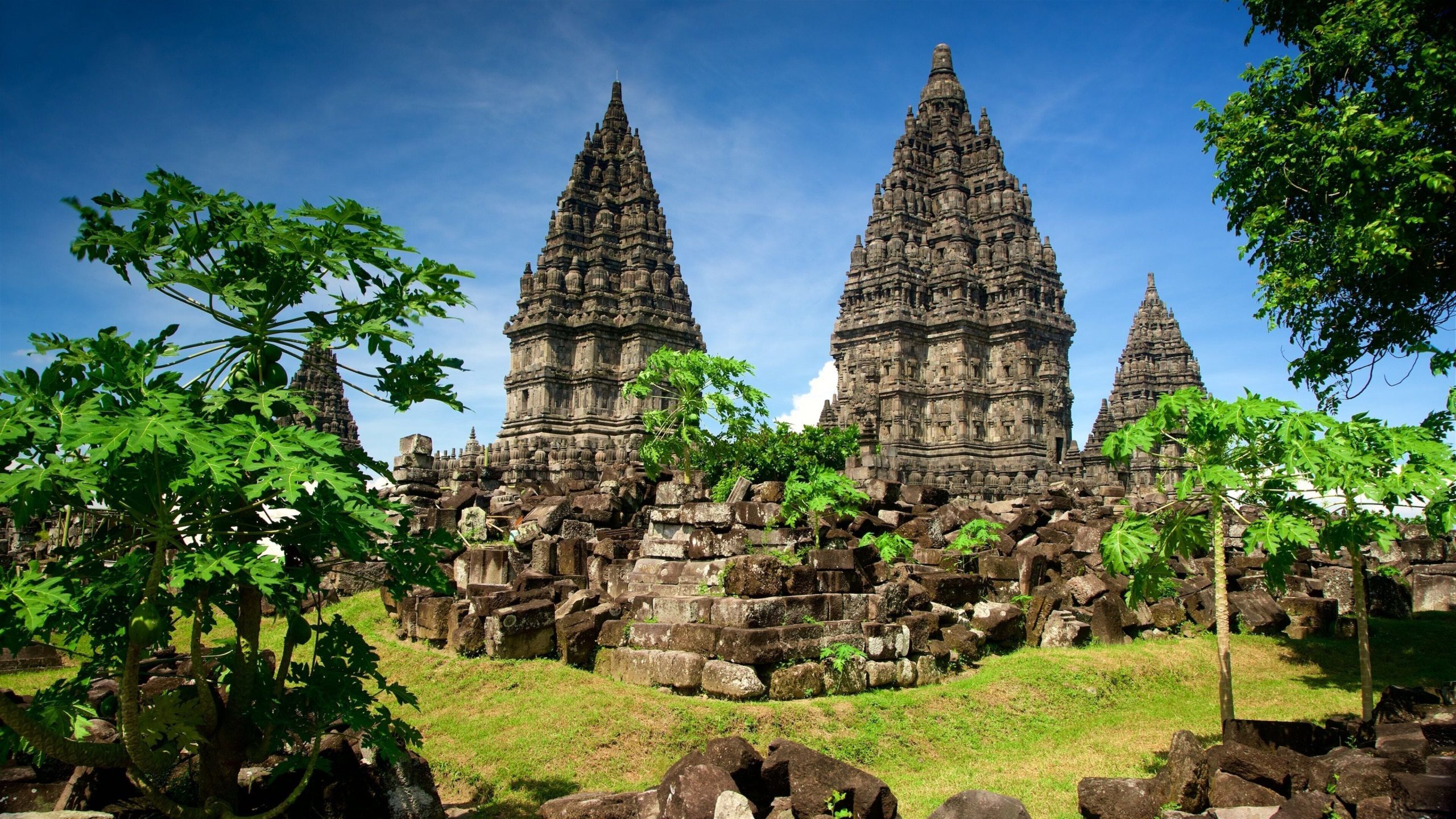
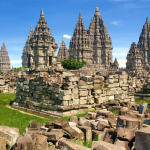
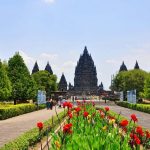
Prambanan is celebrated for its impressive vertical composition and balanced geometric planning.
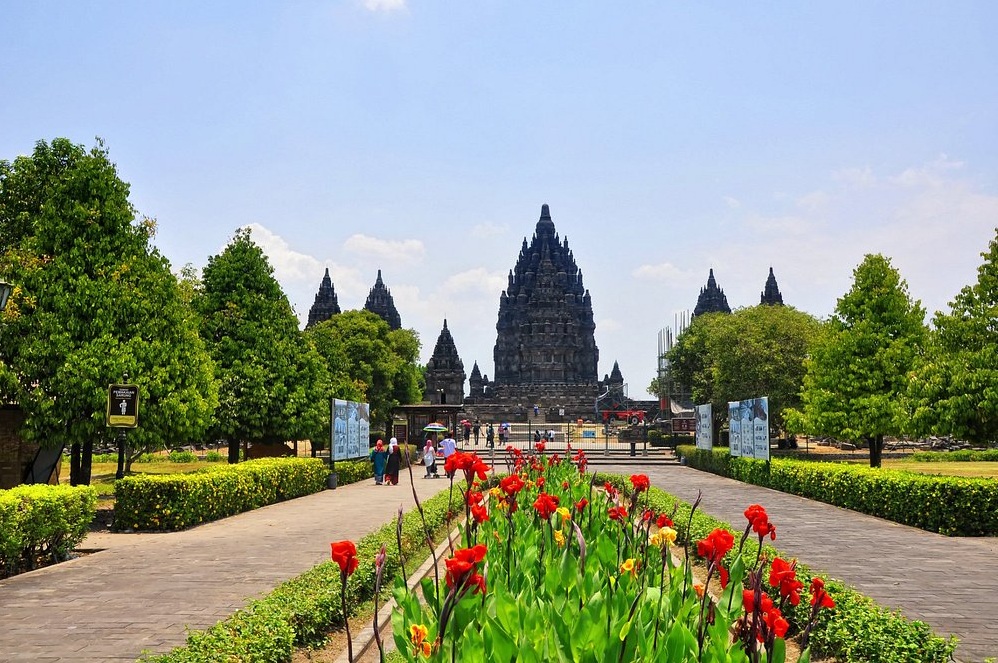
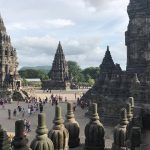
The temple complex follows a square layout enclosed by walls, with three concentric courtyards representing different levels of sacredness. Visitors gradually move from the outer public areas toward the highly sacred inner sanctuary.
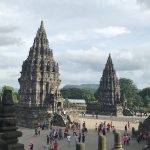
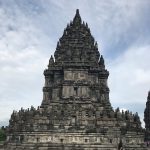
The tallest structure, dedicated to Lord Shiva, rises approximately 47 meters and remains one of Indonesia’s tallest ancient religious monuments.
The central complex includes:
- Shiva Temple
- Vishnu Temple
- Brahma Temple
- Three Vahana Temples dedicated to Nandi, Garuda, and Hamsa
- Two Apit (flanking) Temples
- Hundreds of smaller Perwara shrines surrounding the central sanctuaries
This hierarchical arrangement reflects Hindu cosmology and the relationship between humanity, the universe, and the divine.
The Shiva Temple
The Shiva Temple is the largest and most significant building within Prambanan.
Inside the main chamber stands an impressive statue of Lord Shiva Mahadeva. Additional chambers house sculptures of:
- Durga Mahisasuramardini
- Ganesha
- Agastya
The Durga statue is closely associated with the famous Javanese legend of Roro Jonggrang, who is believed by local tradition to have been transformed into stone.
Symbolism in Architecture
Every aspect of Prambanan carries symbolic meaning.
The temple follows the traditional Hindu concept of dividing the universe into three realms:
Bhurloka
Represents the earthly world where humans live.
Bhuvarloka
Represents the spiritual realm where enlightened souls reside.
Svarloka
Represents the heavenly realm occupied by the gods.
The ascending structure of each temple symbolizes the spiritual journey from the material world toward divine enlightenment.
Ramayana Relief Panels
One of Prambanan’s greatest artistic achievements is its beautifully carved narrative reliefs.
The galleries surrounding the Shiva and Brahma temples illustrate scenes from the Ramayana, one of Hinduism’s greatest epics.
The carvings depict:
- Rama’s exile
- The abduction of Sita
- Hanuman’s heroic adventures
- The battle against Ravana
- The reunion of Rama and Sita
These reliefs functioned as visual storytelling for pilgrims and remain valuable historical records of ancient Javanese artistic traditions.
Engineering Excellence
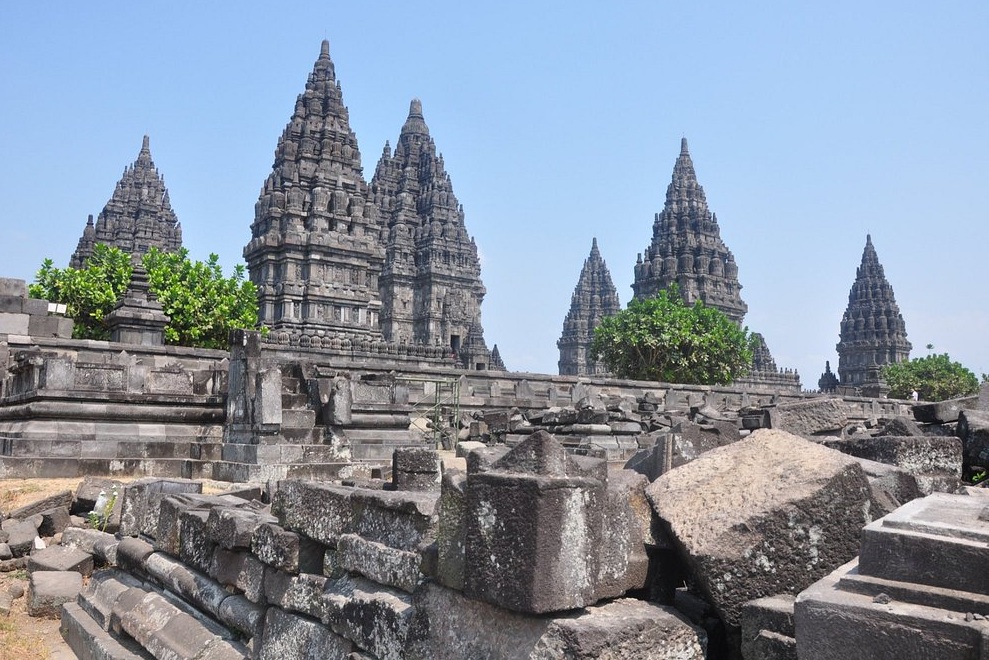
Constructing a monument of this scale without modern machinery required remarkable engineering expertise.
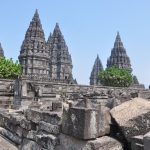
Builders used precisely cut and interlocking volcanic stones without relying heavily on mortar. Each stone was carefully shaped and positioned to distribute structural loads efficiently.
The temples were designed to withstand tropical weather while maintaining impressive structural stability.
Although earthquakes have caused damage over the centuries, many sections continue to demonstrate exceptional craftsmanship.
UNESCO World Heritage Recognition
In 1991, UNESCO recognized the Prambanan Temple Compound as a World Heritage Site because of its outstanding universal value.
The designation acknowledges:
- Exceptional Hindu architecture in Southeast Asia
- Outstanding stone craftsmanship
- Historical significance of the Ancient Mataram Kingdom
- Rich artistic traditions preserved in relief carvings
- Importance as a cultural and religious monument
Today, conservation programs continue to protect the complex from earthquakes, weathering, and increasing tourism.
Cultural Importance Today
Prambanan remains an active place of worship for Indonesian Hindus while also serving as one of the country’s most visited heritage attractions.
Annual religious ceremonies and cultural performances are held within the temple complex, including the famous Ramayana Ballet, performed in an open-air theater with the illuminated temples forming a dramatic backdrop.
The monument has become a symbol of Indonesia’s multicultural heritage, demonstrating centuries of coexistence between Hinduism, Buddhism, and local Javanese traditions.
Architectural Features Worth Noticing
Visitors interested in architecture should pay special attention to:
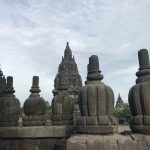
- The soaring vertical proportions of the temple towers.
- Symmetrical site planning and geometric organization.
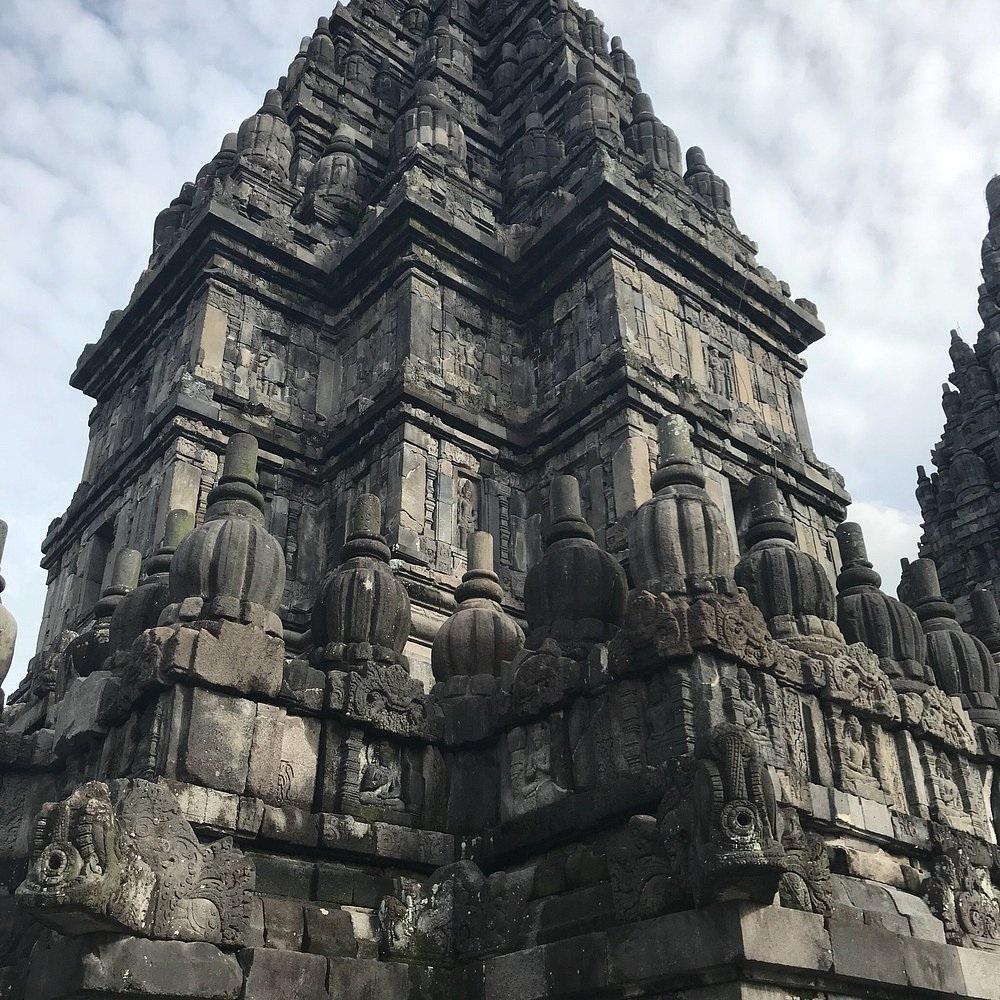
- Intricate bas-relief carvings covering the galleries.
- Kala-Makara ornamental gateways.
- Rich iconography depicting Hindu deities and mythological beings.
- Precisely carved volcanic stone masonry.
- The transition between sacred spatial zones.
- The elegant silhouette of the central Shiva Temple dominating the skyline.
Conservation Challenges
Like many ancient monuments, Prambanan faces ongoing conservation challenges.
Major concerns include:
- Earthquake damage
- Volcanic ash from nearby Mount Merapi
- Weather-related erosion
- Biological growth on stone surfaces
- Tourist foot traffic
- Structural stabilization of smaller shrines
Indonesian conservation authorities continue restoration efforts using archaeological documentation and modern preservation techniques to maintain the site’s authenticity.
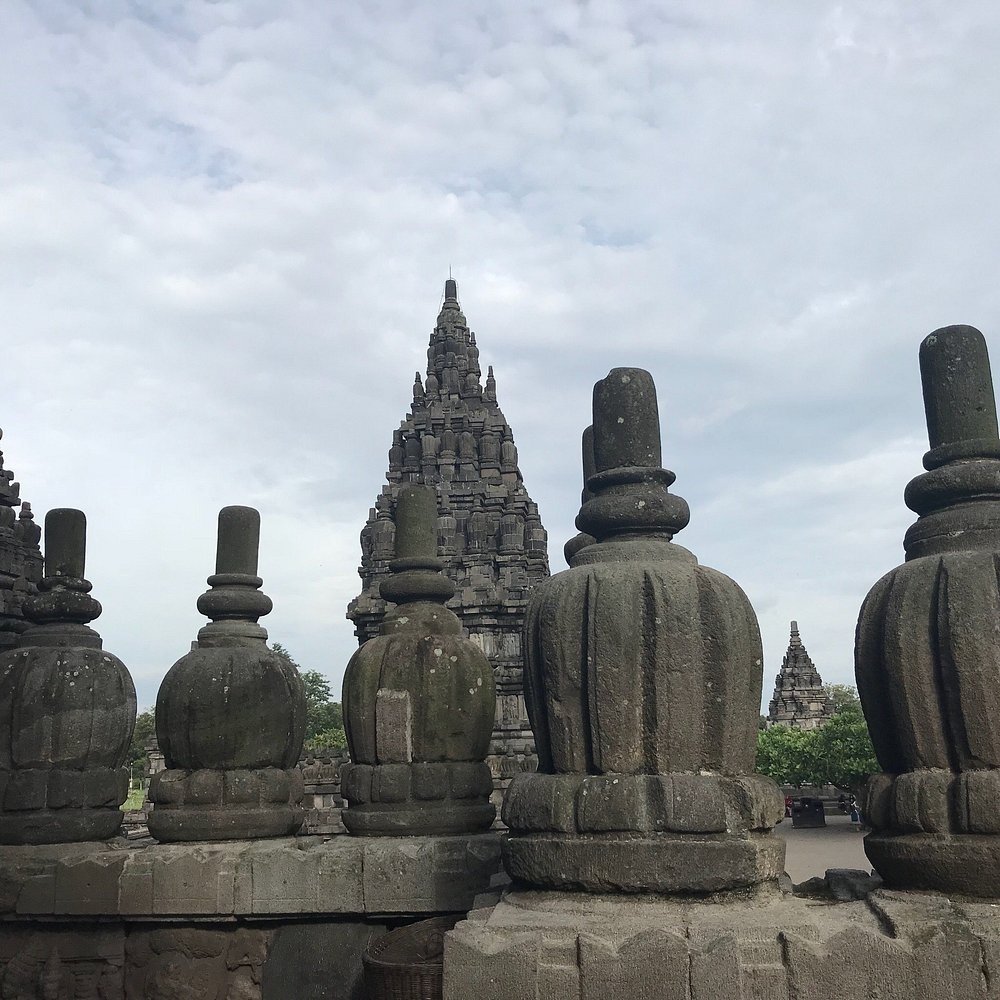
Why Prambanan Matters for Architecture
For architects, conservation professionals, and students of architectural history, Prambanan offers valuable lessons in:
- Monumental temple planning
- Sacred geometry
- Symbolic architecture
- Stone construction techniques
- Ancient engineering methods
- Religious spatial hierarchy
- Cultural storytelling through architecture
- Heritage conservation practices
The temple demonstrates how architecture can function simultaneously as a place of worship, a political statement, an artistic masterpiece, and a lasting cultural symbol.
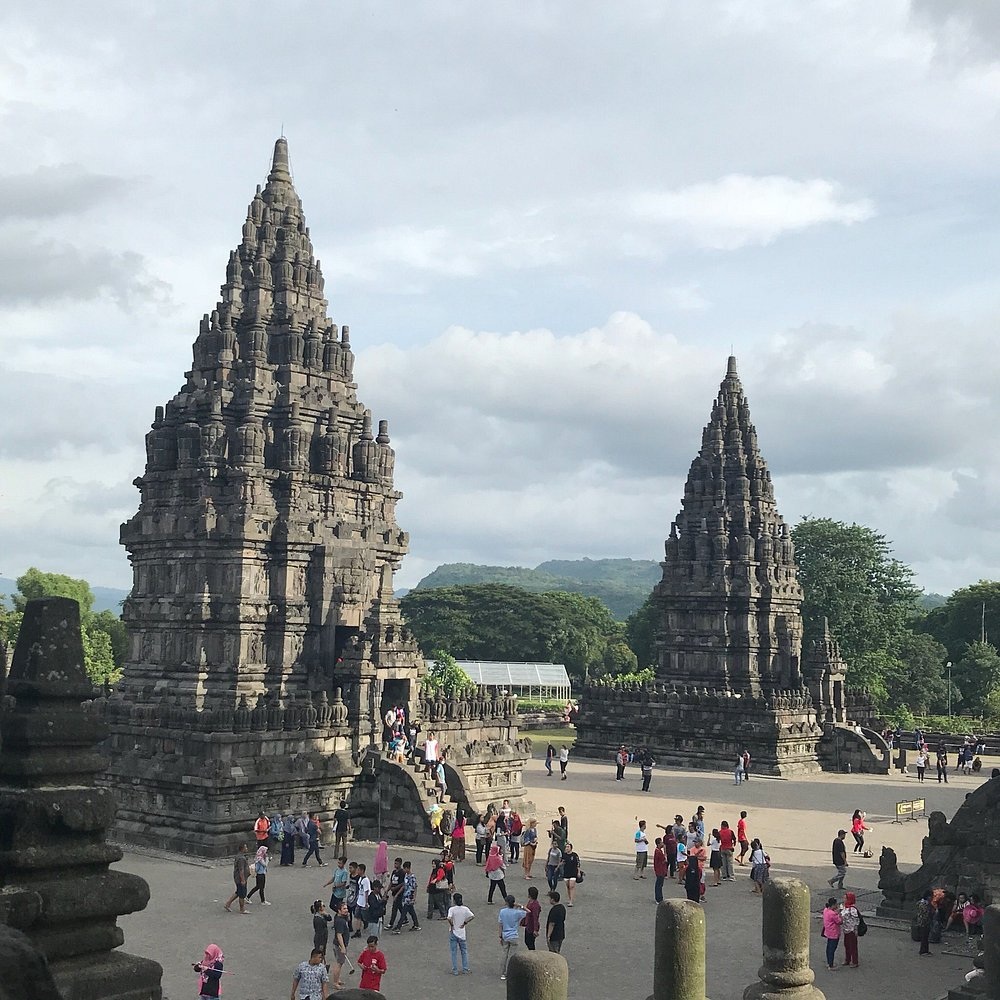
Visitor Information
Prambanan is located approximately 17 kilometers northeast of Yogyakarta and is easily accessible by road.
The best times to visit are during the early morning or late afternoon when temperatures are cooler and the lighting highlights the intricate stone carvings. Visitors are encouraged to wear comfortable footwear, carry water, and allow several hours to explore the expansive temple complex.
Photography enthusiasts often find sunrise and sunset particularly rewarding, as the changing light enhances the dramatic silhouette of the temple towers.
Prambanan Temple is far more than an ancient monument—it is a testament to the creativity, engineering skill, and spiritual vision of 9th-century Java. Its soaring towers, finely carved reliefs, and harmonious layout continue to inspire architects, historians, and travelers alike.
Whether admired for its architectural brilliance, religious symbolism, or cultural significance, Prambanan remains one of the world’s most extraordinary temple complexes. As preservation efforts continue, it stands as a lasting reminder of Indonesia’s rich heritage and the enduring legacy of classical Hindu architecture in Southeast Asia.

Most Read Articles:
Shri Ram Janmabhoomi Mandir: A timeless confluence of devotion, architecture & cultural heritage
Grand Janki Mandir to Be Built at Punaura Dham Sitamarhi: ₹882.87 Crore Mega Project Announced
Meenakshi Temple: A Living Masterpiece of Indian Architecture
Varanasi International Cricket Stadium: Where Spirituality Meets Sports
Statue of Unity: The World’s Tallest Statue at 182 Metres | A Complete Guide
Shri Kashi Vishwanath Temple: A Timeless Journey into the Spiritual Heart of India
Galteshwar Mahadev Temple: An architectural dialogue between stone, water, and sacred geometry
Leaning Tower of Pisa & Ratneshwar Mahadev Temple: Two timeless leaning wonders of the world
Murudeshwar Temple: A place where the sea, stone, and shiva come together
Tirumala Venkateswara Temple: An Architectural and Spiritual Marvel of South India
Somnath Temple — The Eternal Shrine of Faith, Resilience and Architecture