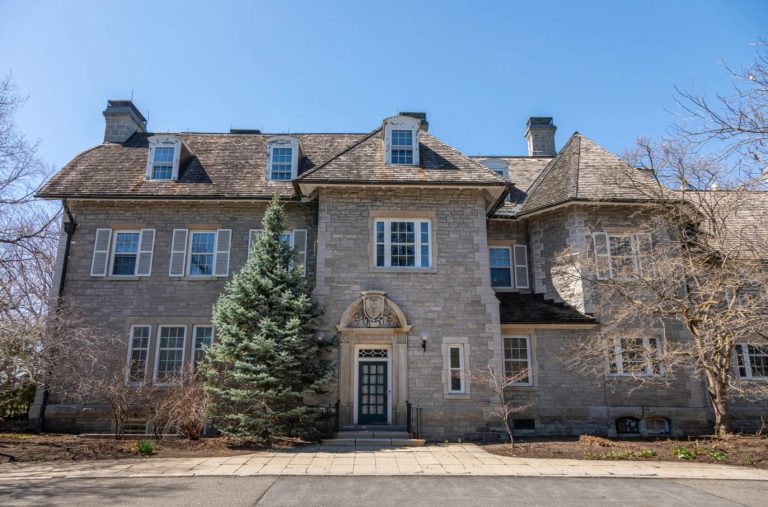
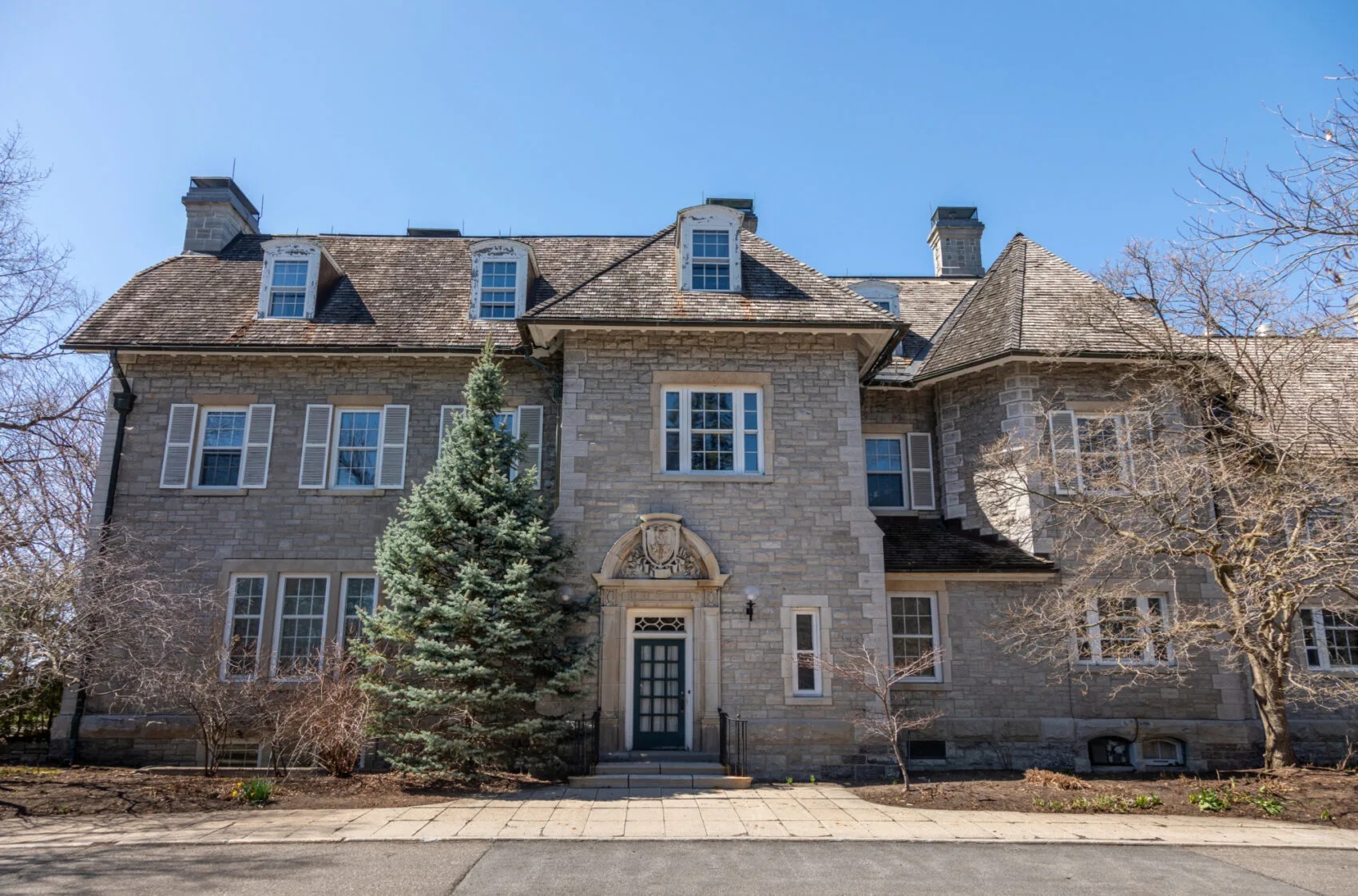
24 Sussex Drive
An exploration of heritage architecture, national identity, and the challenge of restoring a historic residence for the future.
Some buildings are remembered for their architecture. Others become important because of the people who live in them and the events that unfold within their walls. 24 Sussex Drive in Ottawa, Canada, belongs to both categories.
For more than seven decades, this historic residence has been closely associated with the office of the Prime Minister of Canada. Overlooking the Ottawa River, the house has witnessed changing political eras, hosted official gatherings, and served as a private home for the families of Canadian leaders.
Yet its story is also one of architectural transformation and prolonged neglect. The residence that stands today is not exactly the house completed in the nineteenth century. It has been altered, adapted, and repurposed to meet the demands of a modern political institution.
As of October 2026, 24 Sussex Drive is unoccupied and awaiting a major restoration and modernisation project. A national design-and-build competition is underway, with the winning proposal expected to be announced by July 1, 2027.
For architects, designers, and heritage enthusiasts, its future raises an important question: how can a historic building retain its identity while meeting contemporary expectations of accessibility, sustainability, security, and everyday comfort?
Key Facts:
- Location: Ottawa, Ontario, Canada.
- Year Built: 1868.
- Original Owner: Joseph Merrill Currier, a businessman and Member of Parliament.
- Original Name: Gorffwysfa.
- Architectural Style: Gothic Revival, with later alterations.
- Government Acquisition: 1949.
- Official Residence Since: 1951, under Prime Minister Louis St. Laurent.
- Heritage Status: Classified Federal Heritage Building (1986).
- Management: National Capital Commission (NCC).
- Current Status: Unoccupied since 2015; prime ministers have lived at Rideau Cottage.
- Major Issues: Deteriorating structure, ageing systems, accessibility, security, and maintenance.
- Restoration Announced: June 26, 2026.
- Project Status: Design-and-build competition underway as of October 2026.
- Expected Design Announcement: By July 1, 2027.
- Key Challenge: Modernising the residence while preserving its historic and architectural significance.
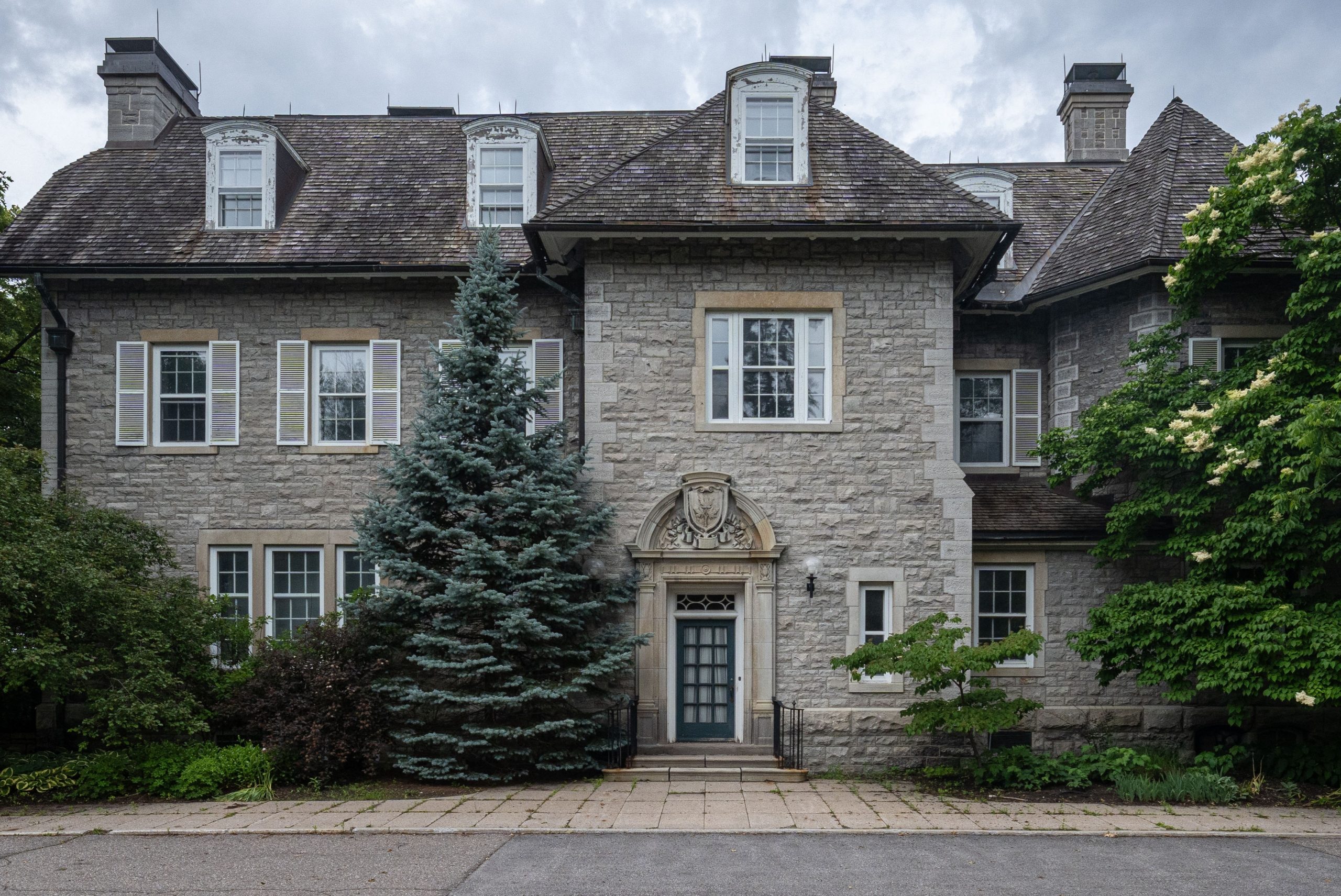
1. The History Behind 24 Sussex Drive
The story of 24 Sussex Drive begins in the 1860s, before the property became synonymous with Canada’s prime ministers.
The house was commissioned by Joseph Merrill Currier, a lumber businessman and Member of Parliament, and was completed in 1868. Originally known as Gorffwysfa, the residence began as a private home rather than a purpose-built government building.
Its location was significant. Situated beside the Ottawa River, the property occupied a prominent position within the developing capital. The surrounding landscape, with its river views and proximity to other historic buildings, gave the residence a setting that was both picturesque and representative of Ottawa’s emerging national importance.
The house was acquired by the Government of Canada in 1949 and refurbished in 1950 for use as the official residence of the prime minister. Louis St. Laurent became the first prime minister to live there in 1951.
This change in ownership and function marked a turning point in the building’s history. A nineteenth-century private residence became a national institution, expected to accommodate not only family life but also official meetings, diplomatic hospitality, and the practical requirements of government.
In 1986, 24 Sussex Drive received its designation as a Classified Federal Heritage Building, recognising its association with Canadian prime ministers, its landmark status, and its contribution to the character of the surrounding area.
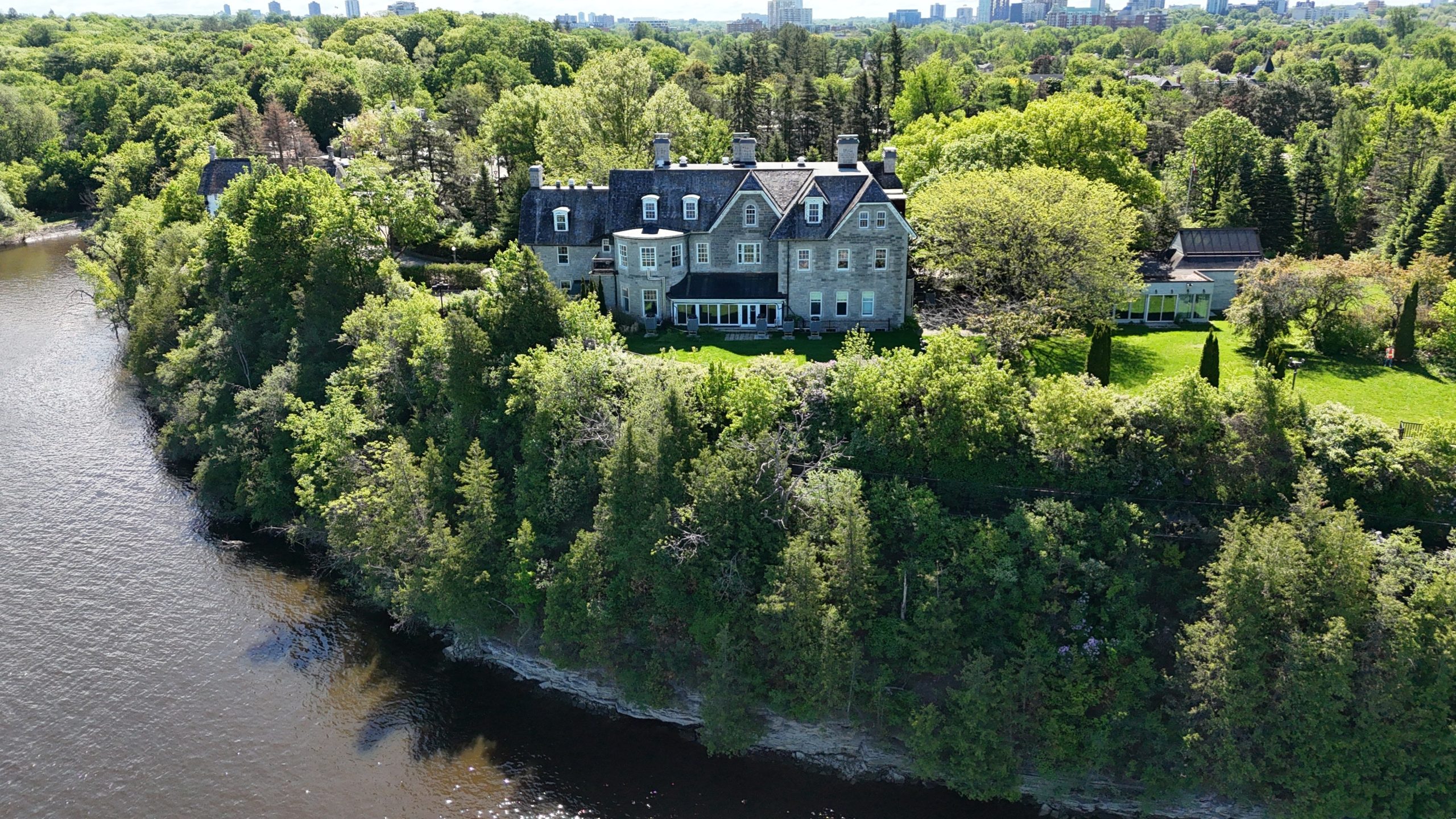
2. Architectural Character: A Building That Has Evolved
One of the most interesting aspects of 24 Sussex Drive is the difference between its original architectural character and its later appearance.
The residence was built in the nineteenth century and is associated with the Gothic Revival tradition. However, its current form reflects substantial alterations undertaken when the property was converted into the prime minister’s official residence in 1950.
The original house was modified to accommodate a new institutional role. Changes to the building’s exterior and internal layout altered its historic character, while additions and modernisation efforts adapted the property to its changing requirements.
This makes 24 Sussex an interesting case study in architectural conservation. It is not simply a preserved nineteenth-century house; it is a building whose identity has developed through successive interventions.
For contemporary architects, this distinction matters. Heritage conservation does not always involve returning a building to a single original state. In many cases, it requires understanding which elements carry historical significance, which changes have become part of the building’s story, and which interventions are necessary for its continued use.
The challenge at 24 Sussex is therefore not merely to repair an ageing structure. It is to determine how its accumulated architectural history can inform a new chapter.
3. Site and Setting: Architecture in Dialogue With the Landscape
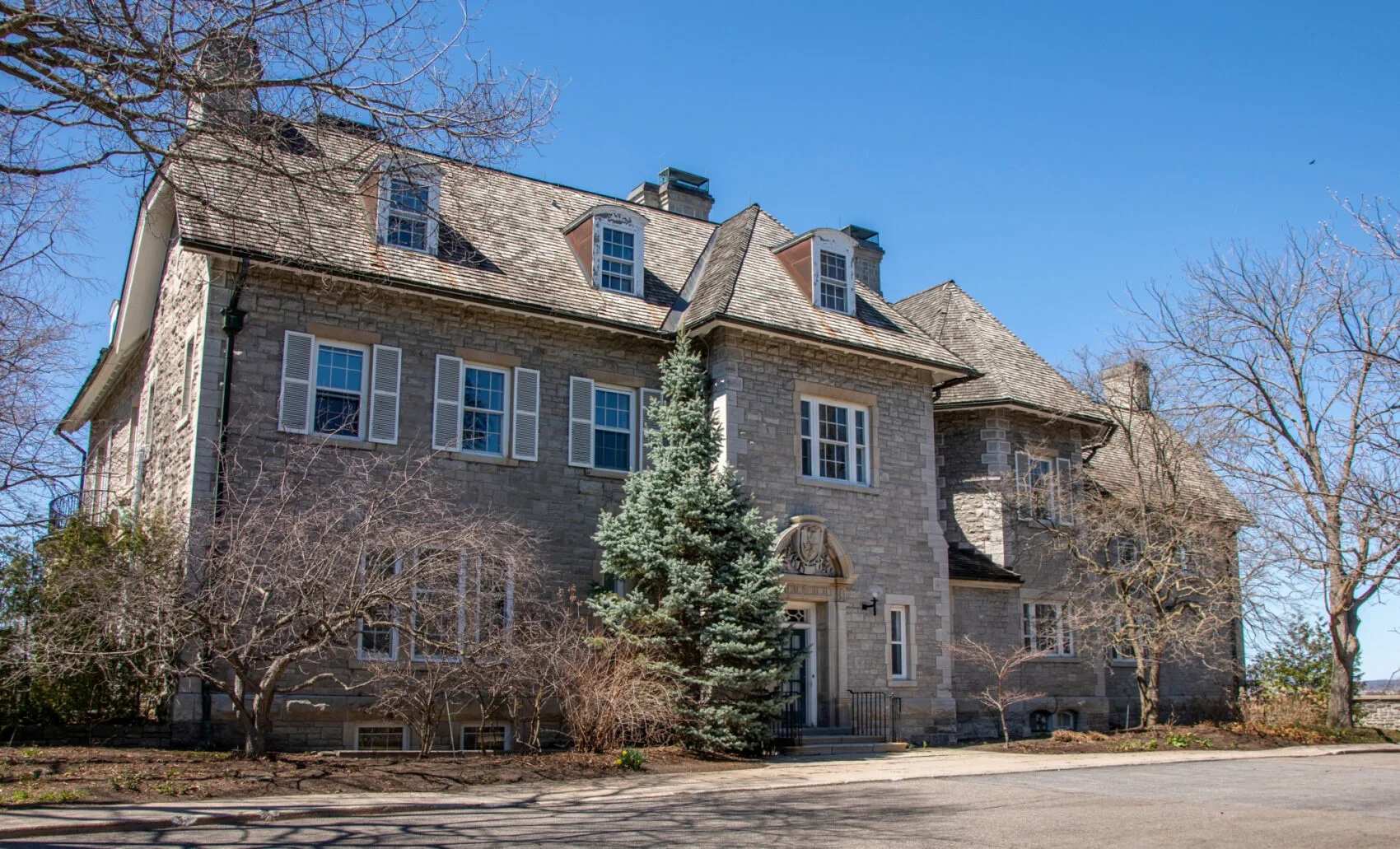
The location of 24 Sussex Drive contributes significantly to its architectural and cultural importance.
The residence occupies a prominent site overlooking the Ottawa River, within a historic part of Canada’s capital. Its relationship with the surrounding landscape gives the property a sense of place that extends beyond the building itself.
For architectural analysis, the site should be considered at three interconnected levels:
- Landscape: The riverfront setting contributes to the residence’s visual identity and connects the property to Ottawa’s wider natural and urban environment.
- Urban context: Its relationship with other prominent historic buildings reinforces its role within the capital’s architectural landscape.
- Cultural context: The site carries histories that predate the residence, including the longstanding presence and significance of Indigenous peoples in the Ottawa River region.
The last point is especially important. A thoughtful heritage project should consider not only the history of the building’s occupants but also the broader history of the land on which it stands.
Architecture is never entirely separate from its setting. At 24 Sussex, the landscape, historic associations, and national symbolism are inseparable parts of the conservation question.
4. The Design Challenge: A Historic House With Modern Demands
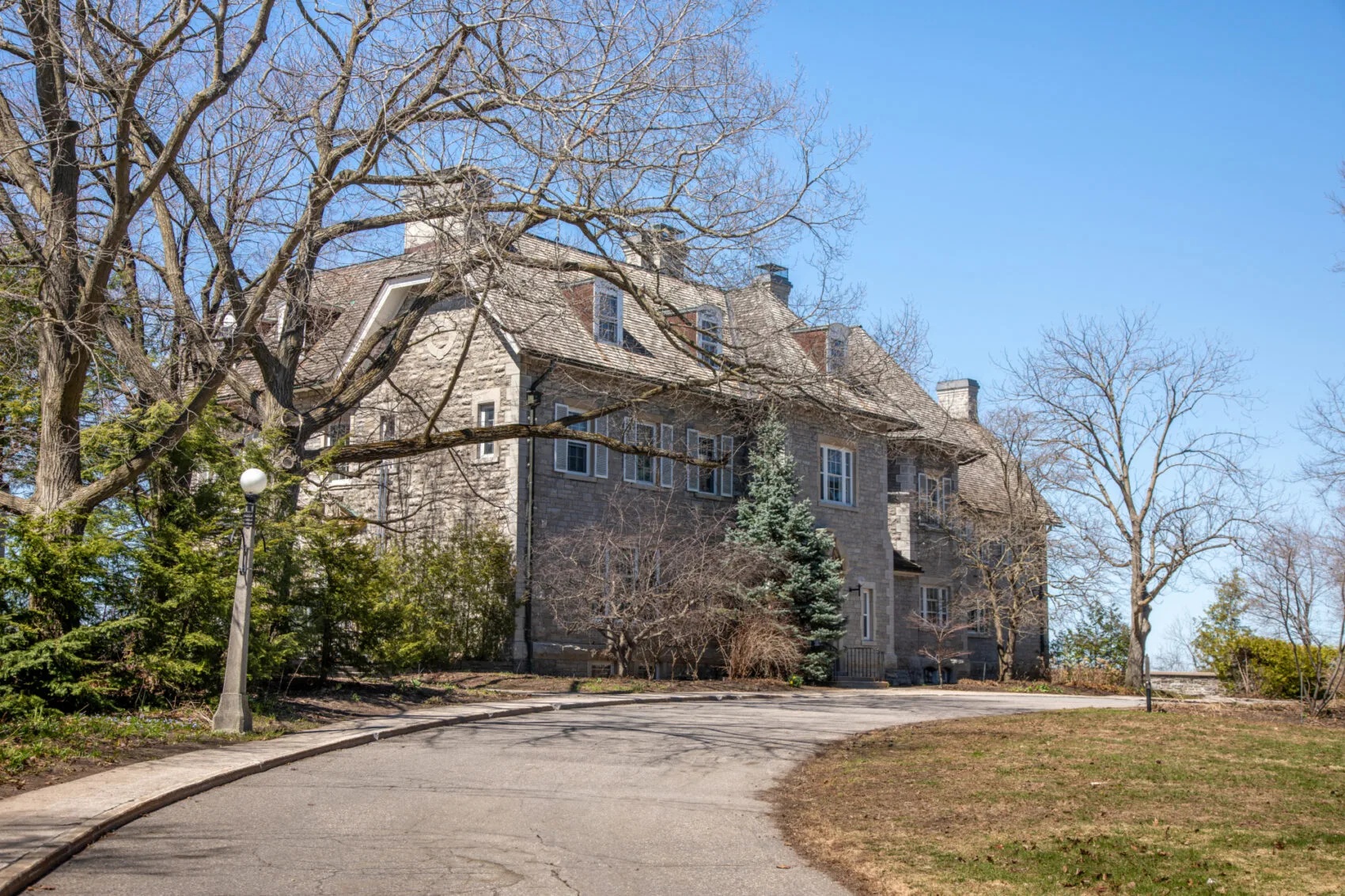
The conversion of 24 Sussex Drive into an official residence created a complex set of requirements. It needed to function as a family home while also supporting official receptions, meetings, staff operations, and security arrangements.
These functions do not always sit comfortably together.
A conventional private residence can prioritise domestic privacy and everyday convenience. An official residence must also accommodate visitors, formal events, controlled access, and operational spaces without compromising the privacy of its occupants.
Research undertaken by architecture students at Carleton University in collaboration with the National Capital Commission highlighted several shortcomings in the existing building. These included limitations in the separation of private, public, and staff areas, alongside concerns involving climate control, daylight, accessibility, security, and building condition.
The case illustrates a familiar challenge in adaptive reuse: an old building may possess considerable cultural value while no longer meeting the functional standards expected of it.
For a restoration team, the task is to identify which deficiencies can be addressed within the existing structure and where carefully considered additions or changes may be required.
The answer should not be driven by architectural appearance alone. It must consider how people move through the building, how different functions interact, how the structure performs, and how the residence can remain useful over the long term.
5. Years of Neglect and the Restoration Debate
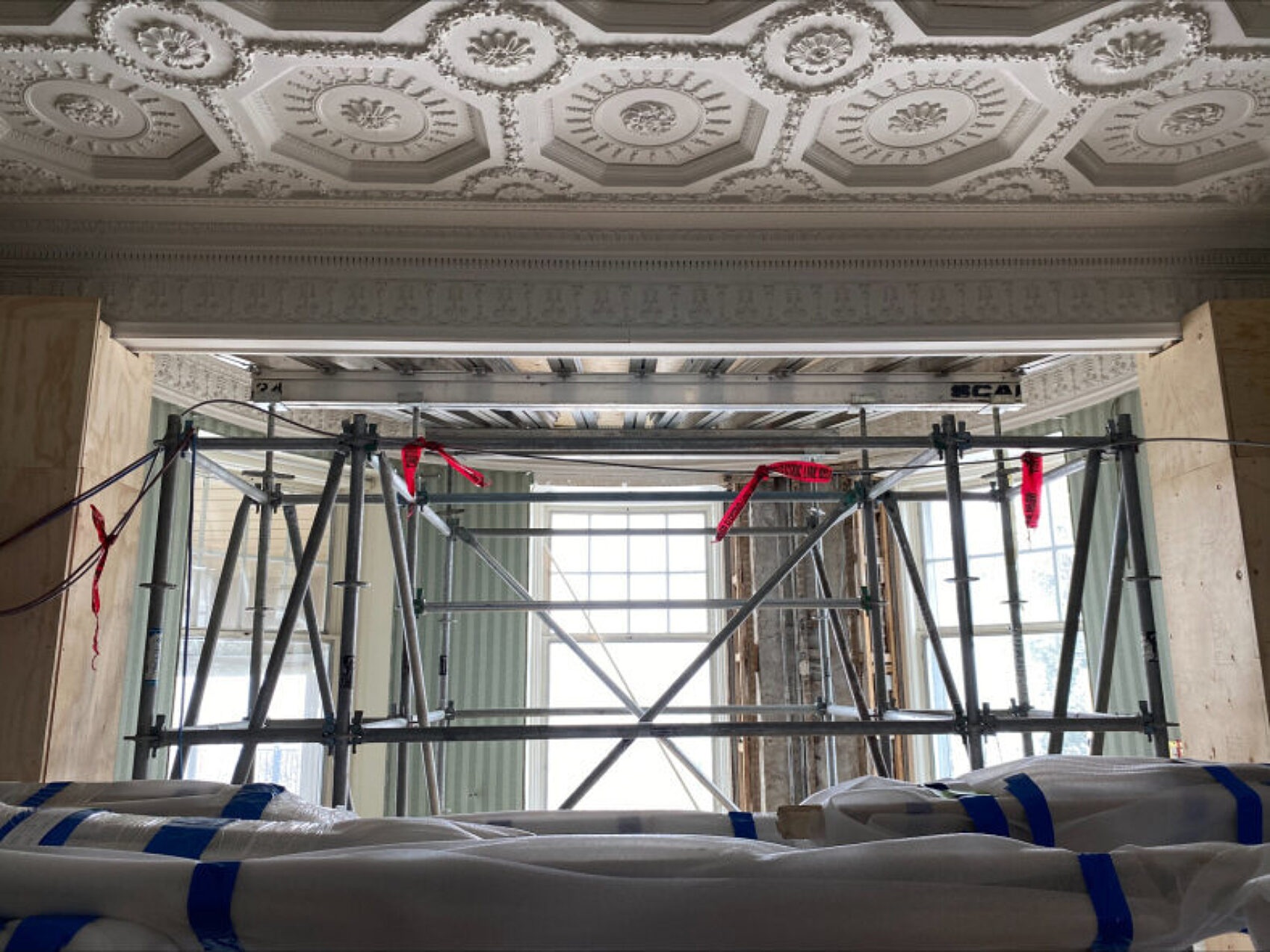
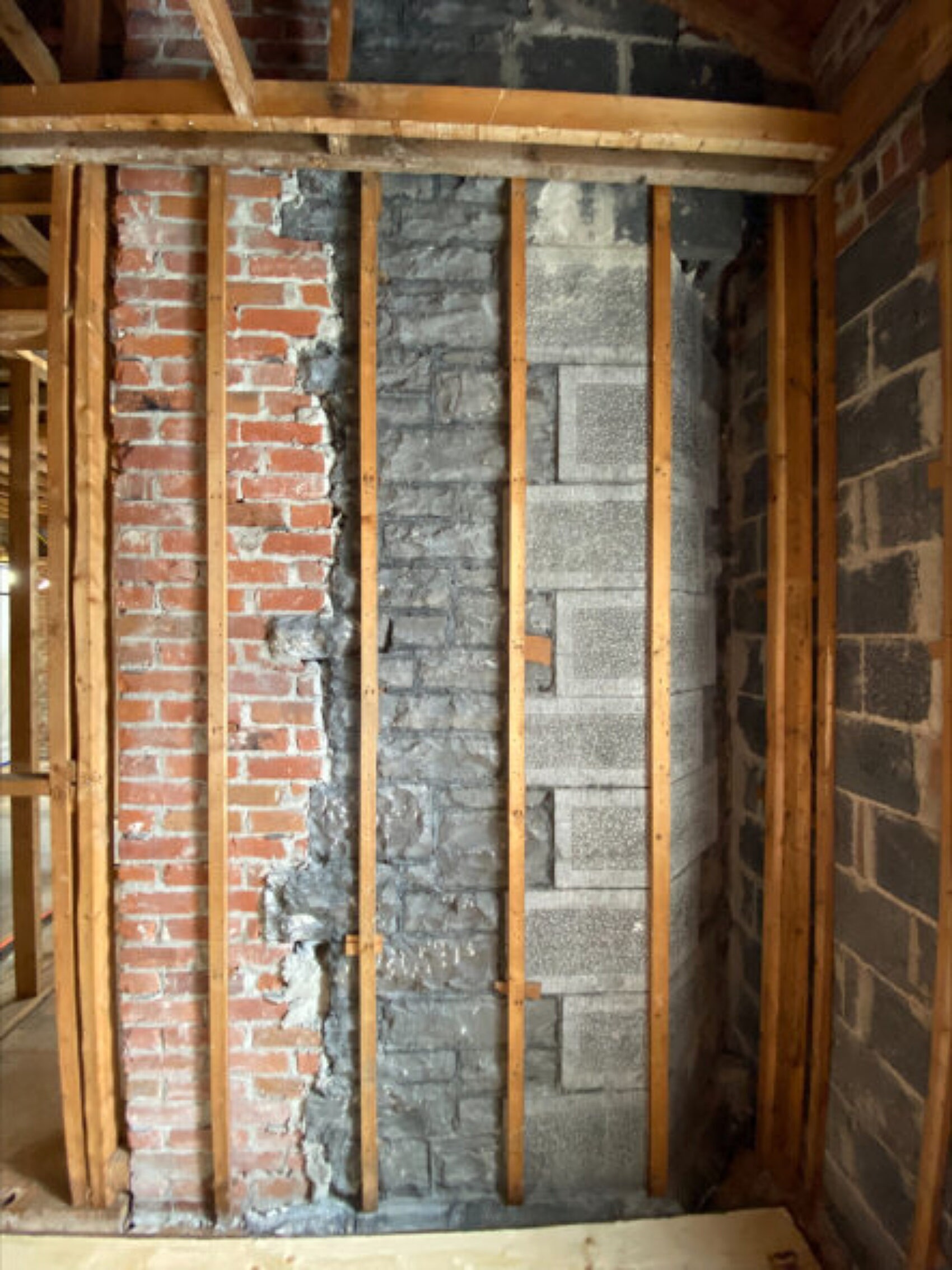
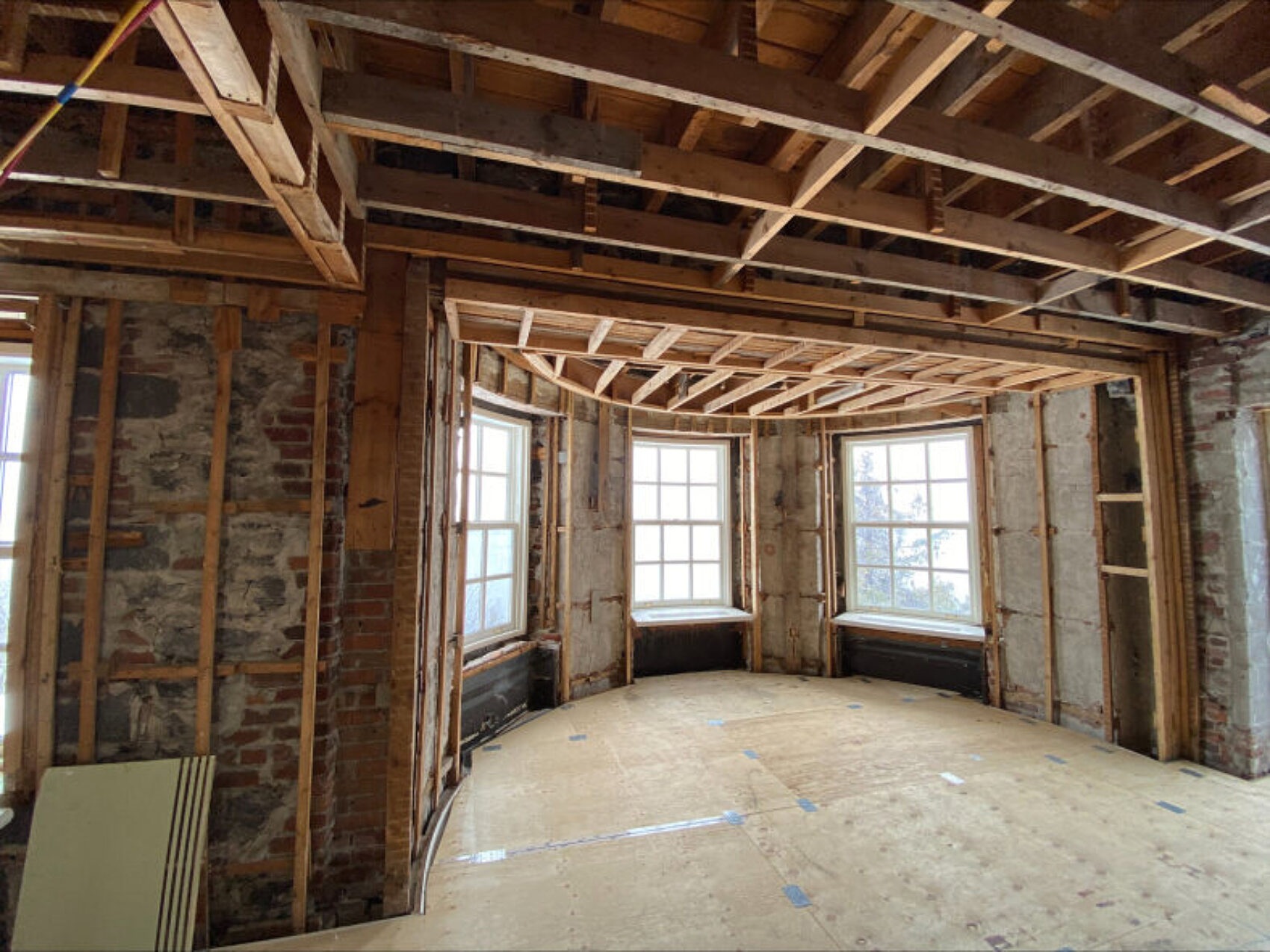
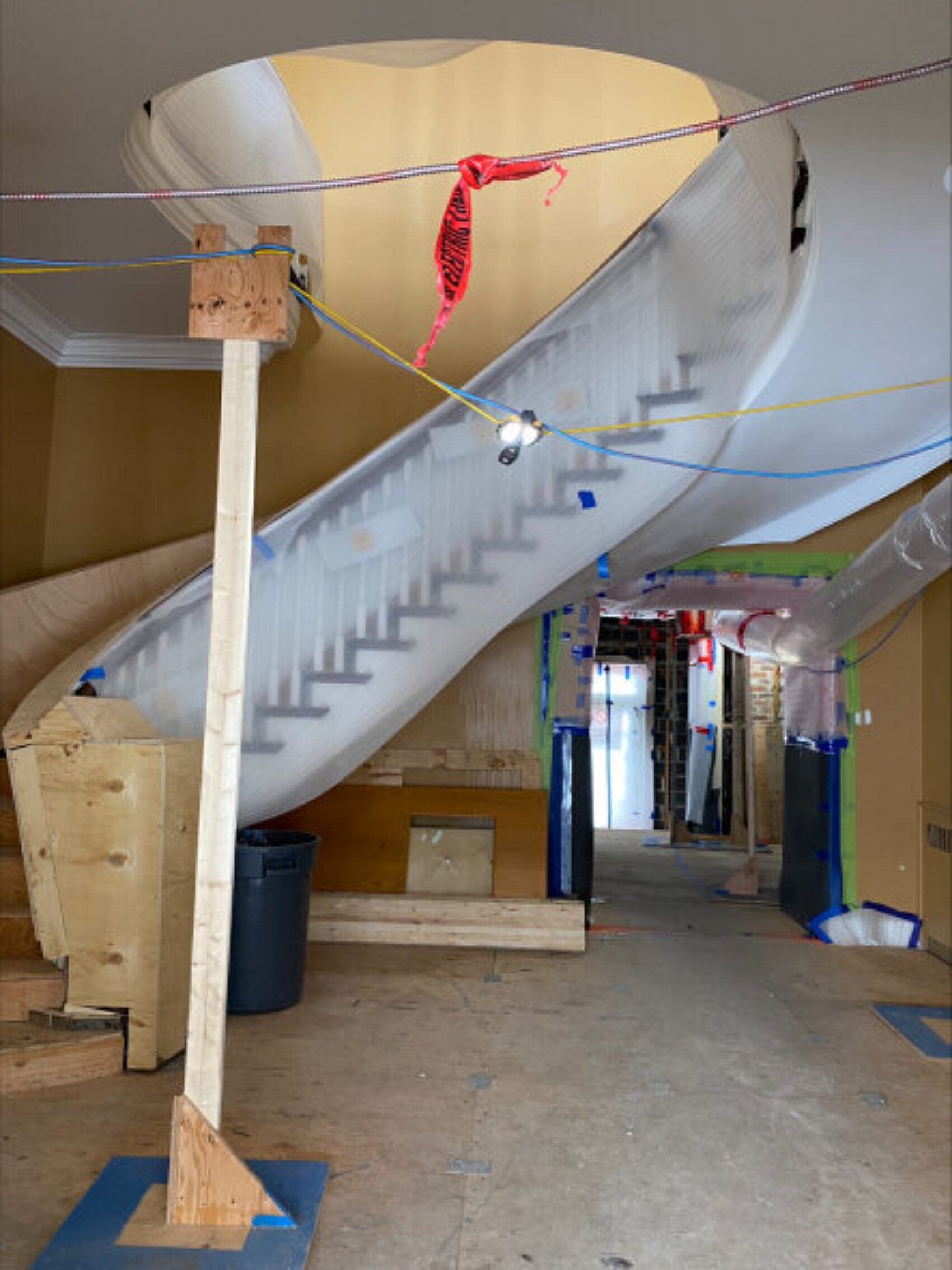
Despite its national importance, 24 Sussex Drive has not received a comprehensive rehabilitation since its conversion into the prime minister’s official residence more than 75 years ago.
Over time, deferred maintenance and ageing building systems contributed to its deteriorating condition. In 2015, Prime Minister Justin Trudeau chose to live at Rideau Cottage rather than move into the residence, and subsequent prime ministers have also lived at Rideau Cottage.
The building’s condition led to a wider debate about its future. Should Canada restore the existing residence, substantially reconstruct it, or consider an alternative arrangement for the prime minister’s official home?
For heritage advocates, the case for conservation rests on more than nostalgia. The building has acquired cultural significance through its history, its association with public office, and its place in the national landscape.
For those focused on functionality and cost, the question is whether the existing structure can be adapted efficiently to meet contemporary standards.
There is also an environmental dimension. Retaining and adapting an existing building can avoid some of the material consumption and demolition waste associated with replacement construction. However, the environmental outcome depends on the building’s condition, the scope of intervention, and the performance of the completed project.
The debate is therefore not simply about whether old architecture should be saved. It is about how heritage value, public expenditure, operational needs, and environmental responsibility can be assessed together.
6. The 2026 Restoration Initiative: A New Chapter
On June 26, 2026, Prime Minister Mark Carney announced a national design-and-build competition to rehabilitate and modernise 24 Sussex Drive.
The stated objective is to restore the property as a secure, accessible, sustainable, and functional official residence and working venue, while preserving its defining heritage character.
The process is intended to bring Canadian architectural, engineering, construction, and heritage expertise into a nationally significant public project. The Royal Architectural Institute of Canada is providing advice on the competition framework, while an independent jury chaired by architect Moshe Safdie will assess proposals and recommend a winning design to Cabinet.
The selected team will be responsible for both design and construction. The winning proposal is expected to be announced by Canada Day, July 1, 2027.
The initiative also includes a national fundraising campaign led by the Rideau Hall Foundation, with the goal of raising all or most of the project’s cost.
As of October 2026, the competition remains underway. A final design, confirmed project budget, and completed restoration should not be assumed at this stage.
From an architectural perspective, the competition offers an opportunity to reconsider how a historic residence can function as a contemporary public institution without losing the qualities that make it distinctive.
The most successful outcome will need to balance conservation with practical performance. Accessibility, energy efficiency, building services, security, and spatial organisation must be addressed alongside the preservation of heritage character.
7. Lessons for Architects and Designers
The future of 24 Sussex Drive offers several useful lessons for the wider architectural profession.
First, maintenance is part of conservation. Heritage buildings cannot depend on occasional emergency interventions. Regular inspections, planned maintenance, and timely upgrades are essential to protecting their long-term value.
Second, adaptive reuse requires an understanding of the original building and its changing needs. A historic structure should not be treated as a static object. Its continued use may require new services, improved circulation, and revised spatial relationships, all designed with sensitivity to its heritage significance.
Third, sustainability should extend beyond new construction. The retention of existing structures, responsible material choices, and improvements in building performance should be considered together when assessing the environmental impact of a project.
Fourth, context matters as much as the building itself. The Ottawa River setting, the surrounding historic landscape, and the site’s Indigenous histories all contribute to the meaning of 24 Sussex Drive. A successful intervention should acknowledge these layers rather than focus exclusively on the house’s exterior.
Finally, public buildings require long-term stewardship. Their significance extends beyond the tenure of any single occupant or government. Decisions made today will shape how future generations experience the country’s architectural and political heritage.
Conclusion: Preserving the Past While Designing for the Future
24 Sussex Drive is an architectural story about change, responsibility, and the relationship between buildings and national identity.
Its significance lies not in an untouched original design, but in the layers of history that have accumulated since 1868. The residence has evolved from a private nineteenth-century house into a nationally recognised symbol of public office, and it now faces the challenge of becoming functional again without losing its historical meaning.
The restoration initiative announced in 2026 creates an opportunity to address long-standing maintenance problems and reconsider the residence’s role in contemporary Canada. The outcome will depend on how successfully the project reconciles heritage conservation, modern building performance, accessibility, sustainability, and public accountability.
For the architectural community, the broader lesson is clear: preserving a historic building is not simply about keeping its walls standing. It is about understanding its significance, maintaining its usefulness, and making thoughtful decisions about the changes it needs to survive.
As the competition progresses, 24 Sussex Drive will remain an important example of the difficult but necessary conversation between heritage and modernisation.
Its next chapter could demonstrate how a historic building can remain relevant—not by resisting every change, but by ensuring that each change respects the values that make the building worth preserving.