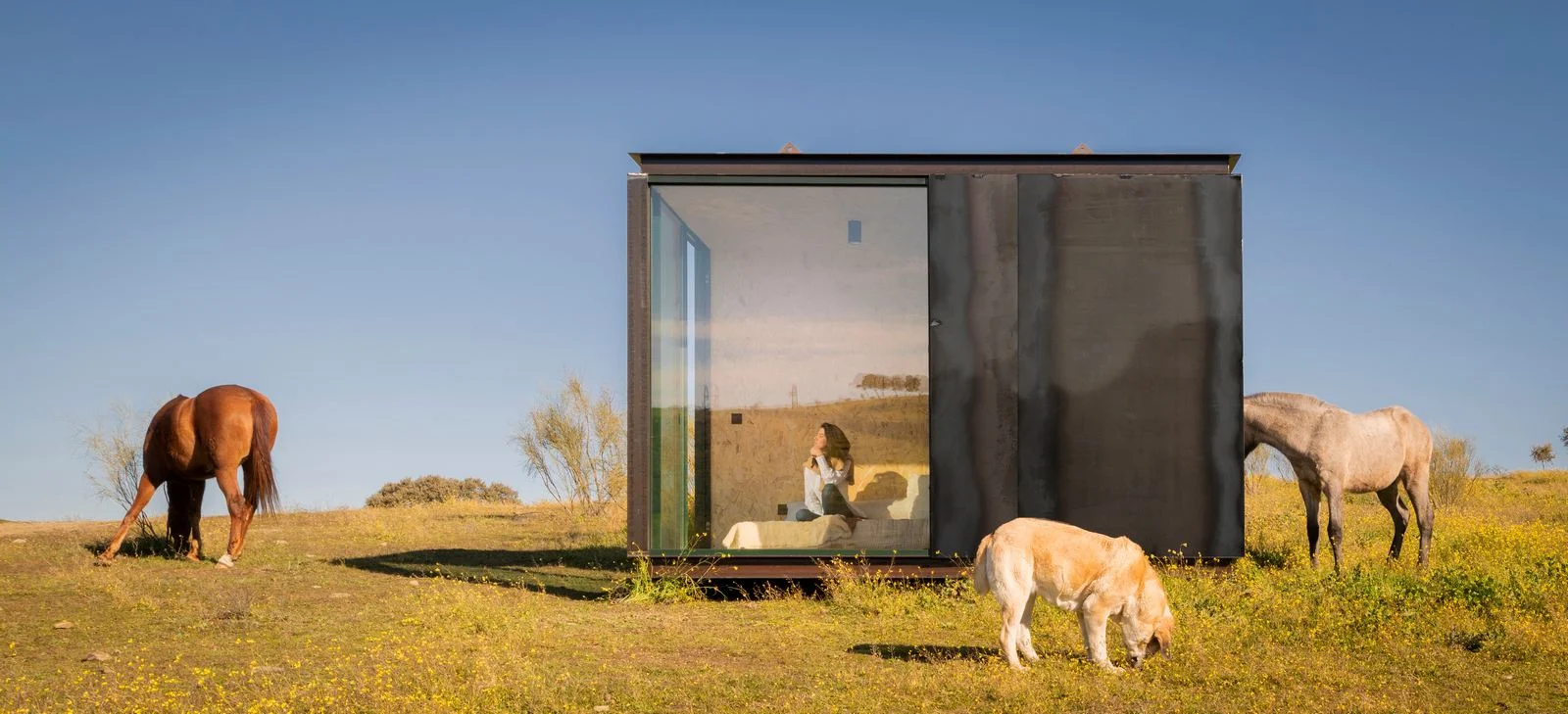
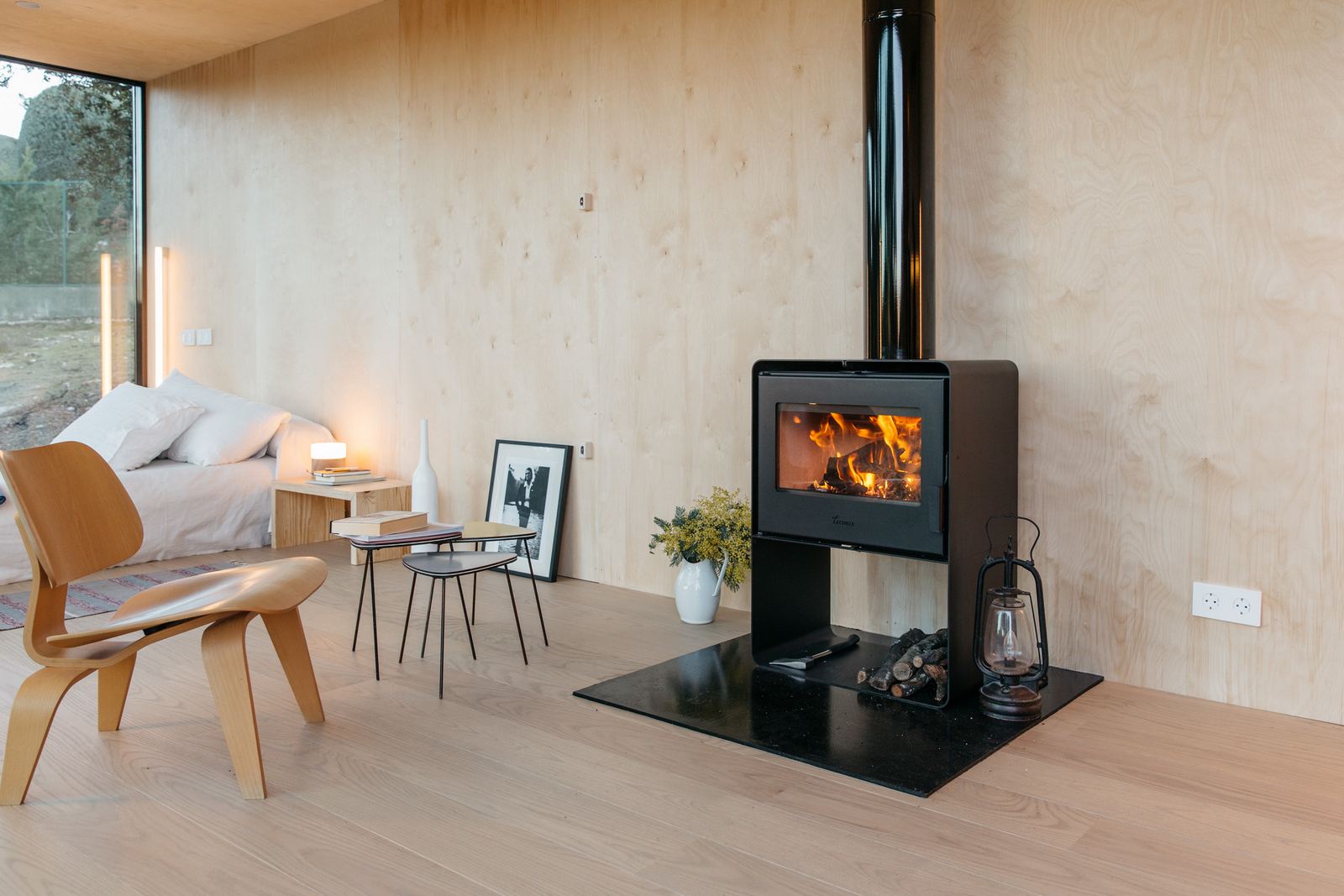
Photographer: Amores pictures
What if less space could actually mean more freedom?
That’s the question at the heart of tiny house living—a lifestyle movement that is quietly reshaping modern ideas about home, ownership, and happiness. In a world where bigger has long been seen as better, tiny homes challenge that notion by proving that thoughtful design can make even the smallest spaces feel abundant.
From minimalists and digital nomads to families seeking financial independence, more people are turning toward compact living—not as a compromise, but as a conscious choice.
What Is Tiny House Living?
Tiny house living typically refers to homes that are under 400 square feet, designed to maximize efficiency without sacrificing comfort. These homes can be stationary or mobile, often built on trailers, allowing for flexibility and mobility.
But beyond size, it’s really about intentional living—keeping what matters and letting go of what doesn’t.
Why People Are Choosing Tiny Homes
The rise of tiny house living isn’t accidental. It reflects deeper shifts in how people think about money, sustainability, and lifestyle.
1. Financial Freedom
Tiny homes are significantly more affordable than traditional houses. With lower construction costs and minimal maintenance, many homeowners can live mortgage-free or drastically reduce their debt.
2. Simplicity and Minimalism
Living in a smaller space encourages people to declutter and prioritize essentials. This often leads to less stress and a stronger focus on experiences over possessions.
3. Environmental Impact
Tiny homes consume fewer resources—from building materials to daily energy use. Many are designed with solar panels, composting toilets, and rainwater systems, making them eco-friendly alternatives.
4. Flexibility and Mobility
For those built on wheels, tiny homes offer the freedom to move locations—whether chasing better weather, new opportunities, or simply a change of scenery.
Challenges of Tiny House Living
While the lifestyle is appealing, it’s not without its challenges.
Limited Space
Storage can be a constant struggle, especially for families or people with many belongings.
Zoning and Legal Issues
Not all cities allow tiny homes, particularly mobile ones. Regulations can vary widely depending on location.
Lifestyle Adjustment
Downsizing requires a mental shift. Letting go of possessions and adapting to smaller living areas can take time.
Privacy Concerns
Shared or compact spaces can make privacy more difficult, especially with multiple occupants.
Is Tiny Living Right for You?
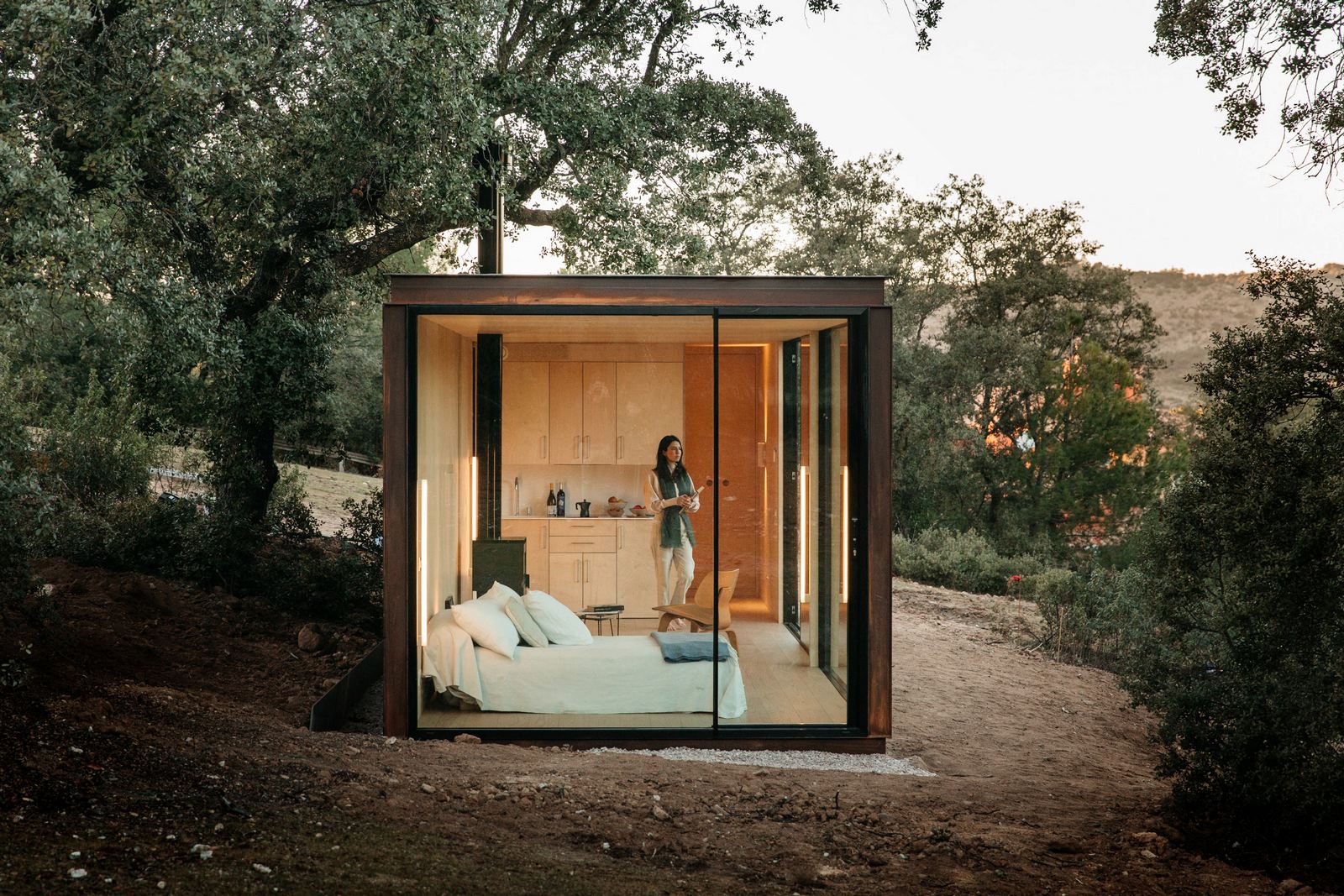
Tiny house living works best for people who value flexibility, simplicity, and conscious consumption. It’s less about the structure itself and more about the mindset behind it.
Ask yourself:
- Do you value experiences over possessions?
- Are you comfortable living with less space?
- Do you want to reduce financial pressure?
If the answer is yes, tiny living might feel less like a limitation—and more like liberation.
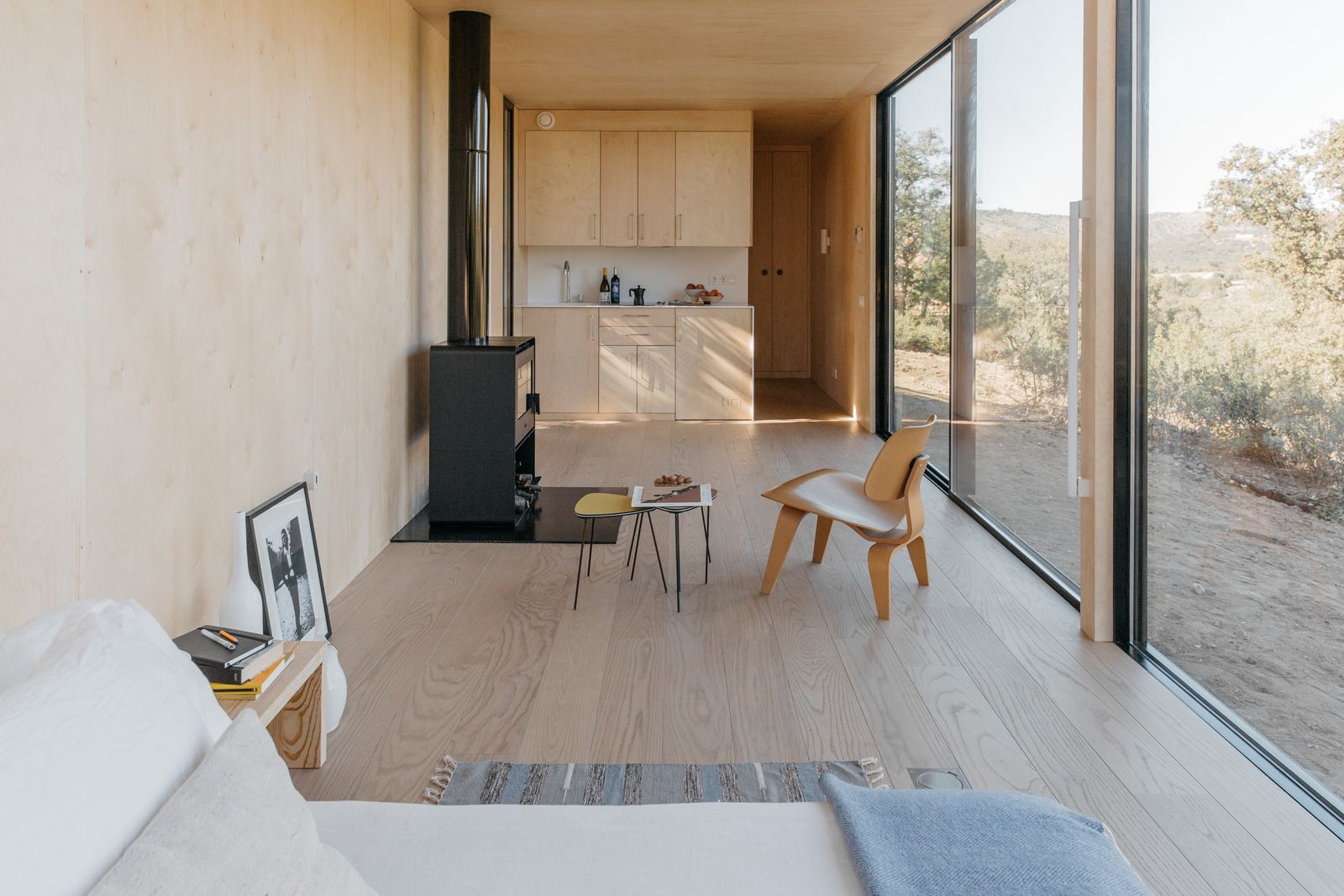
The Future of Small Living
As cities become denser and housing prices continue to rise, tiny homes may play a bigger role in the future of housing. Architects and designers are increasingly exploring compact, modular, and sustainable living solutions that align with this movement.
Tiny house living isn’t just a trend—it’s part of a broader shift toward smarter, more responsible design.
Tiny house living reminds us that a home isn’t defined by its size, but by how well it supports the life you want to live. By focusing on efficiency, sustainability, and intention, these small spaces offer a big idea: sometimes, less really is more.
Whether you’re ready to downsize or simply rethink your relationship with space, the tiny house movement invites you to imagine a different way of living—one that’s lighter, freer, and more meaningful.
Related Article:
Vantara: Inside global wildlife rescue, care and conservation centre
AI in Architecture: Redefining Creativity and Efficiency
Hostile Architecture in India: Urban beauty at the cost of humanity
Experts share simple Vastu principles to fill your home with positive energy and peace
The modern evolution of office interior design: Creating workspaces that inspire productivity
Kinetic Facades: The Future of Sustainable Architecture
Industrial Style: How to Achieve it in Your Home?
Malabar Hill Walkway: A new elevated nature trail in the heart of Mumbai
The Koramangala Club (TKC) – A timeless social landmark in Bengaluru