
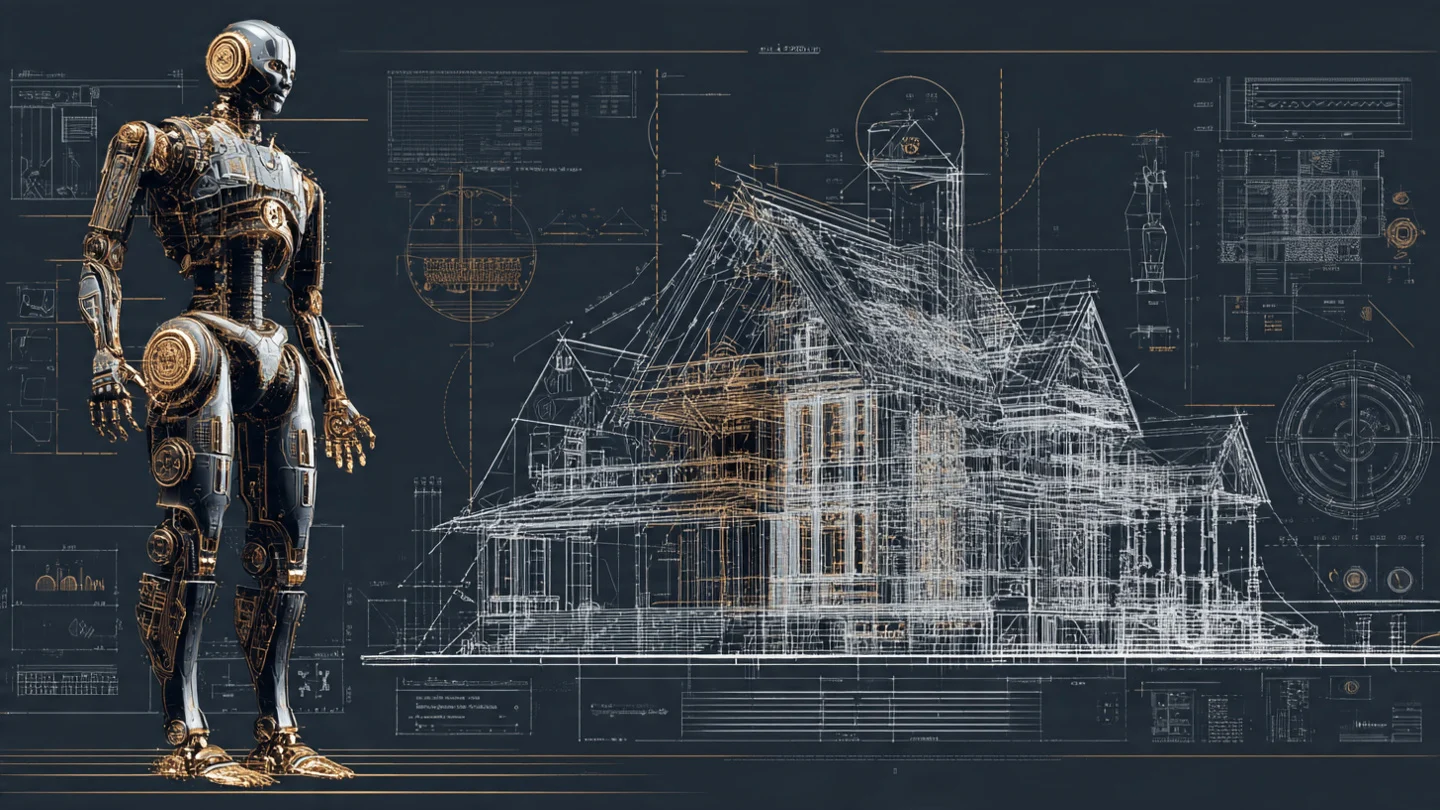
Use of Artificial intelligence (AI) in Architecture & design
The field of architecture has always been a delicate balance between creativity, functionality, and practicality. Architects imagine spaces that inspire and serve human needs, while engineers ensure these designs are feasible and safe. In recent years, a new player has entered this arena, reshaping the way architects conceptualize, design, and even execute projects: Artificial Intelligence (AI).
1. Transforming the Design Process
Traditionally, architectural design has been a labor-intensive process involving sketches, 3D modeling, iterations, and constant feedback loops. AI is now streamlining this process. Generative design algorithms, for instance, allow architects to input constraints like budget, materials, space, and environmental factors. The AI then produces a multitude of design options in a fraction of the time it would take manually. This not only accelerates creativity but also allows architects to explore innovative solutions that might not have been obvious otherwise.

2. Enhancing Sustainability and Efficiency
Sustainability has become a critical aspect of modern architecture. AI can analyze climate data, sunlight patterns, energy efficiency, and airflow to optimize building designs for minimal environmental impact. From predicting energy consumption to suggesting eco-friendly materials, AI tools empower architects to create buildings that are both beautiful and sustainable.
3. Revolutionizing Project Management
AI isn’t limited to design—it’s transforming construction and project management as well. Predictive algorithms can forecast potential delays, budget overruns, or supply chain issues. Robotics and AI-driven machinery can assist in construction, ensuring precision and reducing human error. This integration leads to faster project completion, reduced costs, and safer construction sites.

4. Improving Visualization and Client Interaction
Architects can now present designs using AI-enhanced visualization tools. Virtual reality (VR) combined with AI allows clients to “walk through” a building before it’s constructed. AI can also generate realistic renderings, simulating different lighting conditions, materials, and even human activity within spaces. This makes it easier for clients to understand and approve complex designs, bridging the gap between imagination and reality.
5. Challenges and Ethical Considerations
While AI offers immense potential, it’s not without challenges. Over-reliance on AI may risk creativity being constrained by algorithmic thinking. Ethical concerns about data privacy, biased algorithms, and the replacement of human labor are also crucial discussions in the industry. Architects must use AI as a collaborative tool rather than a replacement for human intuition and creativity.

6. The Future of Architecture with AI
The future of architecture is increasingly intertwined with AI. By blending human creativity with machine intelligence, architects can tackle previously impossible problems—designing smarter, more sustainable, and more human-centric spaces. Far from replacing architects, AI enhances their capabilities, opening up new possibilities for innovation and efficiency.
AI is no longer just a futuristic concept—it’s a transformative tool in architecture. From speeding up the design process to creating sustainable and functional spaces, AI is reshaping how we envision and build the world around us. For architects, embracing AI is less about replacing the human touch and more about amplifying creativity, insight, and impact.




Related Article:
Experts share simple Vastu principles to fill your home with positive energy and peace
The modern evolution of office interior design: Creating workspaces that inspire productivity
Kinetic Facades: The Future of Sustainable Architecture
Industrial Style: How to Achieve it in Your Home?