The Koramangala Club
In a city where neighbourhoods evolve almost every decade, some institutions quietly shape the social memory of a place. The Koramangala Club (TKC) is one such landmark. Established in 1976, the club has grown alongside Bengaluru’s transformation from a laid-back garden city into India’s technology capital. Yet, despite the rapid urban development around it, the club continues to hold onto its original purpose — building community.
Key Facts at a Glance
- Established: 1976
- Location: 6th Block, Koramangala, Bengaluru
- Architects (Expansion): SDeG (Sujit Nair & team)
- Owners / Managing Committee: Club-led committee overseeing facilities & development
- Volunteer Architects / Designers: Past club members including G.K. Ravikumar (IIT architect) for expansions
- Membership Base: 3,500+ members
- Auditorium Capacity: Approx. 250 seats
- Facilities: Sports courts, swimming pool, gym, dining, banquet halls
- Type: Members-only residential family club

A Legacy That Grew with the Neighbourhood
When Koramangala was still emerging as a residential layout, the idea behind the club was simple: create a shared recreational space for families. Over the years, that vision expanded. Today, with a membership base exceeding 3,500 individuals, the club stands as one of South-East Bengaluru’s most established residential family institutions.
What makes its journey remarkable is not just longevity, but continuity. Generations of families have remained connected to the club, returning not just for facilities, but for familiarity.
Architecture & Spatial Planning
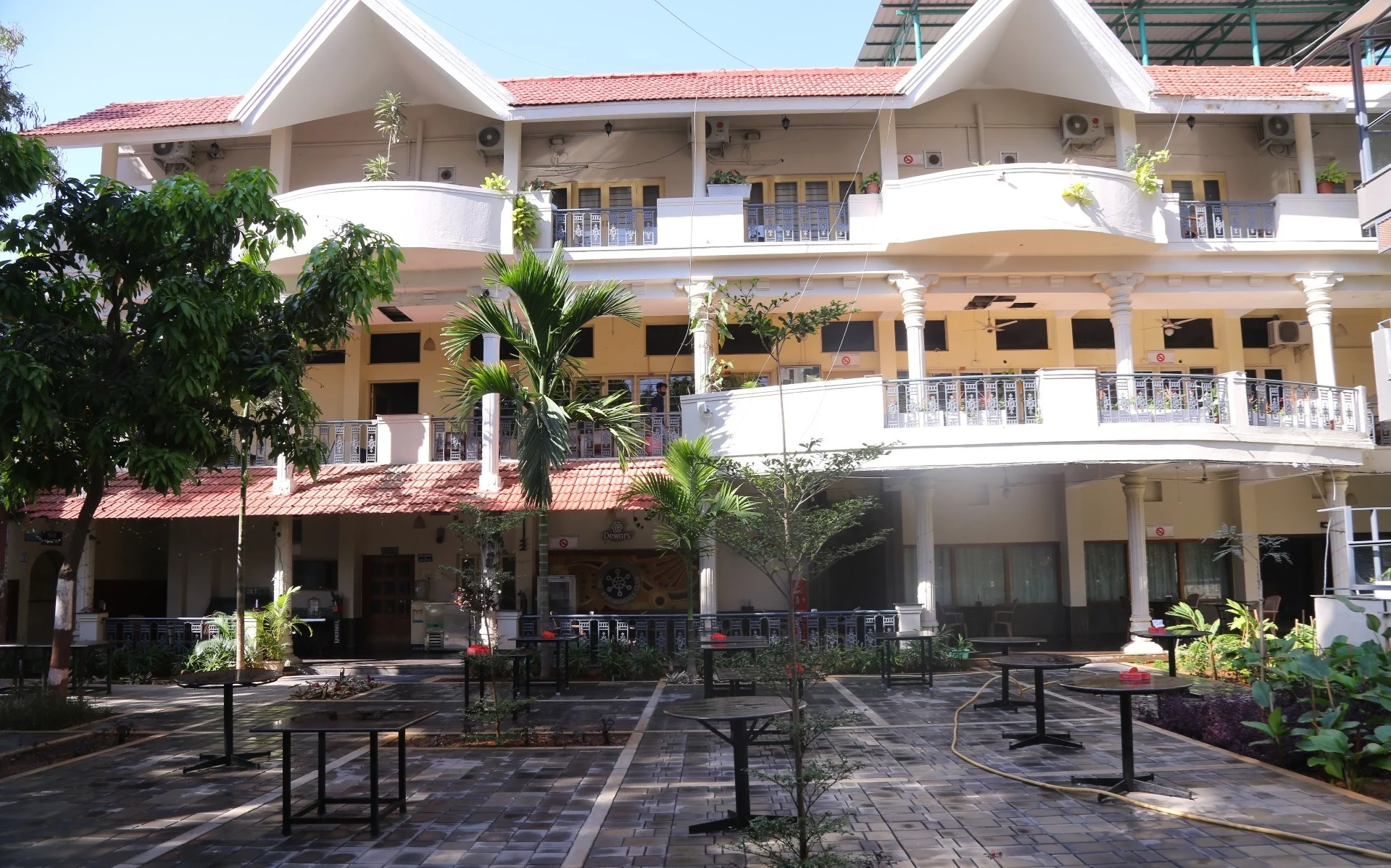
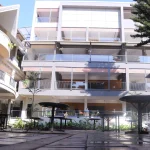
The design of Koramangala Club reflects functional clarity rather than flamboyance. The campus is thoughtfully zoned, ensuring that high-energy sports areas do not interfere with quieter dining or event spaces. Landscaped pockets break the built mass, allowing natural light and ventilation to soften the environment.
Its architecture does not chase trends. Instead, it prioritizes usability — a quality that has allowed the club to remain relevant over four decades. From a planning perspective, it serves as a good example of community-focused recreational infrastructure within dense urban fabric.

Sports & Everyday Recreation
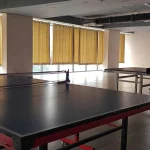
At its core, the club thrives on activity. The swimming pool remains one of its most vibrant zones, especially during mornings and weekends. Tennis and badminton courts attract both serious players and casual enthusiasts, while the gymnasium and aerobics facilities cater to the growing interest in fitness.
Wellness amenities such as steam, sauna, and massage services further enhance the daily appeal of the club. Unlike event-centric venues, Koramangala Club functions as an everyday lifestyle extension for its members.
Social Spaces & Cultural Life
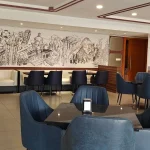
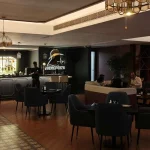
Beyond sports, the club plays a vital social role. Dining areas often double as informal networking spaces. Card rooms host long-running rummy and bridge circles. Festival celebrations and cultural evenings create opportunities for shared experiences.
In a fast-paced IT corridor, where professional life can be intense, the club provides a neutral social ground — a place where business conversations blend seamlessly with personal connections.

Events, Celebrations & Banquet Facilities
The club is also a preferred venue for private and corporate events. With a 250-seat auditorium, multiple banquet halls, and open lawn spaces, it accommodates weddings, milestone celebrations, conferences, and community gatherings.
Guest rooms within the premises add to its convenience, especially for members hosting out-of-town visitors. The flexibility of these spaces strengthens the club’s position as both a recreational and event destination.
Membership & Community Structure
The Koramangala Club (TKC) operates as a members-only institution, with categories including resident, non-resident, corporate, and temporary memberships. This structured system ensures that the club retains its community-driven ethos rather than becoming a purely commercial establishment.
Membership often reflects long-term association. Many individuals who once visited as children now return with their own families — a testament to the club’s generational continuity.

Relevance in Modern Bengaluru
Koramangala today is known for its startups, cafés, and commercial vibrancy. Amid this energetic landscape, the club acts as a stabilizing presence. It bridges old Bengaluru’s traditional club culture with the lifestyle expectations of a modern professional city.
While it continues to upgrade and adapt, its essence remains unchanged — fostering belonging over branding, relationships over transactions.
The Koramangala Club (TKC) is more than a recreational campus; it is a living social ecosystem. It represents how thoughtfully designed community spaces can endure urban shifts and demographic changes. In a city that constantly reinvents itself, such institutions provide continuity.
For architects, urban observers, and residents alike, The Koramangala Club (TKC) stands as a reminder that the strength of a city lies not just in its infrastructure, but in its shared spaces.


Related Article:
Vantara: Inside global wildlife rescue, care and conservation centre
AI in Architecture: Redefining Creativity and Efficiency
Hostile Architecture in India: Urban beauty at the cost of humanity
Experts share simple Vastu principles to fill your home with positive energy and peace
The modern evolution of office interior design: Creating workspaces that inspire productivity
Kinetic Facades: The Future of Sustainable Architecture
Industrial Style: How to Achieve it in Your Home?
Malabar Hill Walkway: A new elevated nature trail in the heart of Mumbai