
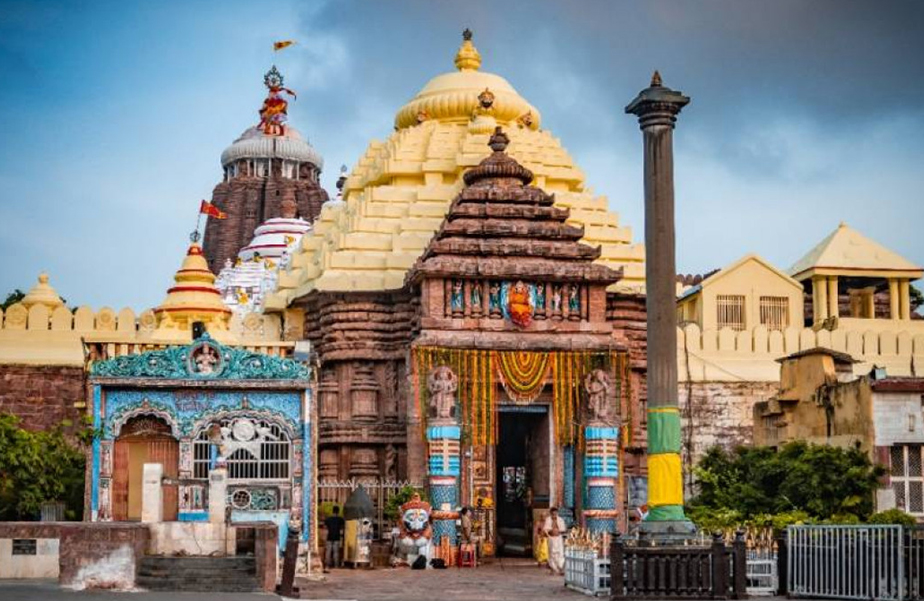
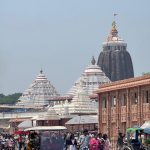
The Shree Jagannath Temple in Puri, Odisha, is one of India’s most revered temples and an extraordinary example of Kalinga architecture. Situated on the eastern coast overlooking the Bay of Bengal, this 12th-century temple is not only a major pilgrimage destination but also a remarkable achievement in medieval Indian architecture and engineering. Dedicated to Lord Jagannath, a form of Lord Vishnu, along with his siblings Lord Balabhadra and Goddess Subhadra, the temple has remained the spiritual heart of Odisha for centuries.
Beyond its religious significance, the temple attracts architects, historians, conservationists, and travelers from across the world who admire its magnificent stone construction, symbolic design, and rich cultural heritage.
Key Facts:
- Location: Puri, Odisha, India
- Temple Type: Hindu Temple
- Dedicated to: Lord Jagannath, Balabhadra, and Subhadra
- Constructed: 12th Century CE
- Built By: King Anantavarman Chodaganga Deva
- Architectural Style: Kalinga Architecture (Rekha Deula)
- Height of Main Temple: Approximately 65 metres (214 feet)
- Primary Building Material: Khondalite Stone
- Temple Complex: Spread over nearly 400,000 square feet
- Main Festival: Rath Yatra (Chariot Festival)
- Significance: One of the Char Dham pilgrimage sites in India
- Management: Shree Jagannath Temple Administration (SJTA)
A Brief History of Shree Jagannath Temple
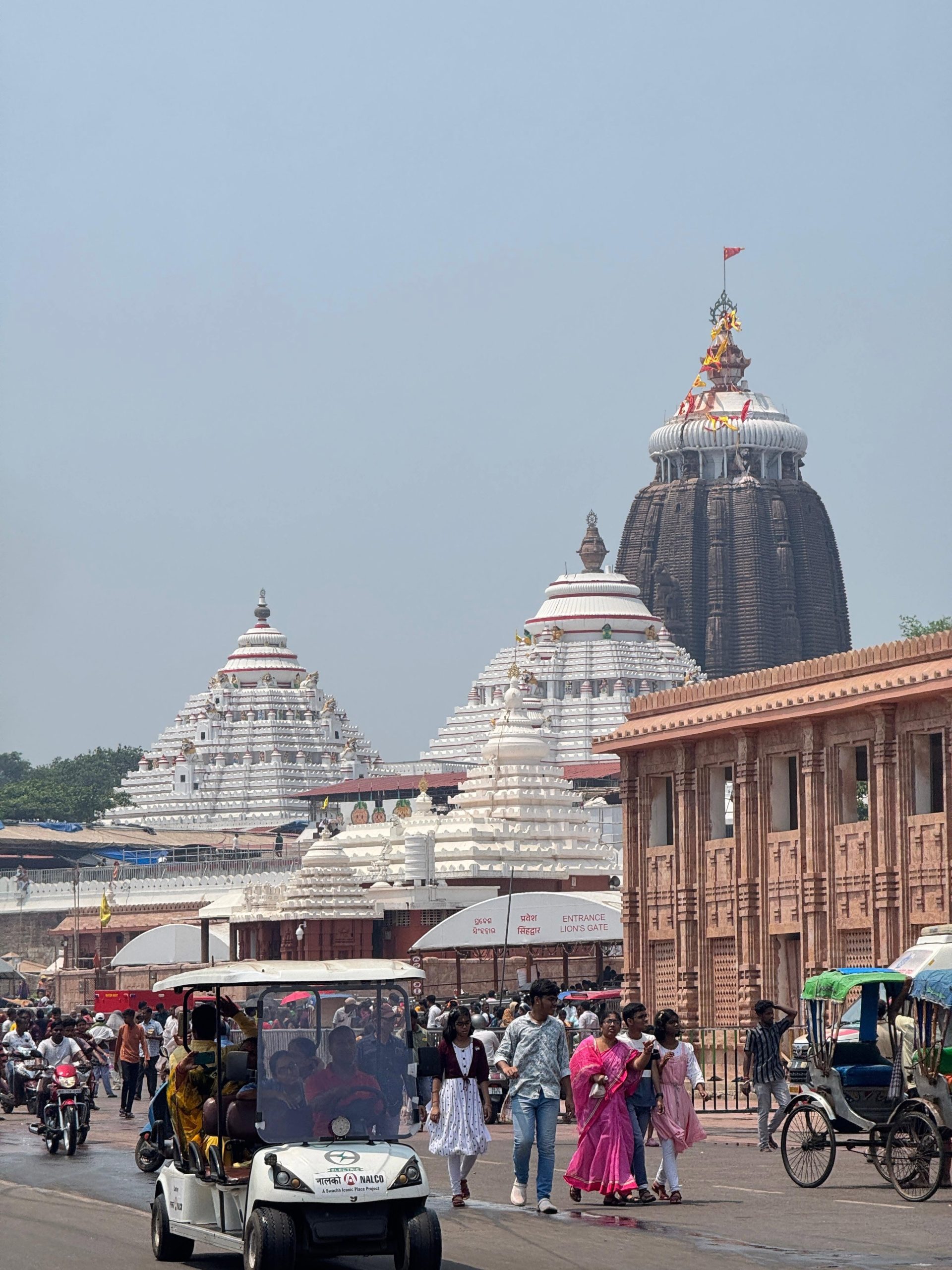
The history of the Shree Jagannath Temple dates back to the early 12th century when King Anantavarman Chodaganga Deva of the Eastern Ganga Dynasty initiated its construction. Although legends trace the worship of Lord Jagannath to ancient times and connect it with King Indradyumna, the present temple structure was built during the reign of the Eastern Ganga rulers. Over the centuries, successive kings contributed to its expansion, preservation, and rituals, making it one of the most important religious centres in India.
Despite invasions, natural disasters, and political changes, the temple has continued to function as a living place of worship, preserving traditions that have been followed for hundreds of years.
The Beauty of Kalinga Architecture
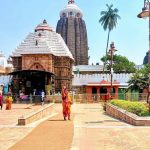
The Shree Jagannath Temple is considered one of the finest surviving examples of Kalinga architecture, a distinctive architectural style that flourished in present-day Odisha between the 7th and 13th centuries. This style is known for its towering curvilinear spires, intricately carved stone surfaces, symmetrical layouts, and monumental gateways.
Unlike many other temple styles found across India, Kalinga architecture emphasizes vertical proportions, sculptural richness, and carefully planned spatial hierarchy. Every section of the temple reflects remarkable craftsmanship, making it an invaluable study for architects and historians alike.
The Grand Temple Complex
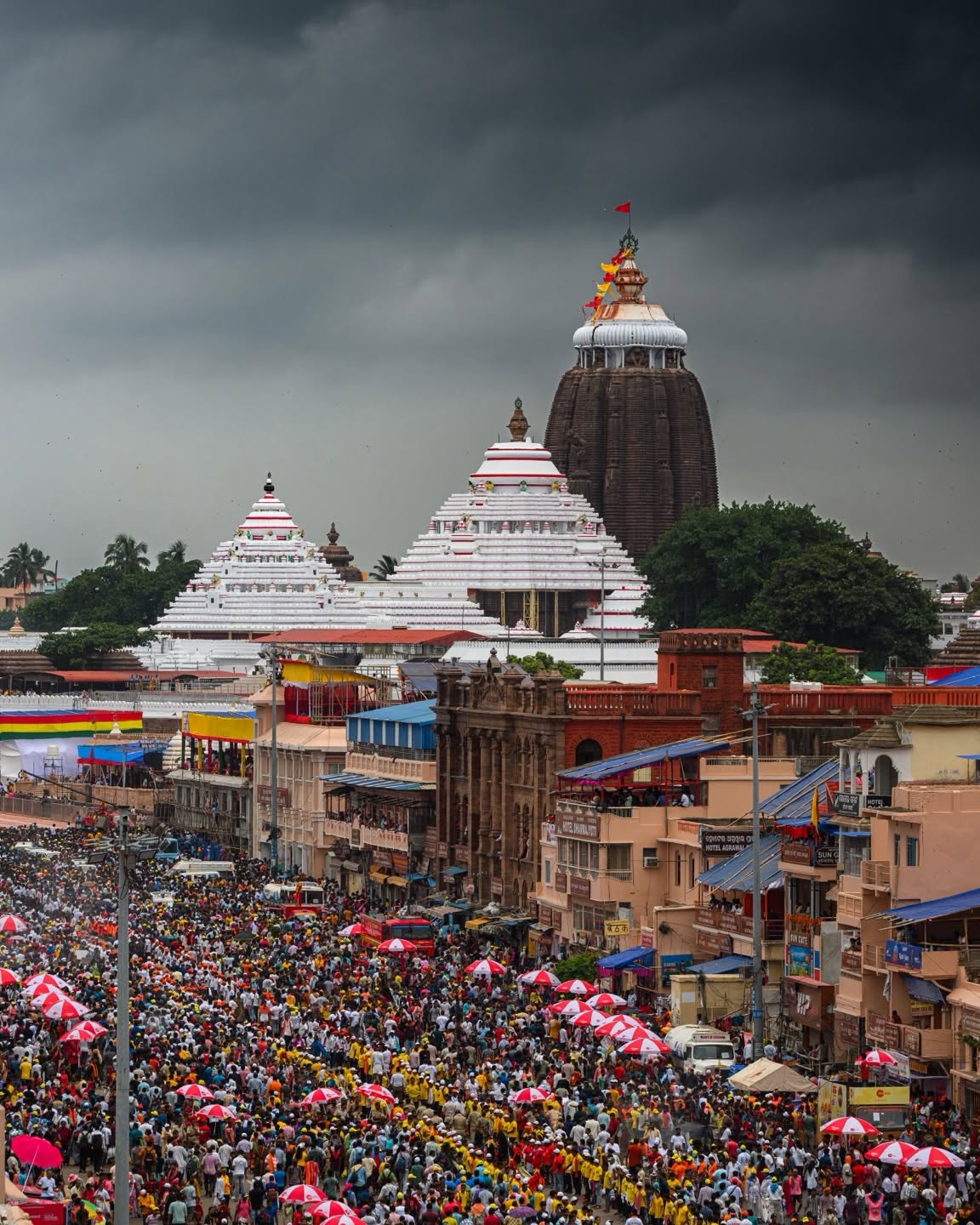
The temple complex is enclosed by massive fortified walls and houses more than a hundred smaller shrines and sacred structures. At its centre stands the main temple, surrounded by courtyards, ceremonial halls, kitchens, and religious spaces that serve both ritualistic and practical purposes.
The layout of the complex follows a precise east-west alignment, ensuring that every structure connects harmoniously with the main sanctum. This thoughtful planning demonstrates the advanced architectural knowledge possessed by medieval temple builders.
The Majestic Main Tower
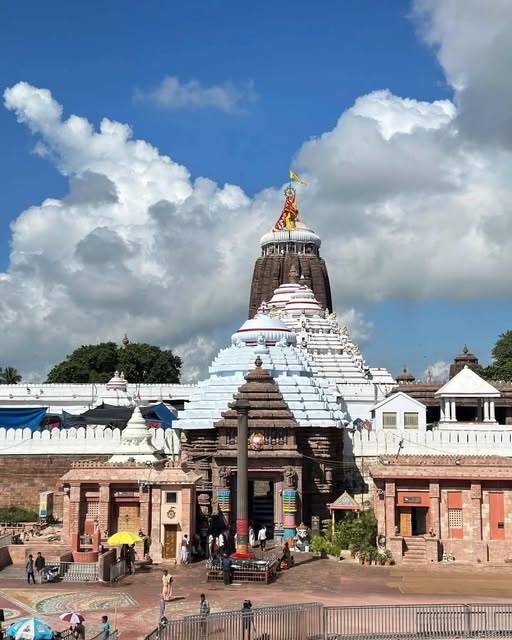
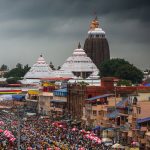
One of the most striking features of the temple is its towering Shikhara, or temple spire, which rises approximately 65 metres (214 feet) above the surrounding landscape. The massive stone tower dominates the skyline of Puri and serves as a visual landmark for pilgrims approaching the sacred city.
Constructed entirely from carefully cut stone blocks without modern cement, the tower showcases exceptional engineering skills. At its summit sits the famous Neelachakra, an eight-spoked wheel made of an alloy of eight metals, above which the sacred temple flag is changed every day following centuries-old traditions.
The Four Main Structures of the Temple
The architectural planning of the Jagannath Temple revolves around four interconnected structures, each serving a specific religious function.
Vimana (Sanctum Sanctorum)
The Vimana is the tallest and most sacred part of the temple. It houses the wooden idols of Lord Jagannath, Lord Balabhadra, and Goddess Subhadra. The soaring curvilinear tower above the sanctum is a defining characteristic of Kalinga architecture and symbolizes the connection between the earthly and the divine.
Jagamohana (Assembly Hall)
Positioned directly in front of the sanctum, the Jagamohana serves as the main prayer hall where devotees gather for worship. Its pyramidal roof, built in the traditional Pidha Deula style, complements the towering sanctum while maintaining architectural balance.
Natamandapa (Festival Hall)
The Natamandapa was traditionally used for devotional music, dance performances, and ceremonial celebrations. This hall reflects the close relationship between temple architecture and Odisha’s classical performing arts.
Bhogamandapa (Offering Hall)
The Bhogamandapa is dedicated to the preparation and offering of food to the deities. It also functions as a gathering space during important religious rituals and festivals.
The Sacred Wooden Deities
Unlike most Hindu temples where the principal deities are carved from stone or metal, the Shree Jagannath Temple is unique because its main idols are made from sacred neem wood. These wooden images represent Lord Jagannath, Balabhadra, and Subhadra in a distinctive artistic form that is instantly recognizable.
At regular intervals determined by sacred astronomical calculations, the idols are ceremonially replaced through the ancient ritual known as Nabakalebara, symbolizing renewal and continuity of divine presence.
The Four Monumental Gates
The temple complex features four magnificent entrance gates positioned in the cardinal directions. Each gate is associated with a symbolic guardian animal and represents different aspects of Hindu philosophy.
The eastern Singhadwara (Lion Gate) serves as the principal entrance for devotees and is the most prominent of all the gateways. The southern Ashwadwara (Horse Gate), western Vyaghradwara (Tiger Gate), and northern Hastidwara (Elephant Gate) complete the fortified enclosure, contributing to the temple’s grandeur and defensive design.
Remarkable Stone Craftsmanship
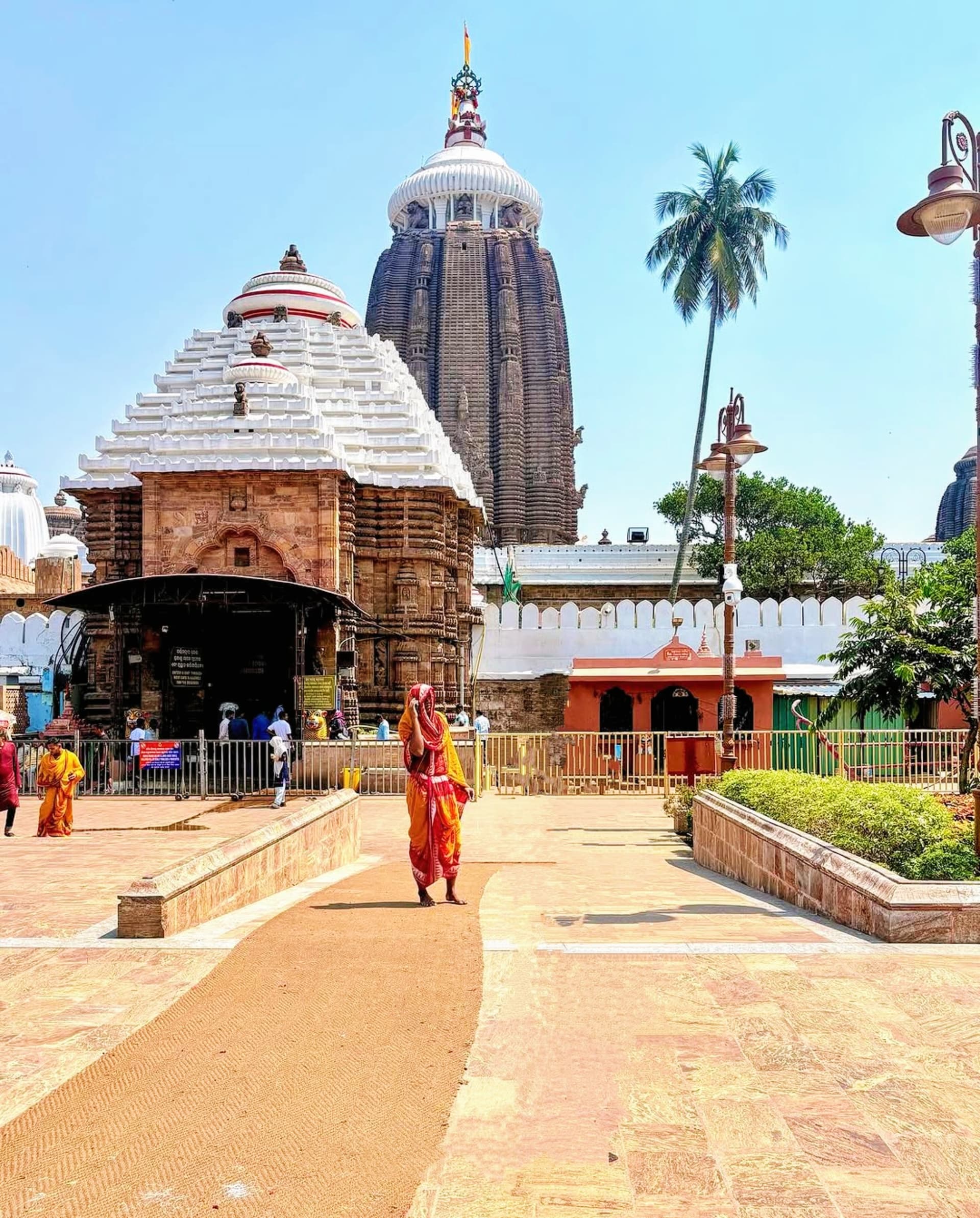
Every surface of the temple displays exceptional stone carving that reflects the artistic excellence of medieval Odisha. The exterior walls are decorated with sculptures of deities, celestial beings, floral patterns, geometric motifs, and ornamental bands that enrich the visual appeal of the monument.
The intricate detailing found throughout the temple demonstrates the extraordinary skill of the artisans who transformed massive blocks of stone into enduring works of art over eight centuries ago.
Engineering Marvel of Medieval India
The Jagannath Temple continues to impress engineers and architects for its sophisticated construction techniques. The temple was built using massive interlocking stone blocks that have remained structurally stable for centuries without the use of reinforced concrete or modern technology.
Its elevated platform, thick walls, carefully proportioned tower, and balanced structural design have enabled the monument to withstand harsh coastal weather conditions and the passage of time. The precision with which each stone was shaped and assembled highlights the remarkable engineering knowledge of the Eastern Ganga period.
The Famous Temple Kitchen
One of the most extraordinary features of the temple is its enormous kitchen, which is considered among the largest functioning temple kitchens in the world. Every day, thousands of devotees receive Mahaprasad, the sacred food offered to Lord Jagannath.
Traditional earthen pots are stacked one above another and cooked over wood-fired stoves using methods that have been preserved for generations. This centuries-old culinary tradition remains an important part of the temple’s living heritage.
Rath Yatra: The Festival That Brings the World to Puri
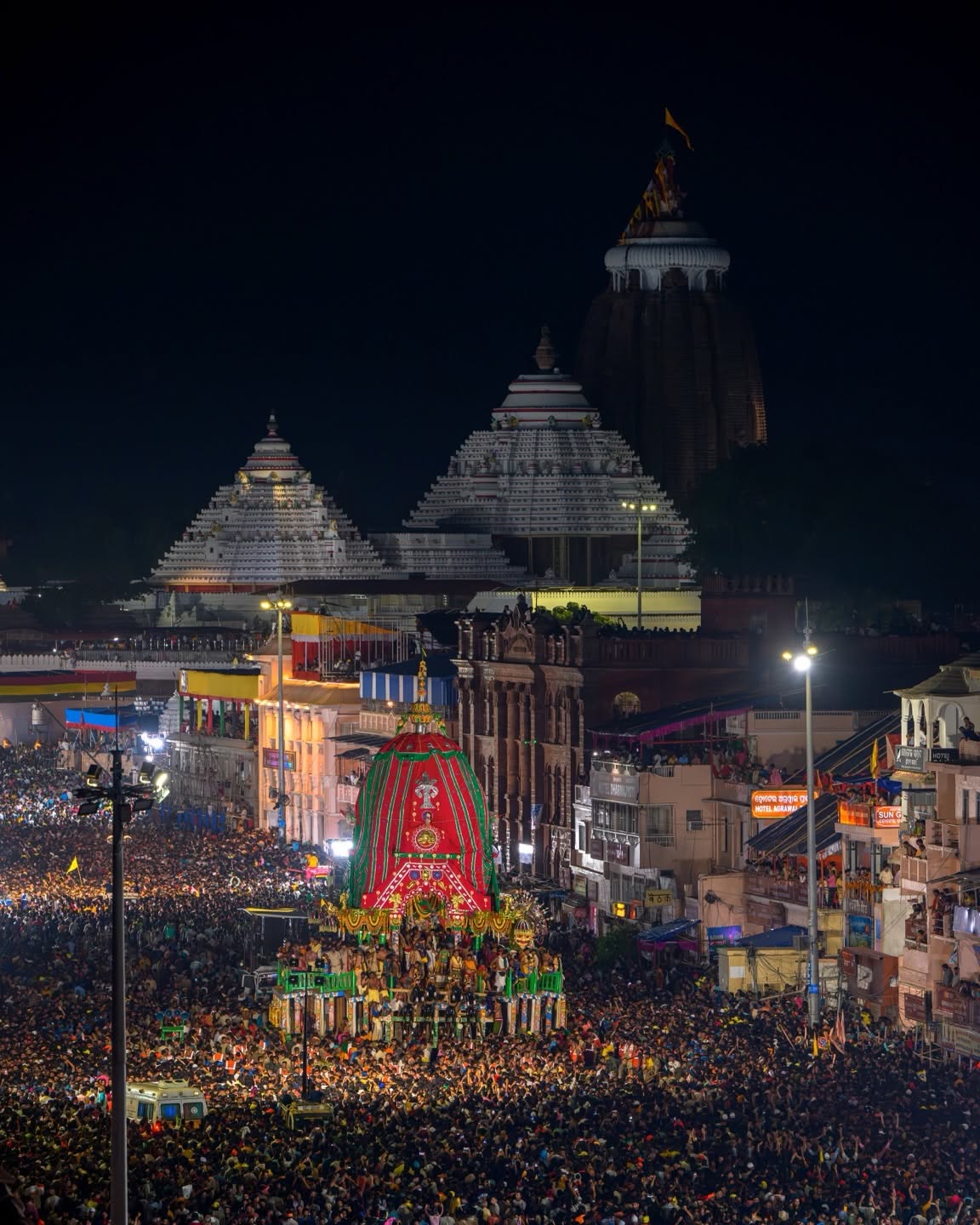
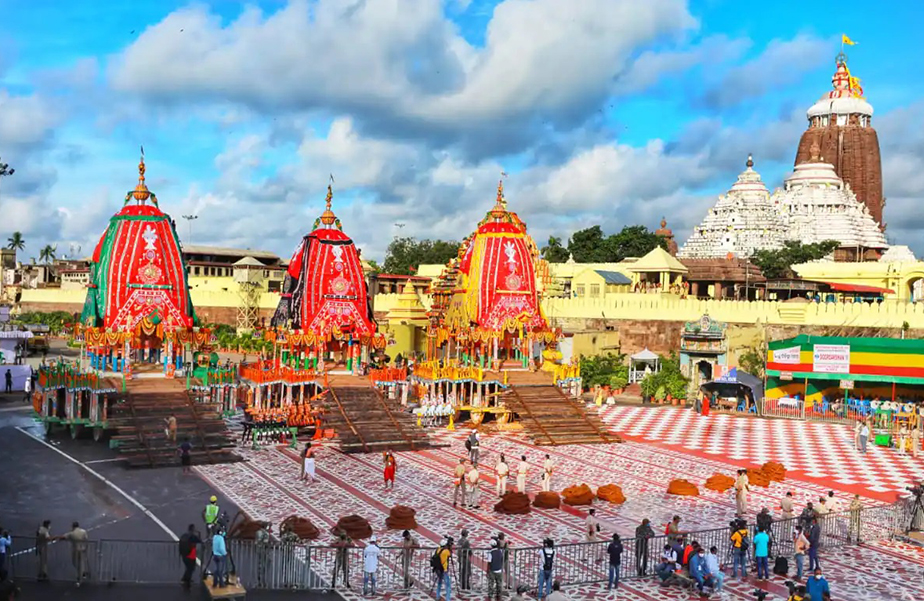
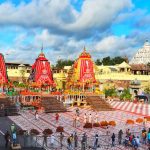
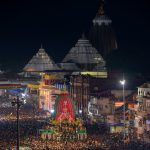
The annual Rath Yatra, or Chariot Festival, is the most famous celebration associated with the temple. During this grand event, the deities are placed on three enormous wooden chariots and pulled through the streets of Puri by millions of devotees.
The chariots are newly built each year by skilled craftsmen following traditional measurements and rituals. This spectacular festival attracts visitors from across India and around the world, making it one of the largest religious gatherings on Earth.
Cultural Importance Beyond Religion
The Shree Jagannath Temple is much more than a place of worship. It is a symbol of Odisha’s cultural identity, artistic heritage, and architectural brilliance. Its traditions have influenced Odia literature, music, dance, festivals, cuisine, and temple architecture for centuries.
The temple also plays a significant role in preserving ancient rituals, craftsmanship, and community traditions, ensuring that its legacy continues to thrive in the modern world.
Why Architects Admire Shree Jagannath Temple
For architects and students of design, the Jagannath Temple serves as an exceptional case study in sacred architecture. Its harmonious proportions, monumental scale, sophisticated structural system, and integration of ritual with spatial planning make it one of India’s greatest architectural achievements.
The temple demonstrates how architecture can successfully combine aesthetics, symbolism, engineering, and functionality within a single monumental complex. Even after more than 800 years, it continues to inspire designers and conservation experts around the world.
Visiting Shree Jagannath Temple
Located in the coastal city of Puri, the temple is easily accessible from Biju Patnaik International Airport in Bhubaneswar, which is approximately 60 kilometres away. Puri Railway Station is situated just a few kilometres from the temple, making rail travel a convenient option for visitors.
The best time to visit is between October and February, when the weather is pleasant for sightseeing. Those wishing to witness the grandeur of the Rath Yatra should plan their visit according to the annual festival calendar, although it is also the busiest period of the year.
The Shree Jagannath Temple stands as one of India’s most magnificent examples of religious architecture, seamlessly blending spirituality, engineering, and artistic excellence. From its towering stone spire and intricately carved walls to its sacred rituals and world-famous Rath Yatra, every aspect of the temple reflects centuries of devotion and craftsmanship. For anyone interested in architecture, history, or cultural heritage, the Jagannath Temple is not merely a monument—it is a living masterpiece that continues to shape India’s architectural and spiritual legacy.
Most Read Articles:
Shri Ram Janmabhoomi Mandir: A timeless confluence of devotion, architecture & cultural heritage
Grand Janki Mandir to Be Built at Punaura Dham Sitamarhi: ₹882.87 Crore Mega Project Announced
Meenakshi Temple: A Living Masterpiece of Indian Architecture
Varanasi International Cricket Stadium: Where Spirituality Meets Sports
Statue of Unity: The World’s Tallest Statue at 182 Metres | A Complete Guide
Shri Kashi Vishwanath Temple: A Timeless Journey into the Spiritual Heart of India
Galteshwar Mahadev Temple: An architectural dialogue between stone, water, and sacred geometry
Leaning Tower of Pisa & Ratneshwar Mahadev Temple: Two timeless leaning wonders of the world
Murudeshwar Temple: A place where the sea, stone, and shiva come together
Tirumala Venkateswara Temple: An Architectural and Spiritual Marvel of South India
Somnath Temple — The Eternal Shrine of Faith, Resilience and Architecture