Photo by Eda Ayan; courtesy of pexels.com
In an era defined by climate anxiety and visual saturation, architecture finds itself at a crossroads. The demand is no longer just for buildings that look good or perform efficiently, but for structures that mean something—ethically, environmentally, and culturally. Out of this tension emerges Eco-Brutalism, a style that fuses the raw honesty of Brutalist architecture with ecological consciousness, producing a paradoxical yet compelling design language.
Eco-Brutalism is not merely a trend; it is a provocation. It asks whether architecture can be simultaneously heavy and humane, austere and alive, uncompromising yet sustainable.
From Brutalism to Eco-Brutalism: A Necessary Evolution
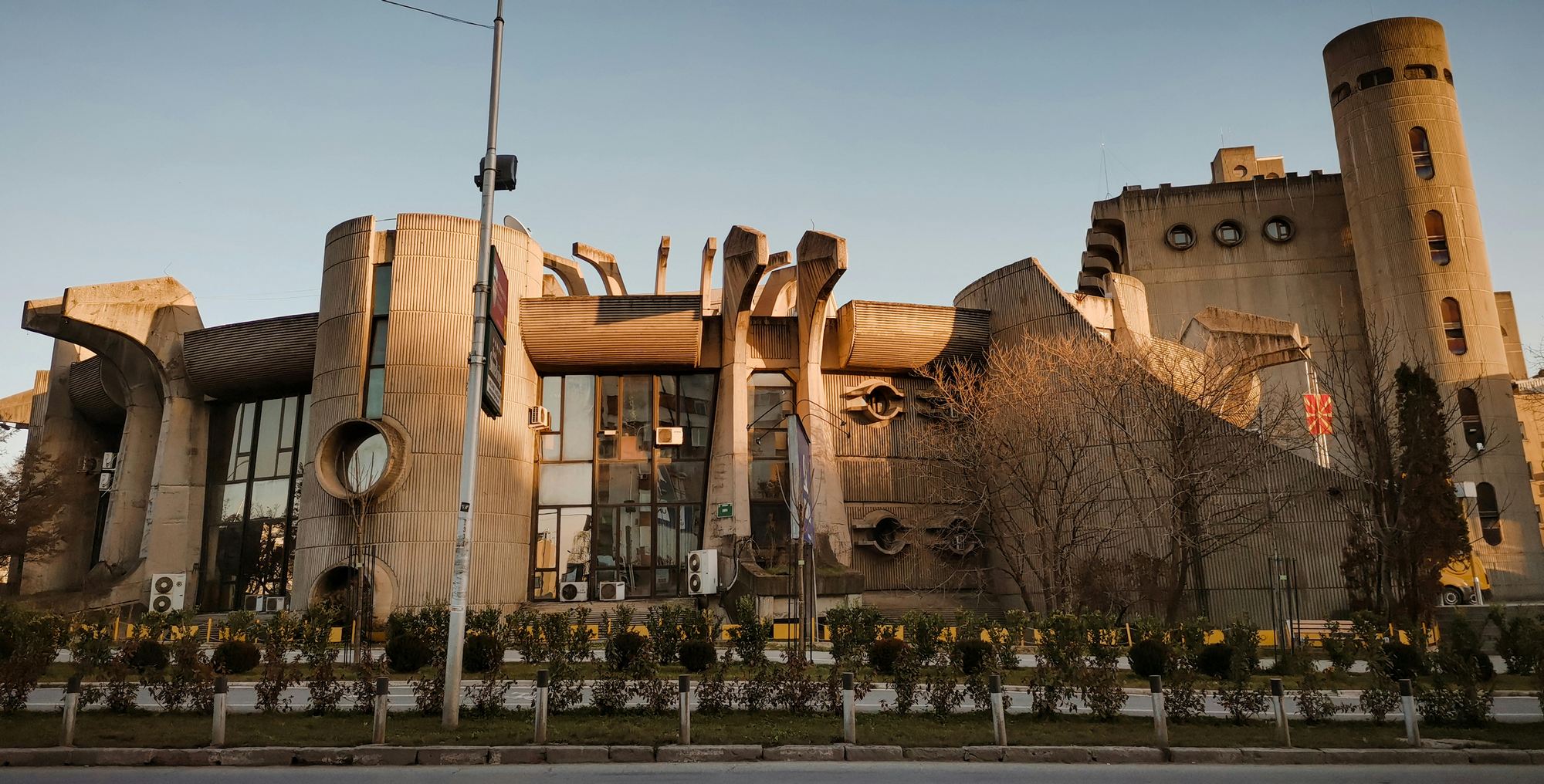
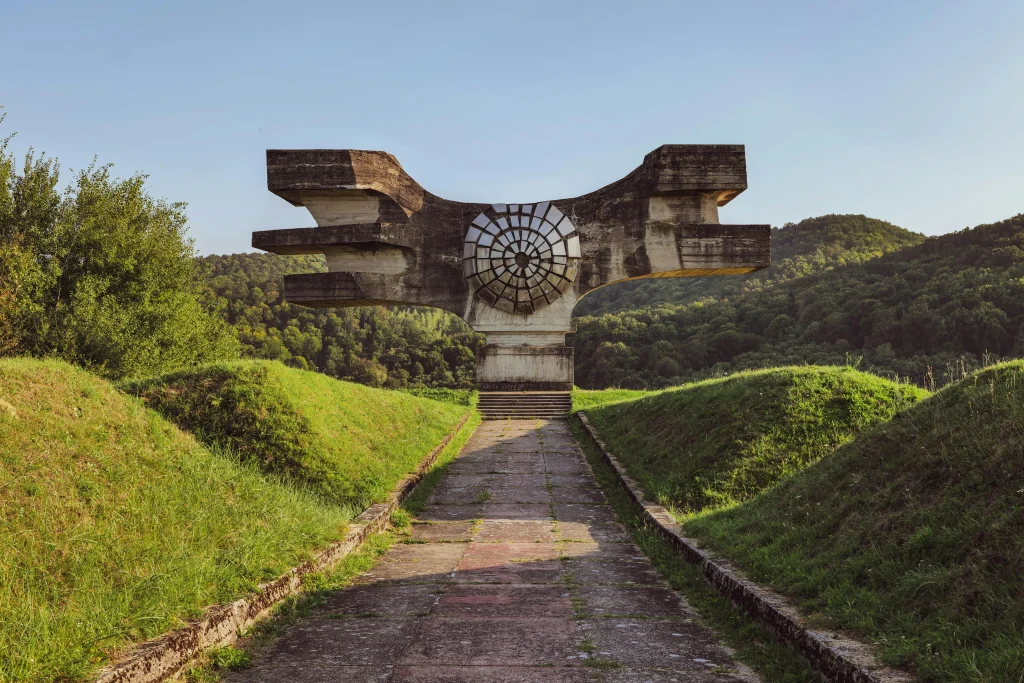
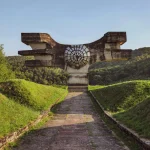
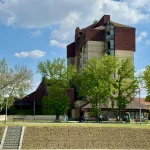
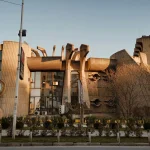
Traditional Brutalism, born in the mid-20th century, was defined by exposed concrete, monumental forms, and a rejection of ornamentation. Its ethos centered on honesty of materials and structure—what you see is what holds the building up. While ideologically bold, Brutalism often drew criticism for its perceived coldness, environmental insensitivity, and social alienation.
Eco-Brutalism retains Brutalism’s structural sincerity but reinterprets it through a 21st-century lens. The result is architecture that embraces vegetation, passive design strategies, climate responsiveness, and material efficiency, without softening its visual impact. Instead of hiding nature behind glass façades, Eco-Brutalism allows greenery to erupt directly from concrete volumes, blurring the boundary between the built and the grown.
The Paradox at Its Core
At first glance, Eco-Brutalism seems contradictory. How can one of the most carbon-intensive materials—concrete—coexist with sustainability? The answer lies not in denial, but in strategic intent.
Eco-Brutalist buildings often:
- Use concrete for longevity, reducing the need for frequent rebuilding
- Incorporate recycled aggregates, fly ash, or low-carbon cement alternatives
- Leverage concrete’s thermal mass for passive heating and cooling
- Balance material heaviness with biophilic design, green roofs, and vertical gardens
The paradox becomes productive: mass offsets energy loss, rigidity supports organic life, and permanence counters disposability.
Structure as Landscape
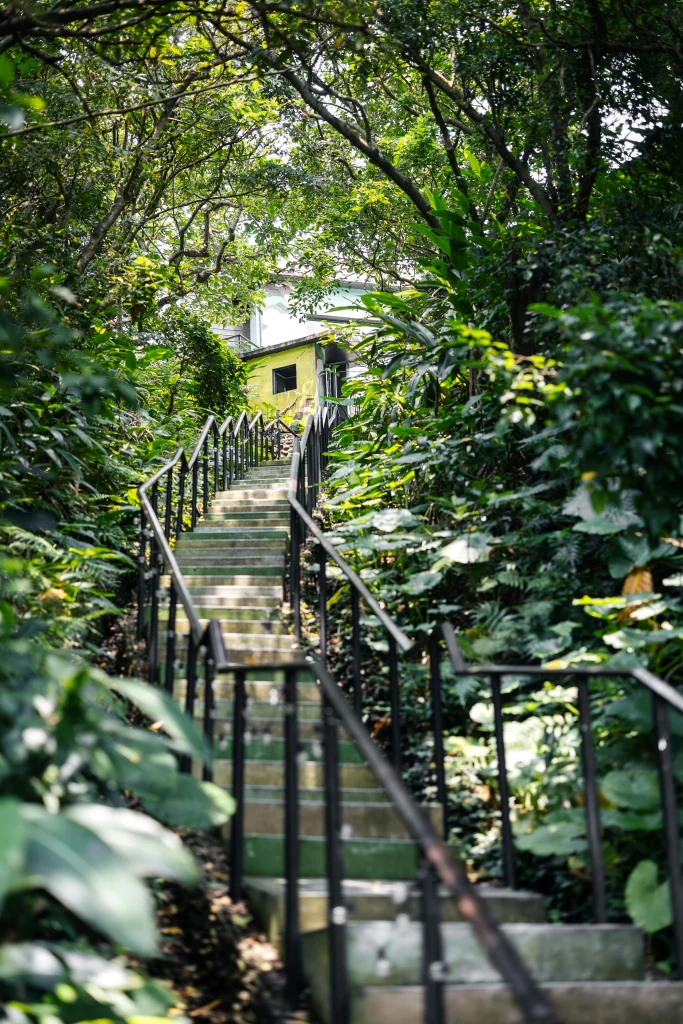
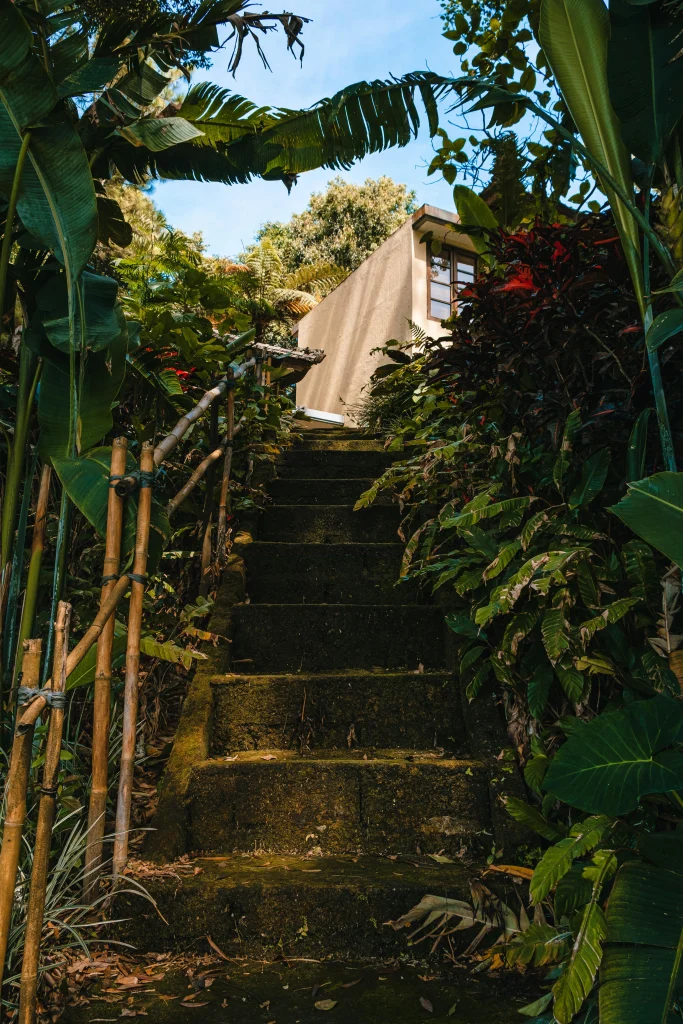
One of Eco-Brutalism’s most distinctive traits is its treatment of buildings as artificial landscapes. Terraced slabs become planters, façades transform into vertical ecosystems, and rooftops evolve into accessible green terrains. Rather than applying greenery as decoration, Eco-Brutalism integrates it structurally.
Projects like concrete residences carved into hillsides or cultural centers wrapped in dense foliage demonstrate how architecture can function as a host for biodiversity. Plants are not accessories; they are co-inhabitants that regulate temperature, filter air, and reintroduce ecological processes into dense urban environments.
A New Aesthetic of Responsibility
Visually, Eco-Brutalism is unapologetic. It rejects the sleek minimalism and glass-heavy corporate sustainability aesthetic in favor of something more grounded and visceral. Weathered concrete, visible formwork marks, deep shadows, and overgrown greenery create a raw, almost cinematic presence.
This aesthetic carries a message: sustainability does not have to be invisible or polite. Eco-Brutalism argues that environmentally responsible architecture can—and perhaps should—be visibly radical. Its boldness becomes a form of environmental advocacy, forcing observers to confront the material realities of construction and the urgency of ecological integration.
Social and Urban Implications
Beyond performance and appearance, Eco-Brutalism engages with social questions. Many projects prioritize collective spaces, public terraces, and shared green zones, challenging the isolation often associated with dense cities. In this sense, Eco-Brutalism reconnects with Brutalism’s original social ambitions, but with greater sensitivity to human comfort and environmental health.
In rapidly urbanizing regions, Eco-Brutalist principles offer a framework for high-density, climate-responsive architecture that does not rely on fragile glass skins or energy-intensive systems.
Criticism and Caution
Despite its promise, Eco-Brutalism is not without critique. Poorly executed projects risk becoming superficial—greenwashed concrete megastructures with minimal ecological benefit. There is also the ongoing challenge of concrete’s carbon footprint, which no amount of vegetation can fully erase without responsible sourcing and lifecycle planning.
Eco-Brutalism succeeds only when sustainability is embedded from concept to construction, not applied as an afterthought.
The Future of Eco-Brutalism
As material science advances and architects experiment with carbon-reduced concrete, bio-based composites, and adaptive reuse, Eco-Brutalism is likely to evolve further. Its core idea—radical honesty paired with ecological responsibility—positions it as a powerful architectural response to the climate crisis.
More than a style, Eco-Brutalism is a reminder that architecture can be confrontational and caring at the same time. In a world searching for authentic sustainability, its rough edges may be exactly what we need.

Related Article:
Vantara: Inside global wildlife rescue, care and conservation centre
AI in Architecture: Redefining Creativity and Efficiency
Hostile Architecture in India: Urban beauty at the cost of humanity
Experts share simple Vastu principles to fill your home with positive energy and peace
The modern evolution of office interior design: Creating workspaces that inspire productivity
Kinetic Facades: The Future of Sustainable Architecture
Industrial Style: How to Achieve it in Your Home?