
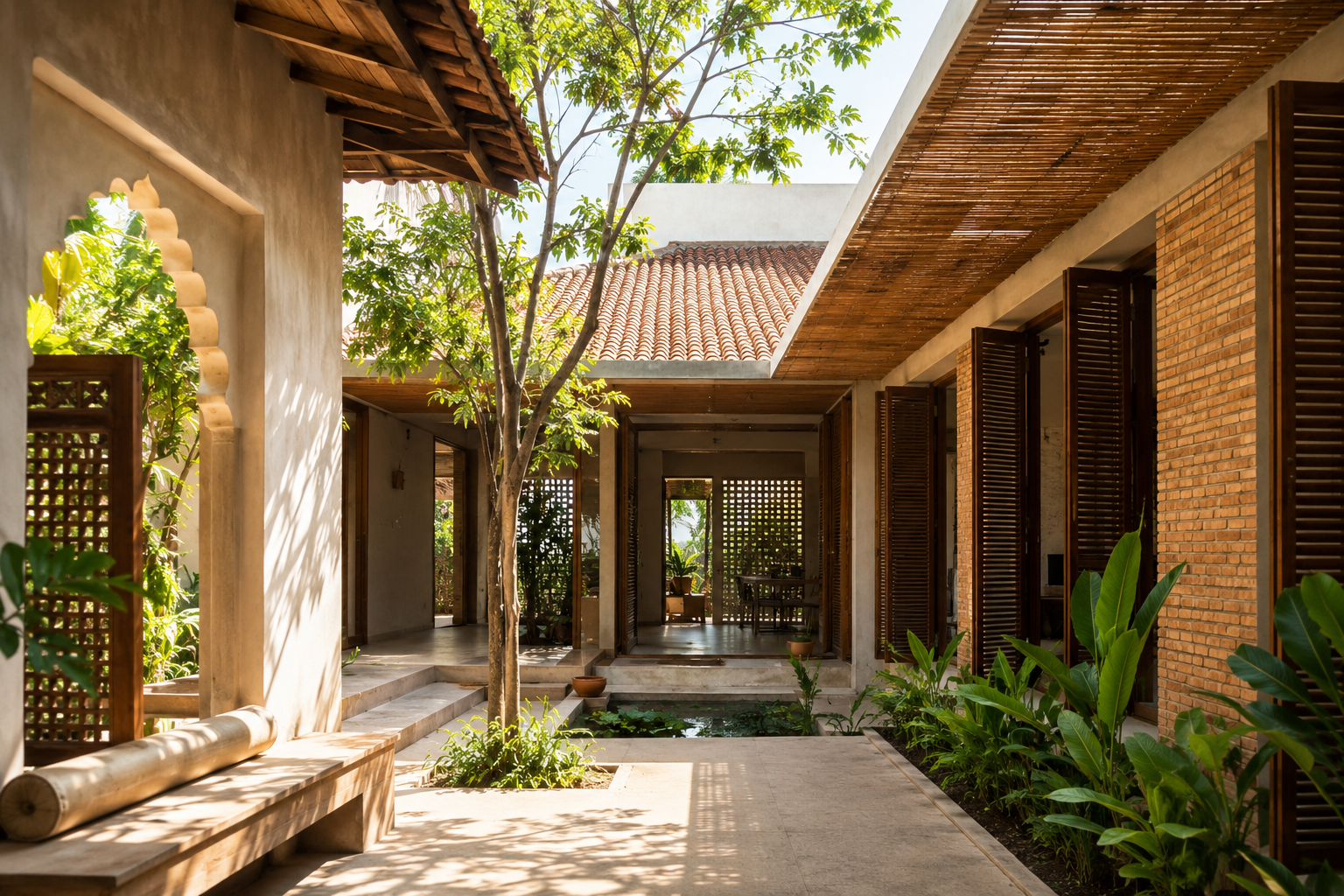
Tropical eco-friendly courtyard retreat
As temperatures continue to rise across Indian cities, air conditioners have become an unavoidable part of everyday life. But long before mechanical cooling existed, traditional Indian homes were already designed to remain remarkably comfortable in extreme climates.
From the desert settlements of Rajasthan to the humid landscapes of Kerala, vernacular architecture responded intelligently to heat, sunlight, rainfall, and airflow. Homes were built using local materials, passive cooling techniques, and spatial planning that worked with the climate instead of against it.
Today, many architects are revisiting these age-old ideas—not out of nostalgia, but because they offer sustainable and practical solutions for modern living. Here are six timeless cooling strategies inspired by India’s vernacular houses that still make sense today.
1. Courtyards That Keep Air Moving Naturally
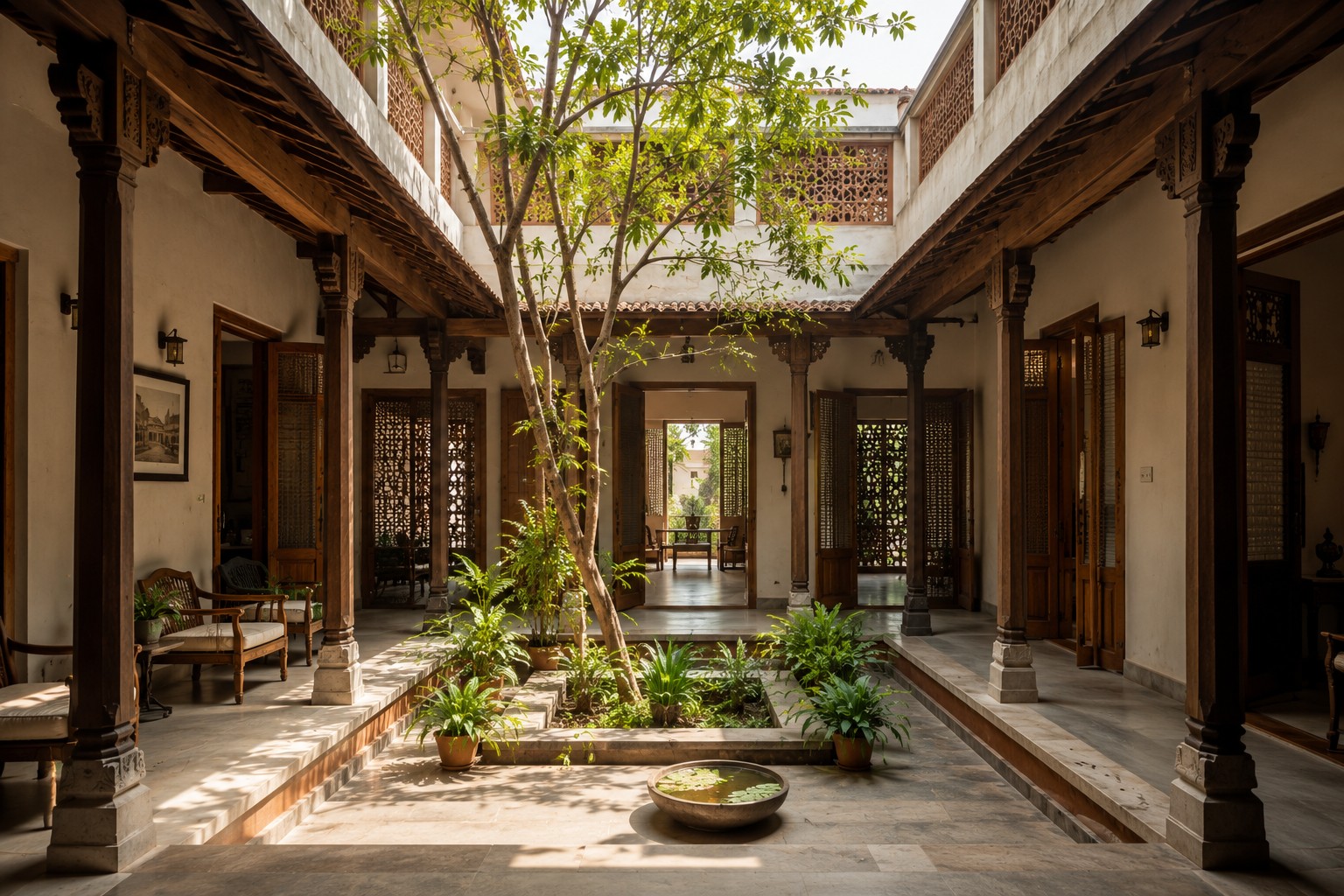
Traditional Indian homes often revolved around an internal courtyard. Beyond being a social gathering space, the courtyard played a crucial role in regulating temperature indoors.
As warm air rose through the open central void, cooler air was pulled through surrounding rooms, creating a continuous cycle of natural ventilation. This movement of air made interiors feel significantly cooler, especially during peak summer afternoons.
In regions like Chettinad, Gujarat, and Rajasthan, courtyards also softened harsh sunlight while bringing daylight deep into the house. The result was a home that felt open, breathable, and thermally comfortable without relying on artificial cooling.
Modern homes can reinterpret this idea through small atriums, light wells, or semi-open internal gardens. Even compact urban houses can benefit from creating vertical airflow within the plan.
2. Thick Walls That Slow Down Heat
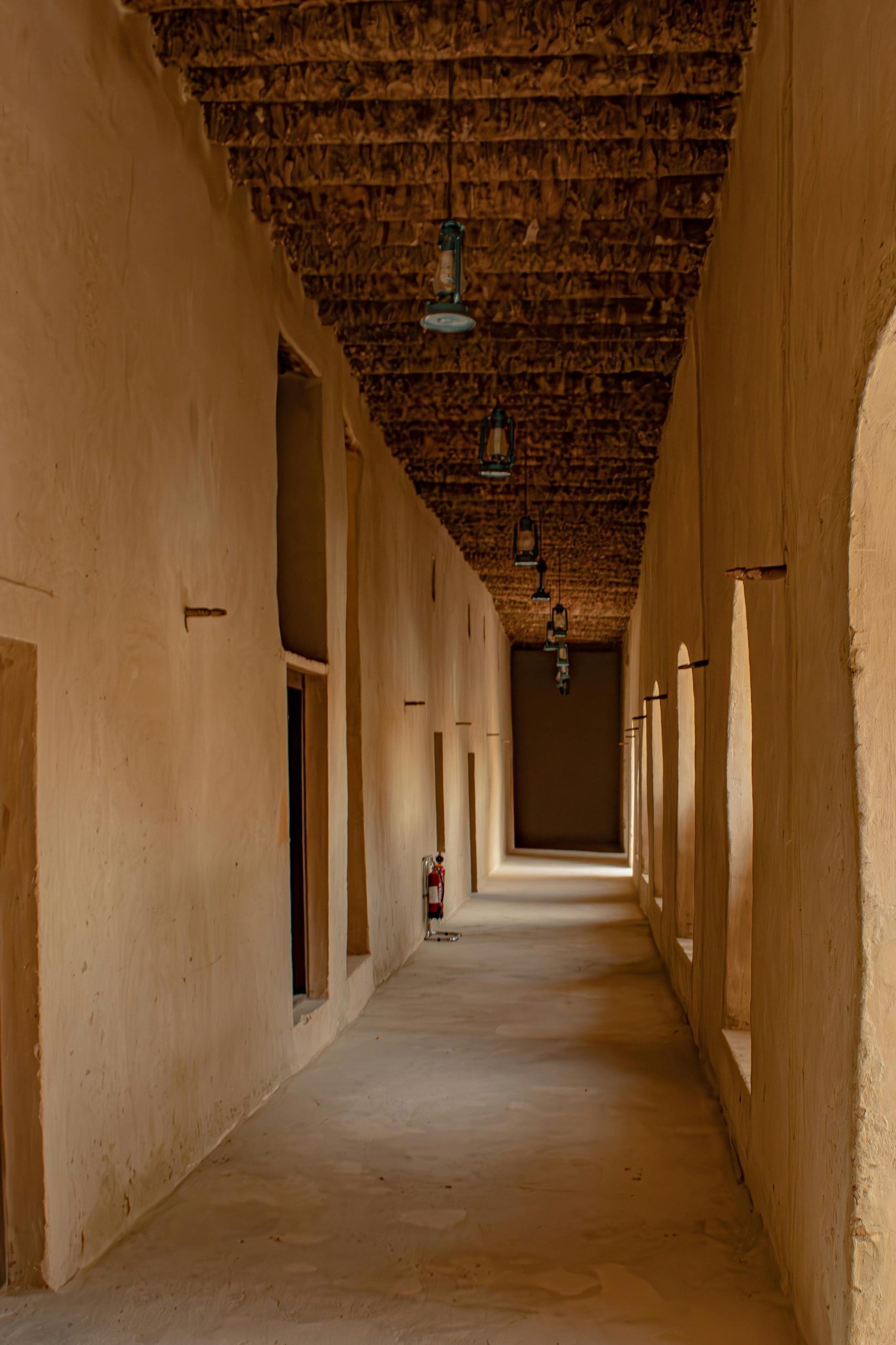
One of the reasons old homes remain cooler than many modern concrete structures lies in the materials they used. Traditional houses were often built with thick mud, lime, stone, or brick walls that absorbed heat slowly throughout the day.
Instead of allowing outdoor temperatures to instantly transfer indoors, these walls delayed heat gain and released warmth gradually after sunset. This natural insulation kept interiors relatively stable despite extreme weather outside.
Mud homes in Kutch and stone houses in Rajasthan are perfect examples of how thermal mass can improve comfort naturally. Walking into these homes during summer often feels like stepping into a shaded retreat.
Today, materials like rammed earth, cavity walls, compressed earth blocks, and lime plaster continue to offer similar benefits while supporting more sustainable construction practices.
3. Jaalis That Filter Light and Heat Beautifully
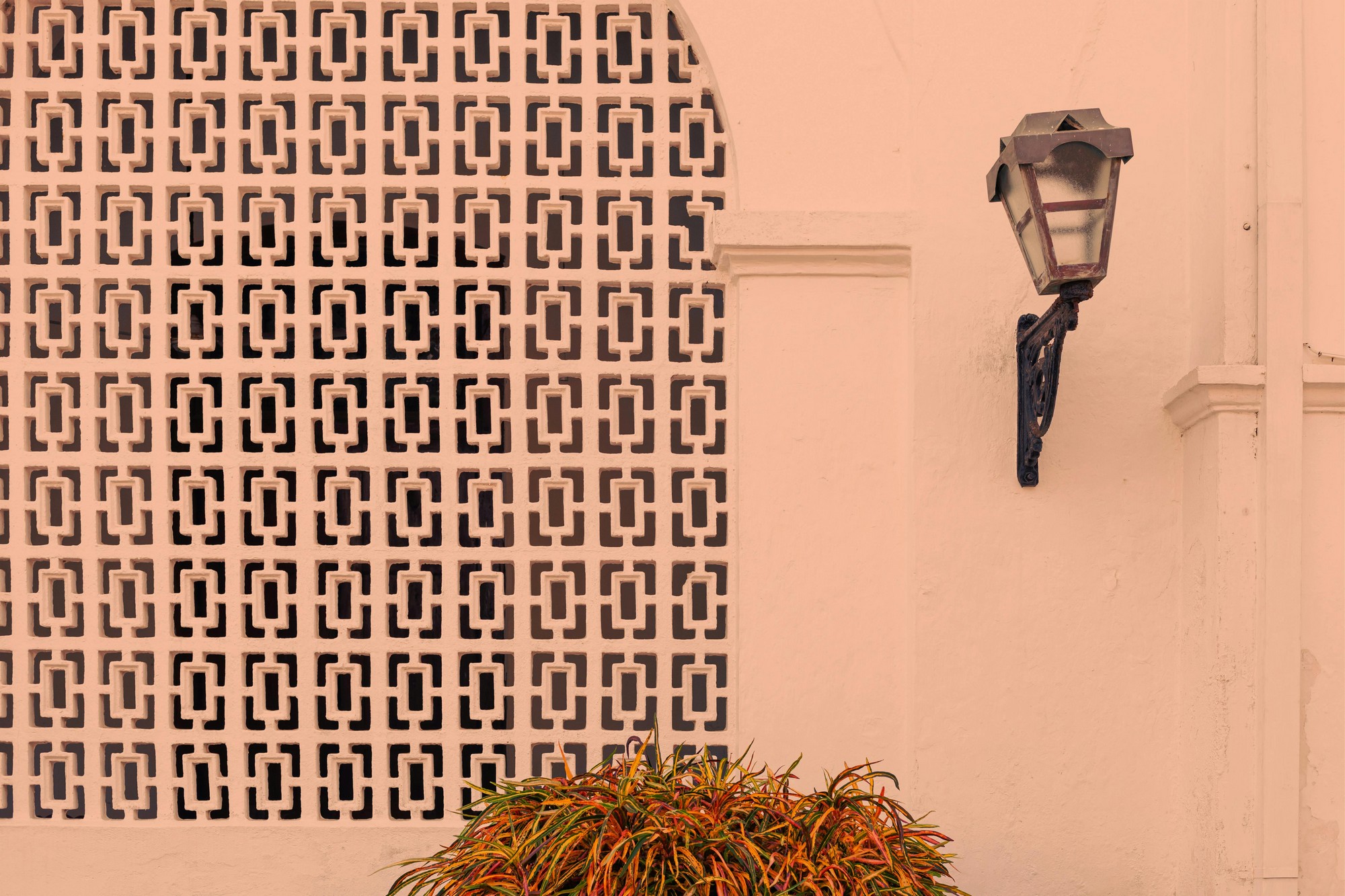
Few architectural elements capture the brilliance of Indian climate-responsive design as elegantly as the jaali.
These perforated stone or wooden screens were designed to allow air circulation while filtering direct sunlight. Instead of harsh glare and trapped heat, interiors received soft, diffused light and a gentle flow of air throughout the day.
In Mughal architecture and traditional havelis, jaalis created spaces that felt cooler, calmer, and visually layered. The patterns of light and shadow also added a sense of quiet beauty to everyday living.
Contemporary homes are now reinterpreting this idea using terracotta blocks, perforated metal screens, and textured facades. Beyond aesthetics, they reduce solar heat gain while improving ventilation naturally.
4. Sloping Roofs That Reduce Heat Build-Up
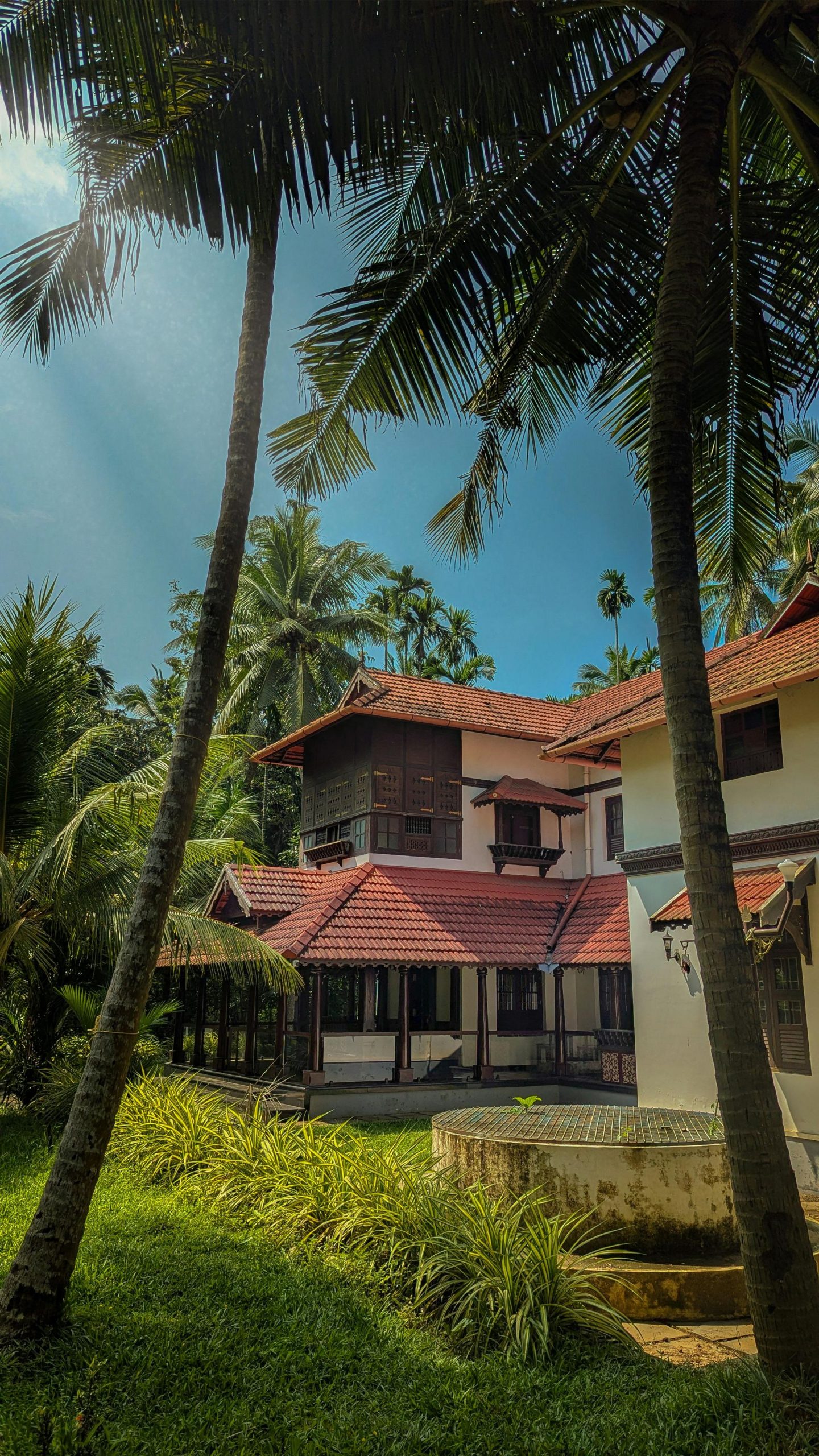
In tropical regions such as Kerala and coastal Karnataka, traditional homes commonly featured sloping tiled roofs with ventilated attic spaces beneath them.
This design addressed one of the biggest sources of indoor heat: the roof itself.
As hot air accumulated beneath the roof, ventilation gaps allowed it to escape before it reached the living spaces below. Clay tiles further helped by absorbing less heat than exposed concrete surfaces.
Even today, poorly insulated roofs remain one of the primary reasons homes overheat during summer.
Adding ventilated roof cavities, reflective coatings, clay tiles, or false ceilings with air gaps can dramatically improve indoor comfort. Sometimes, cooling a home begins from the top down.
5. Water Elements That Cool the Surroundings
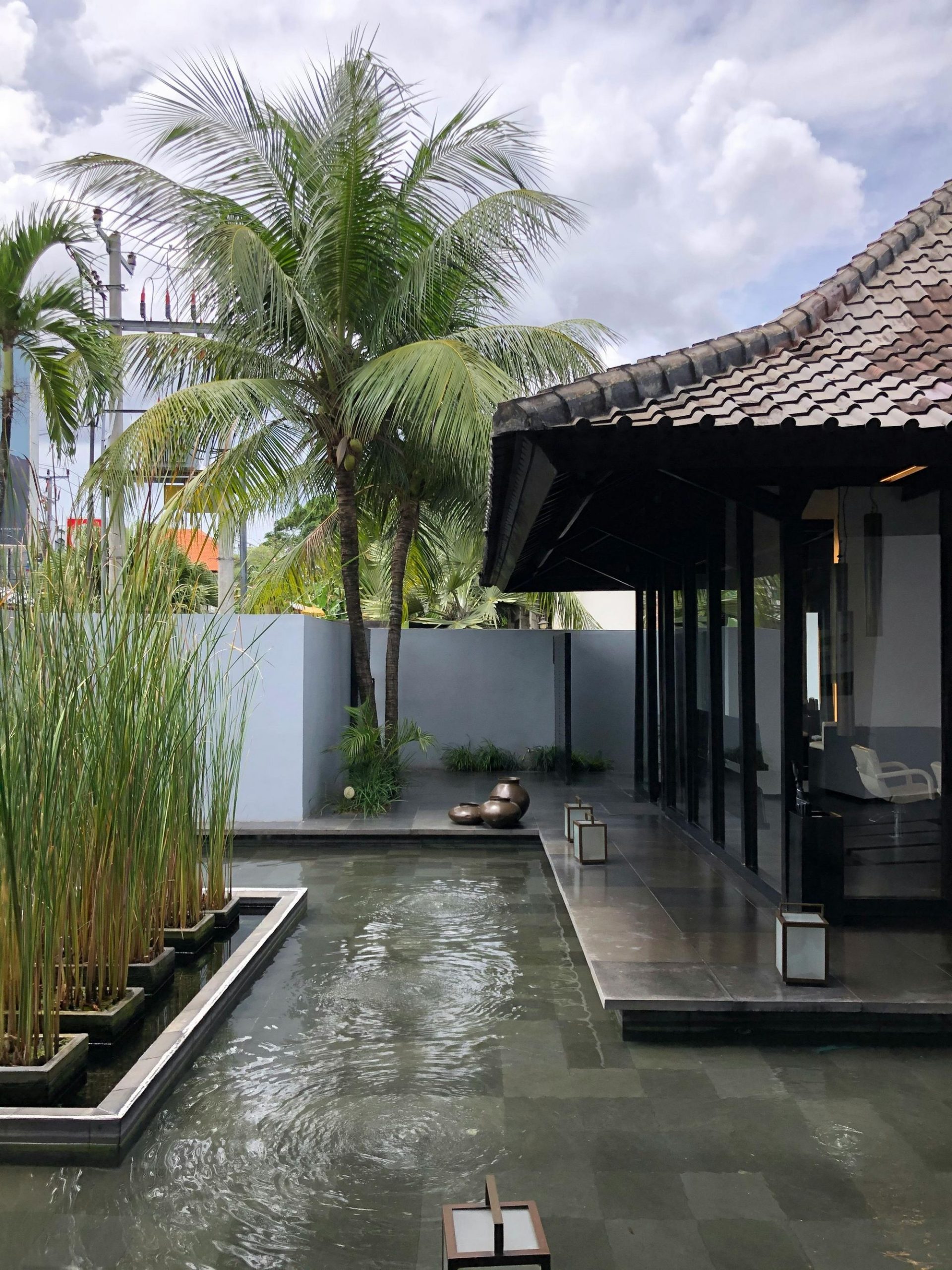
Traditional Indian architecture often integrated water as part of the cooling strategy. Courtyard ponds, stepwells, fountains, and narrow water channels were commonly used in palaces and homes across hot regions.
As water evaporates, it naturally cools the surrounding air. Combined with shade and airflow, this creates a noticeable drop in ambient temperature.
In many old homes, the presence of water transformed courtyards into cooler microclimates where people could comfortably gather during hot afternoons.
Modern homes do not require elaborate water bodies to achieve a similar effect. A shaded reflecting pool, a small courtyard fountain, or even strategically placed water features near windows can help create a cooler and calmer atmosphere.
6. Verandahs and Deep Overhangs That Block Harsh Sunlight
Traditional homes understood something many modern glass buildings forget: preventing heat is easier than removing it later.
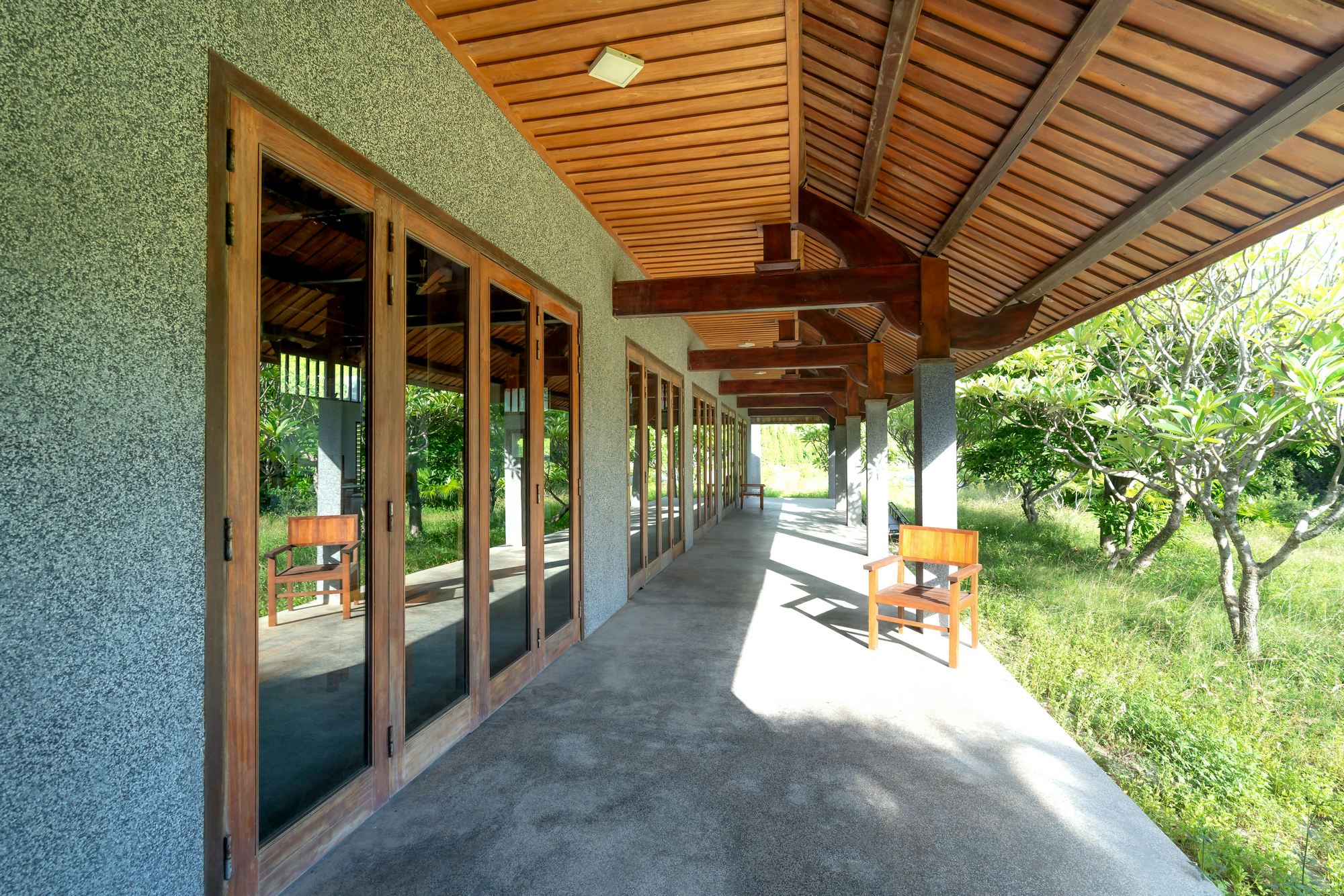
Deep verandahs, shaded corridors, recessed windows, and large overhangs protected interiors from direct sunlight, particularly the intense western sun. These transitional spaces also created thermal buffers between indoor and outdoor environments.
Walking through an old haveli or ancestral home, you often notice how shaded edges make the entire structure feel cooler and more comfortable.
Today, thoughtful shading devices can significantly reduce indoor heat gain. Pergolas, balconies, chajjas, screens, and covered sit-outs are not just aesthetic additions—they are practical climate-responsive elements.
Good architecture is often less about adding technology and more about understanding orientation, sunlight, and airflow.
Why Vernacular Wisdom Feels Relevant Again
Modern urban homes frequently rely on sealed interiors, artificial cooling, and heat-absorbing materials. While these buildings may look contemporary, they often ignore the realities of local climate.
Vernacular architecture offers a different approach—one rooted in observation, adaptation, and environmental understanding.
These traditional cooling techniques reduce energy consumption, improve indoor comfort, and create spaces that feel more connected to nature. More importantly, they remind us that sustainability is not always about advanced technology. Sometimes, it is about rediscovering principles that have quietly worked for centuries.
As cities grow hotter and energy demands continue to rise, the future of cooling may not lie entirely in machines, but in designing homes that breathe naturally again.