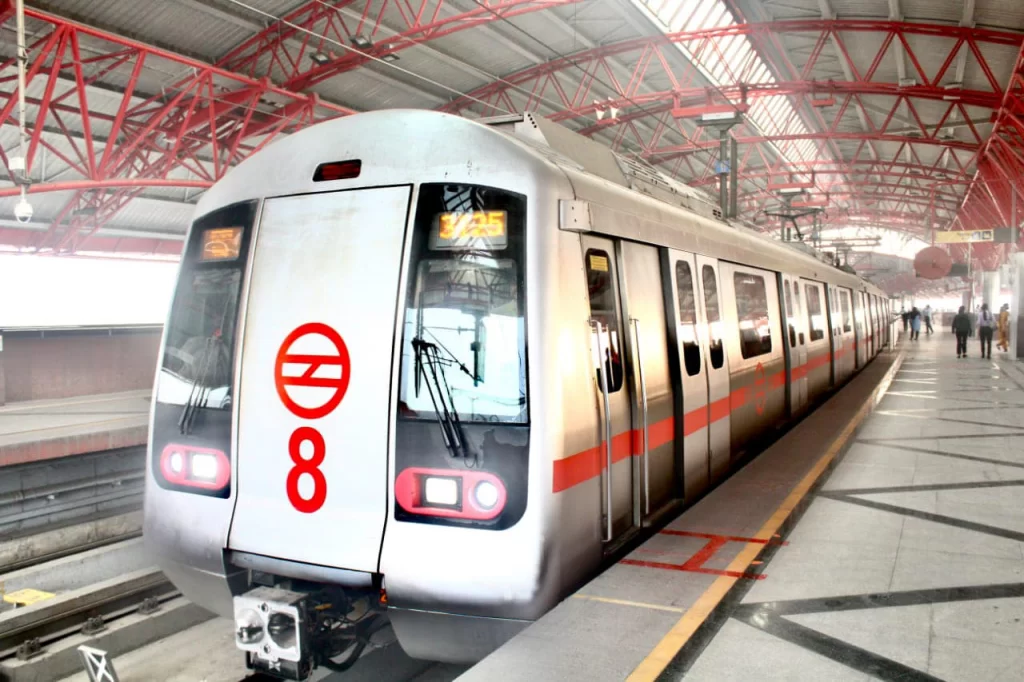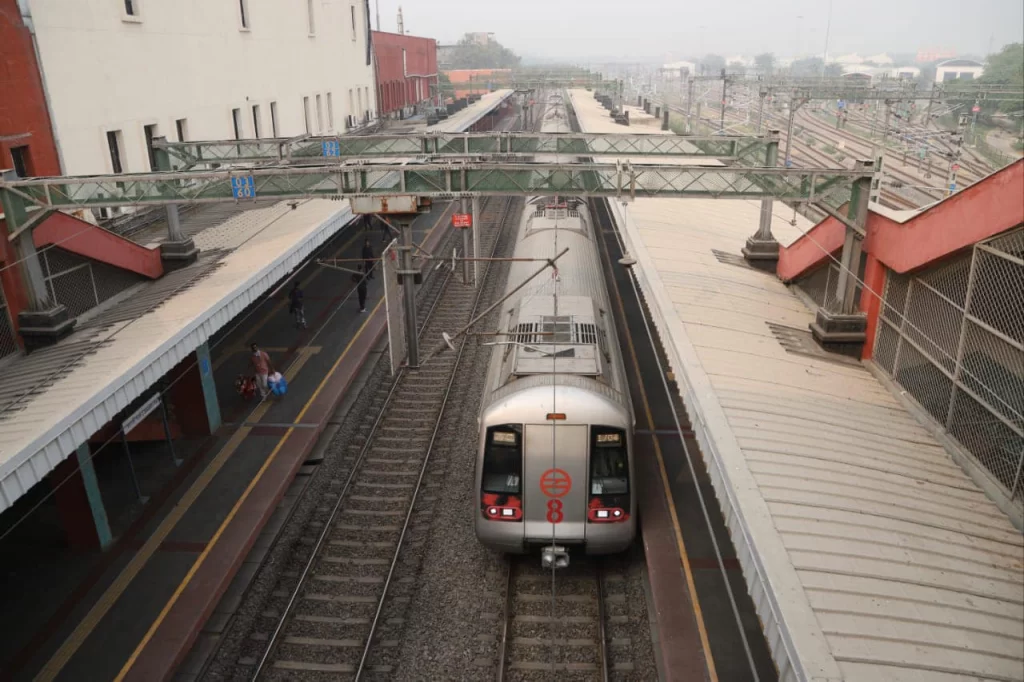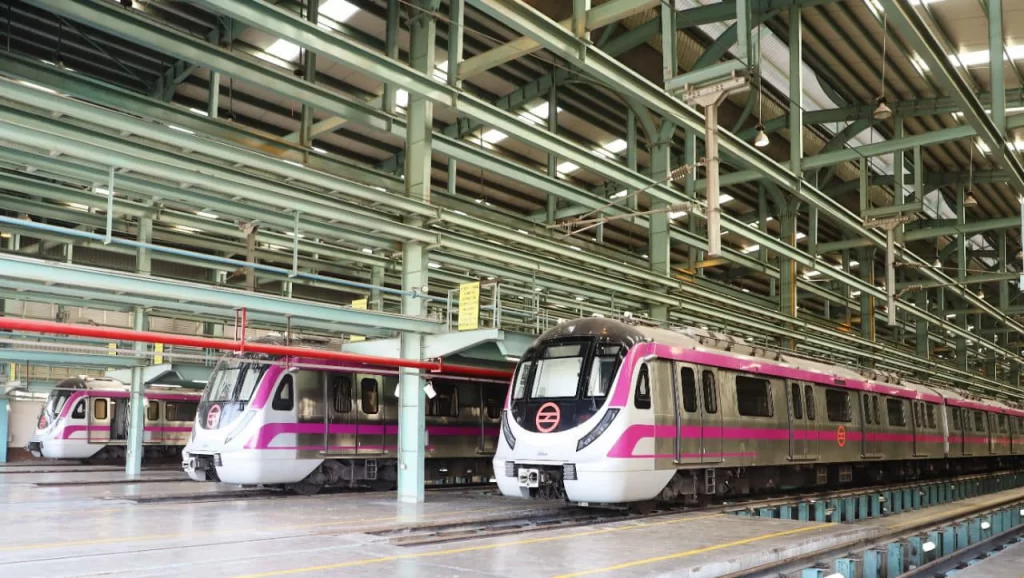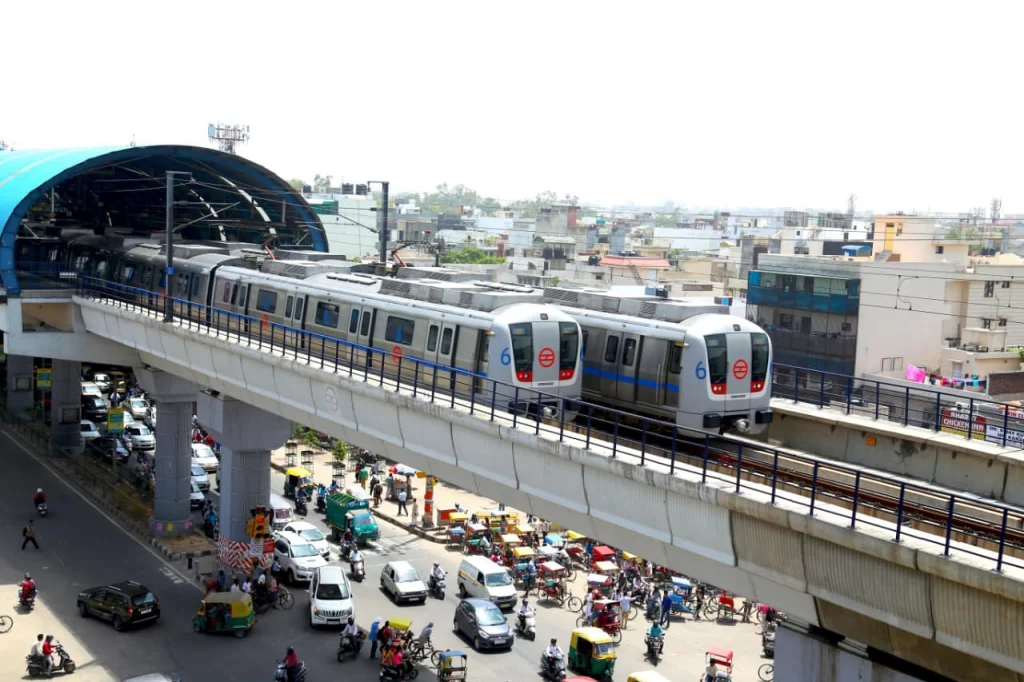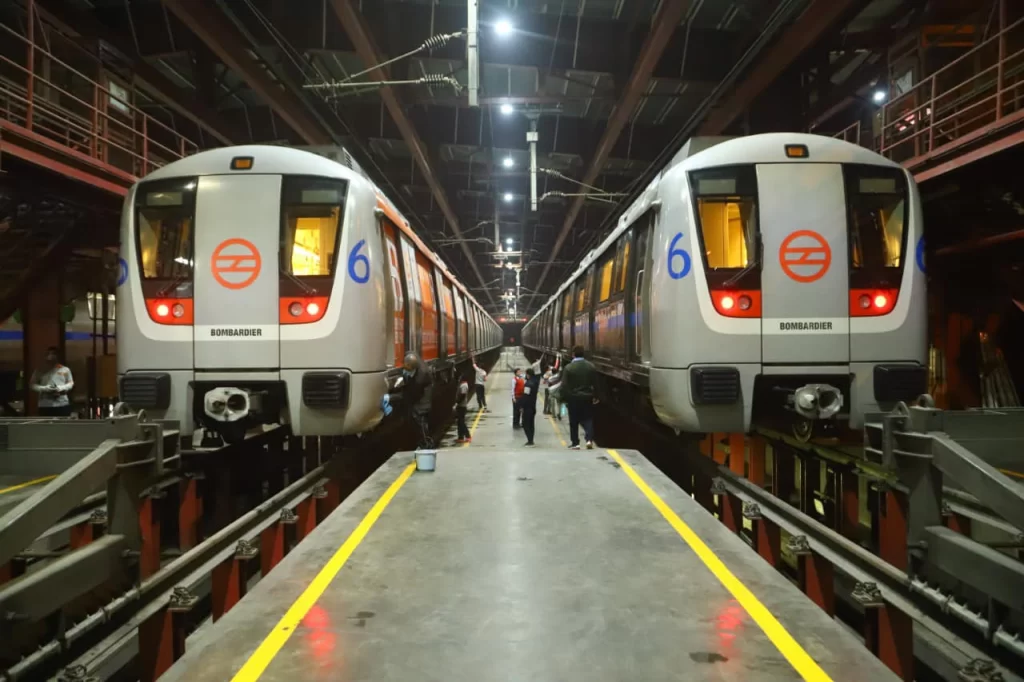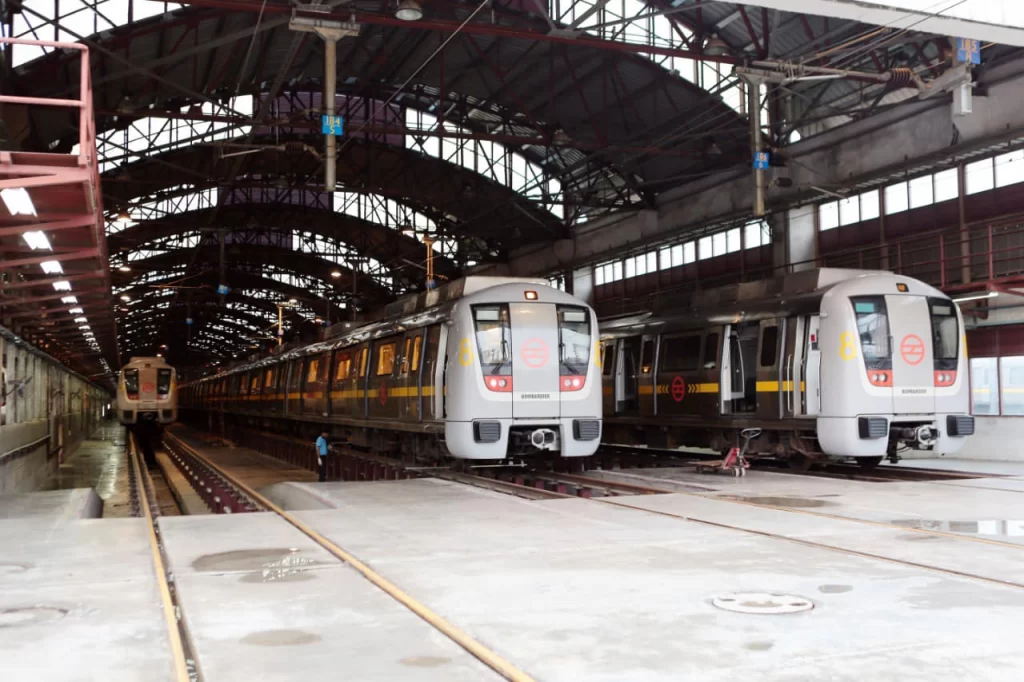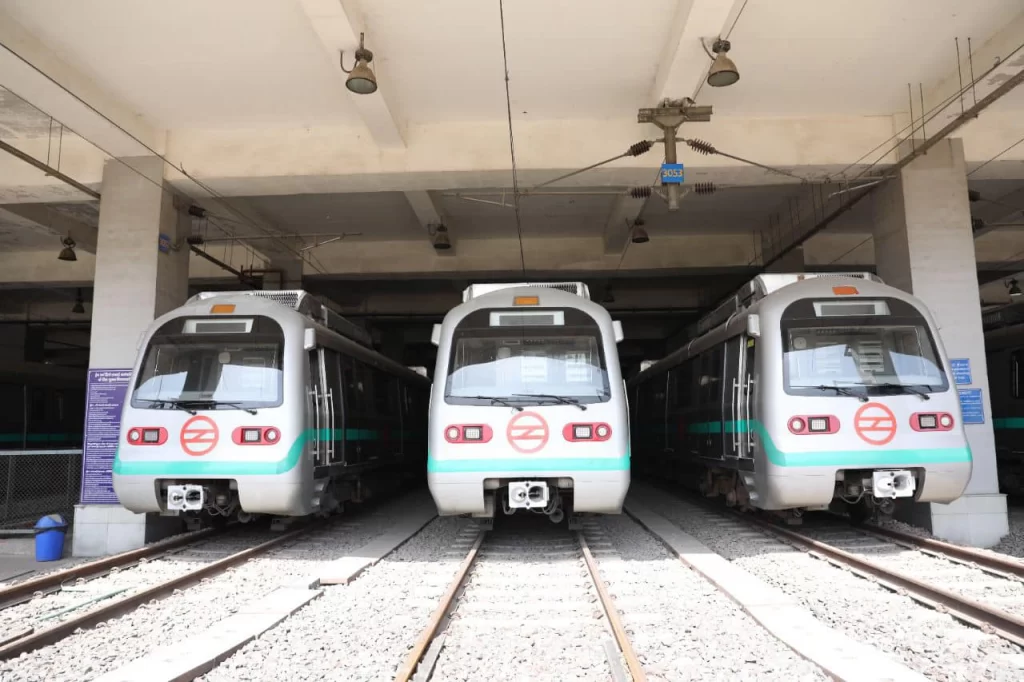
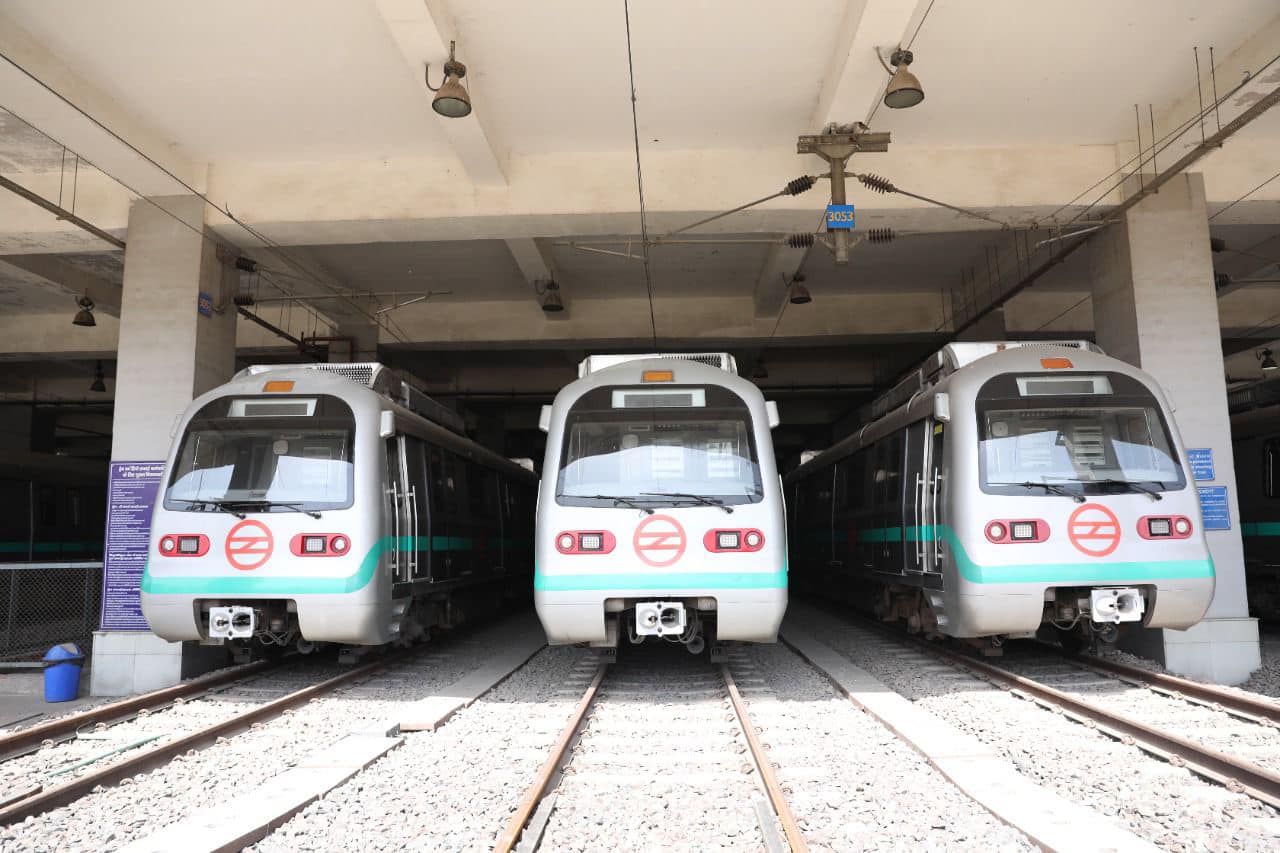
The Delhi Metro is a rapid transit system serving the city of Delhi, India and the surrounding regions. It is the third-largest metro system in the world, after the Shanghai Metro and the Beijing Subway. The Delhi Metro is considered to be one of India’s most successful infrastructure projects, and it has played a significant role in reducing traffic congestion and air pollution in the city.
The Delhi Metro system consists of six lines, with a total length of over 350 kilometers. It serves around 2.8 million passengers daily, making it one of the busiest metro systems in the world. The Delhi Metro is operated by the Delhi Metro Rail Corporation (DMRC), which was established in 1995. The DMRC is a joint venture between the Indian government and the government of the National Capital Territory of Delhi.
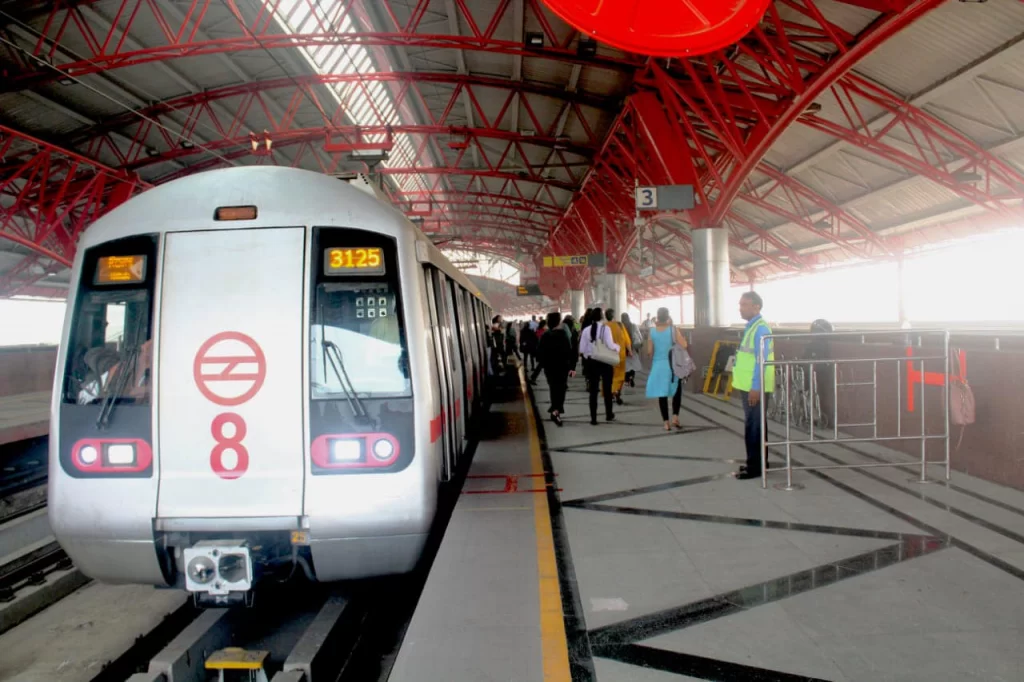
The construction of the Delhi Metro began in 1998, with the first line (the Red Line) opening to the public in 2002. The construction of the metro was a massive project, involving the excavation of over 12 million cubic meters of earth, the laying of over 250 kilometers of tracks, and the construction of over 150 stations. The project was completed in a record time of just over five years, with the last line (the Pink Line) opening to the public in 2018.
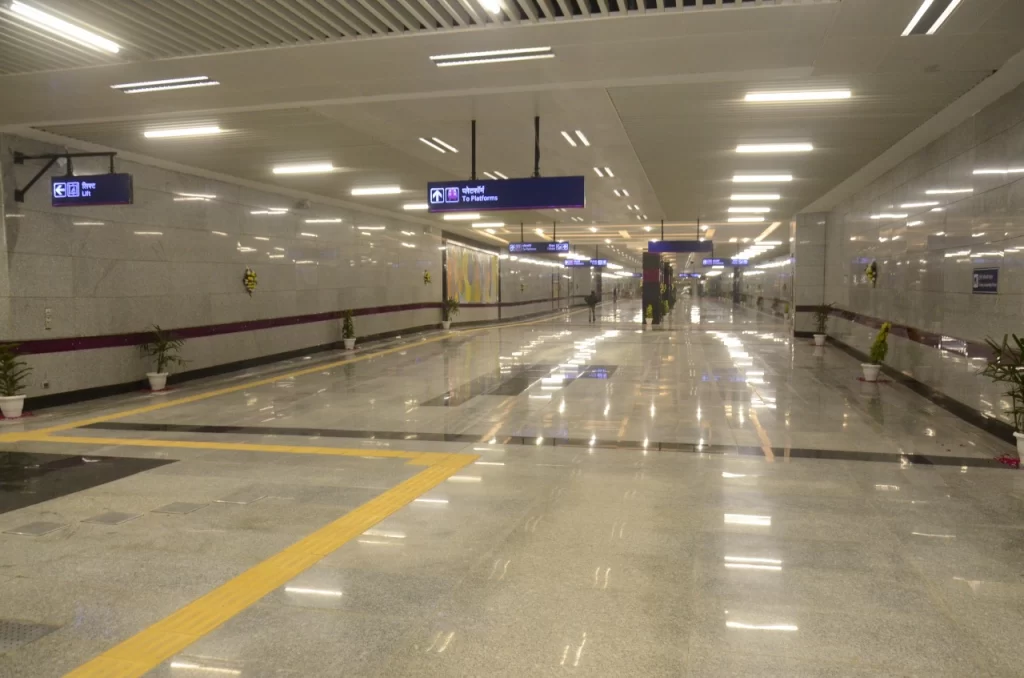
One of the most notable features of the Delhi Metro is its integration with other forms of public transportation. The metro stations are connected to bus stops and local trains, making it easy for passengers to transfer between different modes of transportation. The metro also has a dedicated parking facility at many of its stations, which encourages people to use their own vehicles less often.
The Delhi Metro has played a significant role in reducing traffic congestion and air pollution in the city. The metro has helped to reduce the number of cars on the road, which has resulted in less traffic congestion and shorter travel times. Additionally, the metro has helped to reduce the amount of air pollution in the city, as it runs on electricity, which is a clean energy source.
The Delhi Metro has also had a positive impact on the city’s economy. The metro has created jobs, both during its construction and operation, and it has also helped to boost the local economy by making it easier for people to travel to work and shop. Additionally, the metro has helped to increase the value of real estate in the areas around the metro stations, as the metro has made these areas more accessible.
The Delhi Metro has also had a positive impact on the lives of the city’s residents. The metro has made it easier for people to travel around the city, which has helped to improve their quality of life. Additionally, the metro has helped to reduce the stress of commuting, which has improved the mental health of the city’s residents.
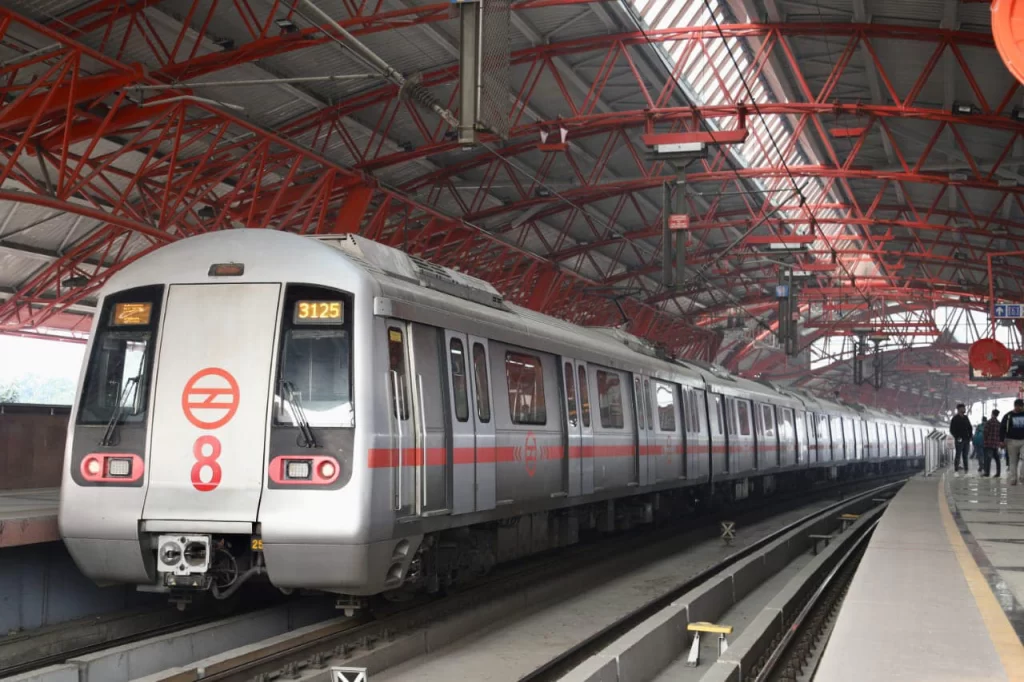
The Delhi Metro is an example of a successful infrastructure project that has had a positive impact on the city and its residents. It is a well-planned, well-executed project that has helped to reduce traffic congestion and air pollution, boost the local economy, and improve the quality of life for the city’s residents. The metro has also been a source of pride for the city and the country, and it has been recognized as one of the best metro systems in the world.
Overall, The Delhi Metro is a marvel in the field of transportation, it is a state-of-the-art infrastructure project that has not only benefitted the city of Delhi but also set an example for other cities in India and around the world. The metro has helped to reduce the number of cars on the road, which has resulted in less traffic congestion and shorter travel times.