Essar House
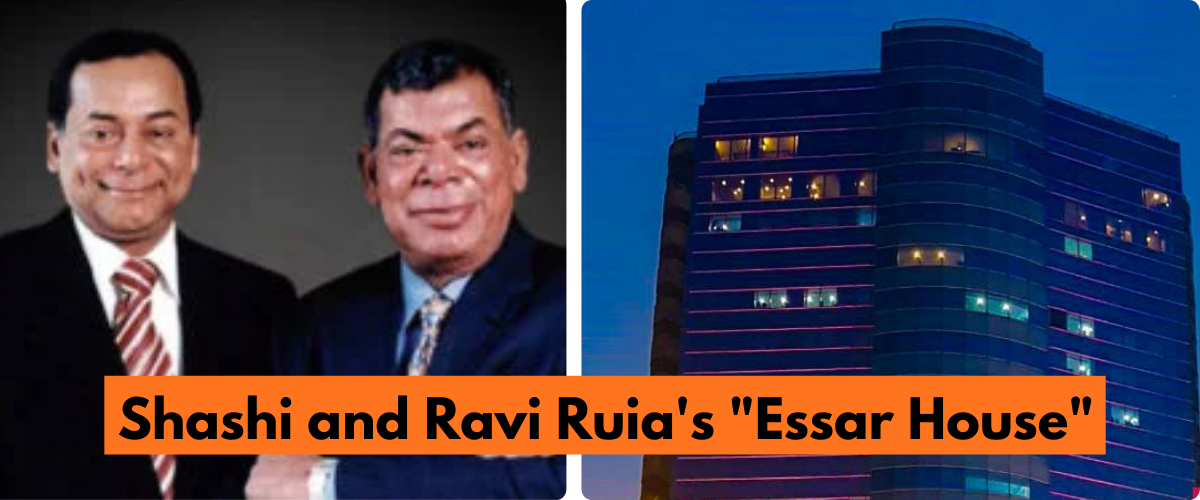
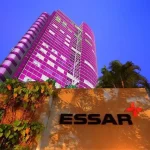
Standing tall in the heart of Mumbai’s Mahalaxmi district, Essar House is much more than just a corporate headquarters. It symbolizes the rise of one of India’s most influential business empires — the Essar Group, founded by brothers Shashi Ruia and Ravi Ruia. This iconic building reflects both the ambition of its founders and the architectural evolution of Mumbai’s commercial skyline.
Origins of Essar Group: The Ruia Brothers’ Vision
Shashi and Ravi Ruia are Indian businessmen and billionaires who co-founded Essar Group in 1969. The company began as a construction firm and steadily diversified into sectors such as energy, steel, power, shipping, telecommunications and infrastructure, becoming a global conglomerate.
- Shashi Ruia (23 December 1943 – 25 November 2024) led the group’s expansion in industrial and infrastructure sectors.
- Ravi Ruia (born April 1949) played a crucial role in global strategy and diversification, including ventures abroad.
- The name Essar itself is derived from the initials “S” and “R” (pronounced S-R) of their first names.
Over the decades, the Ruias built Essar into a multinational with a presence in over 20 countries and a workforce in the tens of thousands.

Essar House: A Symbol of Corporate Prestige
The skyscraper’s glass-draped façade and commanding presence made it a standout on the Mumbai skyline soon after completion. At the time, it was one of the first curtain-glazed high-rises in the city, representing modern corporate India’s architectural shift in the early 1990s.
Key Facts:
- Name: Essar House
- Location: K. K. Marg, Mahalaxmi, Mumbai, Maharashtra, India
- Owners: Shashi Ruia and Ravi Ruia (Essar Group founders)
- Primary Use: Corporate headquarters of the Essar Group
- Built: Early 1990s (during Essar’s major expansion phase)
- Architectural Style: Modern corporate high-rise with glass curtain façade
- Structure Type: Commercial office tower
- Height / Area: High-rise building; exact floor area not officially published
- Interiors: Executive offices, boardrooms, corporate meeting spaces; modern business-oriented interiors
- Notable Feature: Prominent visibility overlooking Mahalaxmi Racecourse
- Significance: Symbol of Essar Group’s rise as a global industrial conglomerate
Design and Architecture Highlights
Although detailed architectural records of Essar House’s design team aren’t widely published, the building is known for:
- Modern glass curtain façade, giving it a sleek, contemporary look.
- Tall structure covering many floors, with panoramic city views, particularly overlooking the racecourse and towards the Arabian Sea.
- A design that emphasized corporate visibility, prestige and modern aesthetics in a time when Mumbai’s skyline was rapidly transforming.
The corporate headquarters became so iconic that even in corporate branding and media imagery, the building itself became synonymous with the Essar identity.

Corporate and Cultural Significance
Business Hub for a Global Empire
Essar House wasn’t just an office — it was where major decisions regarding the group’s global strategies and expansions were made. With operations spanning steel, oil & gas, power, infrastructure, ports, shipping, and telecom, the employees and executives based here coordinated multi-continent business ventures.
A Hub for Celebrations and Corporate Culture
The building also played a part in Essar’s corporate culture. It hosted annual events and traditional festivities such as Ganesh Utsav celebrations, where employees and stakeholders came together in celebration, reflecting the company’s blend of business and cultural identity.
Iconic Landmark and Community Initiatives
On special occasions like the International Day of the Girl Child, Essar House has been illuminated in symbolic colors (such as pink), reinforcing the group’s commitment toward social causes and community engagement.
Transition and Modern Evolution
In the 2010s, as the Essar Group expanded and diversified its corporate structure, many operational functions were moved to new offices near Bandra Kurla Complex (BKC) in Mumbai, a modern business district emerging as the city’s financial heart.
This shift was part of broader changes within the group — aligning with evolving business needs and newer workspace trends — while Essar House remained a symbol of the company’s historical roots and legacy.

Legacy of Essar House and the Ruia Brothers
Essar House stands as an architectural and corporate landmark that reflects the vision of Shashi and Ravi Ruia — two business leaders who grew a construction firm into a global conglomerate.
While buildings themselves may evolve or be repurposed over time, Essar House remains a testament to:
- Mumbai’s transformation into a global business city.
- The Ruias’ ambition and entrepreneurial legacy in India’s corporate history.
- Corporate architecture as an expression of brand identity and economic progress in India.
Essar House is far more than a corporate headquarters — it is an architectural and historical milestone. Built to house one of India’s most dynamic business conglomerates, it reflects the rise of a modern corporate ethos in Mumbai under the stewardship of Shashi and Ravi Ruia. Its role in the city’s commercial landscape marks it as both a physical structure and a symbol of entrepreneurial legacy.




Related Article:
Elon Musk’s Houses: Tour the Stunning Homes Owned by the Tesla Billionaire
Mark Zuckerberg’s Houses: An Inside Look at the Luxurious Homes of Facebook’s Founder
Gautam Adani House: Inside the luxurious residence of India’s business tycoon in Ahmedabad
Mukesh Ambani House: Antilia, the world’s most expensive private residence in Mumbai
Jeff Bezos House: Inside the Mansions and Estates of the Amazon Founder
Bill Gates’s House: An inside look at all the homes owned by the Microsoft co-founder
Michael Jordan’s homes: A design-led journey through his signature residences
Abode: Inside Anil Ambani’s iconic Pali hill residence that redefines luxury living in Mumbai
Inside Jalsa: An architectural perspective on Amitabh Bachchan’s iconic Mumbai residence
Abode: Inside Anil Ambani’s iconic Pali hill residence that redefines luxury living in Mumbai
Jatia House: Kumar Mangalam Birla’s iconic home of luxury and heritage in Mumbai
Gulita: The diamond-inspired seafront mansion of Isha Ambani and Anand Piramal
Inside Sea Wind: The 17-Storey family home Mukesh Ambani shared with Anil Ambani before Antilia
Gulistan: Inside Anand Mahindra’s ₹270 Crore Heritage House in Mumbai