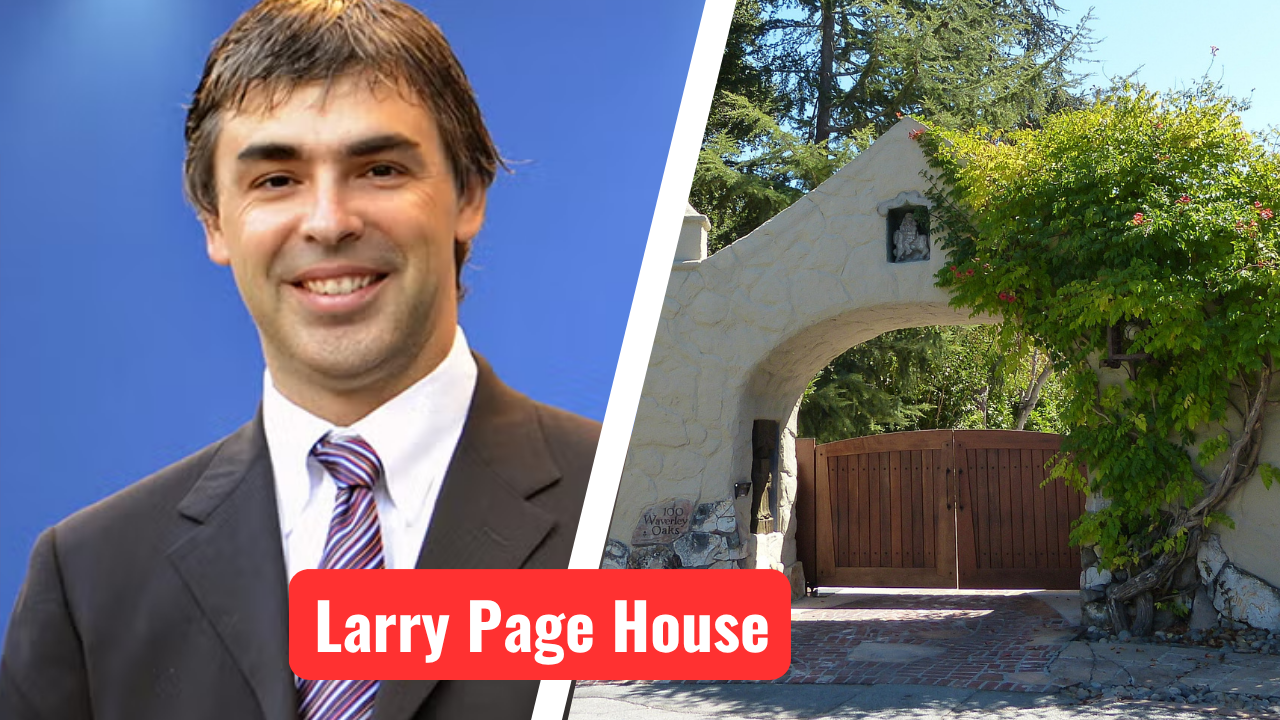
When people think of Silicon Valley billionaires, images of futuristic glass mansions often come to mind. However, Larry Page, the co-founder of Google, took a remarkably different approach when designing his personal residence. Rather than building an extravagant mega-mansion, Page chose to preserve a historic property while expanding it with a thoughtfully designed eco-friendly home that reflects sustainability, privacy, and architectural integrity.
Located in Palo Alto, California, the Larry Page House combines Spanish Colonial Revival architecture with modern green building principles. It stands as one of the most interesting examples of how heritage preservation and contemporary sustainable design can coexist.
Key Facts:
- Owner: Larry Page (Google Co-founder)
- Location: Palo Alto, California, United States
- Historic Residence: Pedro de Lemos House (also known as Hacienda de Lemos)
- Original Construction: 1931–1941
- Architect of Historic House: Pedro Joseph de Lemos
- Architectural Style: Spanish Colonial Revival with California Arts and Crafts influences
- Historic Status: Listed on the U.S. National Register of Historic Places
- Purchase Year: 2005
- Purchase Price: Approximately $7.95 million
- Historic House Size: Around 9,000 sq. ft.
- Eco House Size: Approximately 6,000 sq. ft.
- Notable Features: Solar panels, roof garden, recycled materials, permeable paving, zinc cladding, extensive landscaping, low-VOC materials, and energy-efficient design.
The Story Behind Larry Page’s House
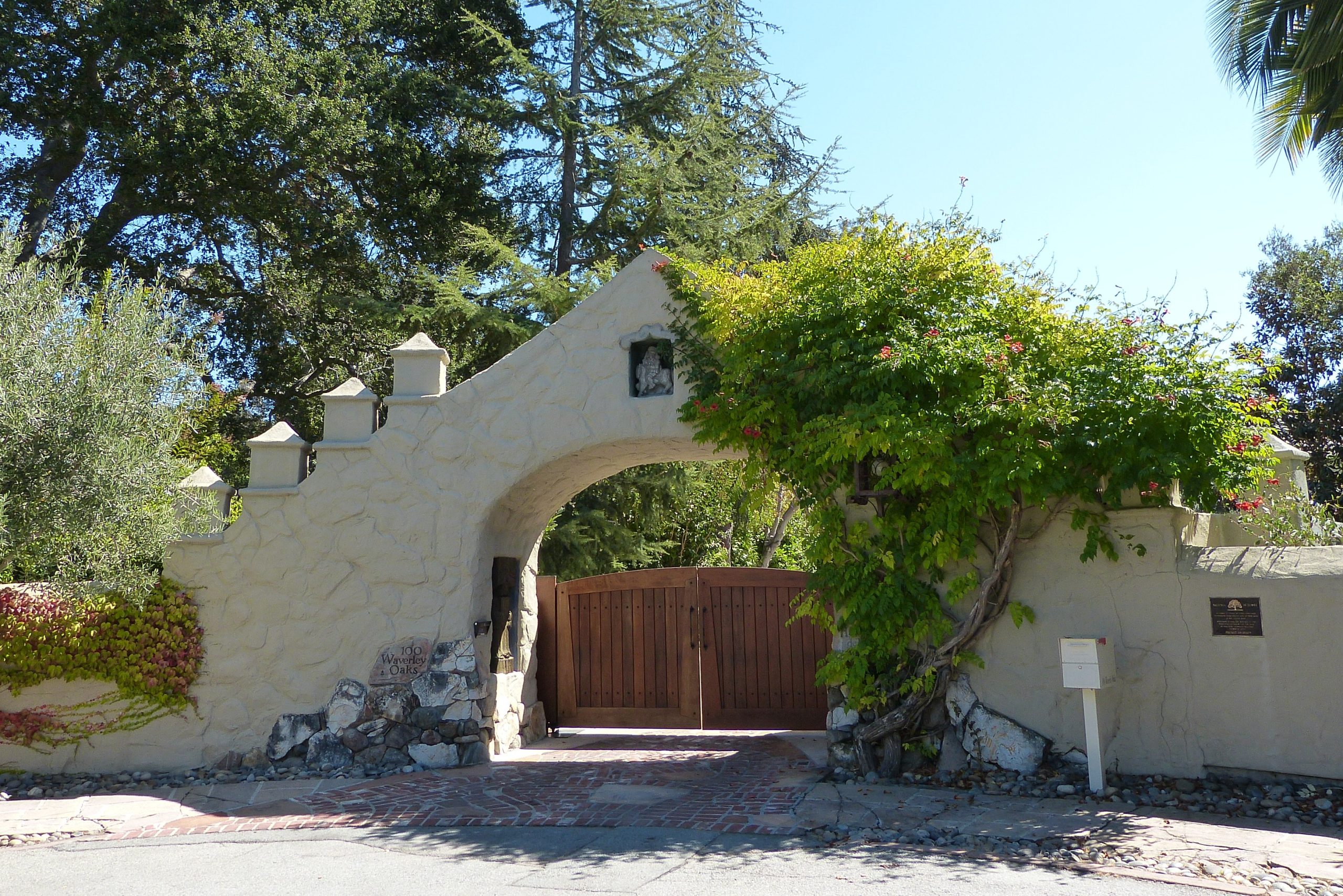
Unlike many technology entrepreneurs who commission entirely new luxury residences, Larry Page purchased the historic Pedro de Lemos House in 2005. The residence had remained one of Palo Alto’s most architecturally significant private homes for decades before becoming Page’s primary residence.
The estate was originally designed and built by Pedro Joseph de Lemos, an artist, illustrator, educator, and former director of the Stanford Museum of Art. Inspired by Spanish architecture, he created a residence featuring handcrafted stucco work, decorative stone detailing, clay roof tiles, and carefully landscaped courtyards.
Rather than replacing the historic home, Page invested in preserving its character while developing neighboring properties into a sustainable residential compound.
A Historic Spanish Colonial Revival Masterpiece
One of the defining characteristics of Larry Page’s residence is its architectural heritage.
The Pedro de Lemos House represents one of California’s finest examples of Spanish Colonial Revival architecture, a style that became popular throughout the early twentieth century. The residence features white stucco walls, red clay roof tiles, ornate ironwork, arched openings, and handcrafted detailing inspired by traditional Spanish estates.
The property also incorporates elements of the California Arts and Crafts Movement, emphasizing craftsmanship, locally inspired materials, and harmony with the surrounding landscape.
Because of its historical significance, the house was added to the National Register of Historic Places in 1980, long before Larry Page became its owner.
The Eco-Friendly Expansion
Perhaps the most fascinating aspect of Larry Page’s property is not the historic mansion itself but the environmentally conscious residence built adjacent to it.
Beginning in 2009, Page acquired neighboring properties to create space for a new home designed around sustainability rather than luxury alone.
Instead of simply demolishing existing buildings, many construction materials were carefully dismantled and donated for reuse. This practice significantly reduced construction waste and reflected Page’s long-standing interest in environmental responsibility.
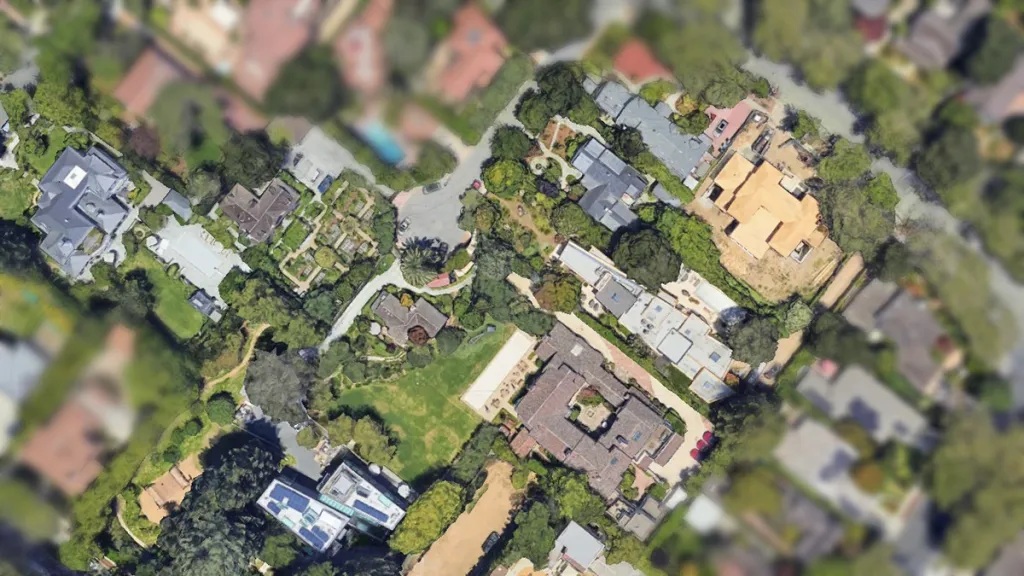
The new residence spans approximately 6,000 square feet and incorporates numerous sustainable design features rarely found together in luxury homes.
Sustainable Features of Larry Page House
The eco-house demonstrates that luxury and environmental responsibility can successfully coexist.
Some of its notable green features include:
- Solar energy integration
- Roof garden for improved insulation
- Zinc exterior cladding
- Extensive natural daylight through large glass openings
- Low-VOC paints and finishes
- Recycled and reclaimed construction materials
- Permeable paving that reduces stormwater runoff
- Water-efficient landscaping
- Organic building materials
- Preservation of mature trees wherever possible
The project was also designed to qualify for Green Point Certification, recognizing environmentally responsible residential construction.
Architecture That Connects with Nature
Rather than creating a monumental mansion visible from every angle, the new home was carefully positioned among mature trees to maximize privacy while minimizing environmental impact.
Large sliding glass walls blur the line between indoor and outdoor living. Natural light fills the interior throughout the day, reducing dependence on artificial lighting.
The landscaping was equally important. Existing trees were preserved whenever possible, while unhealthy trees were replaced with drought-tolerant species that require significantly less water—a particularly important consideration in California’s climate.
This approach reflects a growing trend in contemporary architecture where buildings become part of the surrounding landscape rather than dominating it.
Privacy Through Design
Despite being one of the world’s wealthiest individuals, Larry Page’s residence avoids excessive visual spectacle.
Privacy is achieved through thoughtful site planning rather than imposing walls or fortress-like architecture. Mature landscaping, setbacks from neighboring streets, and carefully positioned buildings create a secluded environment while maintaining an elegant residential character.
This understated approach has become increasingly common among Silicon Valley executives who value discretion over architectural extravagance.
Why Larry Page’s House Is Architecturally Significant
Larry Page’s home is noteworthy because it successfully combines three different architectural values:
Historic Preservation
Instead of replacing a culturally significant residence, the original Pedro de Lemos House has been preserved and maintained.
Sustainable Innovation
The adjoining eco-house showcases modern green building technologies, proving that luxury homes can dramatically reduce their environmental footprint.
Contextual Design
The property respects its neighborhood, existing vegetation, and architectural history rather than overwhelming them with excessive scale.
These qualities make the estate an important example of responsible high-end residential architecture.
Lessons for Modern Homeowners
Although few homeowners have the resources available to Larry Page, the estate offers several practical design lessons:
- Preserve valuable existing architecture whenever possible.
- Design homes that respond to the local climate.
- Prioritize natural lighting and ventilation.
- Use sustainable building materials.
- Reduce demolition waste through material reuse.
- Incorporate drought-resistant landscaping.
- Balance privacy with openness to nature.
These principles remain relevant regardless of a home’s size or budget.
Larry Page’s Miami Waterfront Estate
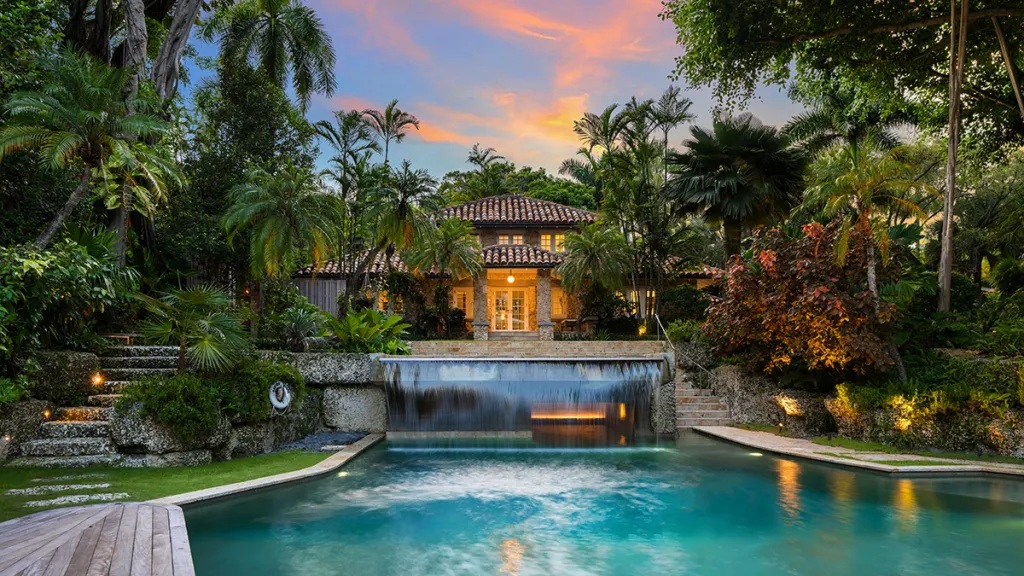
While Larry Page’s historic Palo Alto residence showcases his appreciation for architectural heritage and sustainable living, his latest real estate venture highlights his interest in assembling large, private waterfront estates. In late 2025 and early 2026, the Google co-founder began acquiring several neighboring properties in Coconut Grove, Miami, creating one of the city’s most significant private residential compounds.
The centerpiece of the estate is Banyan Ridge, a 4.5-acre waterfront property overlooking Biscayne Bay, which Page purchased in December 2025 for $101.5 million. The estate had initially been listed for $135 million before its asking price was reduced to $115 million, making the acquisition one of South Florida’s most notable luxury home sales.
Page continued expanding the compound in January 2026 by purchasing a neighboring waterfront mansion for approximately $71.9 million in an off-market transaction. Later that month, he added a third adjacent parcel for nearly $15 million, bringing his total investment in the area to more than $188 million.
Together, these acquisitions form an expansive bayfront enclave featuring multiple luxury residences, mature tropical landscaping, private gardens, and direct marina access on Biscayne Bay. The estate offers exceptional privacy while taking advantage of Coconut Grove’s prestigious waterfront setting. Although architecturally different from his Palo Alto home, the Miami compound reflects Page’s preference for exclusive locations, generous green spaces, and thoughtfully planned residential environments.
Key Facts: Larry Page’s Miami Estate
- Location: Coconut Grove, Miami, Florida, USA
- Acquisition Period: December 2025 – January 2026
- Total Investment: More than $188 million
- Main Estate: Banyan Ridge
- Estate Size: Approximately 4.5 acres
- Primary Purchase: Banyan Ridge for $101.5 million
- Second Purchase: Waterfront mansion for $71.9 million
- Third Purchase: Adjacent parcel for nearly $15 million
- Property Features: Multiple luxury homes, Biscayne Bay frontage, tropical gardens, expansive waterfront grounds, and private marina access
Larry Page’s real estate portfolio reflects two distinct architectural philosophies. His historic Palo Alto residence demonstrates a commitment to preserving architectural heritage while embracing sustainable design, whereas his newly assembled Coconut Grove, Miami estate showcases a preference for expansive waterfront living and long-term investment in exceptional residential properties. Together, these homes illustrate how thoughtful design, privacy, and environmental awareness continue to shape his approach to luxury real estate.


Related Article:
Inside Kumar Vishwas’ Luxurious Noida House: A Blend of Poetry, Art, and Palace-Style Living
Gautam Adani House: Inside the luxurious residence of India’s business tycoon in Ahmedabad
Mukesh Ambani House: Antilia, the world’s most expensive private residence in Mumbai
Jeff Bezos House: Inside the Mansions and Estates of the Amazon Founder
Bill Gates’s House: An inside look at all the homes owned by the Microsoft co-founder
Michael Jordan’s homes: A design-led journey through his signature residences
Abode: Inside Anil Ambani’s iconic Pali hill residence that redefines luxury living in Mumbai
Inside Jalsa: An architectural perspective on Amitabh Bachchan’s iconic Mumbai residence
Abode: Inside Anil Ambani’s iconic Pali hill residence that redefines luxury living in Mumbai
Jatia House: Kumar Mangalam Birla’s iconic home of luxury and heritage in Mumbai
Gulita: The diamond-inspired seafront mansion of Isha Ambani and Anand Piramal
Inside Sea Wind: The 17-Storey family home Mukesh Ambani shared with Anil Ambani before Antilia
Goolestan (Om Arc): Inside Anand Mahindra’s heritage home on Nepean sea road, Mumbai
Deepinder Goyal House: Inside the Zomato Founder’s luxury home at DLF Camellias
Bhavish Aggarwal house: Inside the Ola Co-founder’s Private Residence in Bengaluru
Inside Sundar Pichai and Anjali Pichai’s House: A blend of modern luxury and thoughtful design
Satya Nadella House: A Peek Inside the Microsoft CEO’s Residence
Adar & Natasha Poonawalla’s Farmhouse: Inside a retreat of elegance and equestrian charm
Shiv Nadar’s Residence: Where art and vision shape the HCL founder’s home
Nikhil Kamath House: Inside Zerodha co-founder’s luxury Bengaluru home
Inside Anil Agarwal’s House: A look at the Vedanta billionaire’s London mansion
Uday Kotak House: Inside the iconic sea-Facing “Champagne House” in Mumbai
Sunil Bharti Mittal’s Mansion in Delhi: Inside a legacy home in India’s most exclusive address
Inside Lakshmi Niwas Mittal’s global real estate empire: Steel, Success & Super Homes
Nithin Kamath House: A look inside the Zerodha CEO and founder’s lifestyle & design philosophy
Inside Savitri Jindal House: A Look at the Elegant Residences of India’s Richest Woman
Mamata Banerjee House: A look inside the modest home of Bengal’s CM residence
Inside Pawan Kalyan’s Rs 130 Crore Jubilee Hills Mansion: A perfect blend of luxury and tradition
Pawan Kalyan’s new House at Pithapuram: Where architecture meets political identity
Inside CarryMinati’s House: Modern interiors, gaming studio & creator lifestyle
Sidhu Moose Wala House: Inside the Iconic Punjab mansion that became a landmark for fans