Maa Vindhyavasini Temple
Maa Vindhyavasini Mandir, nestled in the spiritual town of Vindhyachal in Uttar Pradesh, occupies a revered place in India’s cultural and religious landscape. As one of the most powerful Shakti Peethas, the temple attracts millions of devotees seeking blessings from Maa Vindhyavasini, an incarnation of Goddess Durga. With its timeless sanctity and growing prominence, the recent development of the Vindhyavasini Corridor has transformed the pilgrim experience, blending heritage preservation with modern architectural excellence.
This article takes you on an immersive journey through the temple’s mythology, architectural essence, community significance, and the monumental corridor project shaping its future.
The Divine Aura of Maa Vindhyavasini
Maa Vindhyavasini is worshipped as the benevolent Mother Goddess who resides in the Vindhya mountain ranges. According to Hindu mythology, the Goddess took incarnation to protect the world from demonic forces, finding her abode in Vindhyachal after slaying the formidable Kansa’s demons.
Devotees believe that the Goddess fulfills the wishes of those who come with pure devotion. The temple is also part of the sacred “Trikona Parikrama”, which includes:
- Maa Vindhyavasini Mandir
- Maa Ashtabhuja Temple
- Maa Kali Khoh Temple
This triangular pilgrimage route represents the combined energy of three powerful goddesses, making Vindhyachal one of the most spiritually charged regions in the country.

Evolution of Maa Vindhyavasini Mandir Through the Ages
The temple’s roots stretch deep into ancient Indian history. While its exact origin remains woven in mythological lore, scriptures and folk narratives indicate that worship at this sacred site has been continuous for thousands of years. The temple’s architecture has evolved through dynasties—Gupta, Mughal, and various local rulers—adapting to regional design styles while preserving its spiritual core.
Despite being modest in size compared to grand temples of South India or Odisha, Maa Vindhyavasini Mandir radiates an unmatched aura of devotion. The sanctum houses the deity adorned in exquisite garments and jewelry, with devotees lining up for darshan from dawn till late into the night.
Architectural Character and Cultural Landscape
The temple showcases traditional North Indian temple design, with:
- A stone-constructed sanctum
- Intricate lattice work
- Vibrant depictions of the Goddess
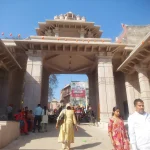
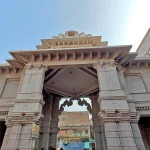
- Ornamental pillars and gateways
Its location along the banks of the “holy Ganga River”, with surrounding hills and spiritual sites, creates an atmosphere charged with faith and serenity.
The town of Vindhyachal itself is a bustling yet deeply sacred environment—filled with shops selling puja items, folk musicians, local artisans, and pilgrims chanting hymns as they move toward the temple.

The Vindhyavasini Corridor: A Monumental Transformation
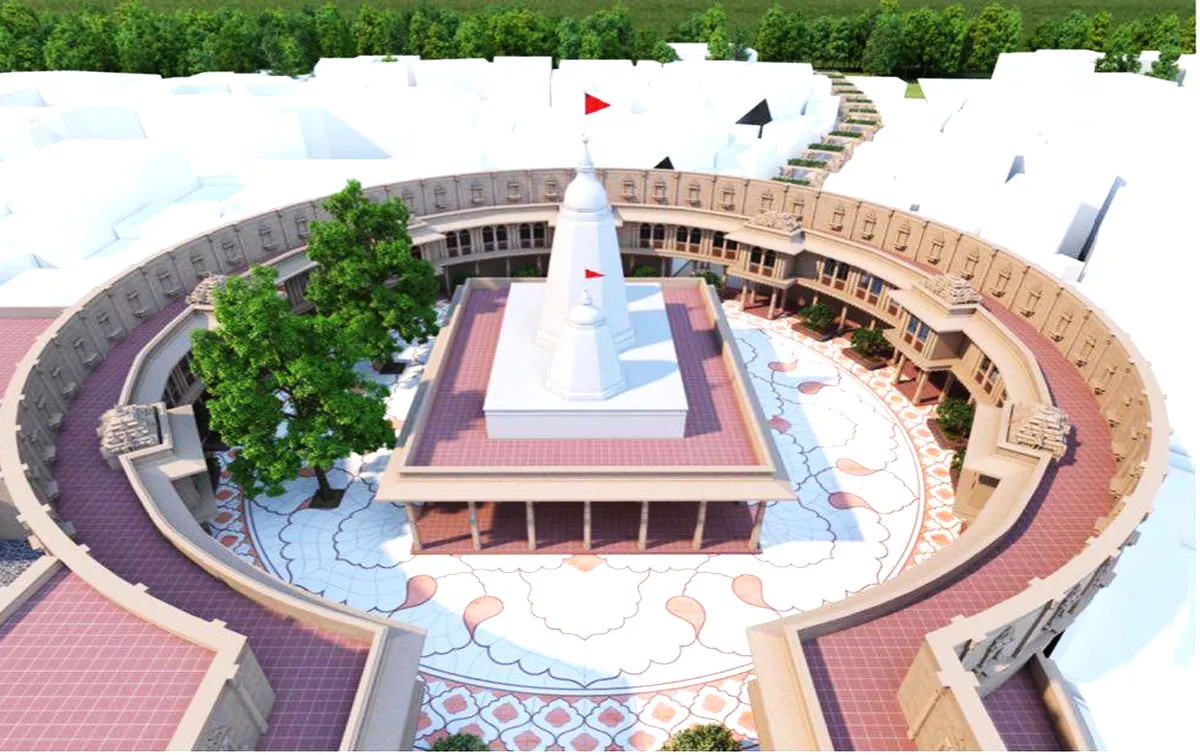
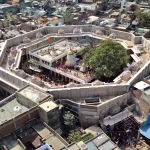
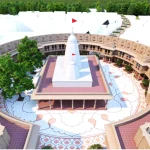
The “Vindhyavasini Corridor Project” marks a historic chapter in the temple’s evolution. Inspired by the success of the Kashi Vishwanath Corridor, this initiative aims to elevate the temple precinct into a more accessible, aesthetically refined, and spiritually immersive destination.
Key Features of the Corridor
1. Grand Pathway to the Temple
A wide, beautifully paved path provides seamless darshan movement from the Ganga ghats to the temple. This eliminates congestion and enhances the flow of devotees, especially during Navratri when footfall peaks dramatically.
2. Traditional Architectural Harmony
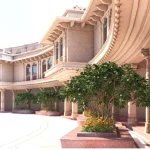
The corridor uses red sandstone, carved panels, and motifs inspired by ancient Indian temple architecture. This design choice preserves the authenticity of the temple’s cultural identity while adding structural elegance.
3. Improved Pilgrim Facilities
The project integrates:
- Shaded resting areas
- Drinking water points
- Aesthetic lighting
- Clean, organized entry and exit zones
This modern infrastructure ensures a comfortable and dignified experience for all visitors.
4. Cultural and Heritage Showcases
The corridor walls and open courts feature:
- Murals depicting Goddess Durga’s mythological journeys
- Stone sculptures celebrating regional folk traditions
- Interpretive signage narrating Vindhyachal’s spiritual history
These elements transform the entire precinct into an open-air cultural museum.

5. Enhanced Riverfront Experience
The link between the temple and the Ganga has been strengthened, creating a scenic, meditative environment where devotees can perform rituals, meditate, or simply absorb the sanctity of the surroundings.
Spiritual Life Around the Temple
A visit to Vindhyachal is not limited to the mandir alone. The surrounding region is steeped in rituals, folklore, and centuries-old traditions. Devotees often participate in:
- Kanya Pujan (worship of young girls as embodiments of the Goddess)
- Deepdaan at the ghats
- Traditional fairs and yatras
- Navratri celebrations, which attract pilgrims from across India
The buzzing local markets, vibrant street food offerings, and devotional songs playing across the lanes create an atmosphere that is both festive and deeply spiritual.
The Corridor’s Impact on Heritage Tourism
The Maa Vindhyavasini Corridor is poised to significantly boost regional tourism by:
- Improving accessibility for national and international visitors
- Strengthening the local economy through tourism-driven employment
- Showcasing traditional craftsmanship and regional culture
- Encouraging heritage conservation and sustainable urban planning
With its blend of architectural vision and spiritual reverence, the corridor stands as a model for how historic religious sites can be revitalized without compromising their cultural essence.

Why Maa Vindhyavasini Mandir Continues to Inspire Millions
Maa Vindhyavasini Mandir is more than a religious landmark—it is a sanctuary of courage, motherly love, and strength. Devotees often share experiences of deep emotional and spiritual transformation after visiting the temple. The corridor project amplifies this sacred experience, ensuring that future generations can connect with the divine in a beautifully preserved environment.
The journey of “Maa Vindhyavasini Mandir and its corridor” reflects the perfect harmony of ancient devotion and modern architectural innovation. It stands as a testament to India’s evolving temple culture—one that respects tradition while embracing thoughtful development.
For architects, spiritual travelers, cultural historians, and pilgrims alike, this sacred space offers a profound encounter with heritage, devotion, and the divine energy of Maa Vindhyavasini.
Most Read Articles:
Shri Ram Janmabhoomi Mandir: A timeless confluence of devotion, architecture & cultural heritage
Grand Janki Mandir to Be Built at Punaura Dham Sitamarhi: ₹882.87 Crore Mega Project Announced
Meenakshi Temple: A Living Masterpiece of Indian Architecture
Varanasi International Cricket Stadium: Where Spirituality Meets Sports
Statue of Unity: The World’s Tallest Statue at 182 Metres | A Complete Guide