Nitish Setu, Bihar
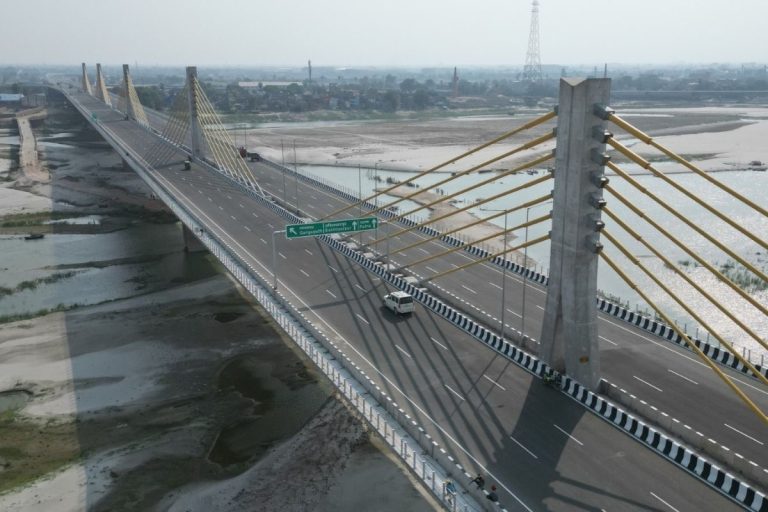
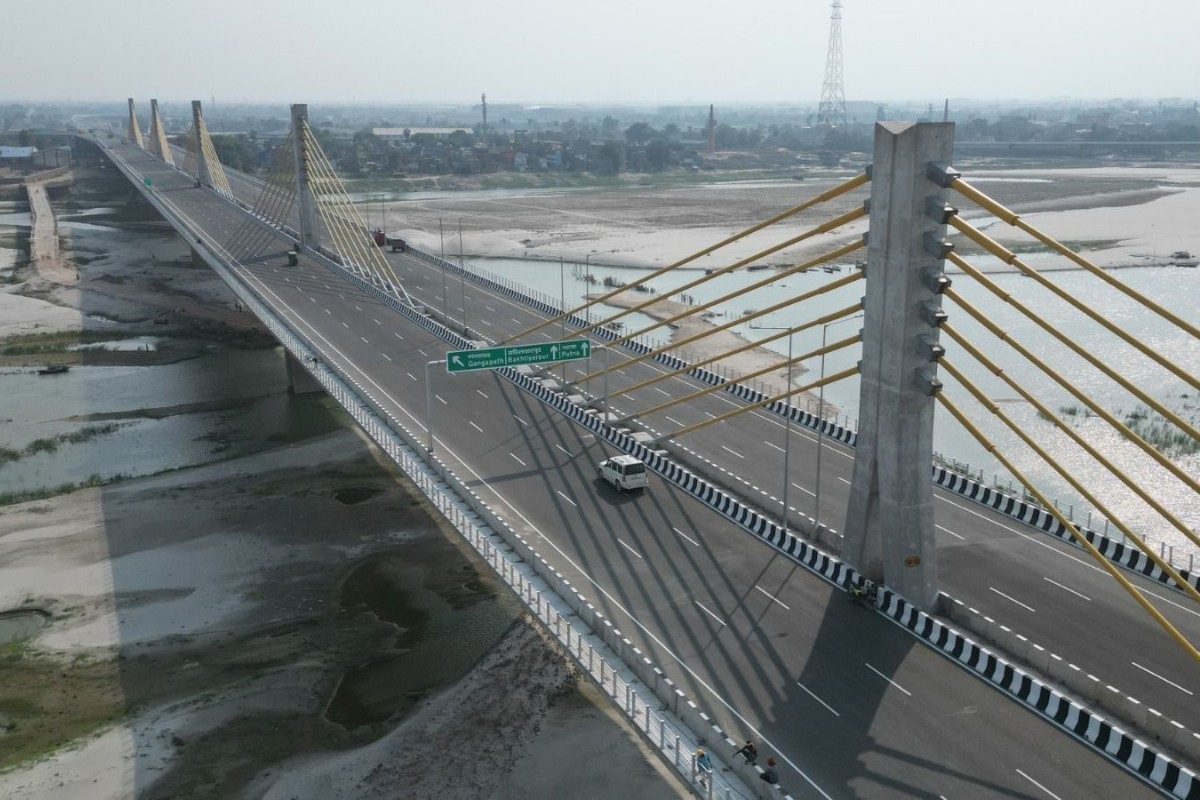
Spanning the River Ganga, Nitish Setu is one of Bihar’s significant infrastructure projects, bringing together large-scale structural engineering, modern bridge technology and regional connectivity. Officially named in November 2026, the Kachchi Dargah–Raghopur–Bidupur Six-Lane Bridge connects Patna with Vaishali district, creating an important transport link between southern and northern Bihar.
Beyond its transportation function, the bridge is an interesting example of contemporary bridge engineering, where structural efficiency, material performance and infrastructure planning come together to create a landmark across a major river.
Key Facts at a Glance:
- Project: Nitish Setu (Kachchi Dargah–Bidupur Bridge)
- Location: Ganga River, Bihar, India
- Project type: Road infrastructure / River bridge
- Bridge design: Extradosed cable-supported bridge
- Main bridge length: Approximately 9.76 km
- Total project length: Approximately 19.76 km
- Width: Approximately 32 metres
- Configuration: Six lanes
- Project cost: Approximately ₹4,988 crore
- Project authority: Bihar State Road Development Corporation Limited (BSRDCL)
- EPC contractor: Larsen & Toubro (L&T) – Daewoo Engineering & Construction JV
- Design consultants: Pyunghwa Engineering Consultants and L&T Infrastructure Engineering Consultants (project attribution to be verified against appointment records)
- Authority Engineer: AECOM–Rodic Consultants JV
- Funding institution: Asian Development Bank (ADB), alongside the Bihar government
- Foundation stone: August 2015
- First section opened: June 2025
- Scheduled inauguration: November 21, 2026

Structural Design: The Extradosed Bridge Concept
One of the defining features of Nitish Setu is its extradosed bridge design. This structural system combines elements of conventional girder bridges and cable-stayed bridges.
In an extradosed bridge, cables pass over relatively low pylons and support the bridge deck, working together with the main girders to distribute structural loads. The arrangement offers an effective solution for long-span crossings where structural strength, durability and construction feasibility are important considerations.
For a river as wide and significant as the Ganga, this approach allows engineers to create a substantial crossing while accommodating river navigation.
The bridge’s six-lane deck, long spans and cable-supported structural system reflect the scale of engineering coordination required for modern transport infrastructure.
Engineering and Construction
The project was awarded to a joint venture of Larsen & Toubro and South Korea’s Daewoo Engineering & Construction in January 2016.
The construction involved extensive foundation work, river piers, large-scale deck construction and specialised stay-cable installation. DYWIDAG Bridgecon India was associated with the specialised cable system.
AECOM–Rodic Consultants JV served as the Authority Engineer, overseeing engineering and project supervision on behalf of the implementing authority.
The project demonstrates how large infrastructure developments depend on collaboration between government agencies, structural engineering consultants, international contractors and specialist suppliers.

Infrastructure with Regional Impact
Nitish Setu is designed to strengthen connectivity between Patna and northern Bihar, particularly the Vaishali region. It also provides an alternative route to existing Ganga crossings, helping distribute traffic and improve regional accessibility.
From an urban development perspective, the bridge is significant because improved connectivity can encourage commercial activity, support regional mobility and open up development opportunities in previously less-connected areas.
An Engineering Landmark for Bihar
Nitish Setu is more than a river crossing. It represents the intersection of structural design, engineering innovation and regional infrastructure planning. Its extradosed configuration and considerable scale make it an interesting addition to India’s contemporary bridge infrastructure.
For architects, civil engineers and infrastructure professionals, the project offers a valuable perspective on how engineering-led design can shape the built environment at a regional scale.
As Bihar prepares for its scheduled inauguration, Nitish Setu stands as a reminder that infrastructure design is not only about connecting places, but also about creating the foundations for future development.