
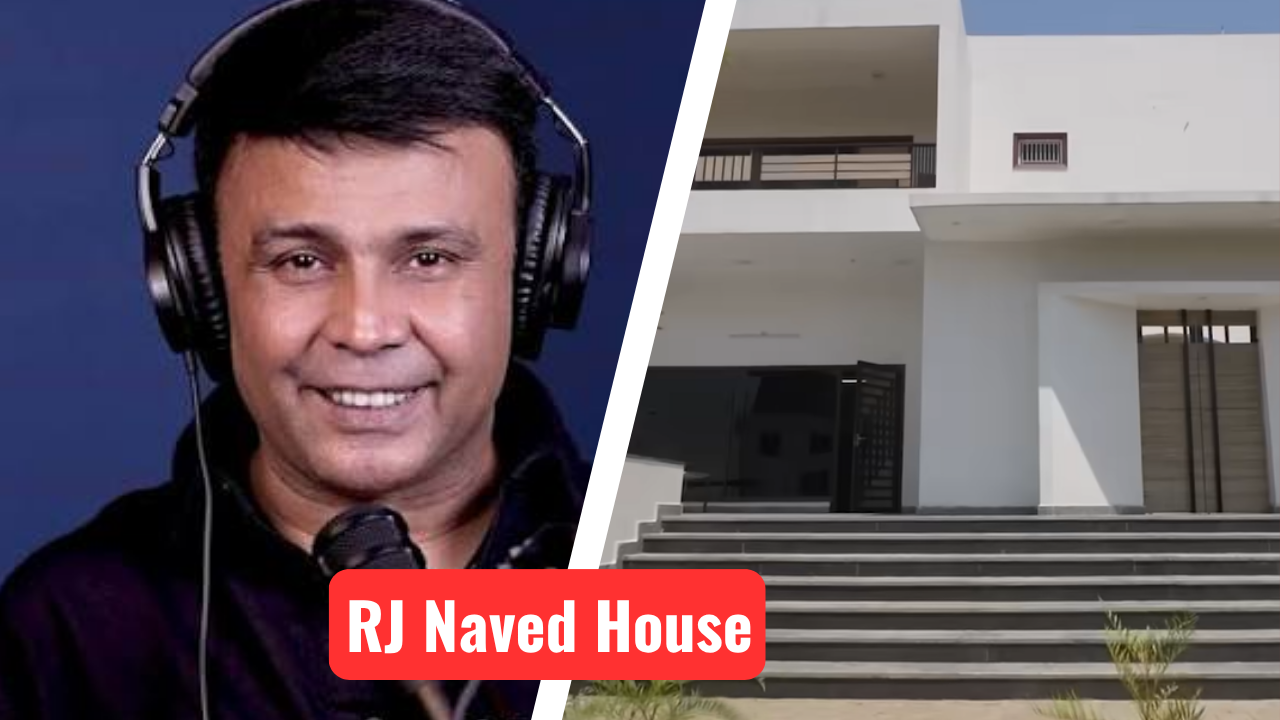
Set in the peaceful village of Bugrasi, Uttar Pradesh, RJ Naved’s ancestral home is a thoughtful example of how rural Indian houses evolve with time while preserving their roots. Surrounded by mango orchards, fruit trees, and open landscapes, the home reflects simplicity, functionality, and a deep connection with nature.
Celebrity homes are often associated with luxury, extravagant interiors, and contemporary design. However, RJ Naved’s ancestral house tells a very different story. Instead of showcasing opulence, the home celebrates the essence of Indian village architecture—where every space is designed around climate, family, and everyday living.
Located in Bugrasi, a village in Uttar Pradesh’s Bulandshahr district, the residence beautifully balances modern construction with traditional planning. It is not just a family home; it is a reflection of rural India’s architectural evolution.
Key Facts:
- Owner: RJ Naved (Naved Siddiqui)
- Location: Bugrasi Village, Bulandshahr District, Uttar Pradesh, India
- Type: Renovated ancestral village home
- Original Structure: Traditional mud (kachcha) house with thatched roofing
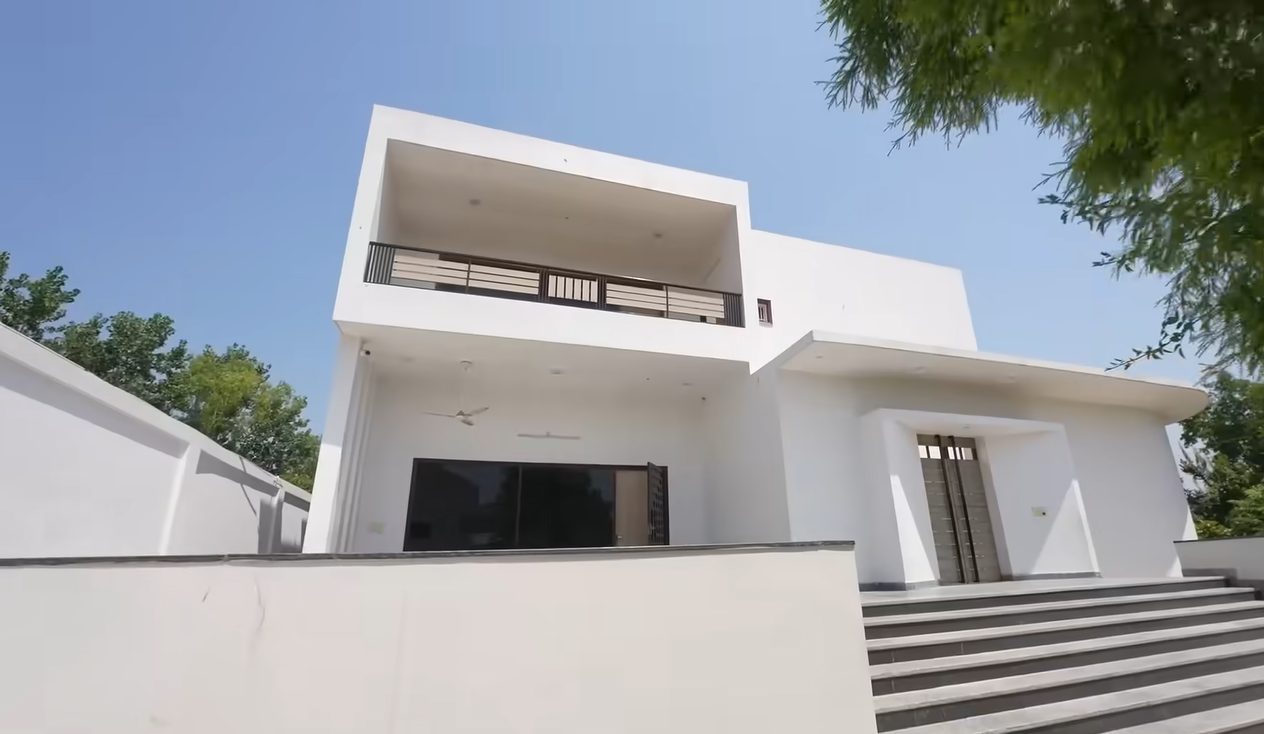
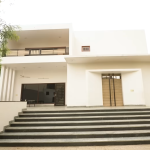
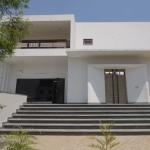
- Current Structure: Modern brick-and-concrete (pakka) residence built on the original family plot
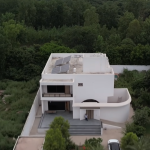
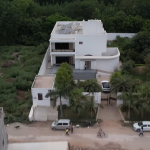
- Surrounded By: Mango orchards, farmland, tube wells, fruit trees, and open green landscapes
- Special Feature: Organic cooling concepts including a circular mud room
- Lifestyle: A blend of modern living and traditional village culture
- Known For: Being the childhood home of India’s famous prankster RJ Naved
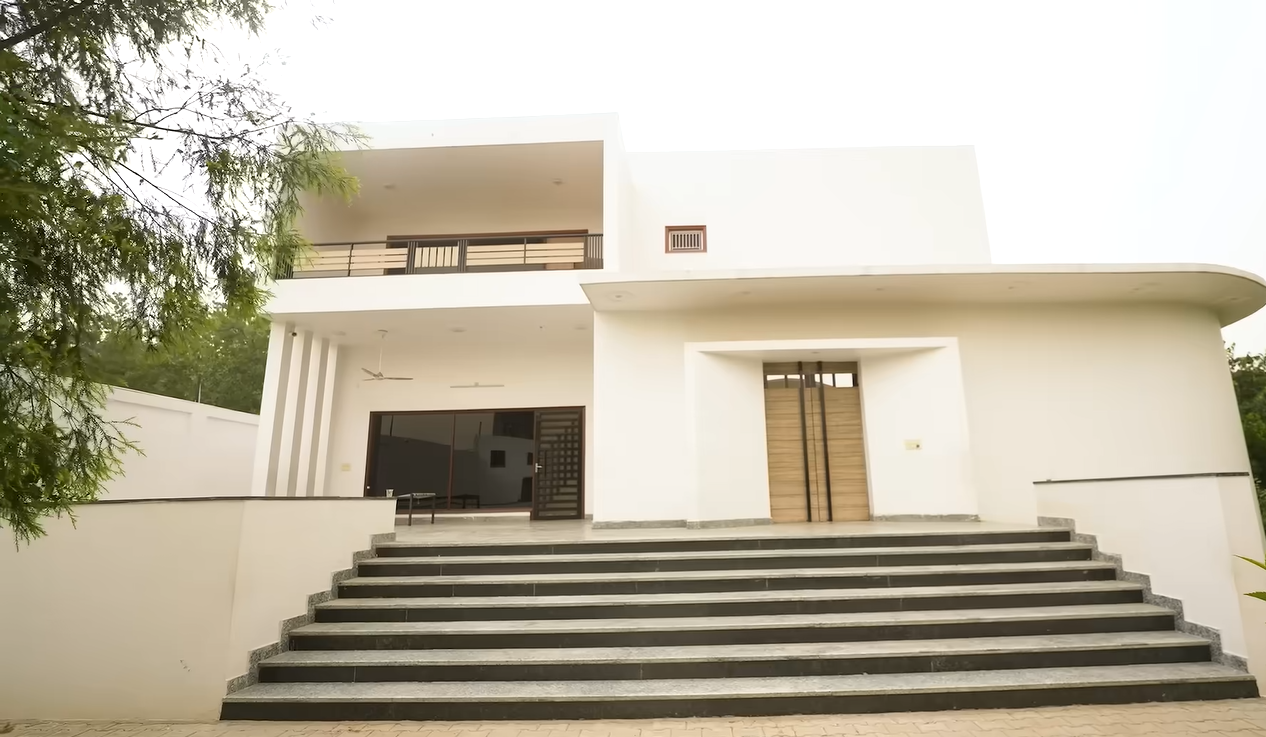
From a Traditional Mud House to a Modern Family Home
During the home tour, RJ Naved shared that the house originally stood as a kachcha (mud) structure with a traditional thatched roof. Like many village homes built decades ago, it was constructed using locally available materials that naturally responded to the region’s climate.
As the family’s needs changed and the village developed, the old structure was rebuilt into a pakka house. While the materials changed, the home continues to occupy the same ancestral land where Naved spent his childhood.
This transformation mirrors the journey of many Indian village homes, where traditional dwellings are gradually upgraded without losing their emotional and cultural significance.
An Open Layout That Connects the Home with Nature
One of the defining characteristics of RJ Naved’s house is its openness.
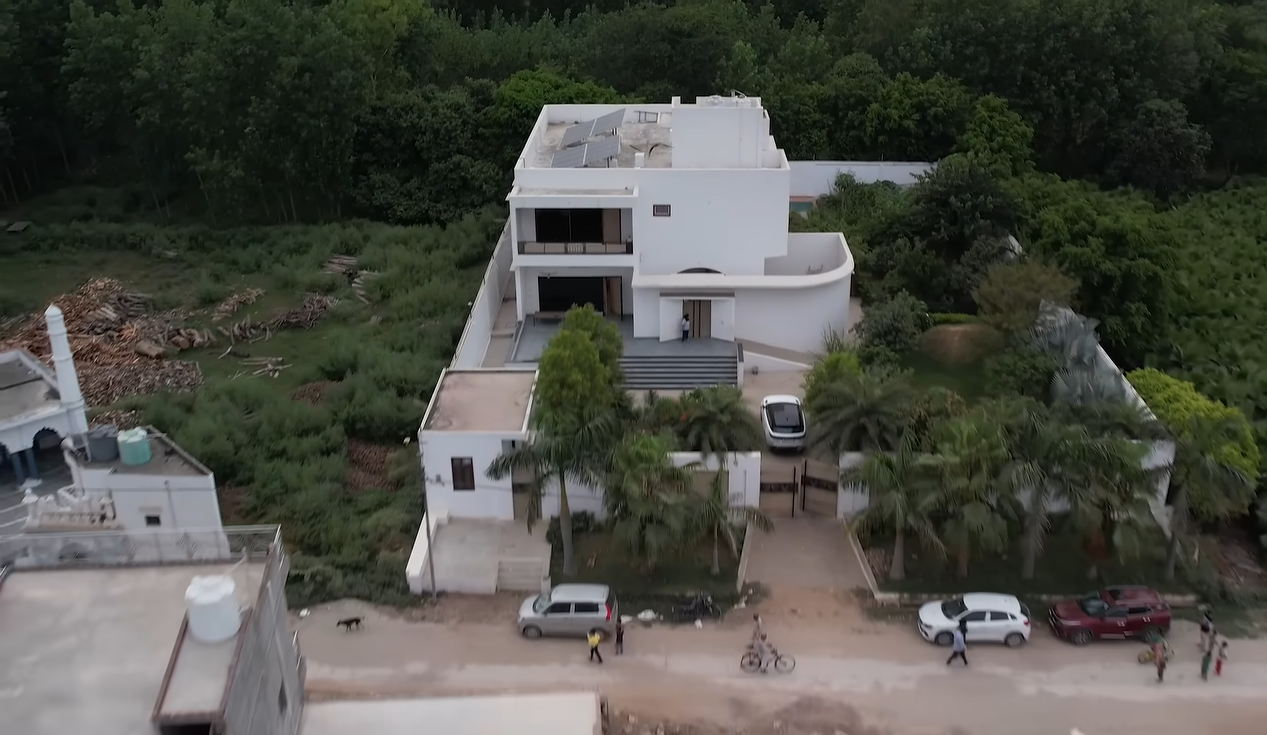
Unlike compact urban homes that are often confined by plot sizes, the property enjoys generous outdoor space. The house opens into green surroundings filled with orchards, gardens, and agricultural land, creating a seamless relationship between architecture and landscape.
Instead of separating the built structure from nature, the design embraces it. Trees, cultivated fields, and open courtyards become natural extensions of the living environment, offering uninterrupted views and constant ventilation.
This planning approach has long been a hallmark of traditional rural architecture across northern India.
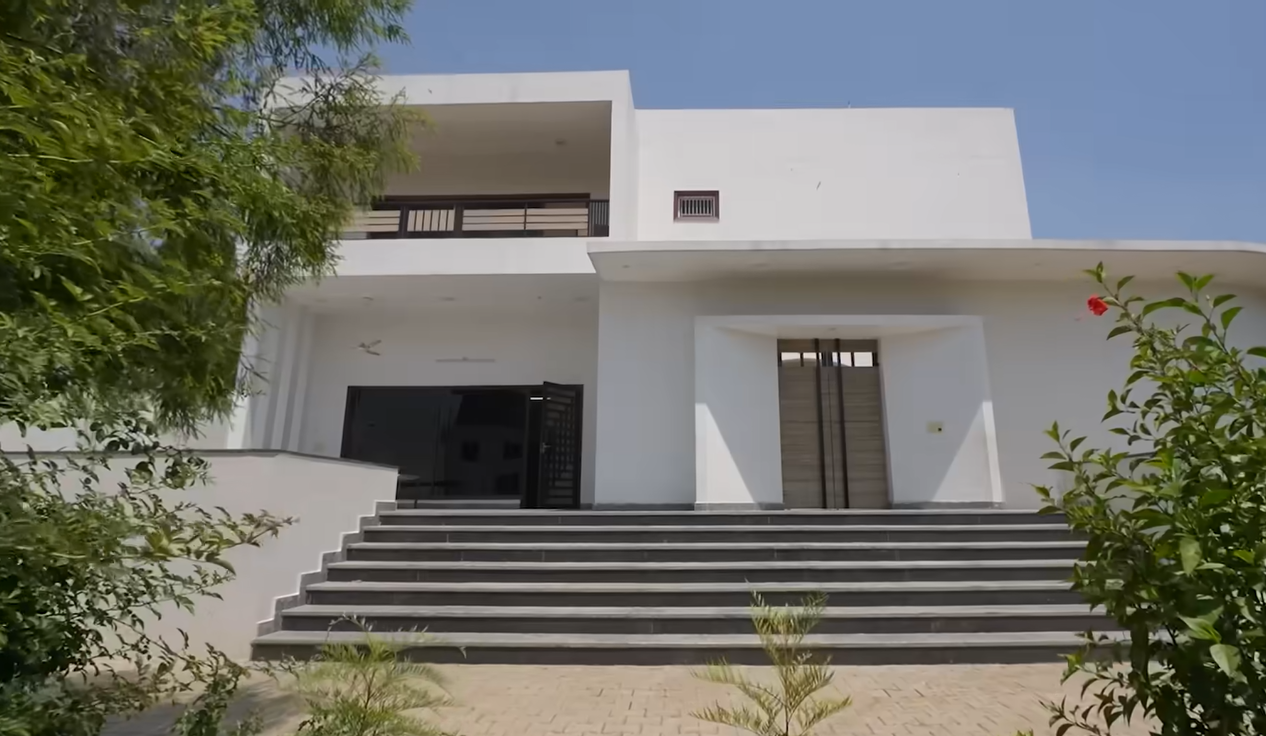
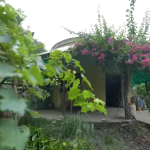
A Home Surrounded by Fruit Trees and Orchards
The landscape surrounding the house is one of its most distinctive architectural features.
The property includes a variety of fruit-bearing trees such as lemon, guava, litchi, and mango, while the family’s orchards stretch beyond the immediate residence. According to RJ Naved, the region is known for mango cultivation, and the family grows multiple varieties of the fruit.
Rather than functioning as decorative landscaping, these plantations are integrated into the daily life of the household. The greenery provides shade, enhances the microclimate, and reinforces the strong relationship between the house and its agricultural setting.
The result is a home that feels deeply rooted in its environment rather than isolated from it.
Traditional Elements That Continue to Define the Property
Although the residence has been modernized, several traditional features remain an important part of the home.
A hand pump still stands within the property, representing a time when groundwater was manually drawn for daily household use. During the tour, RJ Naved demonstrated how the hand pump was operated and recalled using it throughout his childhood.
These preserved elements add authenticity to the property and offer a glimpse into the architectural lifestyle of rural India before modern utilities became widespread.
The Circular Mud Room: A Lesson in Climate-Responsive Design
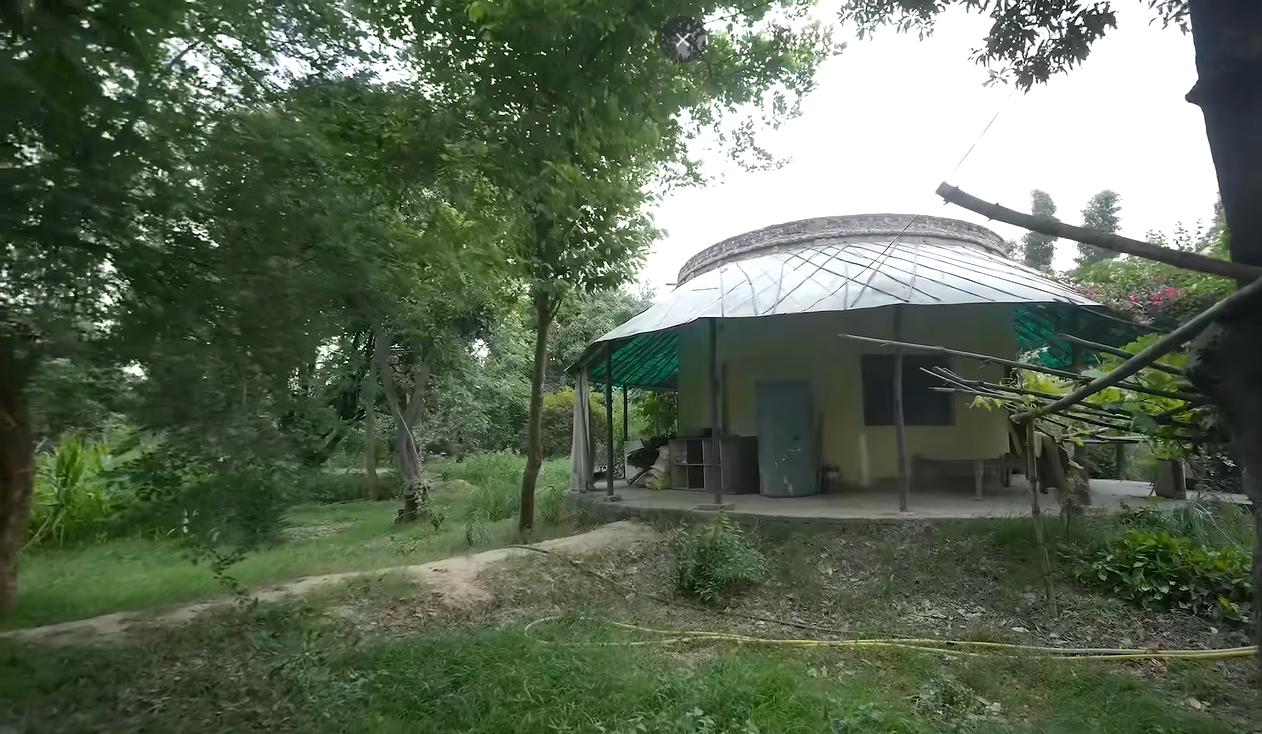
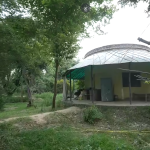
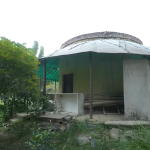
One of the most interesting spaces in the house is a circular room that RJ Naved describes as being built primarily with mud.
He explains that the rounded form helps keep the space cooler during the hot summer months. While simple in appearance, this design reflects principles that have long been practiced in vernacular Indian architecture—using locally available materials and building forms that naturally improve indoor comfort.
The room demonstrates how traditional construction methods can create pleasant living conditions with minimal dependence on mechanical cooling.
Its earthy finish, curved geometry, and organic character also give the space a unique architectural identity that stands apart from conventional rectangular rooms.
Outdoor Living as an Extension of the Home
In RJ Naved’s ancestral house, life is not confined within walls.
Much of the family’s daily activity naturally extends outdoors. Meals are prepared in open spaces, conversations happen in the courtyard, and the surrounding landscape becomes part of everyday living.
This seamless connection between indoor and outdoor spaces reflects one of the defining qualities of rural Indian homes, where architecture supports community interaction and a closer relationship with nature.
Such planning also allows better daylight, improved airflow, and flexible gathering spaces for family and guests.
Simplicity Over Ornamentation
The architectural character of the house is defined by function rather than decoration.
Instead of elaborate façades or luxurious finishes, the home emphasizes spaciousness, natural surroundings, and practical planning. Every element serves a purpose, whether it is the shaded outdoor areas, open circulation spaces, or the preserved traditional utilities.
This understated approach gives the residence a timeless quality, proving that thoughtful planning often creates a stronger sense of place than excessive ornamentation.
A Reflection of Rural Indian Architecture
RJ Naved’s ancestral home represents a style of architecture that has gradually become less common as rapid urbanization changes the Indian landscape.
Its evolution from a mud house to a permanent family residence illustrates how rural homes adapt to contemporary lifestyles while retaining their connection to tradition. Open land, orchards, natural ventilation, locally inspired construction, and community-oriented spaces remain central to its identity.
Rather than competing with nature, the architecture works alongside it, allowing the landscape to become an integral part of the home’s design.
Archidust’s Take
RJ Naved’s house is a reminder that meaningful architecture is not measured by luxury alone. Its greatest strength lies in its authenticity—a home that has grown with its family while staying deeply connected to its surroundings.
From its transformation from a traditional village dwelling to a modern residence, to its open planning, orchard views, and climate-responsive mud room, the house reflects values that continue to inspire contemporary architecture: sustainability, simplicity, and a strong sense of place.
In an era of increasingly standardized homes, RJ Naved’s ancestral residence stands as a beautiful example of how regional identity and architectural heritage can continue to shape modern living.
Related Article:
Inside Kumar Vishwas’ Luxurious Noida House: A Blend of Poetry, Art, and Palace-Style Living
Gautam Adani House: Inside the luxurious residence of India’s business tycoon in Ahmedabad
Mukesh Ambani House: Antilia, the world’s most expensive private residence in Mumbai
Jeff Bezos House: Inside the Mansions and Estates of the Amazon Founder
Bill Gates’s House: An inside look at all the homes owned by the Microsoft co-founder
Michael Jordan’s homes: A design-led journey through his signature residences
Abode: Inside Anil Ambani’s iconic Pali hill residence that redefines luxury living in Mumbai
Inside Jalsa: An architectural perspective on Amitabh Bachchan’s iconic Mumbai residence
Abode: Inside Anil Ambani’s iconic Pali hill residence that redefines luxury living in Mumbai
Jatia House: Kumar Mangalam Birla’s iconic home of luxury and heritage in Mumbai
Gulita: The diamond-inspired seafront mansion of Isha Ambani and Anand Piramal
Inside Sea Wind: The 17-Storey family home Mukesh Ambani shared with Anil Ambani before Antilia
Goolestan (Om Arc): Inside Anand Mahindra’s heritage home on Nepean sea road, Mumbai
Deepinder Goyal House: Inside the Zomato Founder’s luxury home at DLF Camellias
Bhavish Aggarwal house: Inside the Ola Co-founder’s Private Residence in Bengaluru
Inside Sundar Pichai and Anjali Pichai’s House: A blend of modern luxury and thoughtful design
Satya Nadella House: A Peek Inside the Microsoft CEO’s Residence
Adar & Natasha Poonawalla’s Farmhouse: Inside a retreat of elegance and equestrian charm
Shiv Nadar’s Residence: Where art and vision shape the HCL founder’s home
Nikhil Kamath House: Inside Zerodha co-founder’s luxury Bengaluru home
Inside Anil Agarwal’s House: A look at the Vedanta billionaire’s London mansion
Uday Kotak House: Inside the iconic sea-Facing “Champagne House” in Mumbai
Sunil Bharti Mittal’s Mansion in Delhi: Inside a legacy home in India’s most exclusive address
Inside Lakshmi Niwas Mittal’s global real estate empire: Steel, Success & Super Homes
Nithin Kamath House: A look inside the Zerodha CEO and founder’s lifestyle & design philosophy
Inside Savitri Jindal House: A Look at the Elegant Residences of India’s Richest Woman
Mamata Banerjee House: A look inside the modest home of Bengal’s CM residence
Inside Pawan Kalyan’s Rs 130 Crore Jubilee Hills Mansion: A perfect blend of luxury and tradition
Pawan Kalyan’s new House at Pithapuram: Where architecture meets political identity
Inside CarryMinati’s House: Modern interiors, gaming studio & creator lifestyle
Sidhu Moose Wala House: Inside the Iconic Punjab mansion that became a landmark for fans
Aamir Khan House: A look inside the Bollywood Star’s elegant and minimalist home
Tim Cook House: Inside Apple’s CEO’s private home and the philosophy behind it
David Warner House: Inside the Five-Level Oceanfront Sydney Home of Australia’s Cricket Star
Cristiano Ronaldo House: Inside the football legend’s stunning luxury homes around the world