
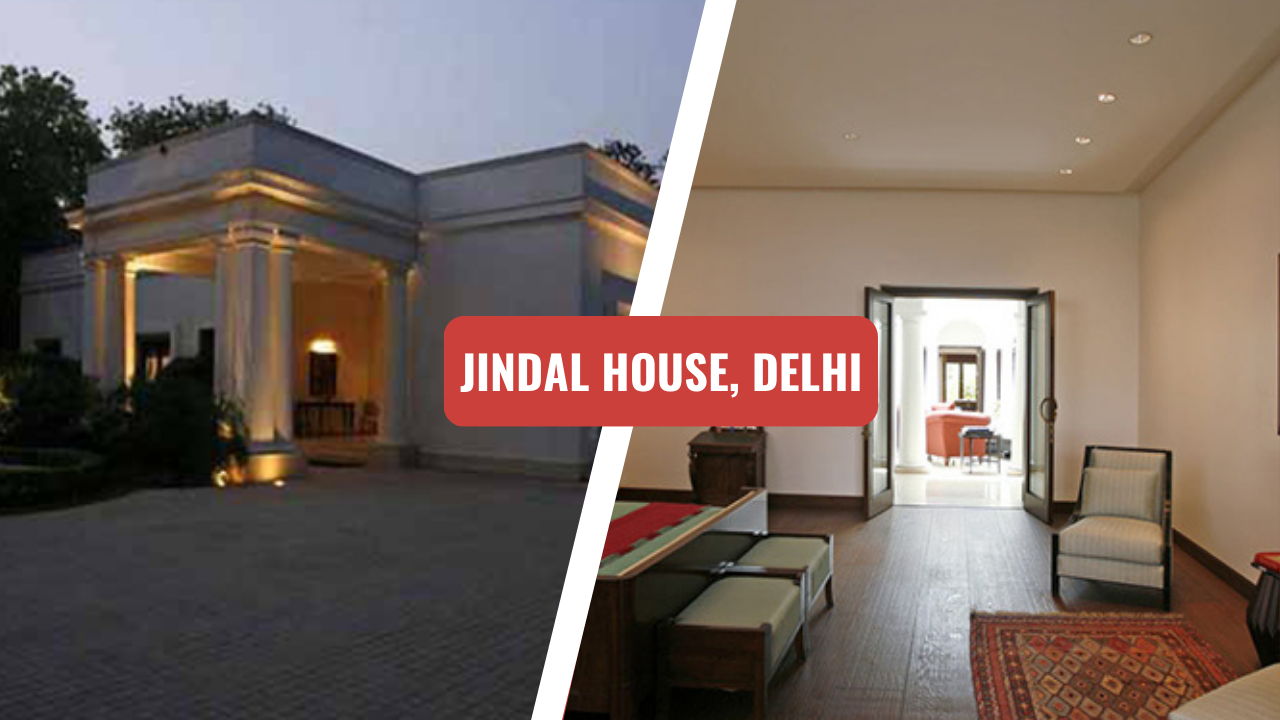
Image courtesy of ABM (formerly ABM Architects)
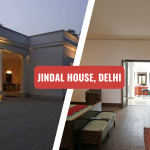
Jindal House, Delhi: A Grand Architectural Statement in the Heart of Lutyens’ Zone
Jindal House stands as one of the most remarkable private residences in India, symbolizing luxury, scale, and architectural sophistication. Nestled in the prestigious Lutyens Bungalow Zone (LBZ) of New Delhi, this sprawling estate reflects the stature of its owner and the exclusivity of its location. With an estimated value ranging between Rs. 120 to 150 crores, Jindal House is widely regarded as one of the costliest residential properties in the country.
Owned by Jindal family, one of India’s leading industrialists, the residence seamlessly blends grandeur with greenery, making it a landmark in Delhi’s elite residential landscape.
Overview of Jindal House
- Project Name: Jindal House
- Renovation and Interior: ABM Architects (led by Principal Architect Alfaz Miller)
- Owner: Jindal family
- Location: Lutyens Bungalow Zone, New Delhi
- Plot Area: Approximately 3 acres
- Estimated Cost: Rs. 120–150 crores
- Built Area: 10,000 sq. ft.
- Year Completed: 2007-2008
- Year Duration: 6 Months
The residence is set amidst lush green surroundings, benefiting from the low-density planning regulations that define the Lutyens Bungalow Zone—an area reserved for only the most distinguished addresses in the capital.
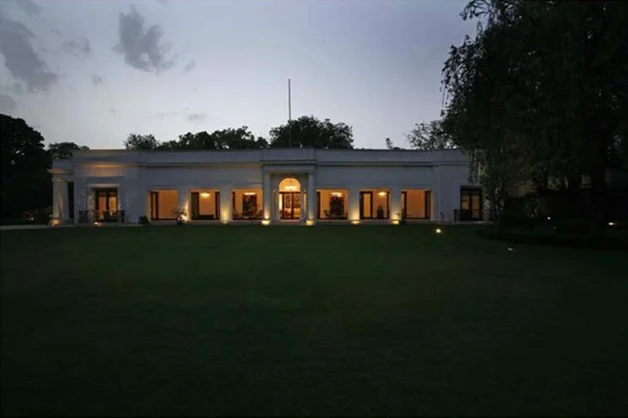
The Prestige of Lutyens Bungalow Zone
The Lutyens Bungalow Zone is synonymous with power, legacy, and architectural heritage. Designed during the British era, this zone houses residences of senior politicians, diplomats, industrialists, and high-ranking officials. Strict development controls ensure:
- Low building heights
- Expansive lawns and setbacks
- A harmonious balance between architecture and nature
Owning property in this zone is not merely about luxury—it represents status, history, and exclusivity. Jindal House fits seamlessly into this context while asserting its own architectural identity.
Architectural Grandeur and Design Philosophy
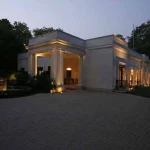
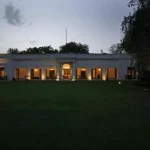
Jindal House is an architectural marvel that emphasizes scale, symmetry, and refinement. Spread across 3 acres, the residence is designed to offer privacy while maintaining openness through landscaped gardens and courtyards.
Key Architectural Highlights:
- Expansive frontage with a grand entrance
- Symmetrical massing inspired by classical design principles
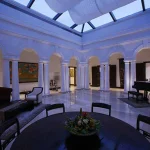
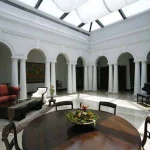
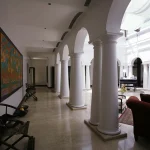
- Large internal volumes with high ceilings
- Wide verandas and transitional spaces that blur the line between indoors and outdoors
The architectural language reflects timeless elegance rather than fleeting trends, ensuring that the residence remains relevant for decades.
Landscape and Outdoor Spaces
One of the defining features of Jindal House is its extensive green landscape. In a city as dense as Delhi, dedicating three acres to a private residence is extraordinary.
The property includes:
- Manicured lawns
- Tree-lined pathways
- Private gardens for recreation and relaxation
- Open spaces that enhance natural ventilation and daylight
These landscaped areas not only add aesthetic value but also contribute to environmental comfort and sustainability.
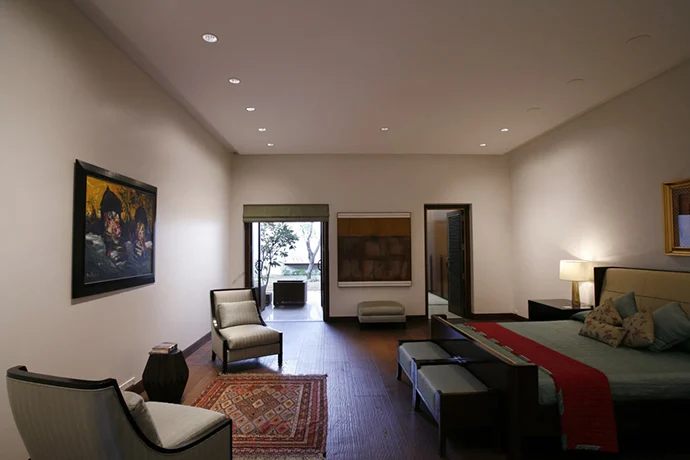
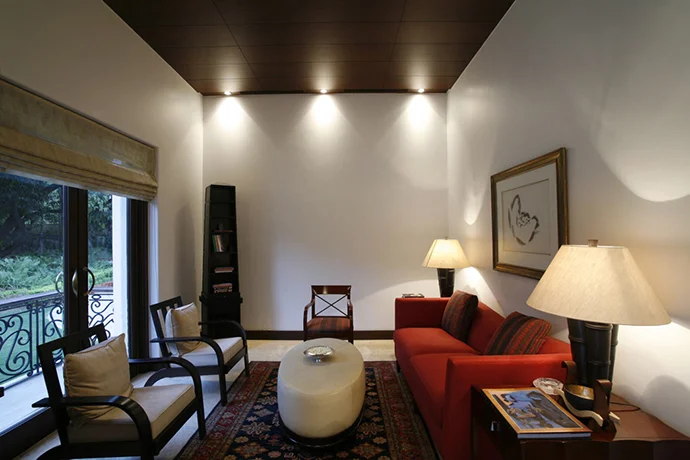
Interiors: Luxury Meets Functionality
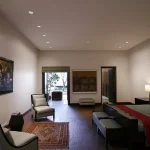
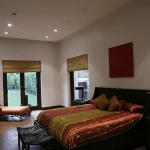
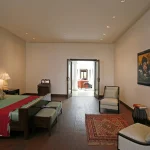
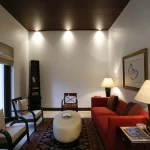
While details of the interiors remain largely private, residences of this scale typically feature:
- Lavish living and dining spaces
- Multiple bedrooms with en-suite facilities
- Private lounges and family areas
- Spaces for hosting large gatherings and formal events
The interiors are likely crafted using premium materials, bespoke finishes, and high-end craftsmanship, aligning with the overall grandeur of the property.
Estimated Cost and Property Value
With an estimated cost of Rs. 150 crores, Jindal House ranks among India’s most expensive private homes. The valuation is influenced by:
- Prime LBZ location
- Massive land parcel
- Architectural scale and exclusivity
- Rising real estate values in central Delhi
Given the scarcity of land and strict regulations in the Lutyens zone, properties like Jindal House are considered long-term legacy assets.
Jindal House as a Symbol of Modern Indian Wealth
Beyond architecture, Jindal House represents the evolution of modern Indian luxury homes—where privacy, sustainability, and design excellence come together. It showcases how contemporary industrial leaders invest not only in business but also in creating enduring architectural landmarks.
Jindal House is more than just a residence—it is a statement of architectural ambition, refined taste, and elite urban living. Located in one of Delhi’s greenest and most prestigious zones, the house exemplifies how large-scale residential architecture can coexist harmoniously with nature and heritage.
For architecture enthusiasts, designers, and real estate observers, Jindal House remains a fascinating example of luxury residential architecture in India’s capital city—timeless, expansive, and undeniably iconic.

Related Article:
Elon Musk’s Houses: Tour the Stunning Homes Owned by the Tesla Billionaire
Mark Zuckerberg’s Houses: An Inside Look at the Luxurious Homes of Facebook’s Founder
Gautam Adani House: Inside the luxurious residence of India’s business tycoon in Ahmedabad
Mukesh Ambani House: Antilia, the world’s most expensive private residence in Mumbai
Jeff Bezos House: Inside the Mansions and Estates of the Amazon Founder
Bill Gates’s House: An inside look at all the homes owned by the Microsoft co-founder
Michael Jordan’s homes: A design-led journey through his signature residences
Abode: Inside Anil Ambani’s iconic Pali hill residence that redefines luxury living in Mumbai
Inside Jalsa: An architectural perspective on Amitabh Bachchan’s iconic Mumbai residence