

Mandir direction in home as per Vastu
The Ultimate Vastu Guide to Mandir Placement in Your Home: Directions, Tips & Sacred Harmony
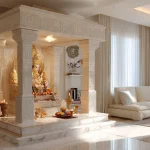
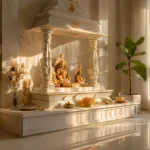
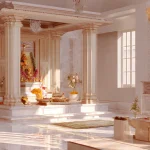
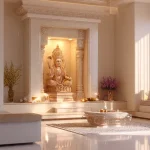
A mandir (home temple) is one of the most sacred spaces in an Indian home. It is where spirituality blends into daily life, offering peace, positivity, and a deeper connection with divine energy. According to **Vastu Shastra**, the ancient Indian science of architecture, the **direction and placement of your home mandir** play a crucial role in maintaining harmony and attracting positive vibrations into your living space.
This guide shares practical Vastu tips to help you place your mandir correctly, ensuring spiritual balance, serenity, and well-being for your household.
Why Mandir Direction Matters in Vastu?
Vastu Shastra emphasizes that every direction carries a unique type of energy. When a mandir is placed in an auspicious direction, it allows divine and cosmic energies to flow freely into the home. This enhances spiritual growth, mental peace, and overall positivity. Incorrect placement, on the other hand, may disrupt the energy balance and reduce the spiritual impact of daily prayers.

Best Directions for Mandir Placement
1. Northeast (Ishan Kona) – The Most Auspicious Direction
The “northeast corner”, also known as Ishan Kona, is considered the most sacred zone in Vastu. It is believed to be the center of spiritual energy, making it the ideal location for a home mandir or pooja room.
2. Alternative Auspicious Directions
If the northeast corner is unavailable, the following directions are also suitable:
East – Represents sunrise, vitality, and spiritual awakening
North – Associated with prosperity, growth, and positive energy
3. Directions to Avoid for Mandir Placement
Certain directions are traditionally considered inauspicious for placing a mandir:
4. South direction, as it is believed to attract heavier energies
Southeast corner, which is associated with fire and may cause imbalance
Areas under staircases, inside basements, or near toilets should be strictly avoided, as they compromise the sanctity of the space
Correct Orientation of Idols and Deities
The direction in which idols are placed is equally important:
- Deities should ideally face east or west
- Worshippers should face east or north while praying
- Avoid idols facing south or north directly
- Keep idols slightly away from the wall to allow proper energy flow
- Ensure that idols are not overcrowded and are placed with respect and symmetry.

Practical Tips for Mandir Placement
Choose a Clean, Peaceful Area
The mandir should be placed in a calm, clean, and clutter-free area. Natural light, good ventilation, and a peaceful atmosphere enhance spiritual focus.
Ground Floor Placement is Preferred
If possible, place the mandir on the ground floor of the house. This supports stable energy flow and is considered more auspicious than upper floors.
Mandir Doors and Entry
Mandir or pooja room doors should ideally open toward the “east or north”. Wooden doors with a simple or traditional design enhance the sacred feel of the space.
Keep the Space Organized
Avoid using the mandir area for storage. Religious items such as incense, prayer books, bells, and lamps should be neatly arranged and used regularly.
Lighting and Sacred Elements
Lighting plays a vital role in energizing the mandir:
- Use “diyas, oil lamps, or soft warm lighting”
- The lamp can be placed in the “east or southeast” area of the mandir
- Avoid placing lights in the “south direction”
Lighting should feel soothing and sacred rather than harsh or decorative.

Colours and Decor for the Mandir
Soft and calming colours help create a serene spiritual environment. Suitable colour choices include:
- White
- Cream
- Light yellow
- Soft pastel shades
Avoid dark, overly bright, or distracting colours. Keep decorations minimal and meaningful, such as fresh flowers, spiritual symbols, or sacred texts.
Common Vastu Don’ts for Home Mandir
To maintain positive energy, avoid these mistakes:
- Do not place the mandir below staircases or adjacent to bathrooms
- Avoid storing items above or inside the mandir
- Do not place photographs of deceased ancestors in the mandir
- Idols should not face each other
- Avoid placing the mandir directly opposite the main entrance
- Do not attach the mandir wall to a toilet or kitchen wall
Mandir Placement in Small Homes or Apartments
Limited space does not limit spirituality. In compact homes:
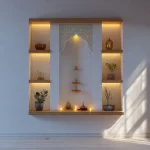
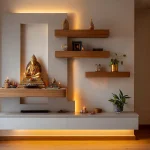
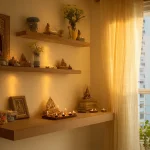
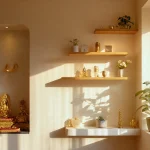
- Opt for a “wall-mounted or corner mandir”
- Place it in the “northeast, east, or north” direction
- Ensure the mandir is dedicated solely to worship
- Always face “east or north” while praying
Even a small, well-maintained mandir can create a powerful spiritual atmosphere.
A thoughtfully placed mandir brings “peace, positivity, and divine harmony” into your home. By following Vastu principles related to direction, idol placement, lighting, and cleanliness, you can create a sacred space that supports both spiritual growth and emotional well-being.
Whether your home is large or small, the right intention combined with correct placement can transform your mandir into a true sanctuary of calm and devotion.

Frequently Asked Questions (FAQs):
1. Which is the best direction for a home mandir as per Vastu?
The northeast direction (Ishan Kona) is considered the most auspicious place for a home mandir. It is believed to attract positive and divine energy, making it ideal for meditation and daily prayers. If the northeast is not available, the east or north direction can be chosen as suitable alternatives.
2. Can a mandir be placed in the bedroom?
Yes, a mandir can be placed in the bedroom if space is limited, but certain precautions must be taken. The mandir should not face the bed, and it should be placed in the “northeast, east, or north corner” of the room. Always maintain cleanliness and avoid placing the mandir near wardrobes or cluttered areas.
3. Which direction should I face while praying?
According to Vastu principles, you should face “east or north” while praying. These directions are associated with positive energy, clarity, and spiritual growth.
4. Is it acceptable to keep the mandir in the kitchen or dining area?
Placing a mandir in the kitchen or dining area is generally not recommended. The kitchen represents the fire element and daily activity, which may disturb the sanctity of the worship space. If unavoidable, ensure the mandir is kept separate and away from cooking areas.
5. Can a wall-mounted mandir follow Vastu principles?
Yes, wall-mounted mandirs are perfectly acceptable, especially in apartments and small homes. Ensure the mandir is installed in the northeast, east, or north direction, and that idols are not placed directly against the wall. The mandir should be at a comfortable eye level for worship.
6. How many idols should be kept in a home mandir?
Ideally, a home mandir should not be overcrowded. It is recommended to keep one main idol or a few selected deities. Too many idols can disturb the energy balance and make the space feel cluttered.
7. What is the ideal height for placing idols in a mandir?
The idols should be placed so that the devotee’s eyes naturally fall on them while standing or sitting for prayer. Avoid placing idols directly on the floor. A raised platform or altar is considered ideal.
8. Can I keep photos of gods instead of idols?
Yes, photos or framed images of deities are acceptable, especially in smaller homes. Ensure they are placed respectfully, kept clean, and not mixed with non-religious photographs or decorative items.
9. Is it necessary to have a door for the mandir or pooja room?
While not mandatory, having a door for the mandir or pooja room is considered auspicious. Doors facing east or north are preferred, as they help maintain privacy and spiritual focus.
10. What should be avoided inside the mandir?
Avoid placing broken idols, damaged photos, expired flowers, or unnecessary items inside the mandir. The space should always be clean, peaceful, and dedicated solely to worship.
Read similar post:
Course on Interior design: A complete guide to building a creative career
Kitchen direction as per Vastu Shastra: A guide to harmonious living
Experts share simple Vastu principles to fill your home with positive energy and peace