
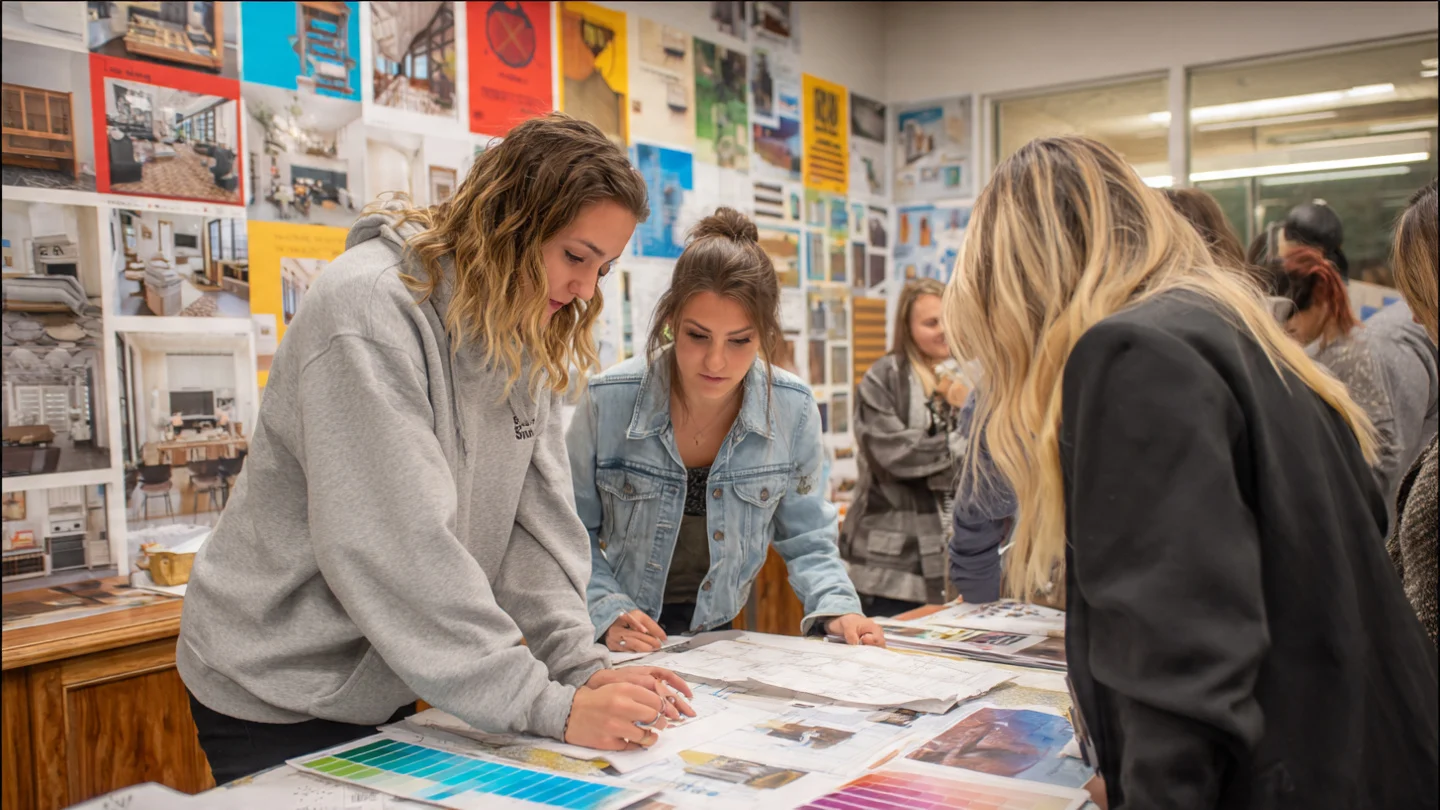
Interior design has evolved into one of the most dynamic and in-demand creative professions of the modern world. As homes, offices, commercial spaces, and hospitality environments increasingly prioritize aesthetics, functionality, and user experience, the need for qualified interior designers continues to rise. A course in interior design opens the door to a creative career built on artistry, technical knowledge, and innovative thinking.
Whether you are a student exploring creative fields, a professional looking for a career shift, or someone passionate about transforming spaces, a structured interior design course can provide the right foundation to succeed in this industry. This article explores the scope, curriculum, skills, specializations, career opportunities, and the importance of formal training in interior design.

Why Choose a Course in Interior Design?
Interior design blends creativity with technical expertise. A formal course helps learners understand how design principles can be applied to create functional, safe, and visually appealing spaces. Beyond decorating, interior design involves space planning, material selection, lighting design, color theory, and advanced visualization techniques.
Key reasons to take an interior design course:
- Develop professional-level design skills
- Learn industry-standard software and tools
- Understand materials, ergonomics, and building codes
- Gain hands-on experience through projects and internships
- Build a strong portfolio for job placements
- Explore diverse career opportunities across industries
Interior design education gives aspiring designers the confidence and proficiency needed to translate concepts into real-world spaces.

Types of Interior Design Courses
Interior design education is offered at various levels, allowing students to select based on their goals, time commitment, and prior experience.
1. Degree Programs
- Bachelor of Interior Design (B.Des./B.Sc./B.A.)
- Master’s in Interior Design (M.Des./M.Sc.)
These programs are ideal for students seeking in-depth understanding and long-term careers. They cover design theory, architecture basics, and advanced technical skills.
2. Diploma Courses
- One-year or two-year programs
- Focus on practical knowledge and skill-building
- Suitable for beginners or those wanting a faster route into the profession
3. Short-Term Certificate Courses
Topic-specific training such as:
- AutoCAD for interior design
- SketchUp, Revit, 3ds Max
- Space planning
- Lighting design
- Furniture design
Perfect for skill enhancement or professional upskilling
4. Online Interior Design Courses
- Flexible learning schedules
- Interactive modules, assignments, and quizzes
- Affordable entry into the field
- Ideal for working professionals and hobbyists
What You Learn in an Interior Design Course
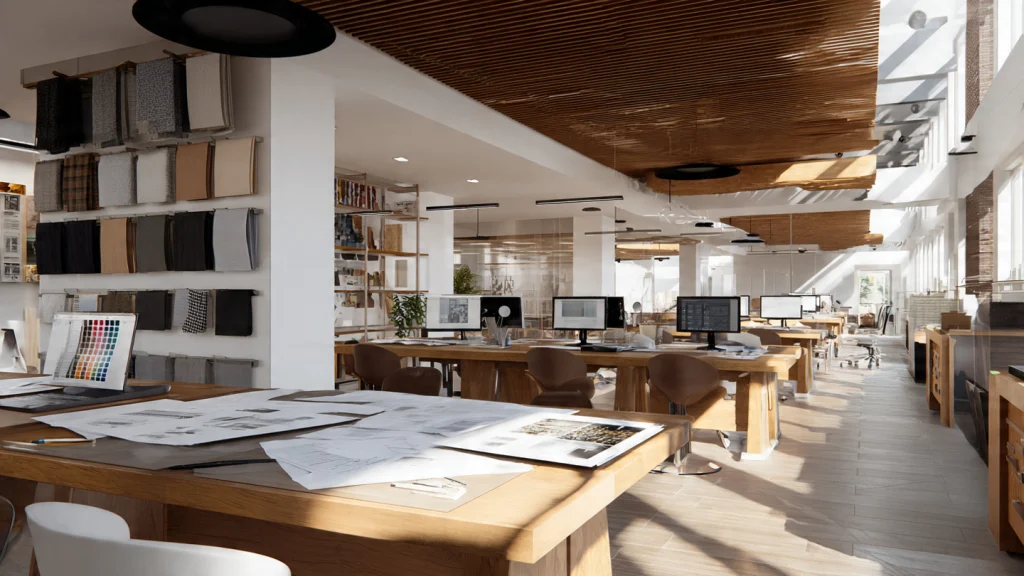
Interior design courses are structured to provide a balanced mix of creative exploration, technical knowledge, and practical experience.
Core Subjects & Modules Include:
1. Design Principles & Elements
- Balance, rhythm, contrast, harmony
- Color theory and psychology
- Patterns, textures, materials
2. Space Planning
- Functional layouts
- Circulation patterns
- Ergonomics and anthropometrics
3. Architectural Fundamentals
- Basic structural systems
- Understanding building components
- Reading floor plans and elevations
4. Materials & Furnishings
- Wood, metal, glass, stone
- Upholstery, textiles, finishes
- Sustainable and eco-friendly materials
5. Lighting Design
- Ambient, task, and accent lighting
- Fixture types and placement
- Lighting for commercial vs residential spaces
6. Interior Design Software
Hands-on training in:
- AutoCAD
- SketchUp
- Revit
- 3ds Max + V-Ray
- Photoshop
- Lumion
7. Professional Practice
- Client communication
- Project management
- Cost estimation and budgeting
- Vendor and contractor coordination
8. Portfolio Development
Students learn how to build professional portfolios that showcase their best work—crucial for job placements and freelance success.
Specializations in Interior Design
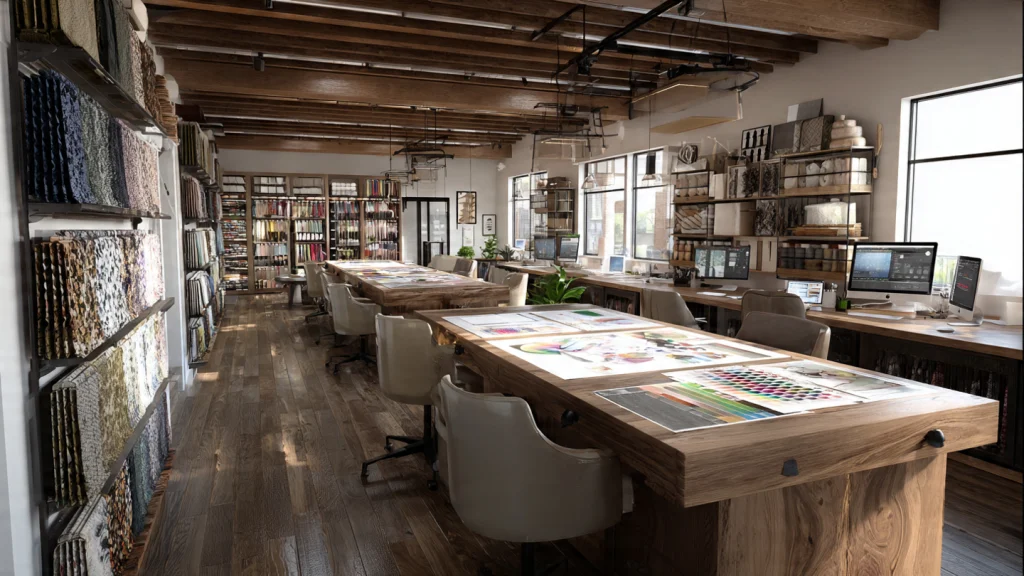
Many courses offer specialization options to help students focus on niche areas:
- Residential Interior Design
- Commercial Interior Design
- Hospitality Design (hotels, restaurants)
- Retail Design (stores, showrooms)
- Office and Workspace Design
- Furniture & Product Design
- Sustainable/Green Interior Design
- Lighting Design
These pathways allow aspiring designers to tailor their learning according to interests and career goals.
Career Opportunities After an Interior Design Course
Interior design offers a wide range of professional opportunities. Depending on your specialization and skill level, you can work in various sectors or even start your own studio.
Popular Career Roles:
- Interior Designer
- Interior Decorator
- Residential Space Planner
- Commercial Space Designer
- Furniture Designer
- Lighting Designer
- Set & Exhibit Designer
- 3D Visualization Artist
- Design Consultant
- Project Manager
- Freelance Interior Designer
The demand for skilled interior designers is growing rapidly across real estate, hospitality, retail, and corporate sectors.
Essential Skills for Success in Interior Design
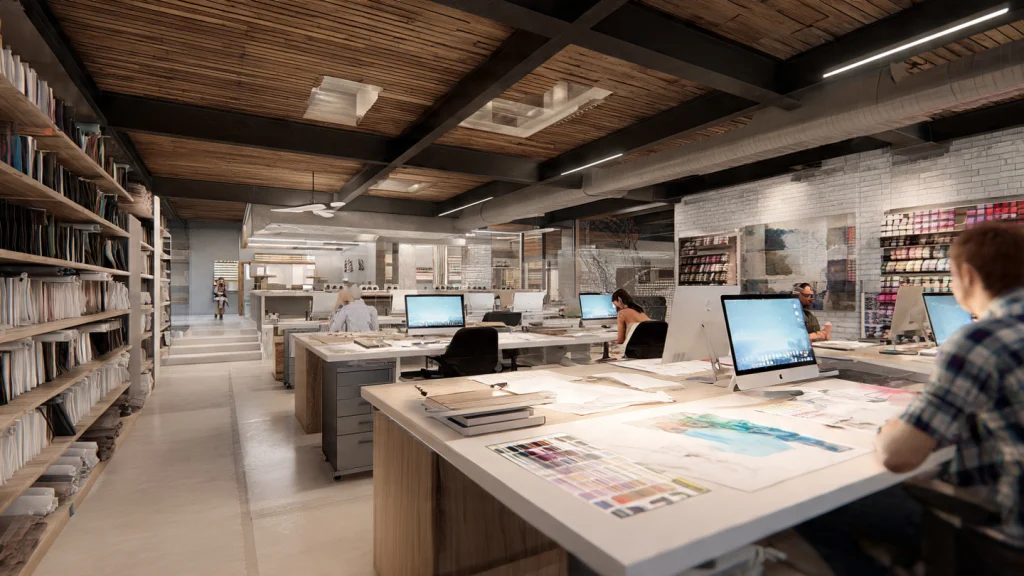
A good interior design course helps students develop both creative and practical skills:
- Creative visualization and aesthetic sense
- Technical drawing and drafting
- Knowledge of materials and construction
- Problem-solving and analytical thinking
- Strong communication and presentation skills
- Proficiency in design software
- Understanding of client needs and budgets
These skills are vital for turning concepts into successful real-world designs.
Is an Interior Design Course Right for You?
You should consider interior design if you:
- Have a passion for creativity
- Enjoy transforming spaces
- Are interested in architecture and design
- Pay attention to details and aesthetics
- Like solving problems and planning layouts
- Enjoy working with people and teams
Whether you dream of designing luxurious homes or innovative commercial spaces, interior design offers a fulfilling path for artistic individuals.
A course in interior design is a gateway to a rewarding creative career. It equips learners with the knowledge, skills, software expertise, and practical experience needed to thrive in the design industry. With diverse job opportunities, specializations, and the ability to turn imagination into reality, interior design continues to be one of the most exciting professions of the modern era.
If you want to build a future where creativity meets functionality, enrolling in an interior design course is the perfect first step toward shaping inspiring spaces—and a vibrant professional journey.



Related Article:
Experts share simple Vastu principles to fill your home with positive energy and peace
The modern evolution of office interior design: Creating workspaces that inspire productivity
Kinetic Facades: The Future of Sustainable Architecture
Industrial Style: How to Achieve it in Your Home?