
Pawan Kalyan New House at Pithapuram
The relationship between architecture and public life becomes especially interesting when homes are designed for political leaders. Unlike conventional celebrity residences that prioritize exclusivity and luxury, political homes often need to balance privacy, accessibility, security, and functionality. Pawan Kalyan’s new house at Pithapuram reflects this evolving architectural approach.
Situated in Andhra Pradesh’s politically important Pithapuram constituency, the residence has attracted attention not only because of Pawan Kalyan’s public stature but also because of what the house represents — permanence, constituency engagement, and modern functional design. While official plans and architectural drawings have not been publicly released, reports and local discussions indicate that the property has been planned as more than just a private home.
A Residence Designed Beyond Personal Living
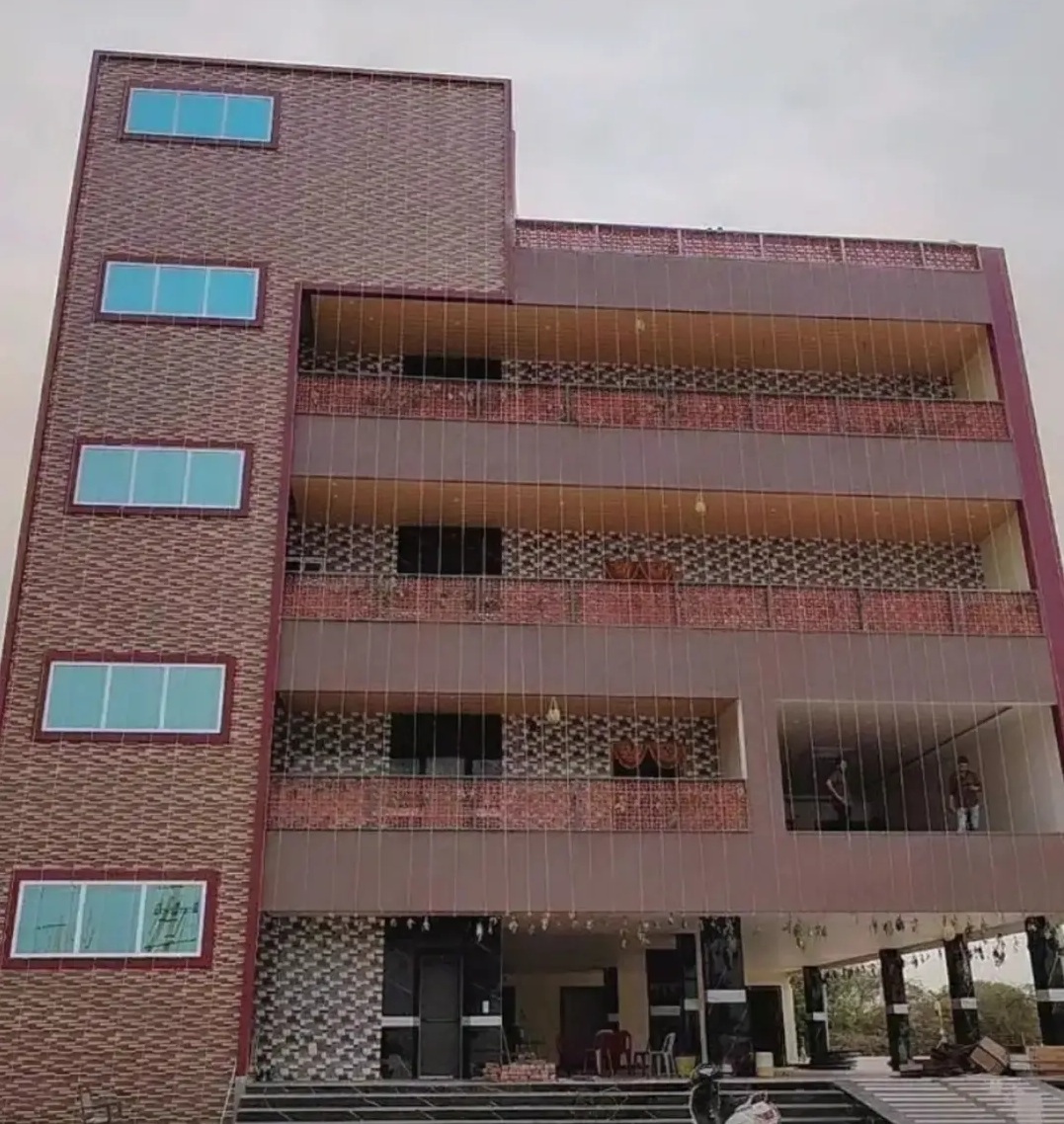
Political leaders today require residences that function as operational spaces. Pawan Kalyan’s Pithapuram house reportedly accommodates political meetings, visitor interactions, and public engagement alongside private residential spaces. This creates a hybrid architectural typology where domestic living and public accessibility coexist within a single structure.
Unlike traditional residences where circulation is centered around family privacy, political homes demand layered movement planning. Visitors, supporters, party workers, security teams, and personal guests all require separate circulation routes and interaction zones. The architecture therefore becomes highly strategic.
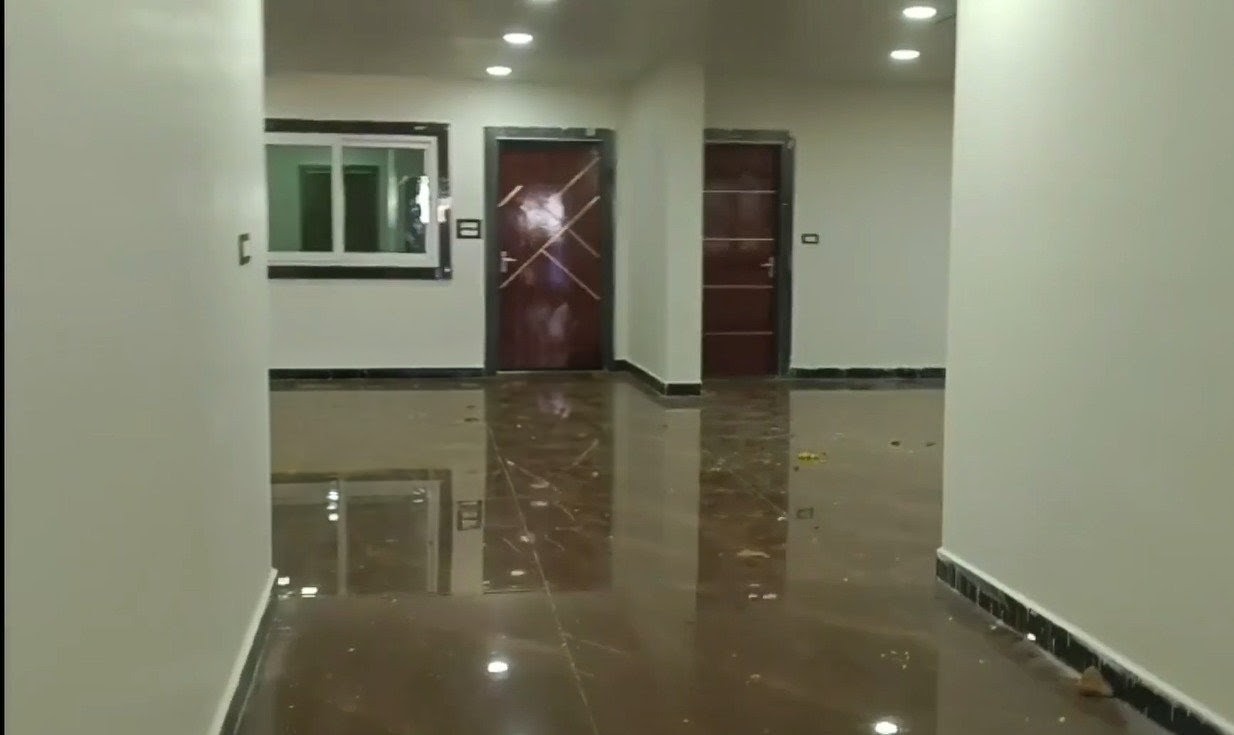
Reports suggest the house includes spacious gathering areas, large circulation zones, and dedicated utility spaces capable of handling large numbers of visitors. Such planning reflects a practical approach rather than an overly decorative one.
The Importance of Zoning in Political Homes
One of the most critical elements in designing a residence for a public figure is zoning. In architecture, zoning refers to the separation of spaces based on function and access level.
Homes like Pawan Kalyan’s typically include three distinct layers:
Public Zones
These areas are meant for supporters, political discussions, meetings, and constituency interactions. Large waiting areas, open forecourts, and meeting halls often form part of this layer.
Semi-Private Spaces
These transitional zones are used for invited guests, media interactions, and administrative discussions. They create a buffer between public activity and family life.
Private Residential Areas
These spaces are reserved for personal living and are usually isolated from high-traffic zones for security and comfort.
This layered arrangement allows the residence to function continuously without compromising privacy.
Architecture Influenced by Public Accessibility
In conventional luxury homes, architecture often focuses on exclusivity and controlled access. Political residences work differently. They are expected to appear approachable and connected to the public.
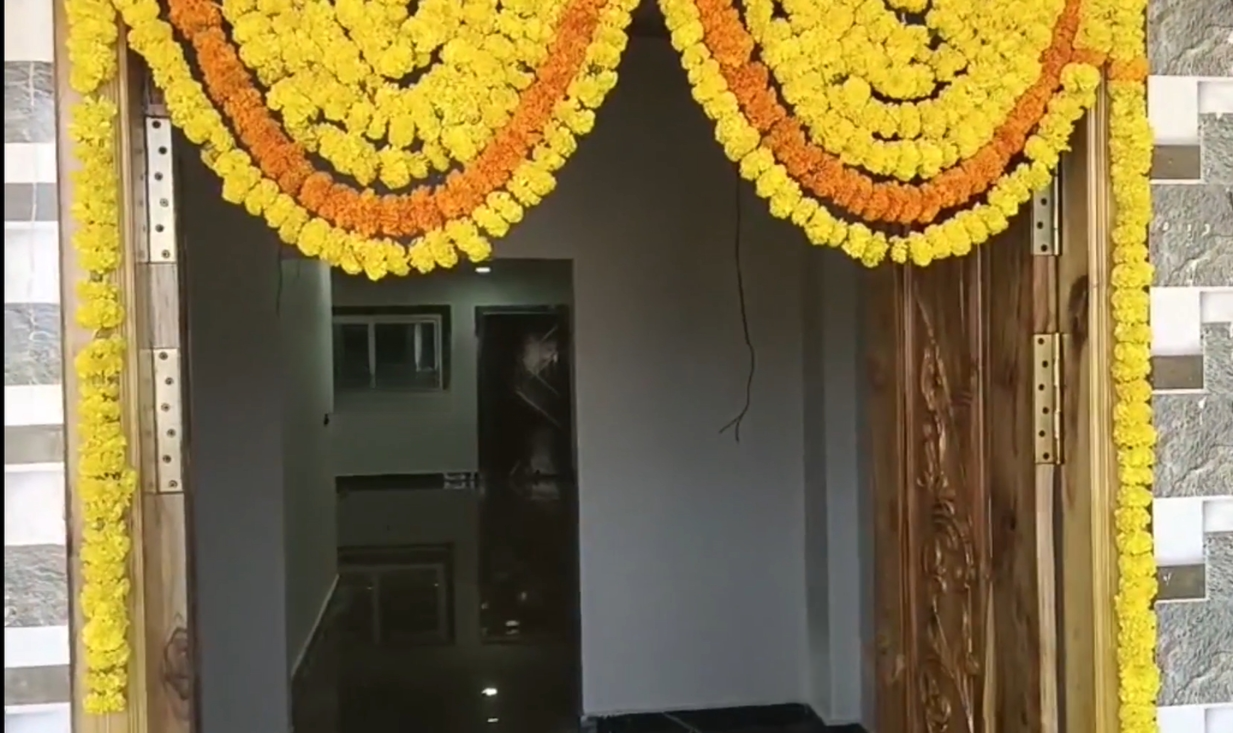
Pawan Kalyan’s residence reportedly reflects this philosophy through spacious access areas and functional gathering spaces. In many Indian political homes, entrances are intentionally designed to accommodate crowds and informal interactions. Wide setbacks, shaded waiting zones, and flexible meeting areas become important planning features.
The architectural language in such projects often prioritizes openness over excessive visual complexity.
Functional Modernism Over Excessive Luxury
What makes the Pithapuram residence architecturally interesting is its apparent emphasis on functionality. Telugu media reports suggest the property includes multiple utility areas, separate kitchen facilities, and infrastructure suited for frequent gatherings and administrative activity.
This aligns with a broader shift in contemporary Indian residential architecture where usability is increasingly valued over ornamental design. Particularly in high-activity residences, architects are focusing more on:
- Efficient circulation
- Natural ventilation
- Flexible spaces
- Durable materials
- Easy maintenance
- Security integration
The result is a cleaner and more practical architectural expression.
Regional Design Influence and Climate Sensitivity
Architecture in Andhra Pradesh is heavily influenced by climate responsiveness. Large shaded areas, cross ventilation, and spacious semi-open zones are common features in residences designed for the region’s warm and humid conditions.
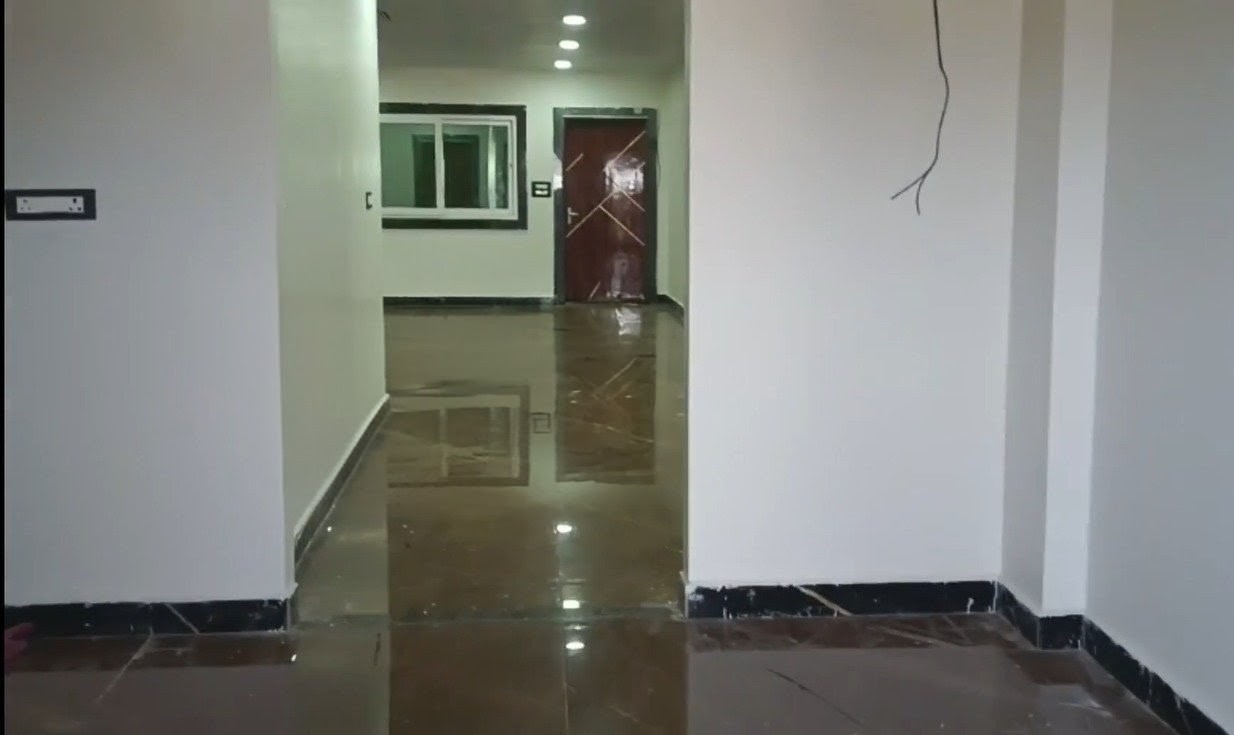
Although detailed visuals of the house remain limited, local reports suggest the planning incorporates practical South Indian residential principles. Functional outdoor areas, ventilation-friendly layouts, and durable construction materials appear to be part of the overall design approach.
This regional sensitivity is important because homes that receive continuous public movement require long-term durability and environmental comfort.
A New Typology in Indian Residential Architecture
Pawan Kalyan’s Pithapuram residence also reflects a growing architectural trend in India — the rise of hybrid political residences.
These homes are no longer designed purely as domestic spaces. Instead, they combine multiple functions within one property:
- Private residence
- Public office
- Meeting venue
- Administrative center
- Community interaction space
For architects, this creates unique planning challenges. The building must support heavy daily movement while still maintaining the emotional comfort of a home.
As political culture becomes increasingly constituency-focused, such residences are becoming more common across India.
Architecture as a Symbol of Political Commitment
Buildings often communicate messages beyond aesthetics. In the case of Pawan Kalyan’s new house, the residence symbolizes long-term association with Pithapuram.
By establishing a dedicated home within the constituency, the structure becomes part of his political identity. The architecture therefore operates not only as shelter, but also as representation — reflecting accessibility, permanence, and public connection.
This is where architecture moves beyond physical design and becomes part of social and political storytelling.
Pawan Kalyan’s new house at Pithapuram is significant not because of celebrity glamour alone, but because it demonstrates how architecture adapts to public life. The residence appears to merge functionality, accessibility, security, and regional practicality into a modern political home.
For architects and design enthusiasts, it offers an insightful example of how contemporary Indian residences are evolving to accommodate new social and political realities. In many ways, the project represents a shift toward architecture that is not only lived in, but also actively engaged with by the public.




Related Article:
Inside Kumar Vishwas’ Luxurious Noida House: A Blend of Poetry, Art, and Palace-Style Living
Gautam Adani House: Inside the luxurious residence of India’s business tycoon in Ahmedabad
Mukesh Ambani House: Antilia, the world’s most expensive private residence in Mumbai
Jeff Bezos House: Inside the Mansions and Estates of the Amazon Founder
Bill Gates’s House: An inside look at all the homes owned by the Microsoft co-founder
Michael Jordan’s homes: A design-led journey through his signature residences
Abode: Inside Anil Ambani’s iconic Pali hill residence that redefines luxury living in Mumbai
Inside Jalsa: An architectural perspective on Amitabh Bachchan’s iconic Mumbai residence
Abode: Inside Anil Ambani’s iconic Pali hill residence that redefines luxury living in Mumbai
Jatia House: Kumar Mangalam Birla’s iconic home of luxury and heritage in Mumbai
Gulita: The diamond-inspired seafront mansion of Isha Ambani and Anand Piramal
Inside Sea Wind: The 17-Storey family home Mukesh Ambani shared with Anil Ambani before Antilia
Goolestan (Om Arc): Inside Anand Mahindra’s heritage home on Nepean sea road, Mumbai
Deepinder Goyal House: Inside the Zomato Founder’s luxury home at DLF Camellias
Bhavish Aggarwal house: Inside the Ola Co-founder’s Private Residence in Bengaluru
Inside Sundar Pichai and Anjali Pichai’s House: A blend of modern luxury and thoughtful design
Satya Nadella House: A Peek Inside the Microsoft CEO’s Residence
Adar & Natasha Poonawalla’s Farmhouse: Inside a retreat of elegance and equestrian charm
Shiv Nadar’s Residence: Where art and vision shape the HCL founder’s home
Nikhil Kamath House: Inside Zerodha co-founder’s luxury Bengaluru home
Inside Anil Agarwal’s House: A look at the Vedanta billionaire’s London mansion
Uday Kotak House: Inside the iconic sea-Facing “Champagne House” in Mumbai
Sunil Bharti Mittal’s Mansion in Delhi: Inside a legacy home in India’s most exclusive address
Inside Lakshmi Niwas Mittal’s global real estate empire: Steel, Success & Super Homes
Nithin Kamath House: A look inside the Zerodha CEO and founder’s lifestyle & design philosophy
Inside Savitri Jindal House: A Look at the Elegant Residences of India’s Richest Woman
Mamata Banerjee House: A look inside the modest home of Bengal’s CM residence
Inside Pawan Kalyan’s Rs 130 Crore Jubilee Hills Mansion: A perfect blend of luxury and tradition