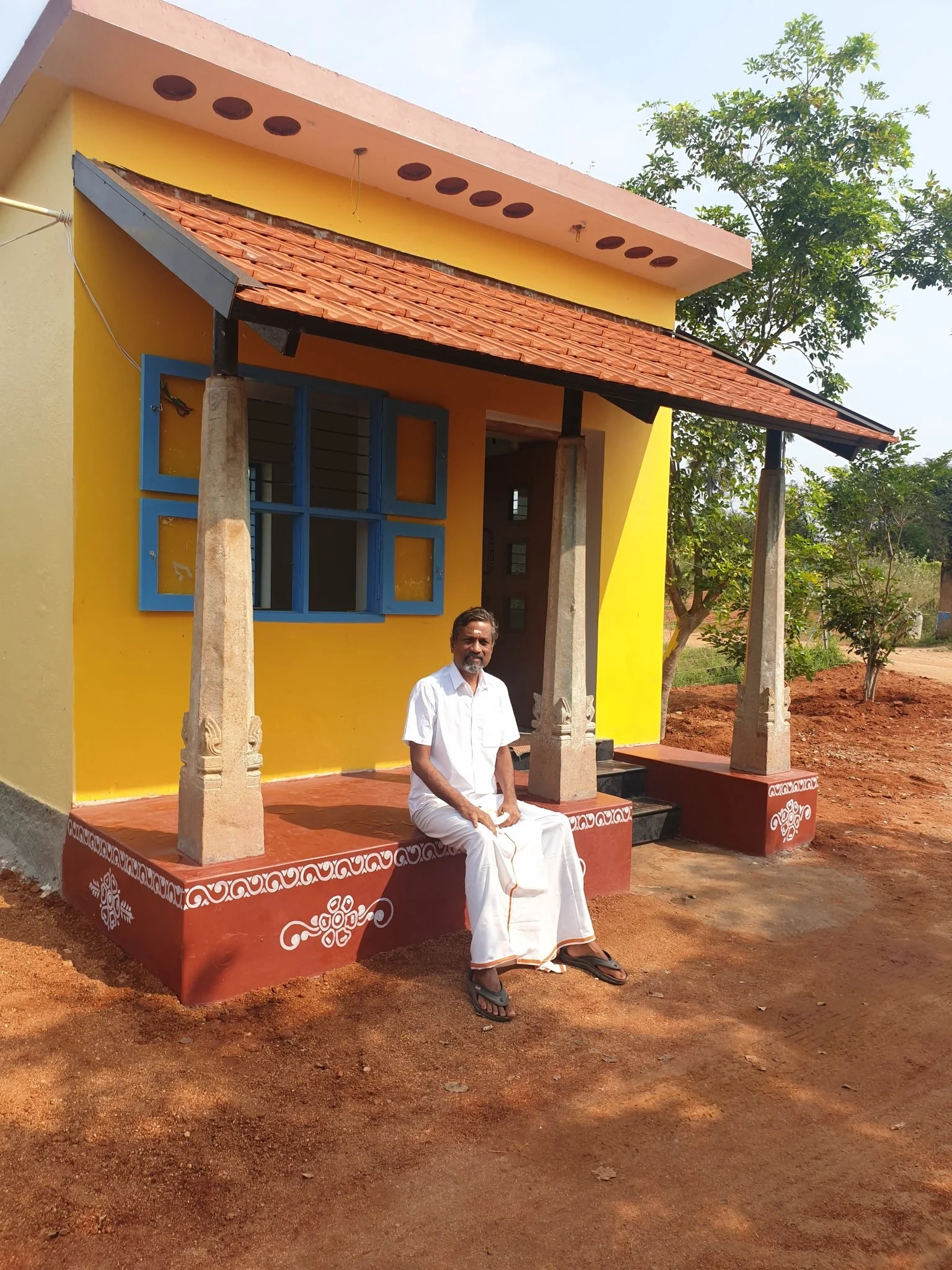
Sridhar Vembu’s House (Source Sridhar Vembu X account)
In a world where billionaires are often associated with skyscrapers and luxury villas, Sridhar Vembu stands out for choosing an entirely different path. Instead of separating work, home, and lifestyle, he has created a rural ecosystem where everything exists in one interconnected environment.
This ecosystem is not just about architecture—it reflects the philosophy behind Zoho itself: decentralization, simplicity, and self-reliance.
A Shift Away from Urban Dependency
After years in global tech hubs, Vembu made a deliberate move back to rural India. The goal wasn’t just personal—it was systemic. By building his life and work around a village setting, he demonstrated that innovation doesn’t require urban infrastructure.
This philosophy extends beyond software into daily life. Even communication tools like Arattai reflect this approach—lightweight, simple, and designed for users who value efficiency over complexity.
Together, these elements show how Zoho is not just a company but an ecosystem that influences how its founder lives and builds space around him.
His ecosystem reflects this idea:
- A home built using traditional methods
- Workspaces integrated into the same landscape
- Agricultural land that supports both lifestyle and philosophy
This is architecture not as an isolated structure, but as a living system.

The Home: Rooted in Vernacular Intelligence
At the center of this ecosystem lies a modest yet deeply intelligent home. Designed using principles of vernacular architecture, the house prioritizes climate responsiveness over visual extravagance.
Key features include:
- Thick mud walls that naturally regulate indoor temperature
- Sloped roofs suited for heavy rainfall
- Open courtyards that enhance ventilation and light
The design reduces reliance on artificial cooling, making the home both energy-efficient and comfortable year-round. It’s a reminder that traditional building methods were never outdated—they were simply overlooked.
The Office: Rethinking Workspaces
Unlike conventional corporate campuses, the workspaces around Vembu’s ecosystem are intentionally simple and deeply connected to their surroundings.
These offices:
- Use locally sourced materials like mud, brick, and thatch
- Are designed for natural ventilation instead of air conditioning
- Blend into the landscape rather than dominate it
This approach challenges the idea that productivity requires high-tech environments. Instead, it proves that calm, grounded spaces can foster deeper focus and creativity.
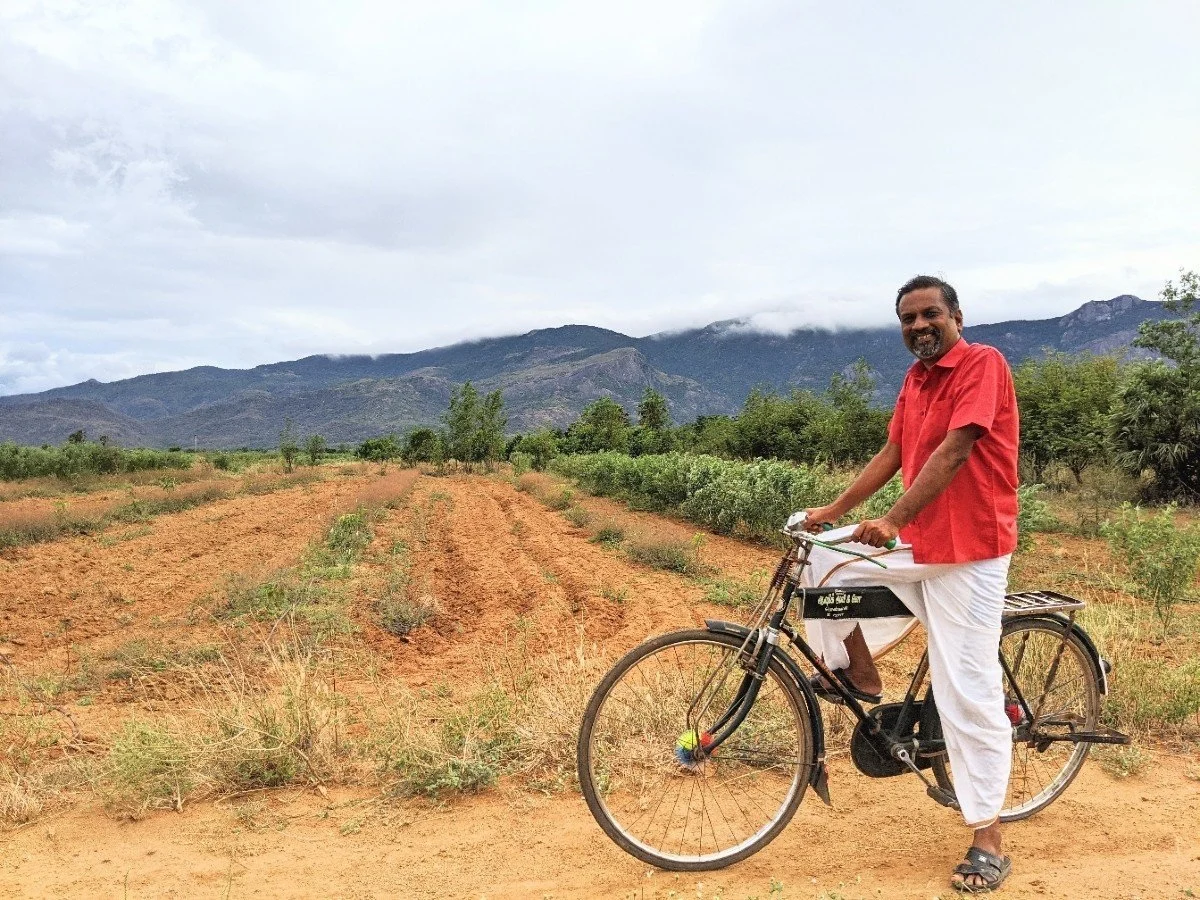
It also aligns with Vembu’s broader vision of decentralization—creating opportunities outside crowded cities and empowering rural communities.

The Farm: More Than Just Agriculture
The agricultural component of this ecosystem is not ornamental—it’s functional and philosophical.
The farm:
- Supports local food production
- Reinforces self-reliance
- Connects daily life to natural cycles
By integrating farming into the built environment, the ecosystem becomes circular rather than consumptive. Waste is minimized, resources are respected, and the boundaries between living and producing begin to disappear.
A Seamless Integration of Life, Work, and Nature
What makes this ecosystem truly unique is not any single element, but how all components work together:
- The home provides comfort through passive design
- The office supports productivity without excess
- The farm sustains both physically and ideologically
There are no sharp divisions—no long commutes, no artificial separations. Everything exists within walking distance, creating a lifestyle that is both efficient and deeply human.
Lessons for Modern Architecture
Vembu’s rural ecosystem offers valuable insights for architects, designers, and homeowners:
1. Integration Over Isolation
Instead of designing separate zones for living, working, and leisure, consider how spaces can overlap and support each other.
2. Climate-Responsive Design Matters
Passive cooling, natural ventilation, and local materials can outperform expensive technology.
3. Simplicity Can Be Powerful
Luxury doesn’t always mean excess. Thoughtful design often delivers more value than expensive materials.
4. Build for the Long Term
This ecosystem is not about trends—it’s about sustainability over decades.
Relevance for Urban Contexts Like Bangalore
While replicating a full rural ecosystem may not be feasible in dense cities like Bangalore, its principles can still be adapted:
- Incorporate natural ventilation in apartment layouts
- Use local materials wherever possible
- Create multifunctional spaces within homes
- Add greenery through terraces or balconies
Even partial adoption of these ideas can significantly improve urban living.
Sridhar Vembu’s rural ecosystem is more than a personal lifestyle choice—it’s a quiet but powerful critique of modern living. By merging home, office, and farm into a single, cohesive design, he offers a vision of life that is slower, smarter, and more sustainable.
In an age of constant expansion and consumption, this model asks a simple question:
What if we designed not just for convenience—but for balance?
Related Article:
Inside ZOHO founder Sridhar Vembu’s house: A billionaire’s rural home built on vernacular architecture and sustainability
Zoho Office — Redefining workplace design beyond the glass box
Abode: Inside Anil Ambani’s iconic Pali hill residence that redefines luxury living in Mumbai
Inside Jalsa: An architectural perspective on Amitabh Bachchan’s iconic Mumbai residence
Abode: Inside Anil Ambani’s iconic Pali hill residence that redefines luxury living in Mumbai
Jatia House: Kumar Mangalam Birla’s iconic home of luxury and heritage in Mumbai
Gulita: The diamond-inspired seafront mansion of Isha Ambani and Anand Piramal
Inside Sea Wind: The 17-Storey family home Mukesh Ambani shared with Anil Ambani before Antilia