

Noida International Airport, Jewar
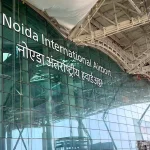
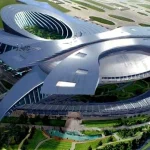
India’s aviation story is entering a new chapter, and at the center of it stands Noida International Airport, widely known as Jewar Airport. Envisioned as one of the largest airports in Asia, this ambitious project is not just about expanding air travel capacity — it is about reshaping regional development, strengthening infrastructure, and building a future-ready aviation ecosystem for North India.
Project Location & Strategic Importance
Located in Jewar, Gautam Buddha Nagar district of Uttar Pradesh, the airport sits roughly 72 kilometers from Delhi. It is strategically positioned to function as a second major gateway for the National Capital Region (NCR), complementing the operations of Indira Gandhi International Airport, which is currently operating near peak capacity.
The development is being spearheaded by Yamuna International Airport Private Limited, a subsidiary of Zurich Airport International AG, under a public-private partnership model. With global expertise backing the project, the airport is being designed to meet international standards of efficiency, safety, and passenger comfort.
Key Facts at a Glance
- Location: Jewar, Gautam Buddha Nagar, Uttar Pradesh
- Total Planned Area: Approximately 5,000 hectares
- Developer: Yamuna International Airport Pvt. Ltd.
- Phase 1 Capacity: 12 million passengers annually
- Ultimate Capacity: Up to 70 million passengers per year
- Runways (Final Plan): 6 runways
- Estimated Phase 1 Cost: ₹10,000+ crore
- Expected Initial Operations: 2025 (subject to approvals)
- Sustainability Goal: Net-zero emissions airport

Phased Development & Expansion Vision
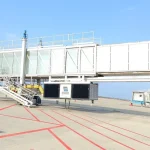
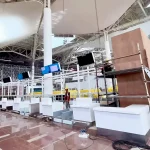
The airport is being developed in multiple phases to ensure scalability and long-term growth. Phase 1 includes one runway and a modern passenger terminal capable of handling 12 million passengers annually, along with cargo facilities and rapid exit taxiways to ensure operational efficiency.
In later phases, the airport will expand significantly, eventually accommodating six runways and scaling up to handle as many as 70 million passengers annually. This structured growth model ensures that infrastructure expansion aligns with rising passenger demand while maintaining operational smoothness.
Beyond aviation facilities, the master plan includes the development of an aerotropolis — a planned airport city featuring commercial zones, logistics parks, hospitality projects, and business districts. This model transforms the airport into an economic ecosystem rather than just a transit point.
Economic Impact & Regional Growth
Jewar Airport is expected to act as a powerful catalyst for economic transformation across Western Uttar Pradesh and the NCR region. Large-scale infrastructure projects typically trigger real estate growth, investment inflows, and employment generation — and this project is no exception.
Thousands of direct and indirect jobs are anticipated during construction and operational stages. The Yamuna Expressway corridor is already witnessing increased interest from developers, logistics companies, and global investors. The airport is poised to attract multinational corporations, warehousing hubs, and export-oriented industries, further strengthening the region’s economic profile.

Cargo & Logistics Advantage
Strategically located near industrial corridors and manufacturing clusters, the airport is expected to become a significant cargo hub. It will support the movement of electronics, perishable goods, e-commerce shipments, and industrial exports. Improved cargo infrastructure will enhance supply chain efficiency and position Uttar Pradesh as a key contributor to India’s export economy.
Sustainability & Smart Infrastructure
One of the defining aspects of Noida International Airport is its sustainability-first design philosophy. The airport aims to operate as a net-zero emissions facility, integrating renewable energy systems, water-efficient landscaping, and environmentally responsible construction practices.
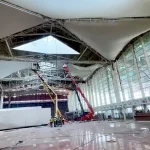
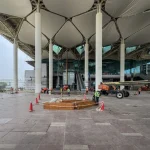
The design prioritizes natural daylight within terminal spaces, optimized passenger movement, and energy-efficient systems. Rainwater harvesting, reduced carbon footprint strategies, and sustainable material usage form an integral part of the planning framework. This approach aligns the project with global standards for green aviation infrastructure.
Connectivity & Multi-Modal Integration
Seamless connectivity is critical for any mega aviation hub. The airport enjoys direct access to the Yamuna Expressway and is expected to be integrated with future metro extensions and regional rapid transit systems. Such multimodal connectivity will ensure efficient passenger and cargo movement, reducing travel time and enhancing accessibility from across NCR and neighboring states.

Current Status & What Lies Ahead
Construction of Phase 1 is progressing steadily, with visible advancement in runway works, terminal structure development, and associated infrastructure. Trial operations and phased commercial launch are anticipated in 2025, subject to final regulatory clearances and operational preparedness.
Once operational, Jewar Airport will significantly reduce congestion at Delhi’s existing airport while opening new domestic and international connectivity routes. More importantly, it will reshape urban growth patterns and position the region as a global investment destination.
Noida International Airport is more than just a transportation project — it is a long-term infrastructure vision. Combining scale, sustainability, and strategic planning, Jewar Airport is set to redefine aviation standards in North India.
For architects, planners, investors, and infrastructure enthusiasts, this mega project represents the future of integrated urban and aviation development in India.
The skies above NCR are preparing for a transformative leap — and Jewar is where it begins.



Related Article:
Lokapriya Gopinath Bardoloi International Airport: Reimagining the gateway to Northeast India
Soaring Aerial Walkway Welcomes International Passengers to Seattle-Tacoma Airport’s Newest Facility
JFK’s New Terminal One: Reimagining the Gateway to New York