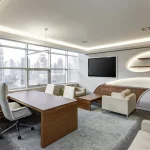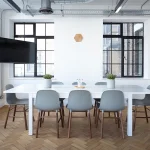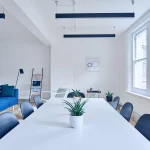
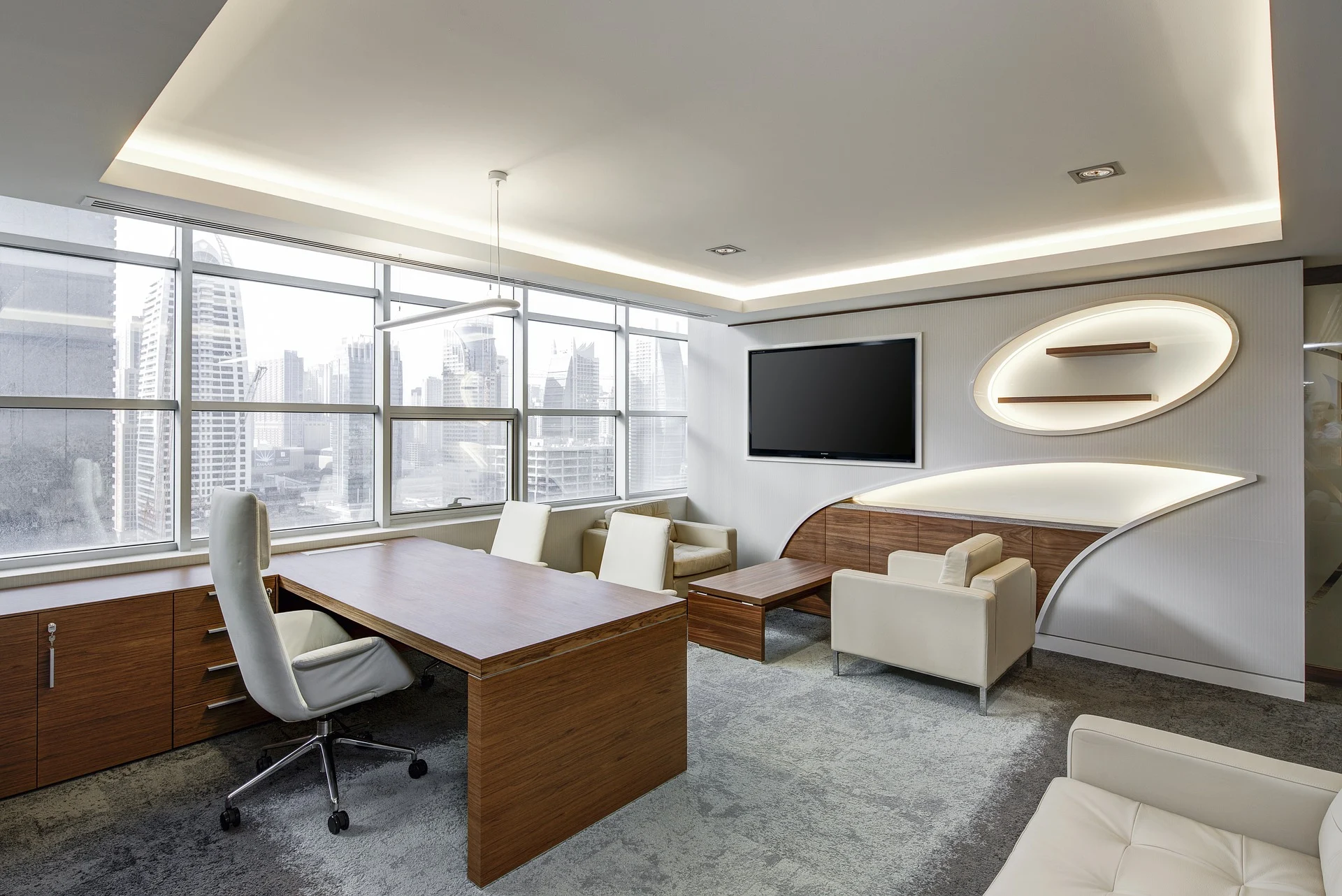
In recent years, office interior design has transformed dramatically—from rigid, cubicle-dominated layouts to flexible, collaborative, and human-centered environments. As businesses compete to attract and retain top talent, the importance of a well-designed workspace has never been greater. Office interiors today are no longer just places of work; they are strategic tools that shape company culture, support wellness, and boost productivity. This shift has redefined how architects and designers approach corporate spaces.
Understanding the Purpose of Modern Office Design
The primary goal of office interior design today is to enhance employee well-being while improving operational efficiency. Designers now focus on creating environments where people feel motivated, comfortable, and connected. Instead of a one-size-fits-all layout, the emphasis is on adaptable settings that support different work styles—whether it’s focused individual tasks, collaborative brainstorming, or virtual meetings.
A thoughtfully designed office achieves more than visual appeal. It supports the company’s identity, helps communicate brand values, and fosters a sense of belonging. From the color palette to lighting choices and spatial planning, every design element contributes to the overall workplace experience.

Open Layouts with Purpose
Open office layouts remain popular, but they have evolved significantly from their earlier versions. Instead of large, noisy halls filled with identical desks, contemporary open spaces incorporate zoning strategies. Designers create designated areas for focused work, meetings, relaxation, and informal collaboration.
Acoustic solutions, such as sound-absorbing panels, partitions, and furniture with built-in noise control, help maintain balance. The goal is to offer freedom and flexibility without compromising privacy or concentration.
Flexible Workspaces and Agile Design
Hybrid work culture has reshaped office interior design in remarkable ways. With employees splitting their time between home and office, businesses now need spaces that can be reconfigured easily. Flexible furniture, movable partitions, multipurpose rooms, and modular seating allow offices to adapt to changing needs quickly.
Hot desking and shared workstations are becoming more common, but they work best when paired with adequate storage, personal lockers, and well-planned circulation. The rise of agile design reflects a deeper understanding: workspace must evolve with the people who use it.

Biophilic Design and Natural Elements
Biophilic design—integrating natural elements into interior spaces—has become a cornerstone of modern office architecture. Numerous studies show that greenery and natural light reduce stress, enhance creativity, and improve cognitive function.
Design strategies include:
– Large windows that maximize daylight
– Indoor plants, living walls, and biophilic partitions
– Natural materials such as wood, bamboo, and stone
– Water elements or subtle nature-inspired textures
Bringing nature indoors not only improves air quality but also creates an emotionally uplifting atmosphere that employees enjoy.
The Role of Lighting in Office Interiors
Lighting is one of the most powerful, yet often overlooked, aspects of office interior design. Poor lighting can cause fatigue, headaches, and reduced focus. Conversely, well-planned lighting supports alertness, comfort, and overall productivity.
Natural light remains the gold standard, but when artificial lighting is needed, designers opt for layered solutions—ambient, task, and accent lighting. Human-centric lighting systems that adjust color temperature throughout the day are also gaining popularity, helping synchronize the body’s natural rhythms.

Technology Integration and Smart Offices
A modern office must embrace technology seamlessly. Smart office systems improve efficiency and worker convenience through tools like:
– Automated lighting and climate control
– Wireless charging stations
– Video conferencing pods
– Integrated audiovisual systems
Occupancy sensors to optimize room usage
Technology enables smoother workflows and supports the growing demand for remote collaboration tools. Meeting rooms with digital whiteboards, soundproof booths for virtual calls, and tech-enabled collaborative spaces are now essential features.
Furniture That Supports Health and Movement
Ergonomics plays a major role in office interior design. Furniture is no longer chosen solely for appearance—it must promote proper posture, reduce physical strain, and encourage movement. Popular choices include:
– Height-adjustable desks
– Ergonomic chairs with lumbar support
– Collaborative seating arrangements
– Lounge-style work areas
– Standing meeting tables
Designers also incorporate micro-break zones, walking paths, and casual seating nooks to promote movement and reduce sedentary behavior.

Brand Identity and Workplace Culture
An office is a physical representation of a company’s ethos. Through design, businesses can communicate their values, energy, and personality. This may include branded colors, artwork, signage, or decor that reflects the company’s mission.
Startups may prefer playful, vibrant spaces, while corporate firms may lean toward minimalistic elegance. Regardless of style, authenticity is key. A well-designed office strengthens brand loyalty and enhances employee pride.
Sustainability as a Priority
Sustainable office design is no longer an option—it’s a responsibility. Designers are adopting eco-friendly materials, energy-efficient systems, and waste-reducing solutions. Certifications like LEED and WELL guide sustainability goals and encourage healthier environments.
Green building strategies include:
– Low-VOC paints and materials
– Recycling and waste management zones
– Energy-efficient HVAC systems
– Water-saving fixtures
– Sustainable lighting and appliances
By prioritizing sustainability, companies contribute to environmental protection while improving employee wellness.
Conclusion
Office interior design has evolved into a powerful element of business strategy—one that influences productivity, culture, innovation, and well-being. As workplaces continue to change, the demand for flexible, sustainable, and human-centered design solutions will only grow. Whether it’s through smart technology, biophilic elements, ergonomic furniture, or branding integration, the future of office interiors lies in creating spaces where people truly thrive.