The architecture industry has undergone a significant transformation in recent years, driven by advances in technology, changes in work culture, and the increasing trend of remote work. One notable shift has been the move from open floor plans to remote workforces.
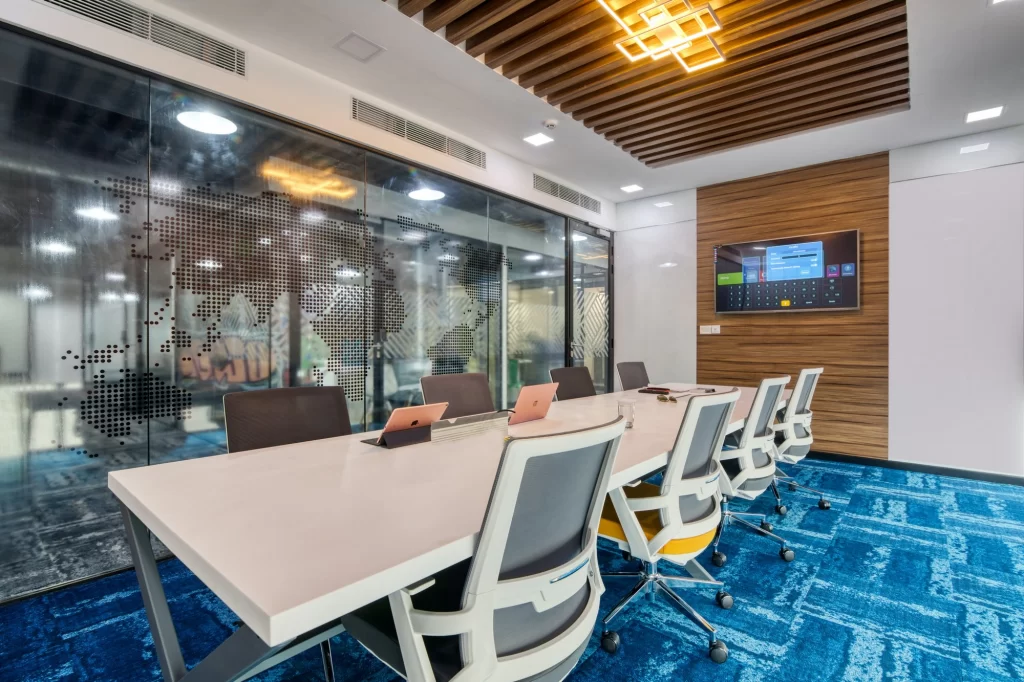
Open floor plans have long been a staple of architecture practices, with architects, designers, and other team members working together in one large open space. This setup was believed to foster collaboration and creativity by encouraging impromptu interactions between team members. However, as the architecture industry has evolved, open floor plans have come under scrutiny for their negative impact on productivity and well-being.

Noise levels in open floor plans can be incredibly distracting, making it difficult for architects and designers to concentrate and get work done. Studies have also shown that open floor plans can lead to decreased privacy, decreased face-to-face interaction, and reduced sense of belonging among employees. These factors, combined with the increasing trend of remote work, have led many architecture practices to reconsider their approach to office design and work culture.
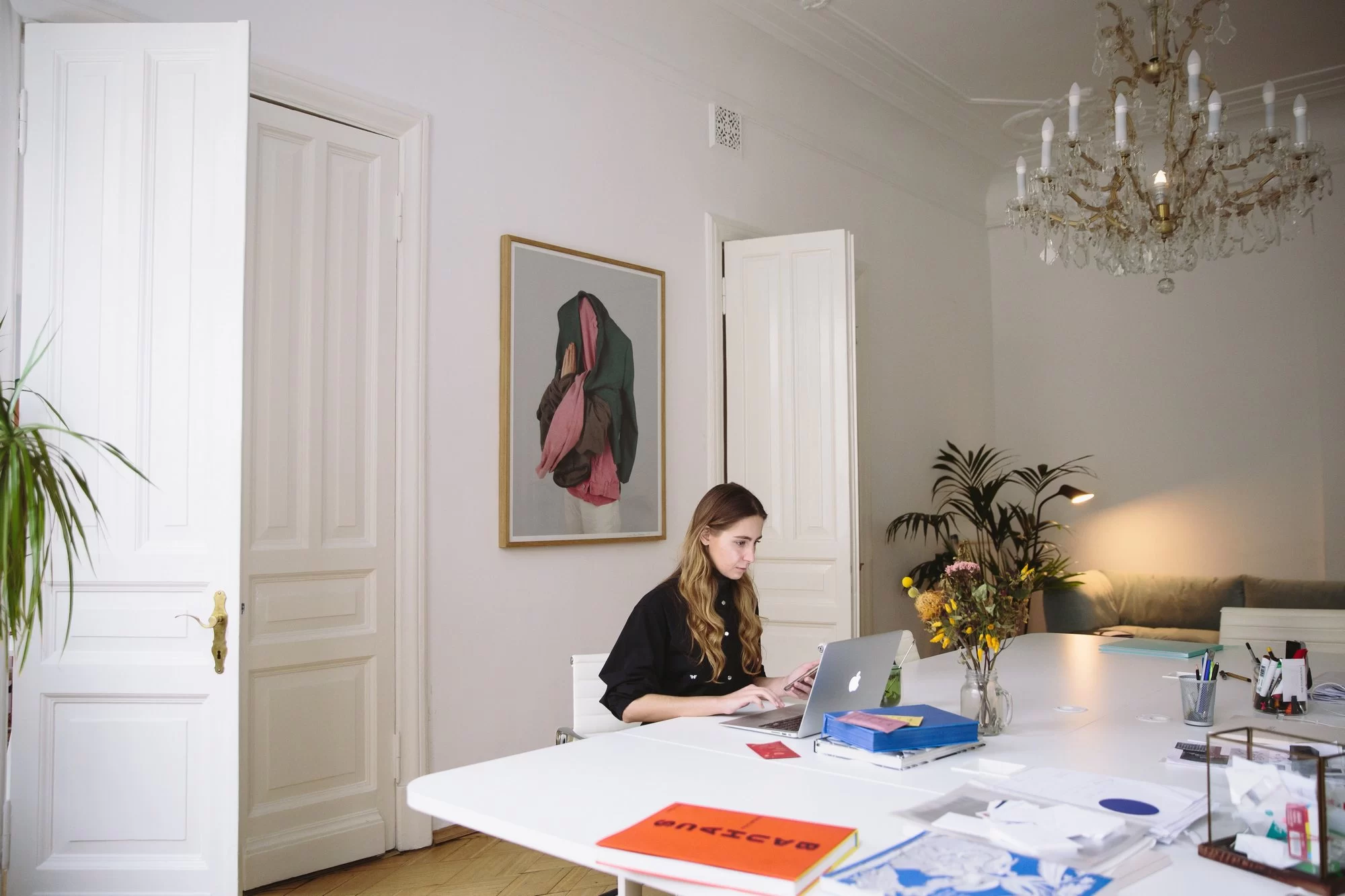
Remote work has been growing in popularity in recent years, with a large percentage of workers now having the option to work from home or anywhere they choose. This shift has been driven by advances in technology that have made remote work possible, as well as a desire among employees for greater flexibility and work-life balance. The COVID-19 pandemic has accelerated this trend, with many companies making remote work a permanent option for their employees.

Remote work has several benefits for architecture practices, including:
- Increased productivity: Remote workers are often more productive than their office-based counterparts, as they are free from distractions and able to work in a quiet and comfortable environment that suits their needs.
- Lower overhead costs: Remote work eliminates the need for physical office space, which can be expensive to maintain. This reduction in overhead costs can result in significant cost savings for architecture practices.
- Improved work-life balance: Remote work allows employees to balance their work and personal life more effectively, as they are not tied to a physical office location.
- Access to a wider pool of talent: Remote work makes it possible for architecture practices to tap into a wider pool of talent, regardless of location. This means that practices can access the best talent from anywhere in the world, regardless of their location.
However, remote work also presents several challenges for architecture practices, including:
- Communication: Maintaining clear and consistent communication can be difficult when team members are spread out across different locations.
- Collaboration: Collaborating on complex projects can be challenging when team members are not physically present in the same location.
- Technology: Ensuring that remote workers have access to the right technology and resources can be difficult and time-consuming.
To overcome these challenges, architecture practices are turning to new technology solutions and collaboration tools to support remote work. For example, virtual collaboration tools such as video conferencing, project management software, and cloud-based storage platforms are making it possible for remote workers to collaborate effectively, regardless of location.

In conclusion, the transformation of architecture practices from open floor plans to remote workforces is driven by a combination of advances in technology, changes in work culture, and the increasing trend of remote work. While remote work presents challenges, it also offers several benefits, including increased productivity, lower overhead costs, improved work-life balance, and access to a wider pool of talent. By embracing technology solutions and collaboration tools, architecture practices can overcome the challenges of remote work and take advantage of the many benefits it offers.