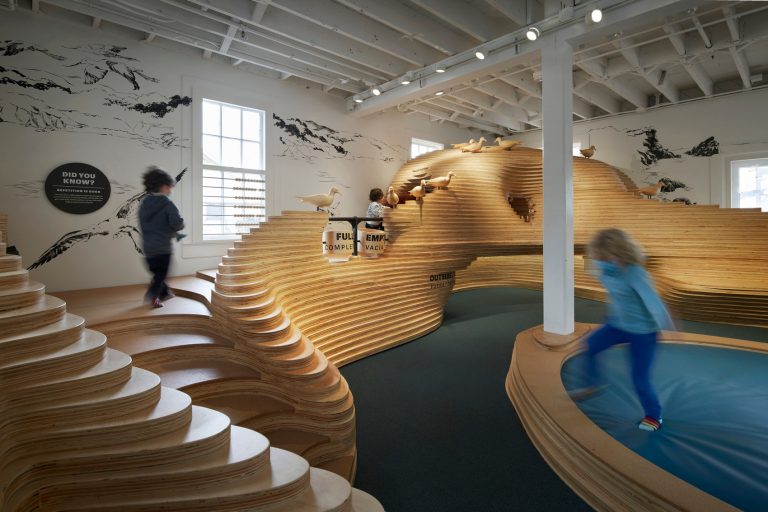
Los Angeles has never been a city that follows just one architectural language. From the clean lines of Mid-Century Modern homes to experimental cultural buildings, high-rise developments, adaptive reuse projects, and climate-conscious communities, L.A. continues to be one of the most exciting places to practice architecture and design.The city’s design scene is also remarkably diverse. Large international practices work alongside small, highly specialized studios, while architects, interior designers, urban planners, landscape architects, and builders increasingly collaborate from the earliest stages of a project.According to The Los Angeles Times, the largest architecture firms in Southern California generated approximately $1.19 billion in architectural fee income in 2024. Gensler ranked first in the region, with $247.3 million in Southern California architectural fee income. Meanwhile, AIA Los Angeles continues to maintain a large professional community and its 2026 Member Directory highlights the depth of architectural talent working across the region.So, which firms stand out? Here is a closer look at some of the best-known and most influential architecture and design firms working in Los Angeles today.1. Olson KundigAlthough Olson Kundig is headquartered in Seattle rather than Los Angeles, its Southern California work makes it relevant to any discussion of the city’s contemporary architecture scene.One notable example is 8899 Beverly Boulevard, which transforms a 1964 mid-century office building into a residential development rather than demolishing it. The approach preserves the existing structure’s embodied energy while creating a new program for the building.The project is a good example of a growing architectural priority in Los Angeles: finding new life for existing buildings instead of automatically starting from scratch.Why it stands out: Particularly interesting for clients exploring adaptive reuse, modern residential architecture, and expressive material design.Teton House/ Olson Kundig; Photographer: Matthew Millman2. Gensler Few firms have a presence in Los Angeles as extensive as Gensler. Its L.A. studio works across architecture, interiors, cities and urban design, hospitality, aviation, culture, entertainment, and workplace design.The Los Angeles office describes its approach as experience-driven, combining architects, designers, strategists, and technologists to tackle everything from individual buildings to broader urban challenges.Locally, Gensler has contributed to projects including BMO Stadium and The Broad. Its own Los Angeles workplace at 500 South Figueroa Street is designed as a LEED Platinum creative campus, functioning almost like a laboratory for design and collaboration.Why it stands out: Gensler is a strong choice for clients looking for multidisciplinary expertise and the ability to handle projects at a very large scale.Cherry Creek West/ Gensler3. Marmol RadzinerFor anyone interested in California Modernism, materiality, and indoor-outdoor living, Marmol Radziner is a name worth knowing.Founded in Los Angeles in 1989 by Leo Marmol and Ron Radziner, the practice operates as an architect-led design-build firm. Its services include architecture, construction, landscape design, interiors, and custom furniture and fabrication.That integrated model is one of the firm’s biggest strengths. Rather than treating architecture, interiors, landscape, and construction as completely separate disciplines, Marmol Radziner brings them together as part of a single design process.The firm’s work is particularly admired for its careful relationship between buildings and their surroundings, making it a natural fit for contemporary residences and high-end hospitality projects.Why it stands out: A rare combination of architectural design, construction expertise, landscape, interiors, and craftsmanship.James Perse Malibu/ Marmol Radziner4. MorphosisFounded in 1972 by Thom Mayne and collaborators, Morphosis has long represented the experimental side of Los Angeles architecture. The interdisciplinary practice works across architecture, urbanism, research, and design.Morphosis is known for buildings that are rarely anonymous. Its architecture often explores complex geometries, bold structural ideas, advanced fabrication, and the relationship between buildings and the city around them.The practice has worked on everything from houses to major civic, academic, and cultural projects. Its Los Angeles work includes the Caltrans District 7 Headquarters, while its broader portfolio includes projects such as Emerson College Los Angeles and major international cultural institutions.Why it stands out: Ideal for projects where architecture is expected to be expressive, experimental, and conceptually ambitious.7132 Hotel, Entry Canopy/ Morphosis5. Bestor ArchitectureFounded by Barbara Bestor, FAIA, in 1995, Bestor Architecture has developed a distinctive voice rooted in Los Angeles.The firm works across architecture, urbanism, infrastructure, and landscape, with projects ranging from private residences and restaurants to technology headquarters and community arts buildings. Its portfolio includes the Silverlake Conservatory of Music and Ashes & Diamonds Winery.What makes Bestor particularly interesting is its ability to bring architecture into conversation with everyday urban life. The firm’s projects often feel colorful, contemporary, and distinctly Californian without simply repeating the familiar language of Southern California Modernism.Why it stands out: A strong choice for clients who want architecture with character, cultural relevance, and a contemporary L.A. sensibility.Jellyman/ Bestor Architecture; Photography: Here and Now Agency6. Ehrlich Yanai Rhee Chaney Architects (EYRC Architects)Ehrlich Yanai Rhee Chaney Architects, commonly known as EYRC, has been part of the Los Angeles architectural landscape since 1979.The Los Angeles- and San Francisco-based practice works across a broad range of building types, including residences, libraries, university facilities, courthouses, corporate buildings, and government projects. The firm has received more than 200 awards, including the AIA National Firm Award in 2015.EYRC describes its design philosophy as “Multicultural Modernism,” emphasizing respect for the people who inhabit its buildings. That human-centered approach is particularly relevant in a city as culturally diverse as Los Angeles.Why it stands out: Thoughtful modern architecture that balances design ambition with people, place, and cultural context.Navy Street/ EYRC Architects; Photographer: Nico Marques7. HKSHKS has become one of the most visible large-scale design practices in the Los Angeles region, particularly through its work in sports, entertainment, mixed-use development, healthcare, and residential architecture.Its Los Angeles office emphasizes the combination of global expertise and local knowledge. Recent work includes SoFi Stadium and Hollywood Park in Inglewood, a 298-acre sports and entertainment development that combines venues, public spaces, retail, hospitality, and infrastructure.SoFi Stadium and Hollywood Park also received a 2024 AIA Architecture Award. The stadium itself forms part of a larger indoor-outdoor development designed around Southern California’s climate and entertainment culture.Why it stands out: Particularly strong for complex, high-profile projects where architecture, technology, entertainment, and urban planning have to work together.Pacific Plaza Pavilion/ HKS8. Perkins&WillPerkins&Will has maintained a Los Angeles presence for more than three decades and works across sectors including education, healthcare, housing, workplace, and community development.The firm’s Los Angeles studio now operates from locations in Chinatown and West Adams. In 2025, the studio joined forces with Abramson Architects, creating a Southern California team of more than 100 professionals.The practice is also known for projects that connect architecture with broader social goals. Its Los Angeles work has included major institutional projects and community-oriented initiatives, reflecting the idea that good design should improve everyday life rather than simply create visually impressive buildings.Why it stands out: A good fit for institutional, educational, healthcare, workplace, and community-focused projects where performance and social impact matter.SoLo/ Perkins&Will9. Brooks Scarpa Huber ArchitectsBrooks Scarpa Huber Architects has built a strong reputation for combining design innovation with sustainability and social responsibility.The Los Angeles-based practice is particularly recognized for housing, adaptive reuse, public architecture, and projects that address broader questions of affordability and community. Angela Brooks and Lawrence Scarpa were awarded the 2022 AIA Gold Medal, the American Institute of Architects’ highest honor.The firm’s work demonstrates that sustainability does not have to mean sacrificing architectural character. Instead, environmental strategies, materials, social needs, and visual identity can become part of the same design conversation.Why it stands out: Excellent for clients interested in sustainable architecture, affordable housing, adaptive reuse, and socially responsive design.Aesop DTLA Los Angeles/ Brooks Scarpa Huber Architects10. CO ArchitectsCO Architects is another important name in Southern California, particularly in healthcare, science, higher education, and other technically demanding building types.The firm has a strong presence in Los Angeles and San Diego and is known for bringing together design quality with the technical requirements of complex institutional environments. Its work reflects an important reality of contemporary architecture: the most successful buildings are not simply attractive—they also have to perform.CO Architects is represented within the leadership of AIA Los Angeles, underscoring its role in the region’s professional architecture community.Co Architects – Cal Tech C.A.S.T./ CO Architects; Photography by Tom BonnerWhat Makes Los Angeles Architecture Different?The best architecture firms in Los Angeles are not all chasing the same aesthetic. In fact, that diversity is one of the city’s greatest strengths.There is the legacy of Mid-Century Modernism, with its emphasis on glass, steel, concrete, gardens, and seamless indoor-outdoor connections. There is also a strong experimental tradition influenced by institutions such as SCI-Arc and the city’s long history of architectural research.At the same time, today’s architects are responding to very practical challenges: housing shortages, climate change, wildfire resilience, aging infrastructure, adaptive reuse, transportation, and the need for more inclusive public spaces.Recent work in Los Angeles illustrates this shift. Gensler’s Pali High South, for example, transformed a vacant 1947 Sears building in Santa Monica into a temporary school campus following the Los Angeles wildfires, demonstrating how adaptive reuse can become an immediate community response.Similarly, projects such as HKS’s District NoHo look at how existing transit infrastructure, housing, retail, public space, and neighborhood connections can be brought together rather than planned as isolated pieces.How to Choose the Right Architecture Firm in Los AngelesFinding a “best” architecture firm is ultimately less about rankings and more about finding the right design philosophy for your project.Before hiring a firm, consider:1. Project type: A residential architect may have a very different process from a firm specializing in hospitals, schools, offices, or mixed-use developments.2. Design approach: Review completed projects, not just renderings. Look for firms whose finished work reflects the quality and atmosphere you want.3. Budget and scale: Some practices are structured for large institutional or commercial projects, while smaller studios may be better suited to custom residential work.4. Sustainability: Ask about passive design, material selection, energy performance, water use, adaptive reuse, and resilience—not just whether the firm uses the word “sustainable.”5. Collaboration: Architecture is rarely a one-person job. Understand how the architect works with structural engineers, landscape designers, interior designers, contractors, consultants, and clients.6. Local knowledge: Los Angeles has complicated zoning, permitting, wildfire, seismic, environmental, and neighborhood considerations. A firm familiar with local conditions can bring significant value to the process.For an additional starting point, AIA Los Angeles maintains a professional member directory and its Architect Connect initiative provides a searchable way to connect communities with architects.Los Angeles architecture is at an interesting crossroads. The city still celebrates experimentation, individuality, and architectural spectacle, but today’s best practices are increasingly concerned with resilience, sustainability, reuse, affordability, community, and the everyday experience of people.That is why the firms on this list are so different from one another. Gensler brings enormous multidisciplinary capacity; Marmol Radziner combines design with craftsmanship and construction; Morphosis pushes architectural experimentation; Bestor gives contemporary L.A. a distinct personality; EYRC focuses on context and people; HKS operates at the scale of major urban destinations; Perkins&Will emphasizes community impact; Brooks + Scarpa connects design with social and environmental responsibility; CO Architects specializes in complex institutional environments; and Olson Kundig demonstrates the possibilities of adaptive reuse and expressive modernism.Together, they represent something essential about Los Angeles: there is no single way to design for the city.The strongest architecture responds to its surroundings, understands the people who will use it, and finds a balance between ambition and practicality. In a city that is constantly changing, that ability to adapt may be the most important design quality of all.Editor’s note: This is a curated editorial selection, not a definitive ranking. Firms were considered based on design influence, notable work, professional recognition, local presence, and relevance to contemporary Los Angeles architecture.