Lalbagh Botanical Garden, Bangalore
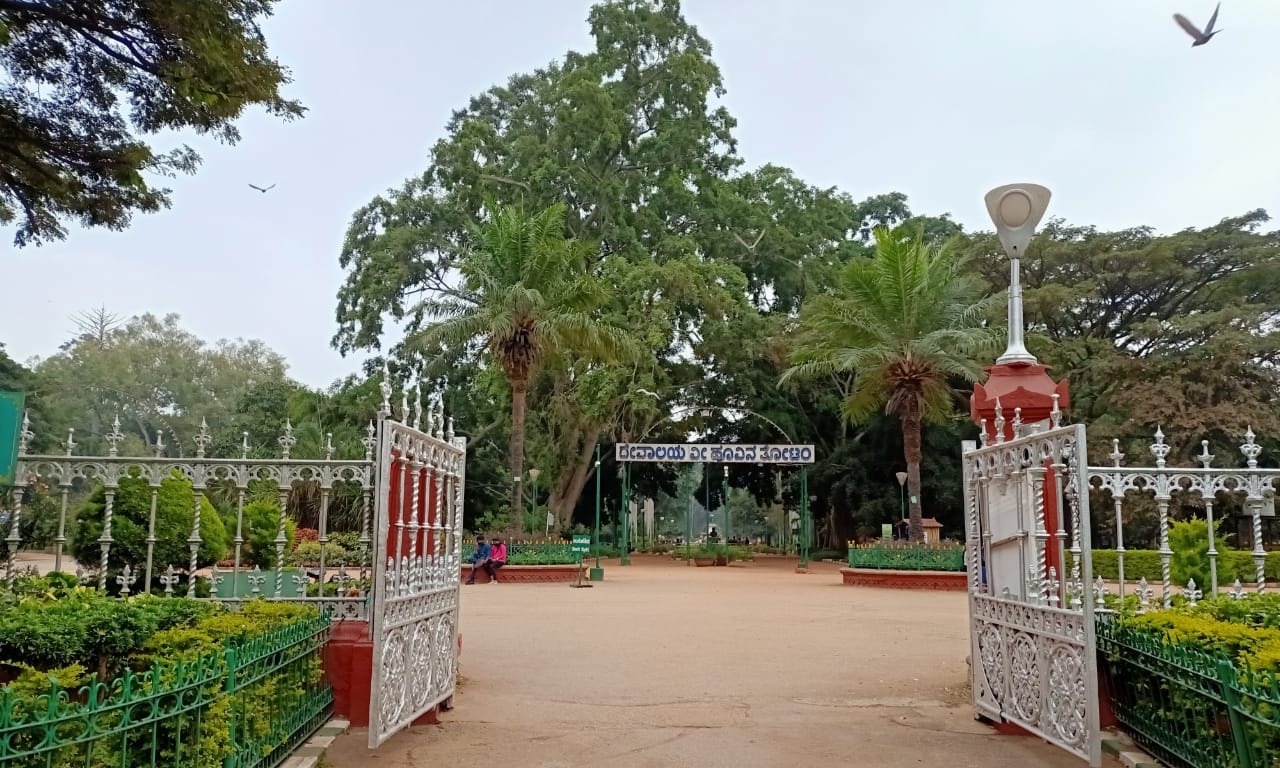
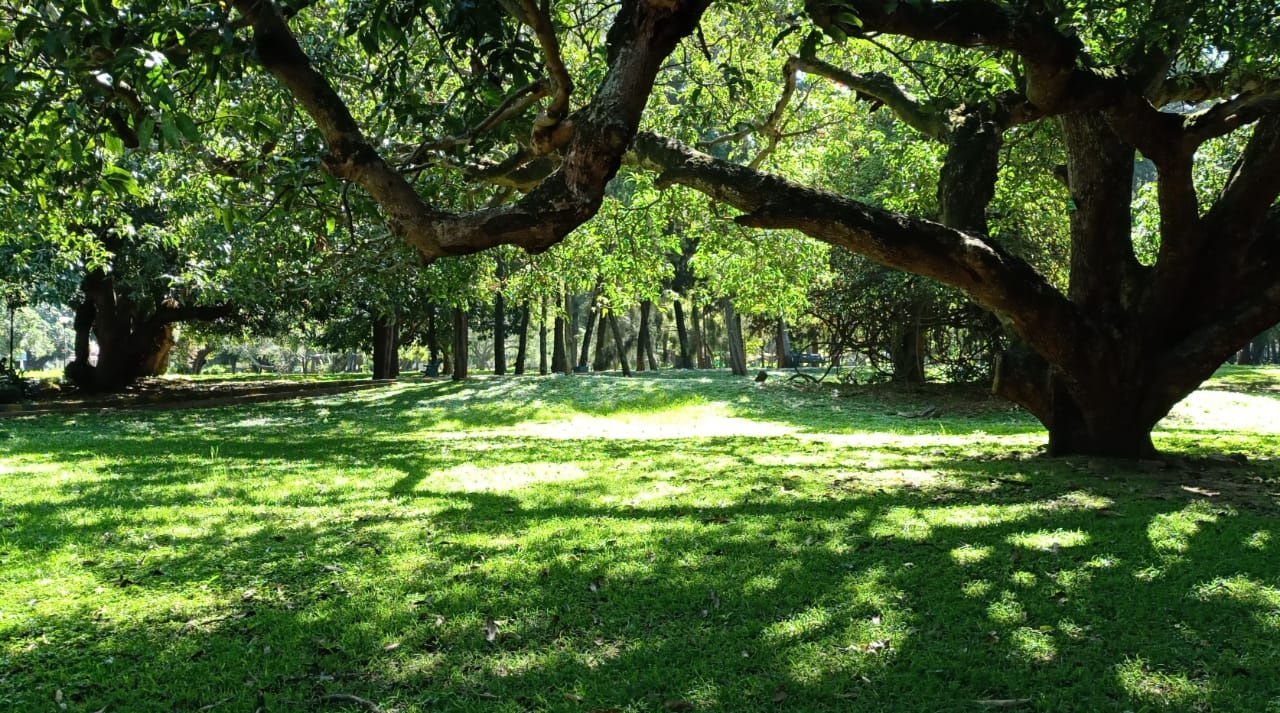
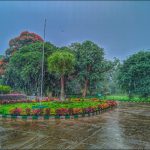
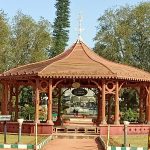
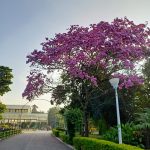
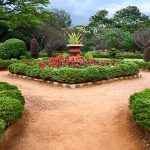
In a city known for its fast-paced tech culture and ever-expanding skyline, Lalbagh Botanical Garden stands as a refreshing reminder of Bangalore’s historical and ecological roots. Spread across acres of lush greenery, rare plant species, heritage structures, and geological wonders, Lalbagh is more than just a public park — it is a living botanical museum that has shaped Bengaluru’s identity for centuries.
Whether you are an architecture enthusiast, landscape designer, nature lover, photographer, or traveler, Lalbagh Botanical Garden offers an immersive experience that beautifully blends horticulture, history, and urban ecology.
History of Lalbagh Botanical Garden
Lalbagh Botanical Garden traces its origins back to the 18th century when it was commissioned by Hyder Ali in 1760. Inspired by Mughal-style gardens, he envisioned a grand botanical space filled with exotic plants from around the world. Later, his son Tipu Sultan expanded and completed the garden by importing plant species from countries such as Persia, Afghanistan, France, and Turkey.
During the British colonial era, the garden evolved into a scientifically managed botanical institution. The iconic Glass House, inspired by London’s Crystal Palace, was constructed in the late 19th century and remains one of Lalbagh’s defining landmarks today.
Key Facts:
- Located in southern Bengaluru, Karnataka
- Spread across approximately 240 acres
- Home to more than 1,800 species of plants and trees
- Established in 1760 by Hyder Ali
- Expanded by Tipu Sultan with imported exotic species
- Features one of the oldest rock formations on Earth
- Famous for biannual flower shows held on Republic Day and Independence Day
- Houses a Glass House inspired by London’s Crystal Palace
- Managed by the Directorate of Horticulture, Government of Karnataka
- One of India’s most important botanical gardens
Architectural and Landscape Highlights
1. The Iconic Glass House
The Glass House is undoubtedly Lalbagh’s most photographed structure. Built in 1890 and modeled after the Crystal Palace in London, this elegant iron-and-glass pavilion serves as the venue for the garden’s celebrated flower shows.
Architecturally, the structure reflects Victorian-era engineering combined with botanical aesthetics. During flower exhibitions, the Glass House transforms into a vibrant showcase of floral artistry, attracting thousands of visitors from across India.
2. The Ancient Peninsular Gneiss Rock
One of Lalbagh’s lesser-known marvels is the Peninsular Gneiss rock formation, estimated to be around 3 billion years old. This geological monument is considered among the oldest exposed rocks on Earth.
A watchtower built by Kempegowda, the founder of Bengaluru, sits atop the rock and offers panoramic views of the city and the surrounding gardens.
3. Lalbagh Lake
The serene Lalbagh Lake enhances the ecological balance of the garden and supports various bird species and aquatic life. Originally developed during the colonial period, the lake continues to serve as an important water source for the garden’s ecosystem.
The pathways around the lake are particularly popular among morning walkers, birdwatchers, and photographers.
4. Floral Clock and Bonsai Garden
Lalbagh also features:
- A large floral clock designed with colorful seasonal flowers
- A dedicated bonsai garden showcasing miniature tree artistry
- Rose gardens and lotus ponds
- Rare tropical and subtropical plant collections
- Tree fossils estimated to be millions of years old
Why Lalbagh Botanical Garden Matters Today
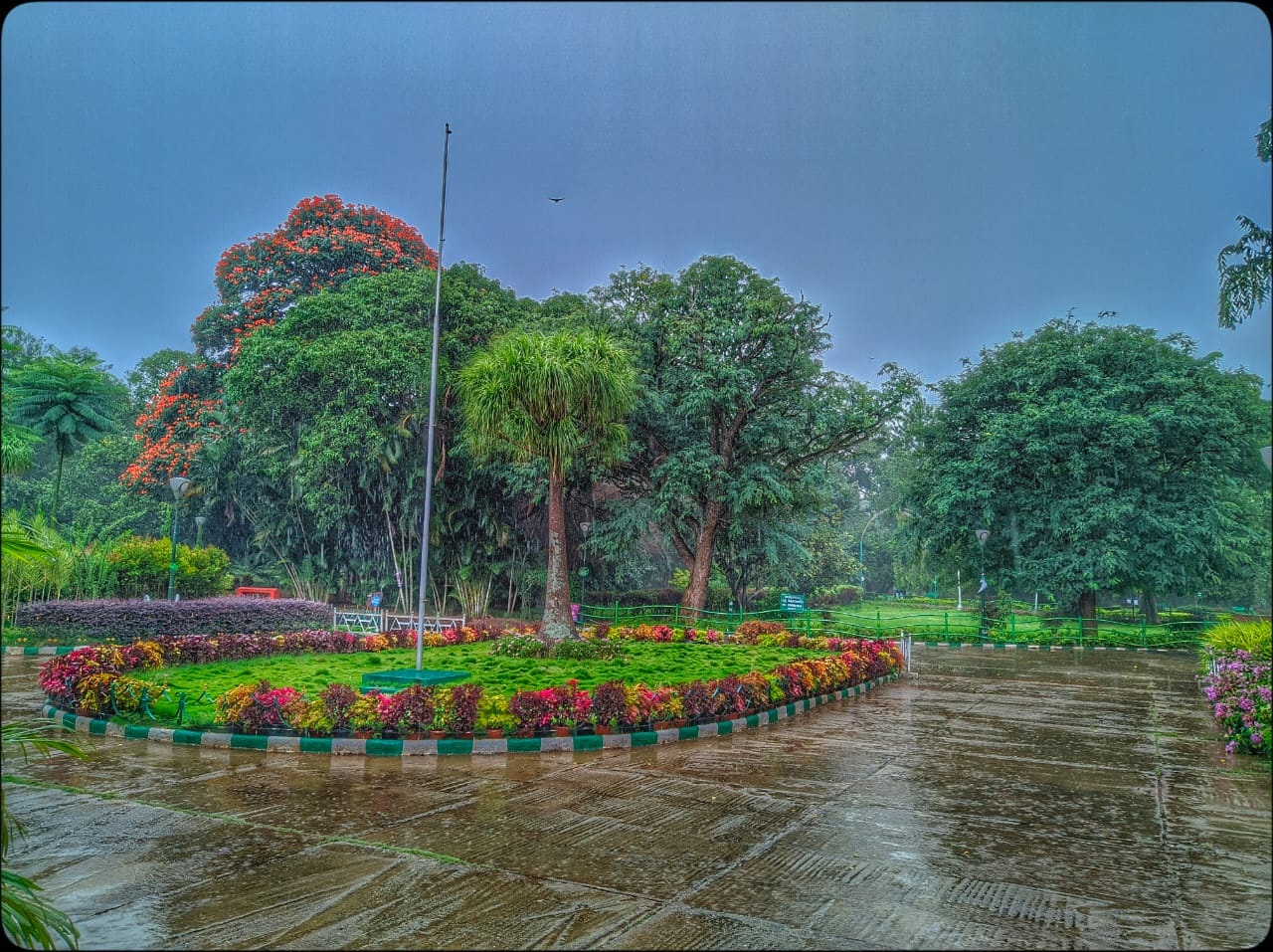
As Bengaluru rapidly urbanizes, Lalbagh plays a critical role in preserving biodiversity and maintaining ecological balance within the city. Often referred to as one of Bengaluru’s “green lungs,” the garden provides:
- Cleaner air
- Urban cooling
- Habitat for birds and insects
- Conservation of rare plant species
- Public recreational space
- Environmental education opportunities
Its enduring relevance highlights how thoughtfully designed public landscapes can positively influence urban life.
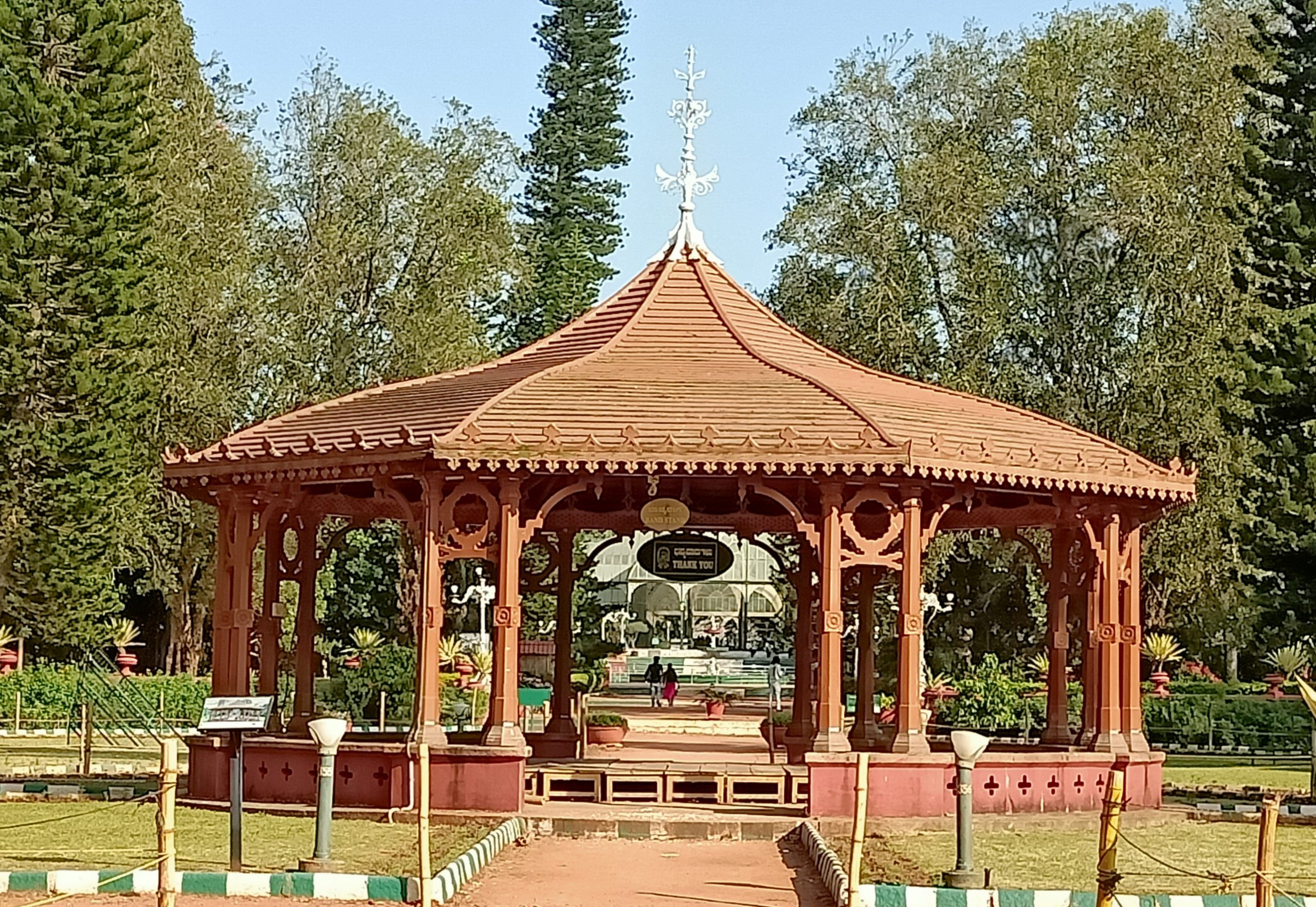
The Famous Lalbagh Flower Show
The Lalbagh Flower Show is one of India’s most celebrated horticultural events. Held twice a year — during Republic Day (January) and Independence Day (August) — the exhibition attracts gardeners, artists, architects, photographers, and tourists alike.
The flower show typically includes:
- Floral sculptures and installations
- Themed botanical displays
- Rare flower varieties
- Indigenous horticultural exhibits
- Cultural and historical tributes
The event demonstrates how landscape design and floral art can create immersive public experiences.
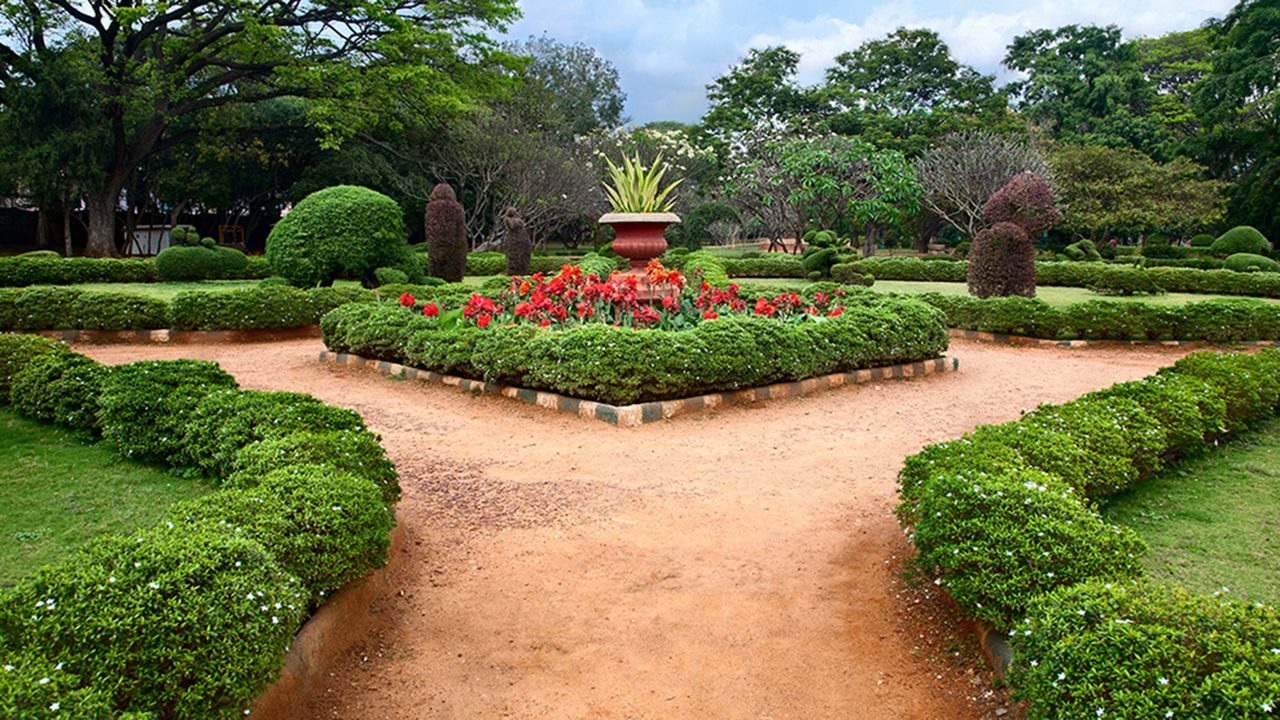
Lalbagh Botanical Garden is not just a botanical attraction — it is a cultural, ecological, and architectural landmark that continues to shape Bengaluru’s identity. From its Mughal-inspired origins and Victorian-era Glass House to its ancient geological formations and vibrant floral displays, Lalbagh remains one of India’s most treasured urban landscapes.
In an era where cities are rapidly losing green spaces, Lalbagh stands as a powerful reminder of the importance of preserving nature within urban environments. Whether you visit for research, recreation, photography, or quiet reflection, the garden offers an experience that feels timeless amid the rush of modern city life.


Related Article:
Puja Casa, Bandra: Inside a contemporary luxury residence in Mumbai’s prestigious Pali Hill
Omkar 1973 Worli: Inside Mumbai’s iconic luxury skyscraper by Foster + Partners
Rustomjee Crown: A new benchmark for luxury living in South Mumbai
Raheja Artesia, Worli: Inside Mumbai’s most exclusive ultra-luxury residential tower
DLF Camellias: Inside India’s most luxurious residential address