Rock Garden, Chandigarh
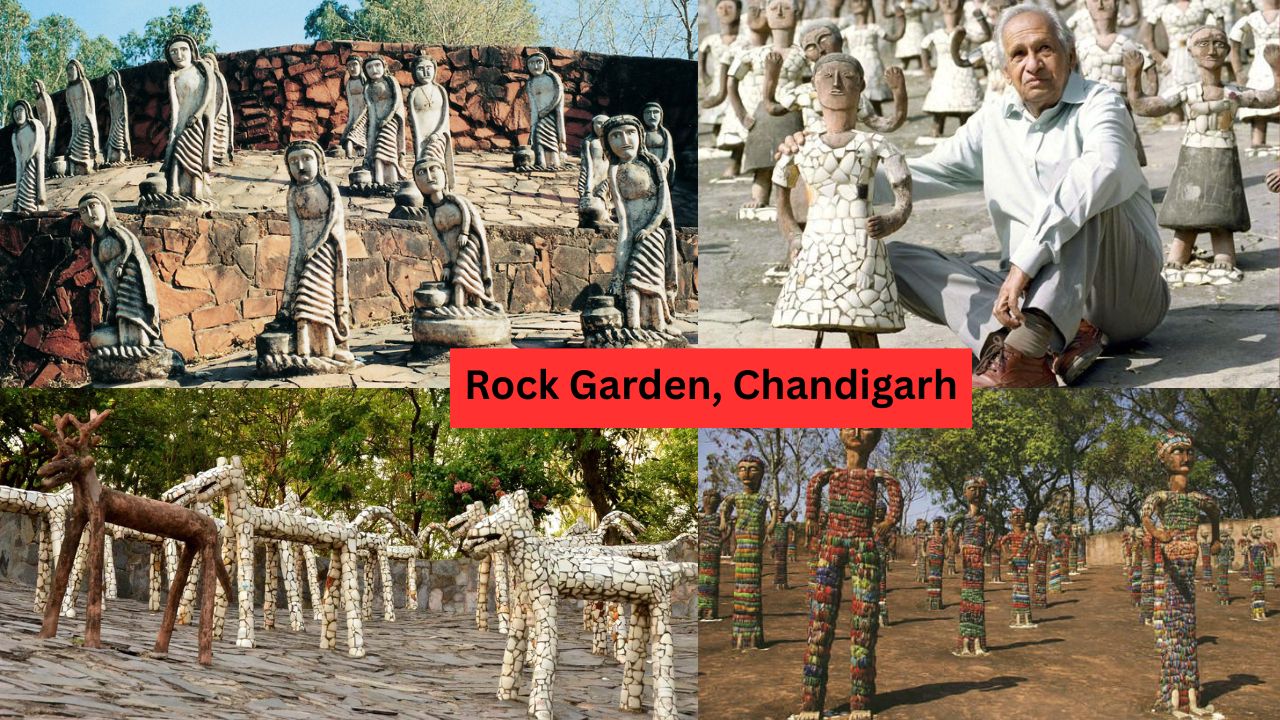
There are tourist attractions, and then there are places that quietly change the way you look at art, waste, and creativity. The Rock Garden of Chandigarh belongs to the second category.
Hidden within the carefully planned city of Chandigarh lies a magical world made entirely from discarded materials — broken bangles, ceramic tiles, bottles, industrial scraps, and household waste. What began as one man’s secret passion project eventually became one of India’s most iconic examples of sustainable art and creative architecture.
Created by self-taught artist Nek Chand, the Rock Garden is more than just a tourist spot. It is a living lesson in adaptive reuse, environmental consciousness, and artistic storytelling.
Key Facts:
- Located in Sector 1, Chandigarh, near Sukhna Lake, India
- Created by Nek Chand in 1957
- Built secretly over nearly 18 years before being discovered by authorities
- Spread across approximately 35–40 acres
- Constructed entirely from industrial and household waste materials
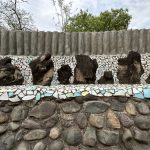
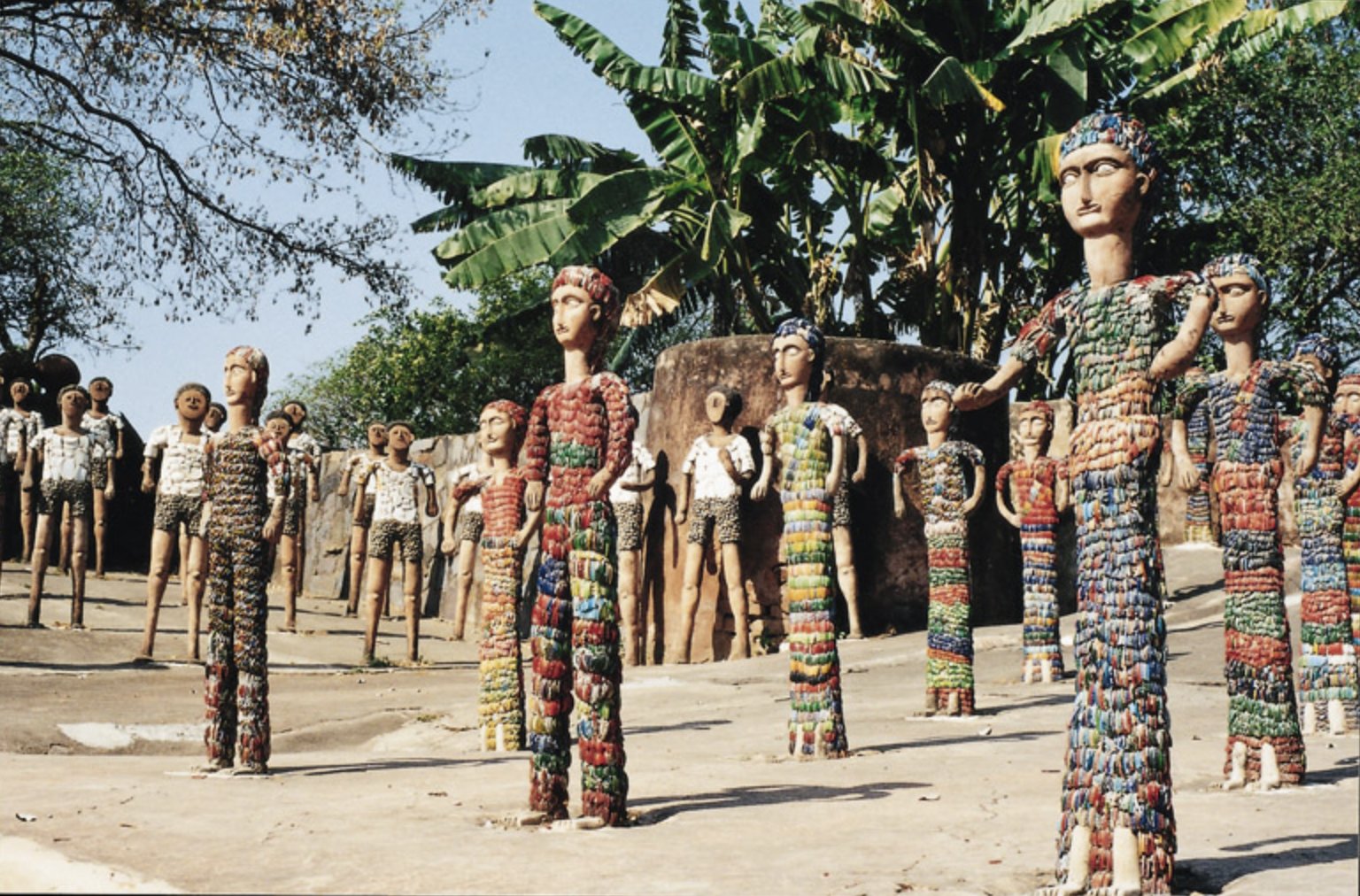
- Features thousands of sculptures made from broken ceramics, glass, bangles, tiles, and scrap metal
- Includes waterfalls, maze-like pathways, courtyards, bridges, and open-air theatres
- One of India’s most celebrated examples of recycled art and sustainable design
- Receives thousands of visitors every day
- Officially opened to the public in 1976
The Fascinating Story Behind the Rock Garden
The story of the Rock Garden feels almost cinematic.
In the late 1950s, Chandigarh was still a developing modern city designed by Swiss-French architect Le Corbusier. During construction, enormous amounts of debris and discarded materials were dumped around the city.
While most people saw waste, Nek Chand saw possibility.
Working as a roads inspector for the Public Works Department, he quietly began collecting broken tiles, stones, glass bangles, ceramic pots, electrical waste, and demolished architectural fragments. Deep inside a forested gorge near Sukhna Lake, he started building a fantasy kingdom made entirely from recycled materials.
For nearly two decades, the project remained hidden.
When authorities finally discovered the illegal construction in 1975, the garden had already evolved into a massive artistic environment filled with sculptures, pathways, and courtyards. Instead of demolishing it, public admiration helped save the project. The administration later recognized its artistic value and officially opened it to visitors in 1976.
Today, the Rock Garden stands as a symbol of imagination overpowering limitation.
Architecture and Design Language
What makes the Rock Garden truly remarkable is its unconventional architectural vocabulary.
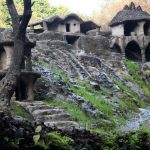
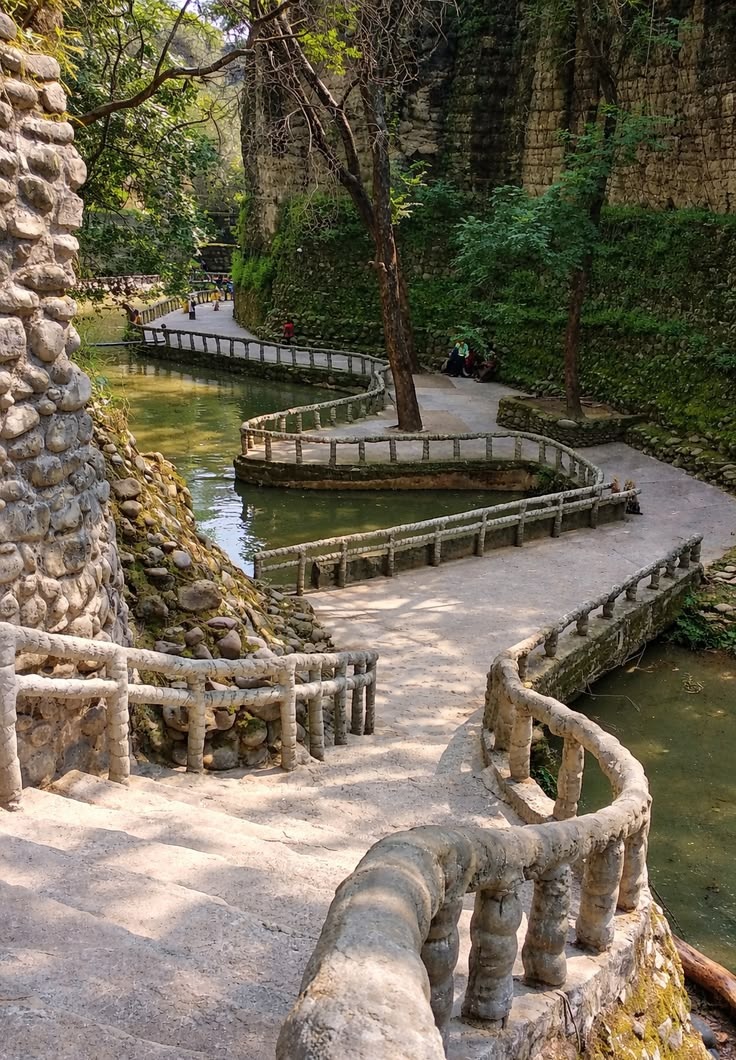
Unlike traditional landscaped gardens, this space feels organic, almost dreamlike. Visitors walk through narrow stone corridors that suddenly open into large courtyards filled with human and animal sculptures. Waterfalls appear unexpectedly between textured walls, while recycled materials create intricate surfaces everywhere.
The spatial experience is immersive and theatrical.
Materials Used in the Garden
Some of the most commonly used materials include:
- Broken ceramic tiles
- Glass bottles
- Bangles
- Electrical waste
- Industrial scrap
- Concrete debris
- Discarded sinks and sanitary ware
- Stones and pebbles
These materials were transformed into sculptures, walls, mosaics, and architectural forms.
For architects and designers, the Rock Garden is an extraordinary case study in:
- Adaptive reuse
- Sustainable construction
- Waste recycling in design
- Human-scale spatial planning
- Vernacular artistic expression
Major Attractions Inside the Rock Garden
The garden unfolds in phases, each offering a different atmosphere and experience.
1. Sculpture Courtyards
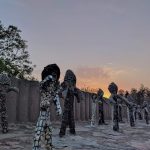
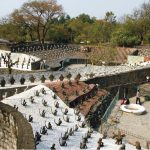
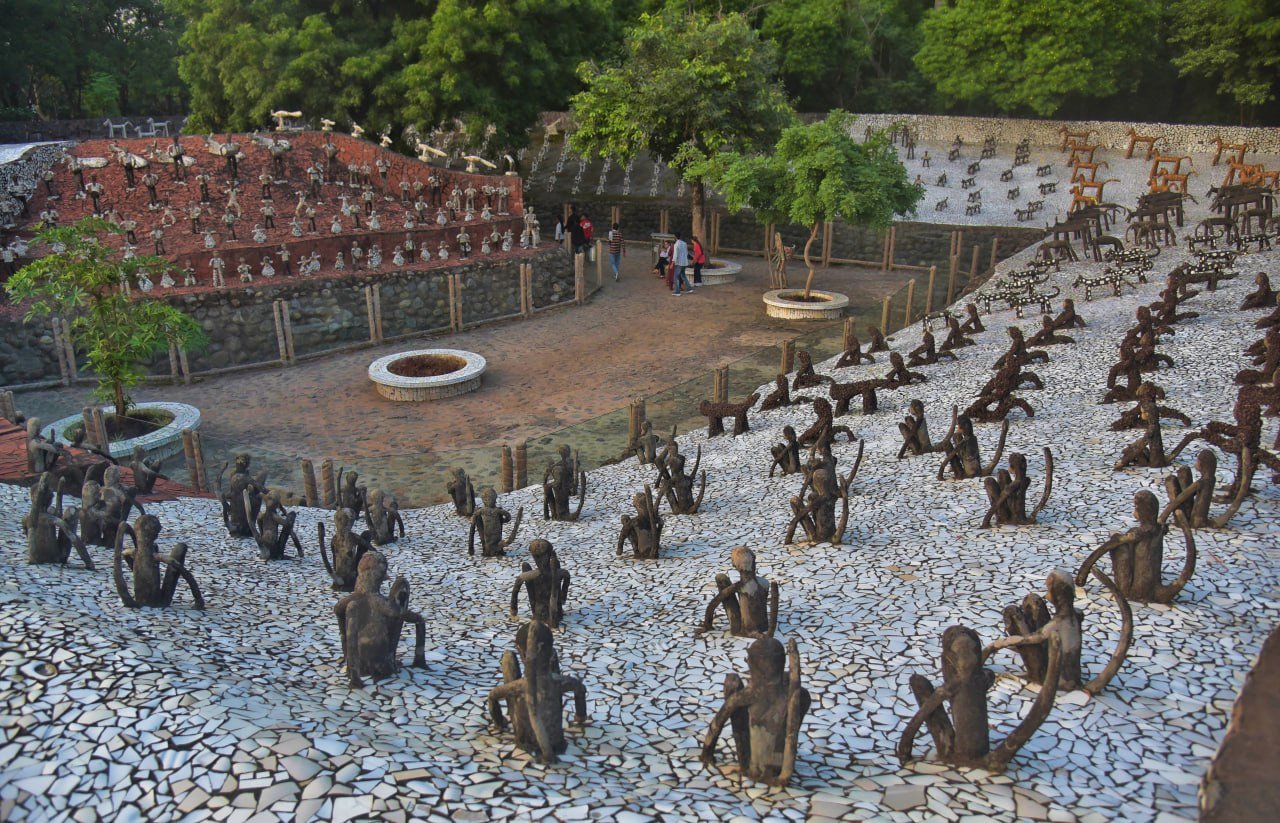
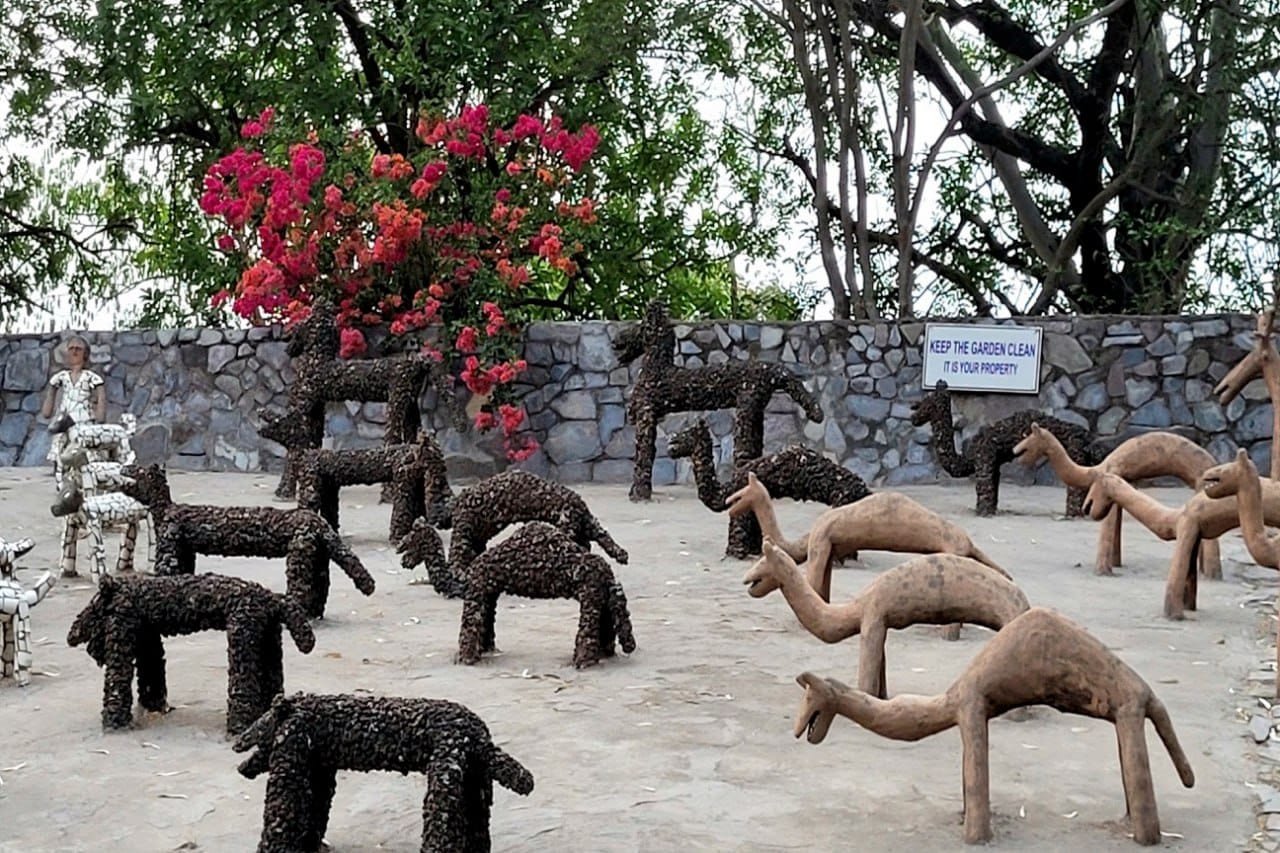
Thousands of handmade figures line the pathways — dancers, musicians, animals, villagers, and mythological characters crafted from recycled waste.
2. Waterfalls and Water Features
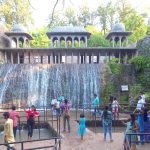
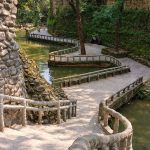
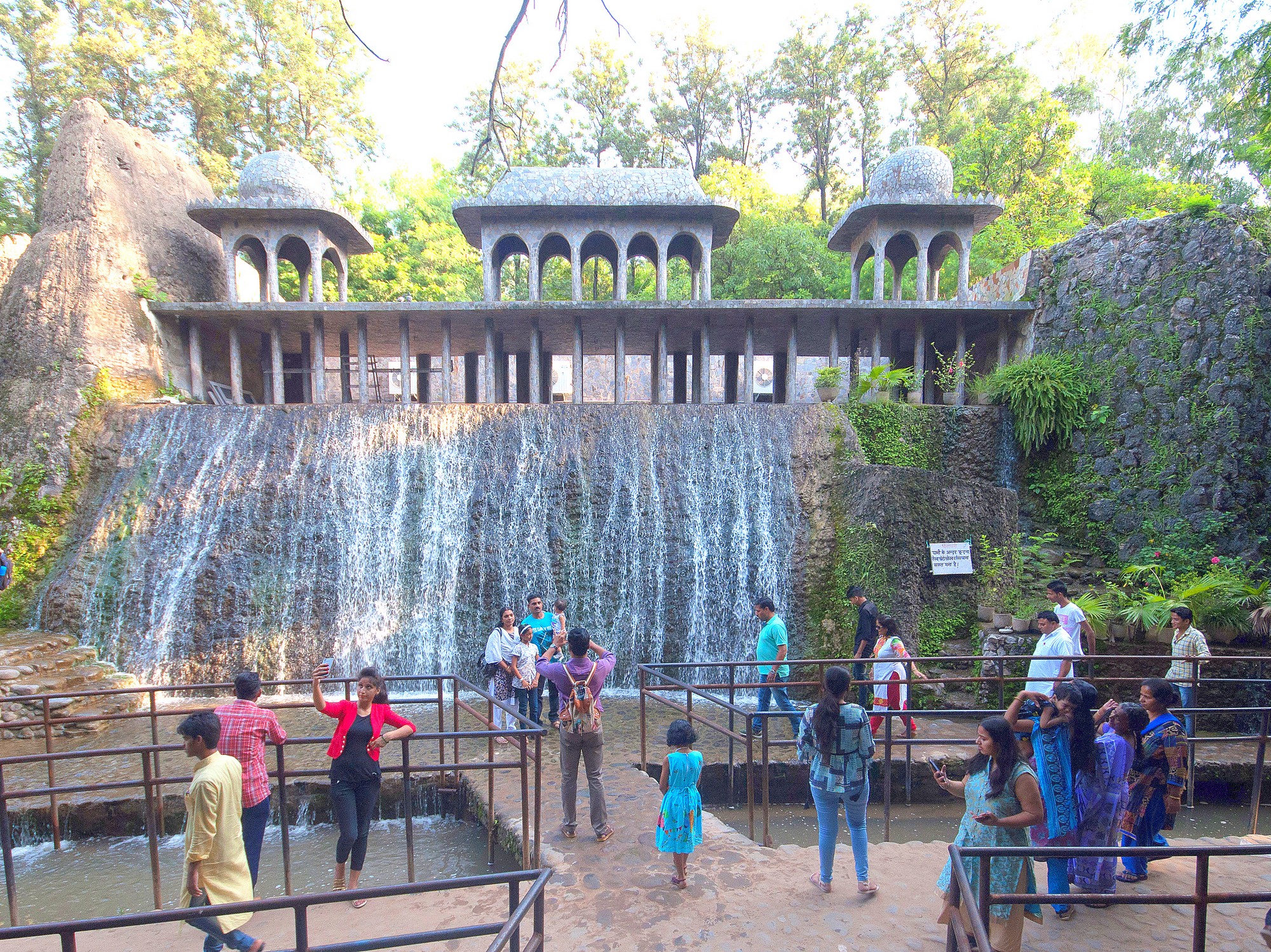
Artificial waterfalls flowing through rocky surfaces create a dramatic contrast against the textured recycled sculptures.
3. Maze-like Passages
The narrow interconnected pathways are one of the garden’s defining architectural features, creating a sense of discovery at every turn.
4. Open-Air Theatre
A large amphitheatre space hosts cultural activities and performances during festivals and public events.
5. Mosaic Art Installations
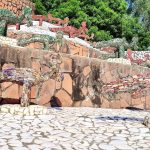
Detailed mosaic work using broken bangles, ceramics, and tiles can be seen throughout the complex.
Why the Rock Garden Matters in Modern Architecture
Long before sustainability became a global design trend, Nek Chand was already practicing it instinctively.
The Rock Garden challenges conventional ideas of beauty and material value. It proves that discarded objects can gain a second life through creativity and thoughtful design.
In today’s architectural discourse, the project remains relevant because it addresses:
- Circular design thinking
- Material reuse
- Low-cost construction ideas
- Environmental responsibility
- Emotional storytelling through space
Many contemporary architects and designers now reference the Rock Garden as an early example of sustainable environmental art.
The Rock Garden of Chandigarh is not just an art installation or a public garden — it is a powerful reminder that creativity can emerge from the most unexpected materials.
For architects, designers, and artists, it represents the beauty of experimentation. For travellers, it offers wonder and nostalgia. And for the world, it remains one of the finest examples of how sustainability and imagination can coexist beautifully.
Few places tell a story as extraordinary as this recycled kingdom built quietly by one man with vision, patience, and an eye for possibility.