
Kap’s Cafe, Canada & Dubai
Kap’s Café is not the kind of space that tries to impress through scale or complexity. Instead, it works quietly — through colour, mood, and atmosphere. Founded by Kapil Sharma and Ginni Chatrath, the café is a study in how brand identity and emotional design can shape a hospitality interior, even when architectural authorship remains intentionally understated.
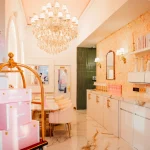
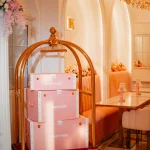
Located first in Surrey, Canada, and later expanded to Dubai, Kap’s Café positions itself as a lifestyle space rather than a conventional café. The design language is immediately recognisable — pastel tones, soft lighting, plush textures — creating an environment that feels approachable, comforting, and visually curated.

Designing for Experience Over Formality
From an architectural point of view, Kap’s Café prioritises experience over structure. The spatial planning avoids rigid zoning, instead allowing seating areas to flow organically into one another. This openness encourages casual movement and lingering, a common strategy in modern café interiors where social interaction is central to the space’s success.
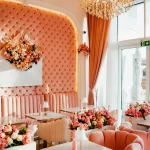
Rather than relying on architectural drama, the interiors lean into sensory comfort. Rounded furniture edges, upholstered seating, and gentle colour gradients soften the environment and reduce visual fatigue. The result is a space that feels relaxed rather than overwhelming — an intentional contrast to high-energy commercial cafés.

Pastels, Curves, and Visual Softness
The most striking aspect of Kap’s Café is its colour palette. Blush pinks, muted greens, warm neutrals, and subtle metallic accents form the backbone of the interior identity. These colours are not used as highlights but as a continuous backdrop, creating a cohesive visual experience throughout the café.
Curved forms appear consistently — in furniture profiles, decorative elements, and spatial transitions. This approach removes harsh visual breaks and reinforces the café’s calm, welcoming character. In hospitality design, such softness often translates directly into how long users choose to stay — and Kap’s Café clearly designs with that intention in mind.
Lighting as a Design Tool
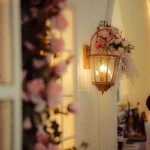
Lighting plays a crucial role in shaping the mood of the café. Rather than functional brightness, the space relies on warm ambient lighting paired with decorative fixtures that double as visual focal points. Chandeliers and accent lights are positioned to enhance seating zones and highlight textures, making the interiors feel layered and intimate.
This lighting strategy also aligns with the café’s social-media-driven audience. Even illumination and warm tones ensure the space photographs well without appearing artificial — a growing requirement in contemporary café design.

Brand-Led Interior Identity
What makes Kap’s Café architecturally interesting is not who designed it, but how clearly the brand leads the design decisions. The interiors feel curated rather than authored — suggesting close involvement from the founders and their creative team in shaping the space’s visual language.
This brand-led approach reflects a broader shift in hospitality design, where mood, recognisability, and emotional connection often outweigh formal architectural expression. Kap’s Café fits comfortably within this trend, using consistency and atmosphere as its strongest design tools.

A Space Built on Mood and Memory
Kap’s Café may not present groundbreaking architecture, but it doesn’t try to. Its strength lies in understanding what modern café users seek — comfort, warmth, and spaces that feel personal. By focusing on softness, visual continuity, and experience-driven design, the café succeeds in creating an interior that feels memorable without being loud.
For architects and designers, Kap’s Café offers a subtle reminder: sometimes, restraint and clarity of intent are more powerful than complexity.








Related Article:
Puja Casa, Bandra: Inside a contemporary luxury residence in Mumbai’s prestigious Pali Hill
Gautam Adani House: Inside the luxurious residence of India’s business tycoon in Ahmedabad
Mukesh Ambani House: Antilia, the world’s most expensive private residence in Mumbai
Jeff Bezos House: Inside the Mansions and Estates of the Amazon Founder
Bill Gates’s House: An inside look at all the homes owned by the Microsoft co-founder
Michael Jordan’s homes: A design-led journey through his signature residences
Abode: Inside Anil Ambani’s iconic Pali hill residence that redefines luxury living in Mumbai
Inside Jalsa: An architectural perspective on Amitabh Bachchan’s iconic Mumbai residence
Abode: Inside Anil Ambani’s iconic Pali hill residence that redefines luxury living in Mumbai
Jatia House: Kumar Mangalam Birla’s iconic home of luxury and heritage in Mumbai
Gulita: The diamond-inspired seafront mansion of Isha Ambani and Anand Piramal
Inside Sea Wind: The 17-Storey family home Mukesh Ambani shared with Anil Ambani before Antilia
Goolestan (Om Arc): Inside Anand Mahindra’s heritage home on Nepean sea road, Mumbai