Introduction:
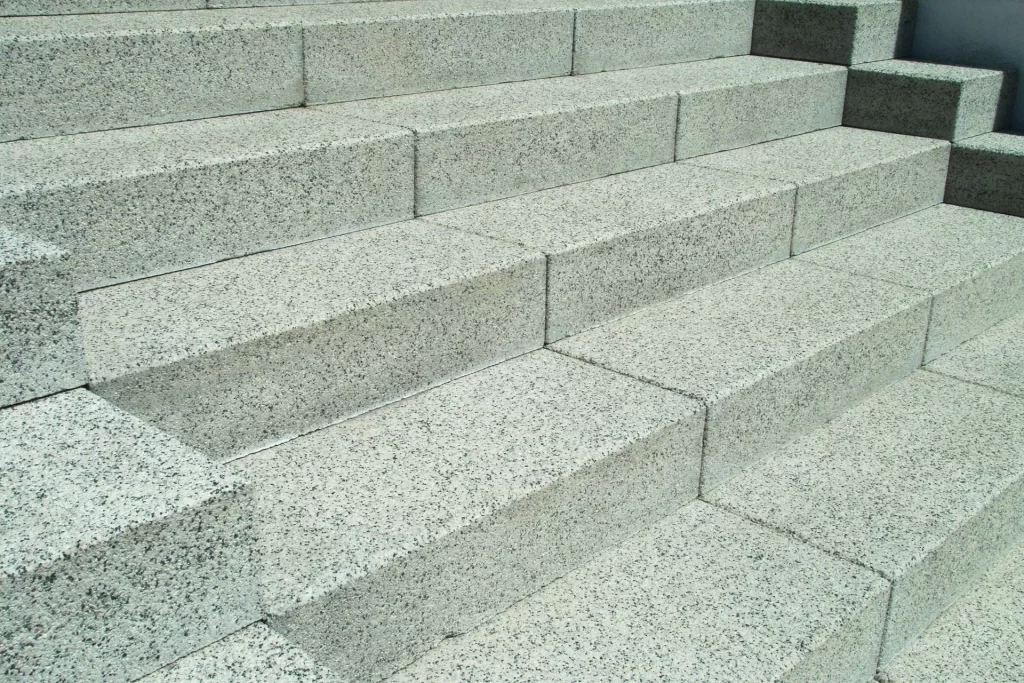
In the realm of architecture, the choice of building material is paramount. It not only influences the aesthetic appeal of a structure but also impacts its durability, sustainability, and cost-effectiveness. Among the plethora of materials available, concrete blocks stand out as a versatile and low-cost option that has been utilized in architectural design for decades. In this exploration, we delve into the world of concrete blocks, examining their properties, benefits, and various techniques for integrating them into architectural projects.
Understanding Concrete Blocks:
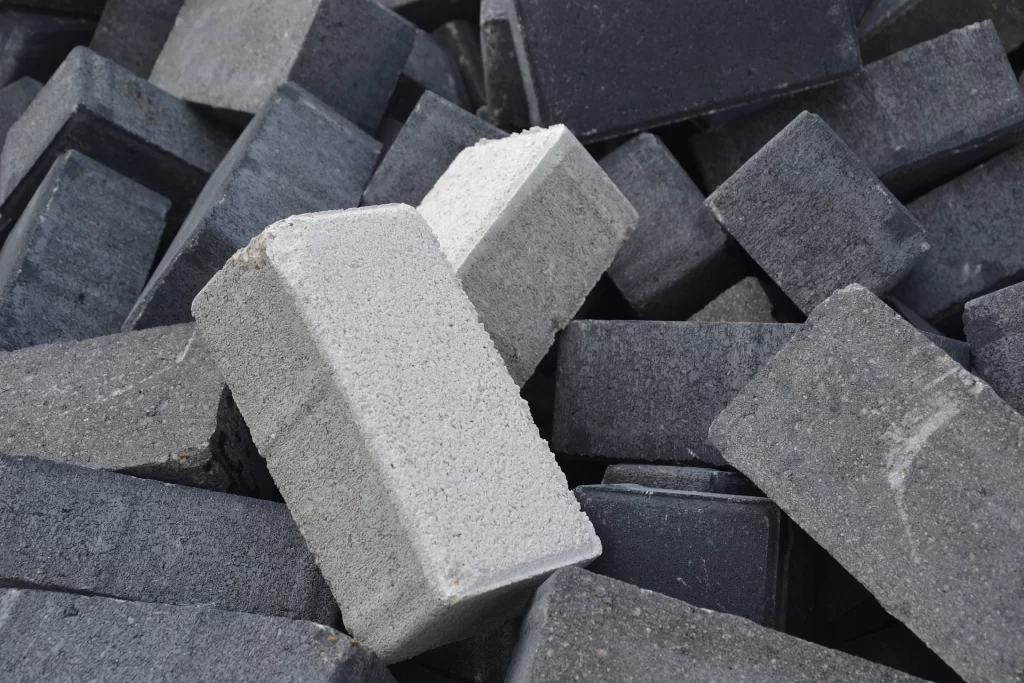
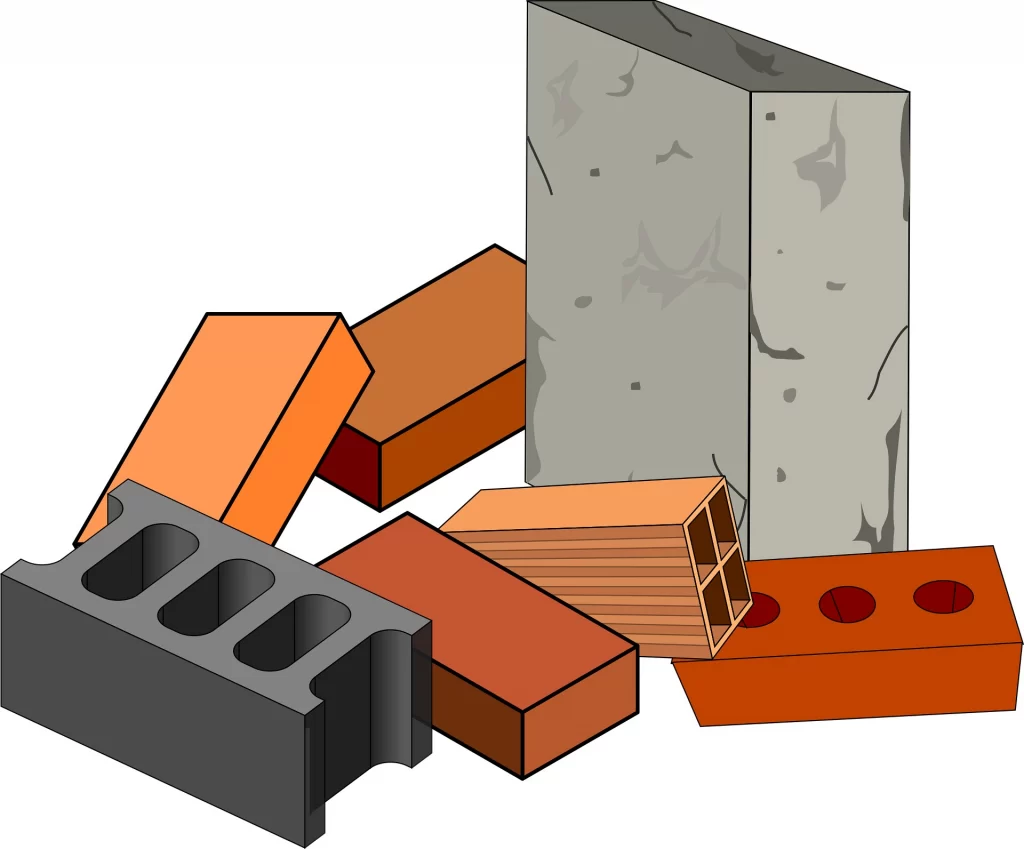
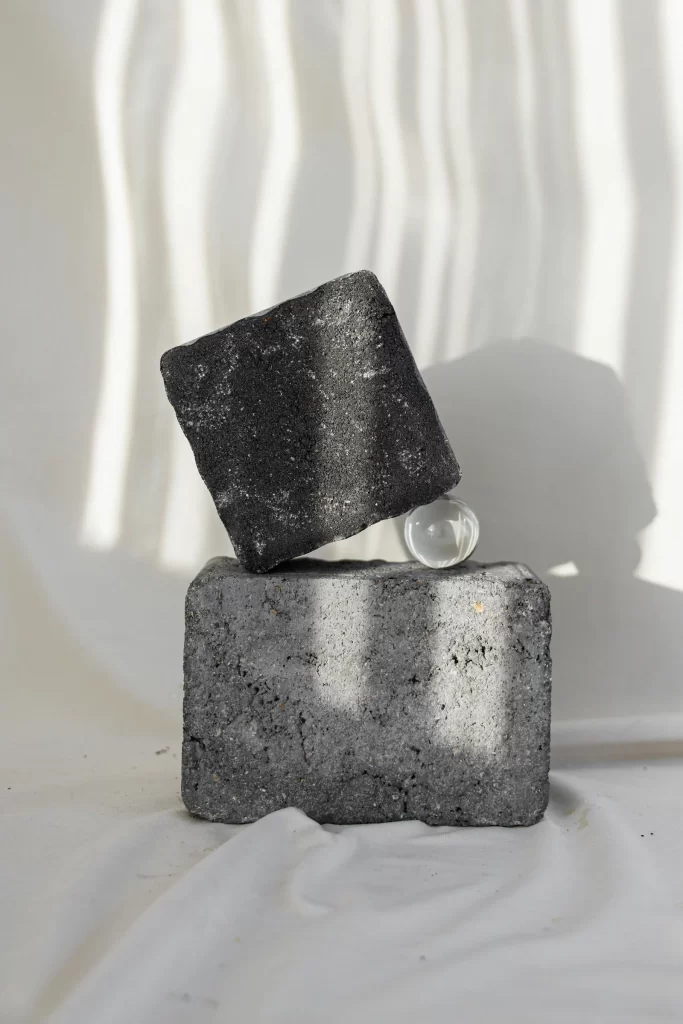
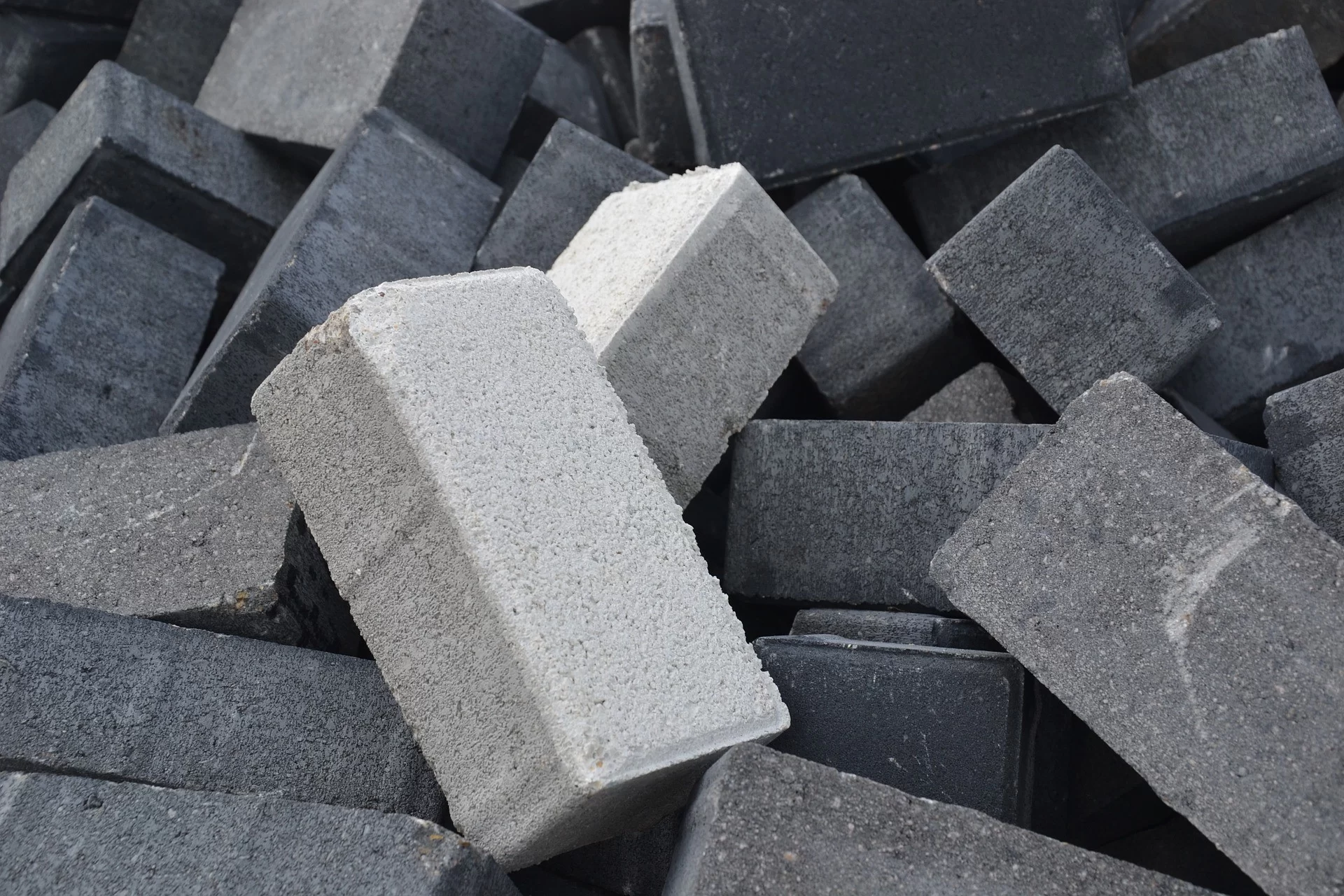
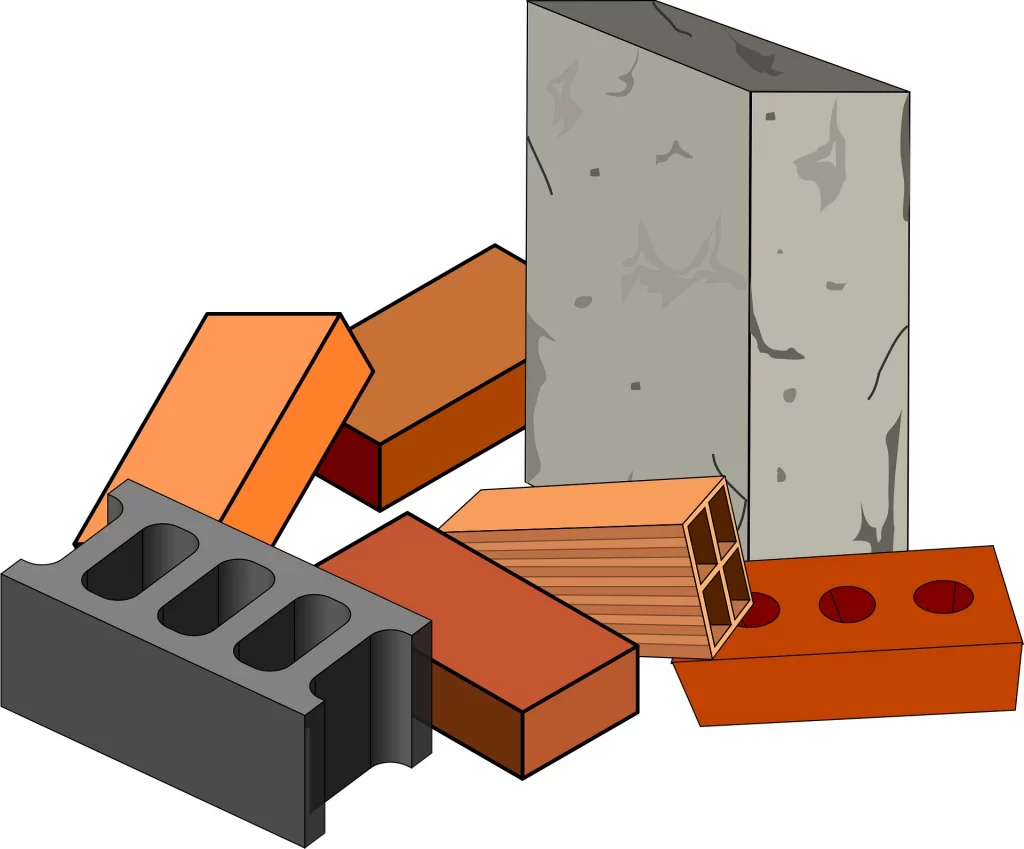
Concrete blocks, also known as cinder blocks or concrete masonry units (CMUs), are precast concrete products used in construction. They come in various shapes, sizes, and densities, offering architects a wide range of options to suit different design requirements. The basic composition of concrete blocks typically includes cement, aggregate, and water, with additives for enhancing strength, durability, and other properties.
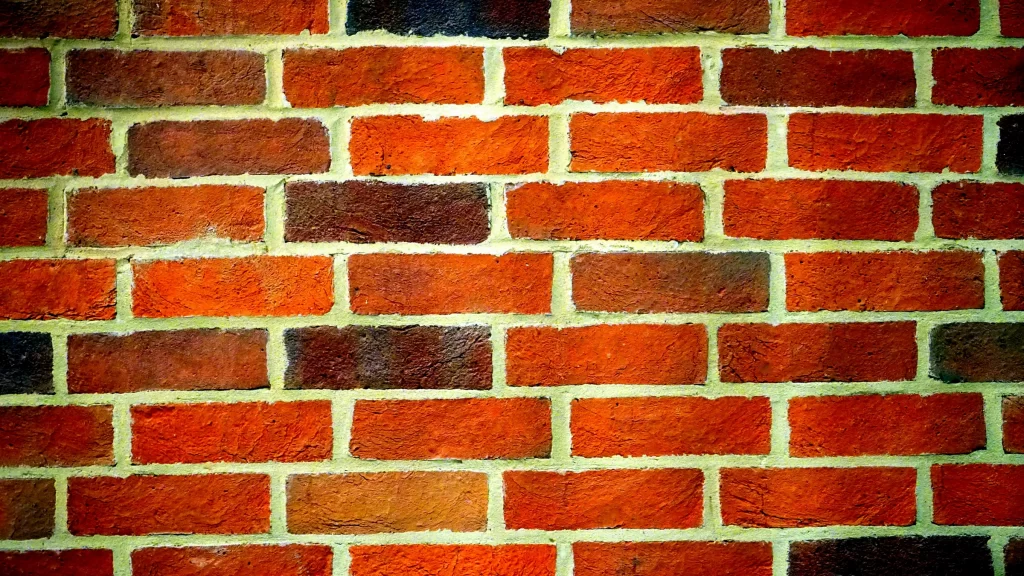
One of the key advantages of concrete blocks is their inherent strength and durability. Unlike traditional bricks, which are made from clay and require firing in a kiln, concrete blocks are cured and hardened through a hydration process. This makes them resistant to weathering, moisture, and pests, ensuring long-term structural integrity.
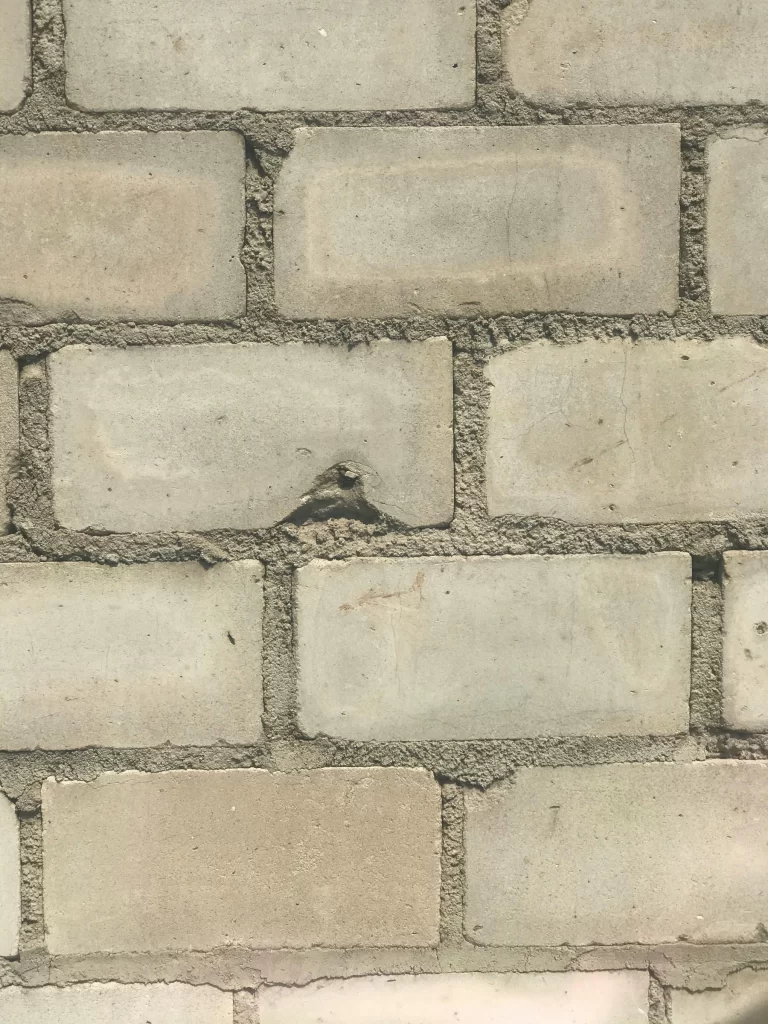
Another benefit of concrete blocks is their modularity. Due to standardized dimensions and uniformity in production, concrete blocks can be easily stacked and arranged to create walls, partitions, and other structural elements. This modularity allows for efficient construction processes, reducing labor costs and construction time.
Design Strategies for Concrete Block Architecture:
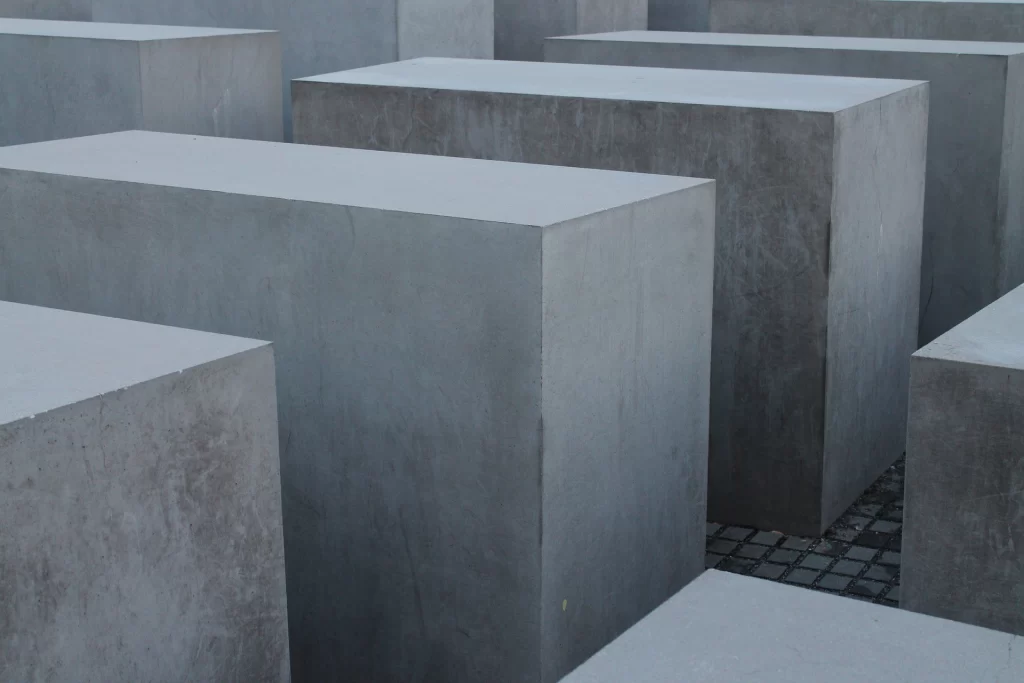
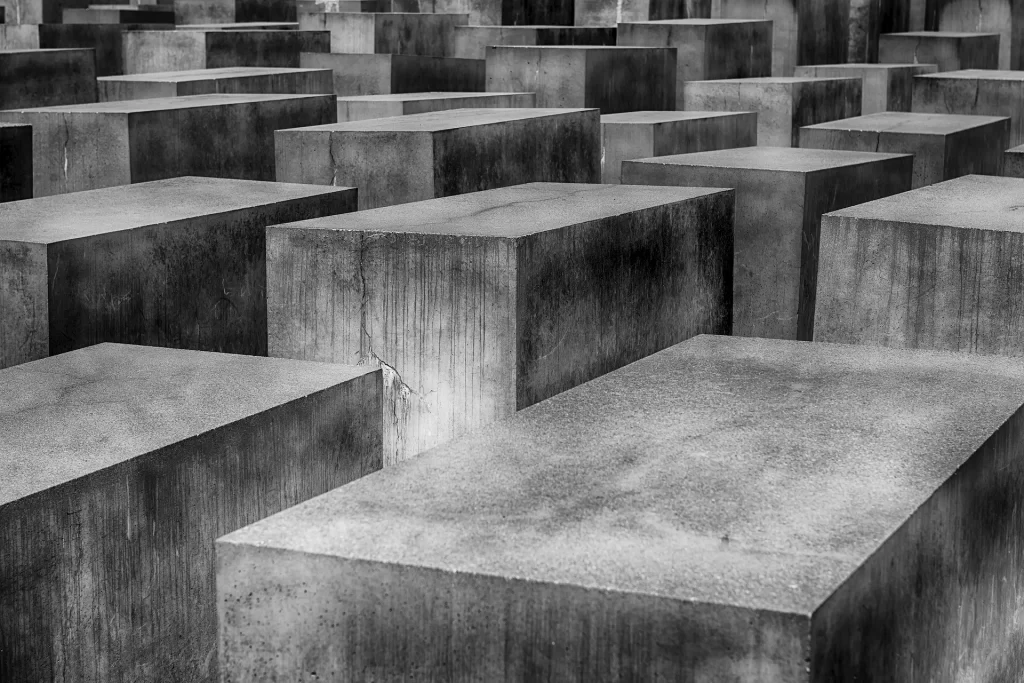
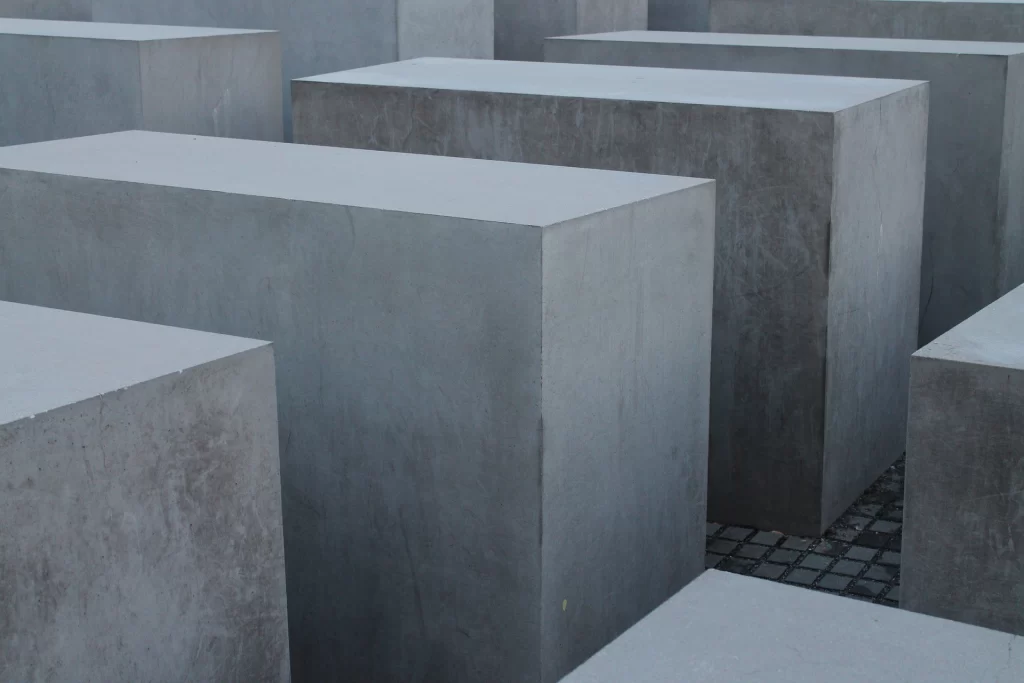
Architects have long recognized the design potential of concrete blocks, leveraging their modular nature to create visually striking and functionally efficient structures. One common design strategy is to use concrete blocks as both a structural and aesthetic element. By exposing concrete blocks on exterior facades or interior walls, architects can add texture, depth, and visual interest to a building’s design.
Additionally, concrete blocks offer versatility in terms of surface finish. They can be left exposed for a raw and industrial look, or they can be finished with stucco, paint, or other coatings to achieve a more refined appearance. This flexibility allows architects to adapt concrete blocks to various architectural styles, from modernist to rustic.
Innovative architects are also exploring creative ways to manipulate concrete blocks to create unique architectural features. By cutting, stacking, or arranging blocks in unconventional patterns, architects can achieve intricate designs and geometric forms. This approach adds an element of craftsmanship and artistry to concrete block architecture, elevating it beyond its utilitarian origins.
Construction Techniques and Considerations:
When working with concrete blocks, architects and builders must consider several factors to ensure successful implementation. Proper installation techniques are crucial for achieving structural stability and longevity. This includes ensuring adequate foundation support, using mortar of the appropriate strength and consistency, and properly aligning and leveling blocks during construction.
Reinforcement is another important consideration, especially for load-bearing walls and structures. Steel reinforcement bars, also known as rebar, can be inserted into the hollow cores of concrete blocks to enhance their strength and resistance to lateral forces. Additionally, grouting the cores with concrete or mortar further increases stability and fire resistance.
It’s also essential to address thermal and moisture concerns when using concrete blocks in construction. While concrete blocks offer good thermal mass, they can also be prone to moisture infiltration if not properly sealed and insulated. Architects must incorporate vapor barriers, insulation, and adequate drainage systems to mitigate these risks and ensure occupant comfort and building durability.
Future Trends and Innovations:
As the field of architecture continues to evolve, so too does the use of concrete blocks as a building material. Emerging trends and innovations are shaping the future of concrete block architecture in exciting ways. One notable trend is the integration of sustainable practices and materials into concrete block construction. This includes using recycled aggregates, incorporating renewable energy systems, and designing buildings with passive heating and cooling strategies.
Technological advancements are also driving innovation in concrete block manufacturing and construction techniques. 3D printing, in particular, holds promise for revolutionizing the way concrete blocks are produced and used in architecture. By utilizing robotic arms or gantry systems, architects can create custom-designed concrete blocks with intricate shapes and patterns, opening up new possibilities for creative expression in architectural design.
Furthermore, the rise of digital fabrication technologies allows for greater precision and efficiency in concrete block production. Computer-aided design (CAD) software and computer numerical control (CNC) machining enable architects to design complex geometries and prototypes with ease, paving the way for more experimental and sculptural applications of concrete blocks in architecture.
Conclusion:
Concrete blocks have long been a staple in architectural construction, valued for their strength, versatility, and affordability. As architects continue to push the boundaries of design and sustainability, concrete blocks remain a viable and promising building material for the future. By understanding the inherent properties of concrete blocks and embracing innovative design and construction techniques, architects can harness the full potential of this modular and low-cost material to create buildings that are not only aesthetically pleasing but also durable, efficient, and environmentally responsible.