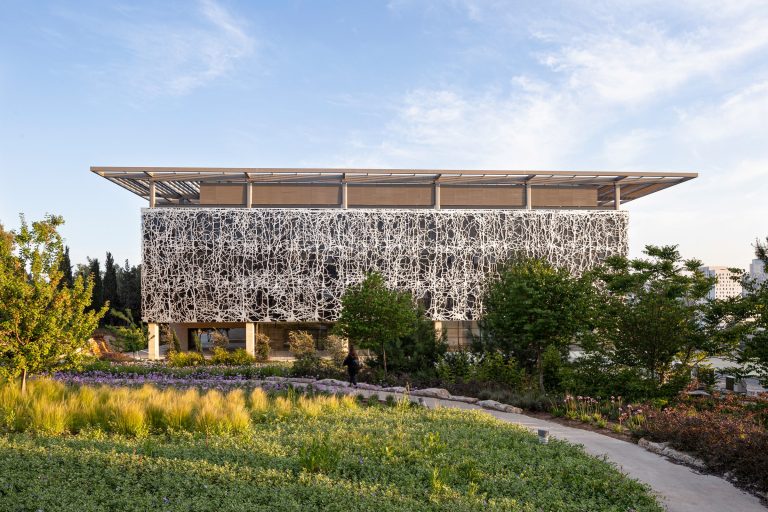
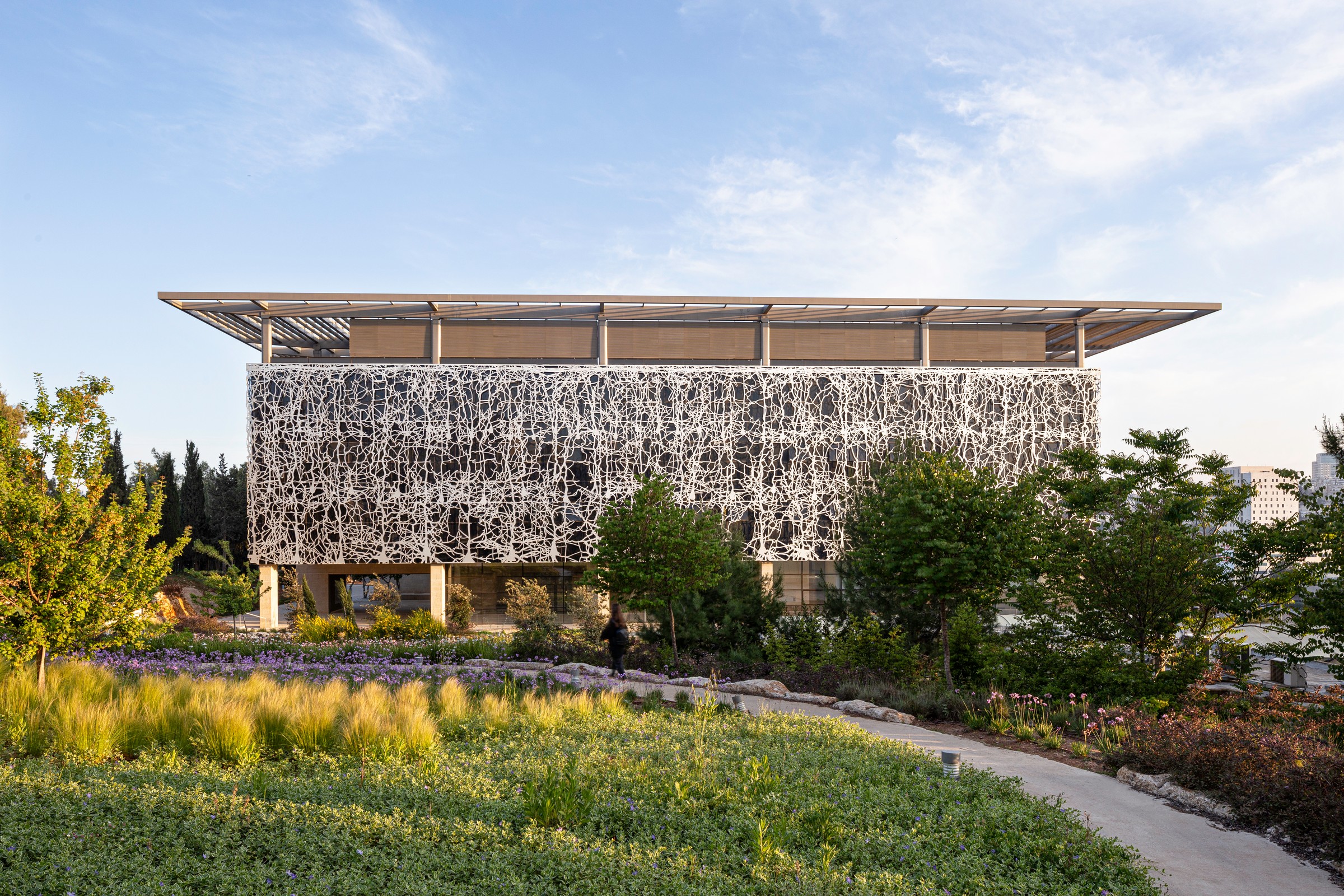
The Edmond and Lily Safra Centre for Brain Sciences / Foster + Partners; Photographer: © Harel Gilboa
London has never been short of ambitious architecture. From Victorian landmarks and Georgian terraces to glass towers, adaptive-reuse projects and experimental cultural spaces, the city is constantly reinventing itself. What makes London especially interesting today is the variety of practices shaping that change.
Some firms are known for technically ambitious buildings on a global scale. Others focus on conservation, housing, public spaces, interiors or thoughtful adaptations of existing structures. There is no single definition of what makes an architecture firm “the best”, so this list looks instead at practices that have made a distinctive contribution to London and continue to influence the way the city is designed.
Here are some of the architecture and design firms worth knowing if you are exploring London’s contemporary design scene.
1. Foster + Partners
Few London practices have had as much influence on contemporary architecture as Foster + Partners. Founded by Norman Foster in 1967, the studio has built a reputation around innovation, engineering, sustainability and integrated design.
The practice’s work in London includes major projects such as City Hall at More London, where the building’s distinctive form and environmental strategy became an important part of the regeneration of the South Bank.
What makes Foster + Partners particularly interesting is the way architecture is developed alongside engineering, environmental design, urbanism, interiors and technology. Rather than treating these disciplines as separate stages, the studio brings them together from the beginning of a project.
2. Zaha Hadid Architects
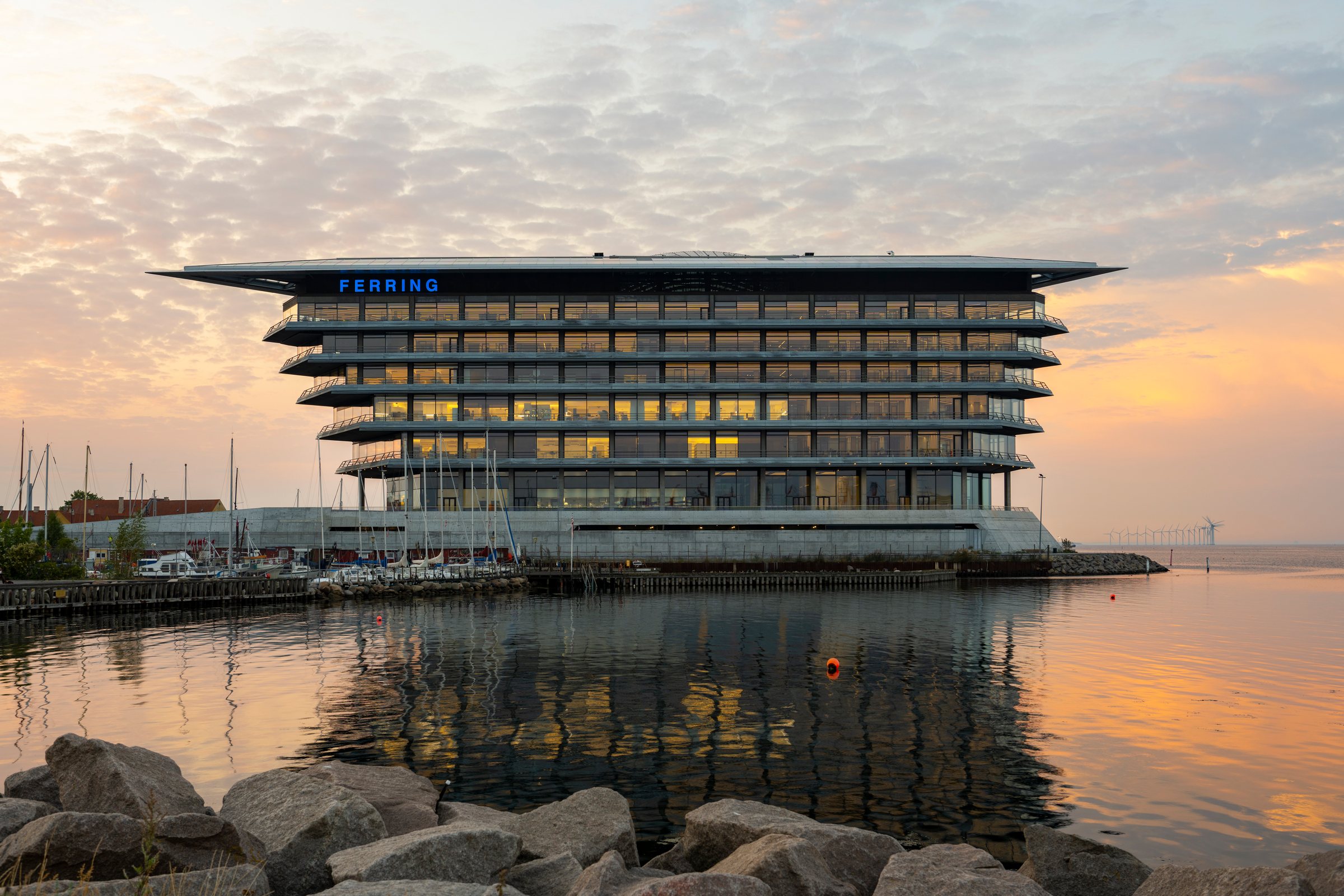
Zaha Hadid Architects has become almost synonymous with fluid forms and experimental architecture. Founded by the late Zaha Hadid, the London-based practice continues to explore architecture through advanced geometry, computational design and new approaches to space.
Its London work includes the London Aquatics Centre, a memorable project from the 2012 Olympic Games. The building demonstrates the practice’s ability to combine a strong visual identity with the practical demands of a major public venue.
Beyond individual buildings, ZHA’s work has helped change the conversation around what contemporary architecture can look and feel like. Its portfolio covers cultural, commercial, residential, transport, sports and mixed-use projects across the world.
3. RSHP
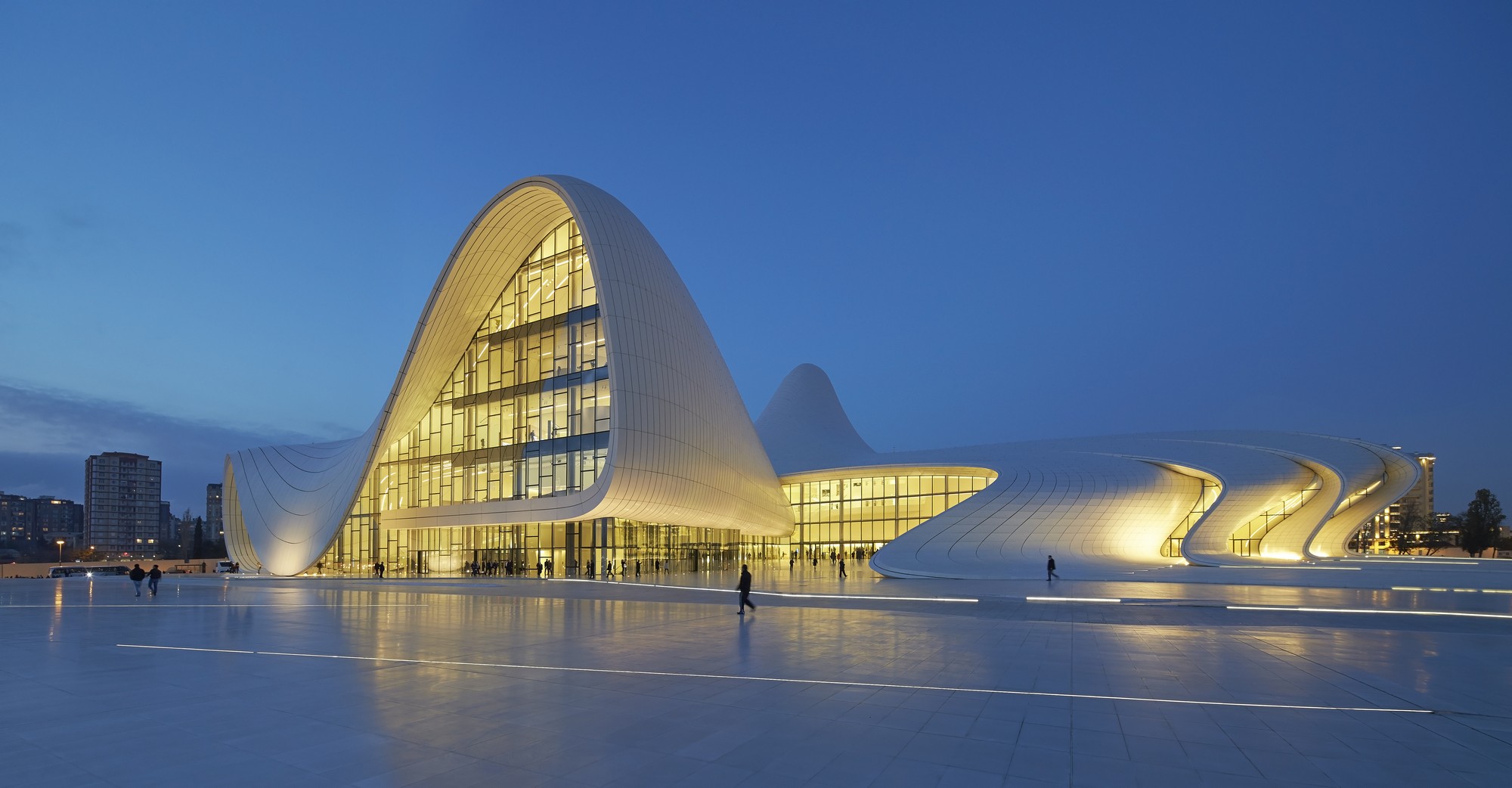
Originally established as the Richard Rogers Partnership, RSHP has played a defining role in London’s high-tech architectural tradition. The practice was founded in 1977 and later became Rogers Stirk Harbour + Partners before adopting the name RSHP.
Its approach is not simply about creating visually striking buildings. The practice places considerable emphasis on context, social responsibility and the way buildings interact with the city.
The legacy of Richard Rogers can be seen across London, particularly in projects that challenged conventional ideas about structure, flexibility and public space. The practice continues to work across architecture, urban design and regeneration.
4. Grimshaw
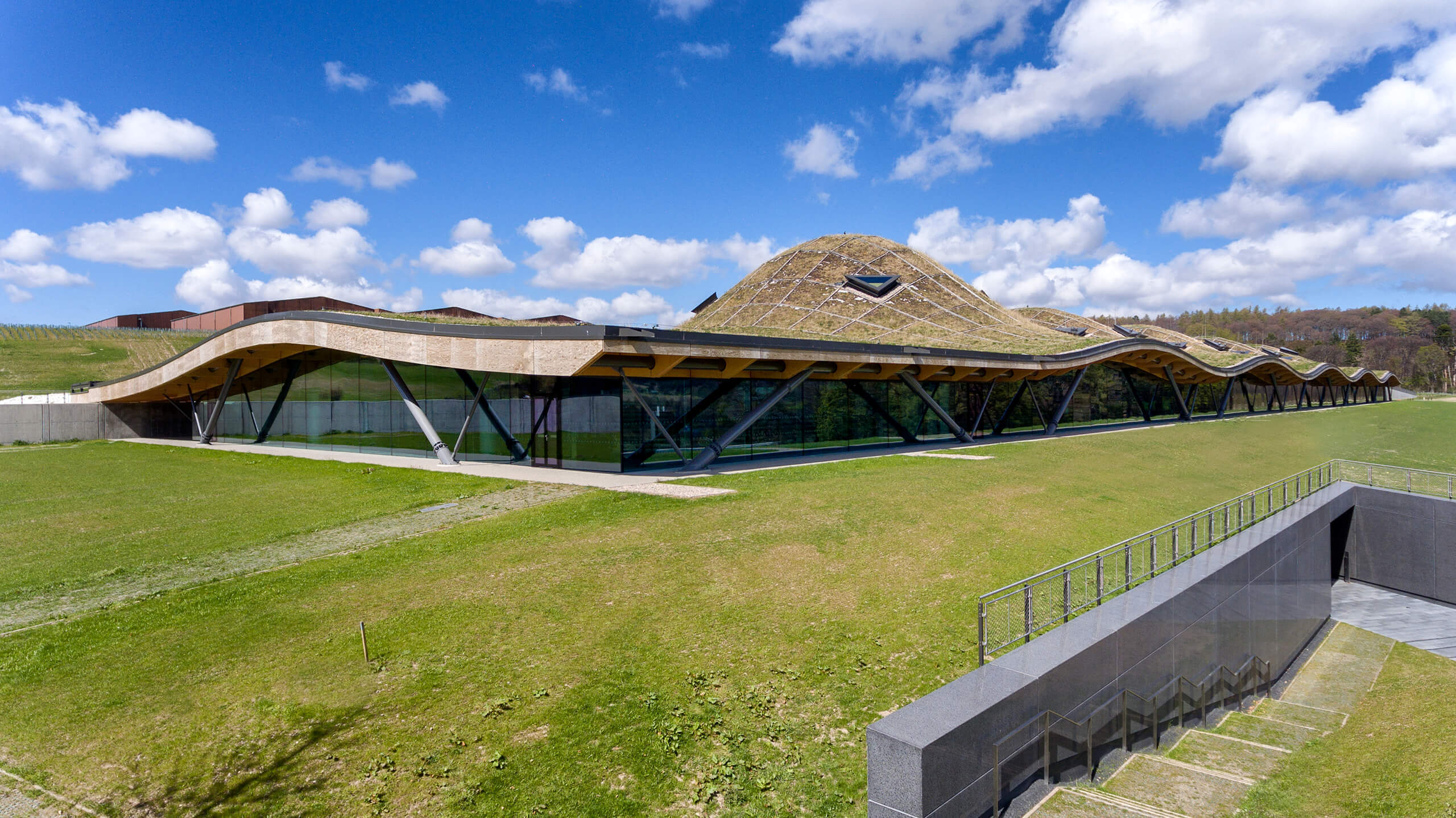
Grimshaw is another London practice with a strong connection to engineering-led design. The studio has worked across architecture, transport, infrastructure, environmental design and large-scale masterplanning.
Its London portfolio includes projects associated with transport and infrastructure, including work around Waterloo Station, the Northern Line Extension and other major pieces of London’s evolving transport network.
What stands out about Grimshaw is its ability to make technically complex projects feel coherent and approachable. Its work demonstrates that infrastructure does not have to be purely functional; stations, bridges and transport hubs can contribute meaningfully to the identity of a city.
5. Heatherwick Studio
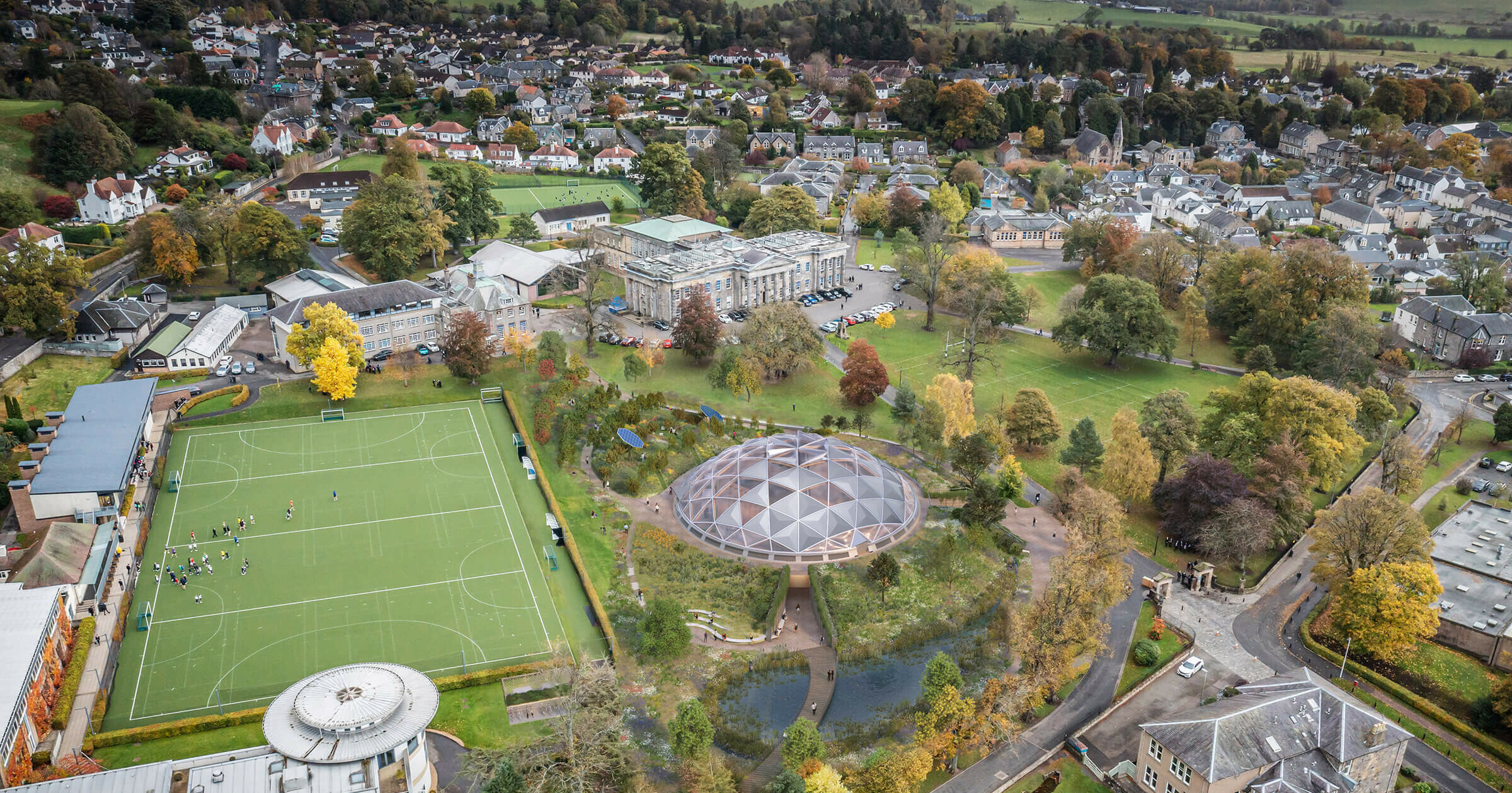
Heatherwick Studio occupies a slightly different position in London’s design landscape. Led by Thomas Heatherwick, the studio brings together architecture, design, landscape and making, often beginning with the experience people will have rather than with a predetermined architectural style.
One of its most recognisable London projects is Coal Drops Yard, where historic industrial buildings near King’s Cross were transformed into a contemporary destination for shops, restaurants, workspaces and public life.
More recently, the studio has been involved in the transformation of Olympia London. The first phase of the £1.3 billion redevelopment opened in June 2026, creating a new cultural district around the historic exhibition centre.
The studio’s work is often playful, but there is serious thinking behind that playfulness. Materials, movement, public experience and the relationship between old and new are central to its approach.
6. Make Architects
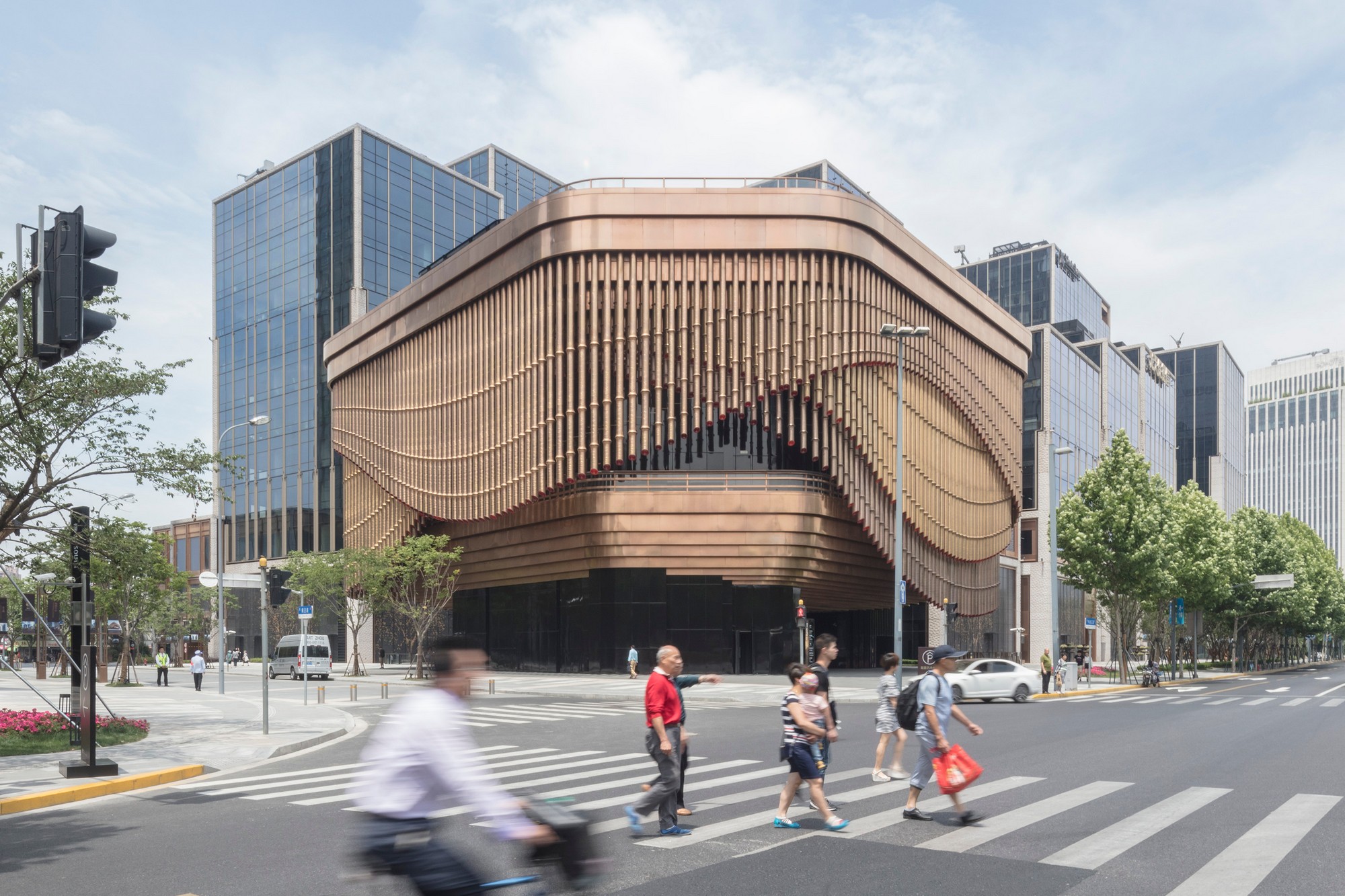
Founded by Ken Shuttleworth in 2004, Make Architects has developed a reputation for creating contemporary buildings that respond closely to their site, brief and surroundings. The practice provides architecture, interior and urban design services and operates from studios including London.
One of the firm’s notable London projects is 40 Leadenhall in the City, a major workplace development that responds to its historic surroundings while establishing a new presence on the skyline. The scheme also incorporates the restoration of a Grade II-listed building on Billiter Street.
Make is also particularly active in conversations around retrofit, circularity and sustainable construction. Its approach is less about maintaining a recognisable “house style” and more about finding the right response to each project.
7. WilkinsonEyre
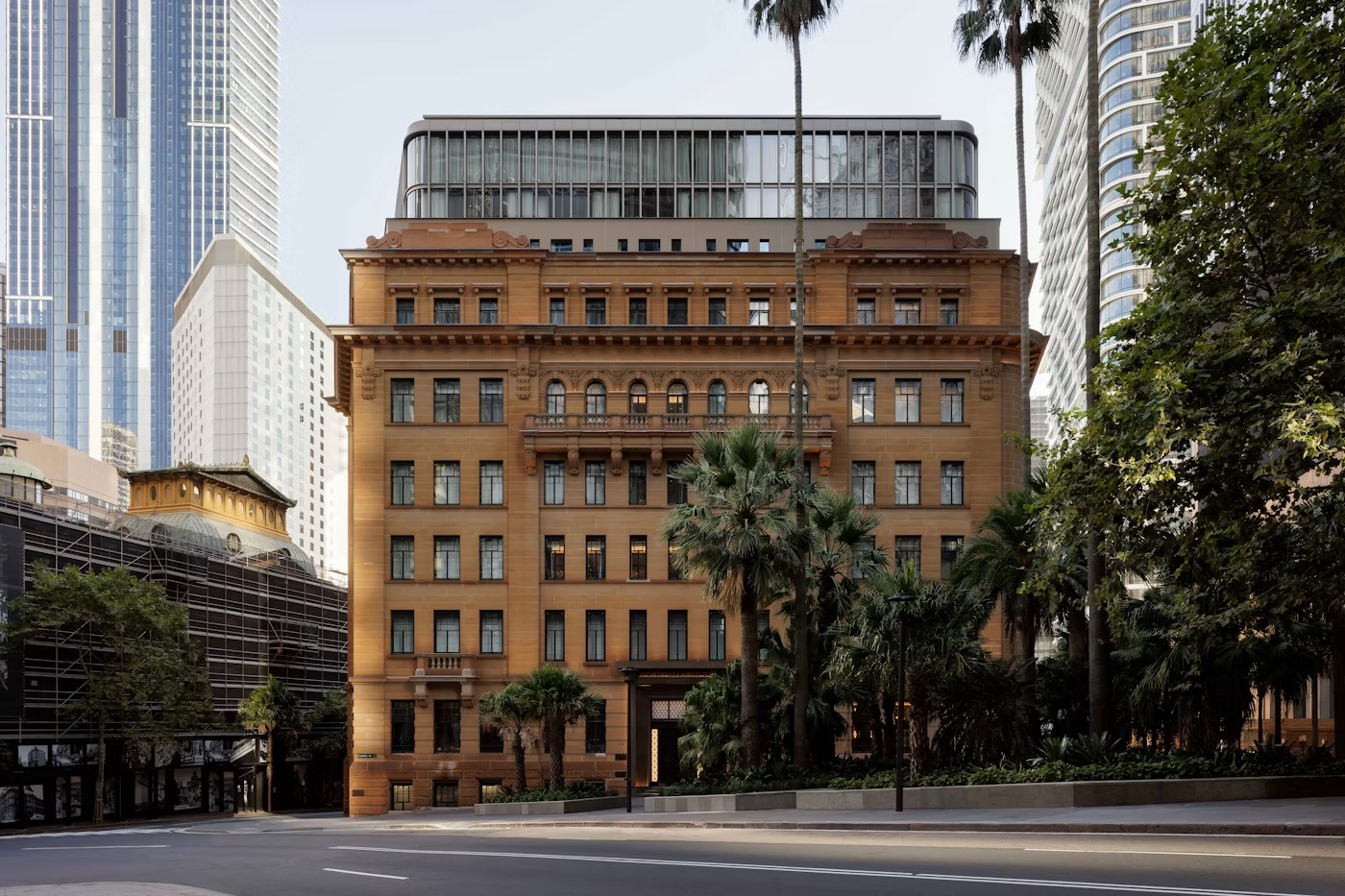
WilkinsonEyre has been involved in some of London’s most recognisable contemporary transformations. The practice combines architecture, engineering and technology with a strong sensitivity to context and existing structures.
Its work on Battersea Power Station is perhaps the clearest example. The Grade II* listed power station was carefully restored and repurposed as a mixed-use destination while retaining the enormous scale and industrial character of Sir Giles Gilbert Scott’s original building.
The practice has also contributed to major London infrastructure and commercial projects, including 21 Moorfields, Liverpool Street Station and 8 Bishopsgate. Its 21 Moorfields project was named City of London Building of the Year in 2025.
8. Adjaye Associates
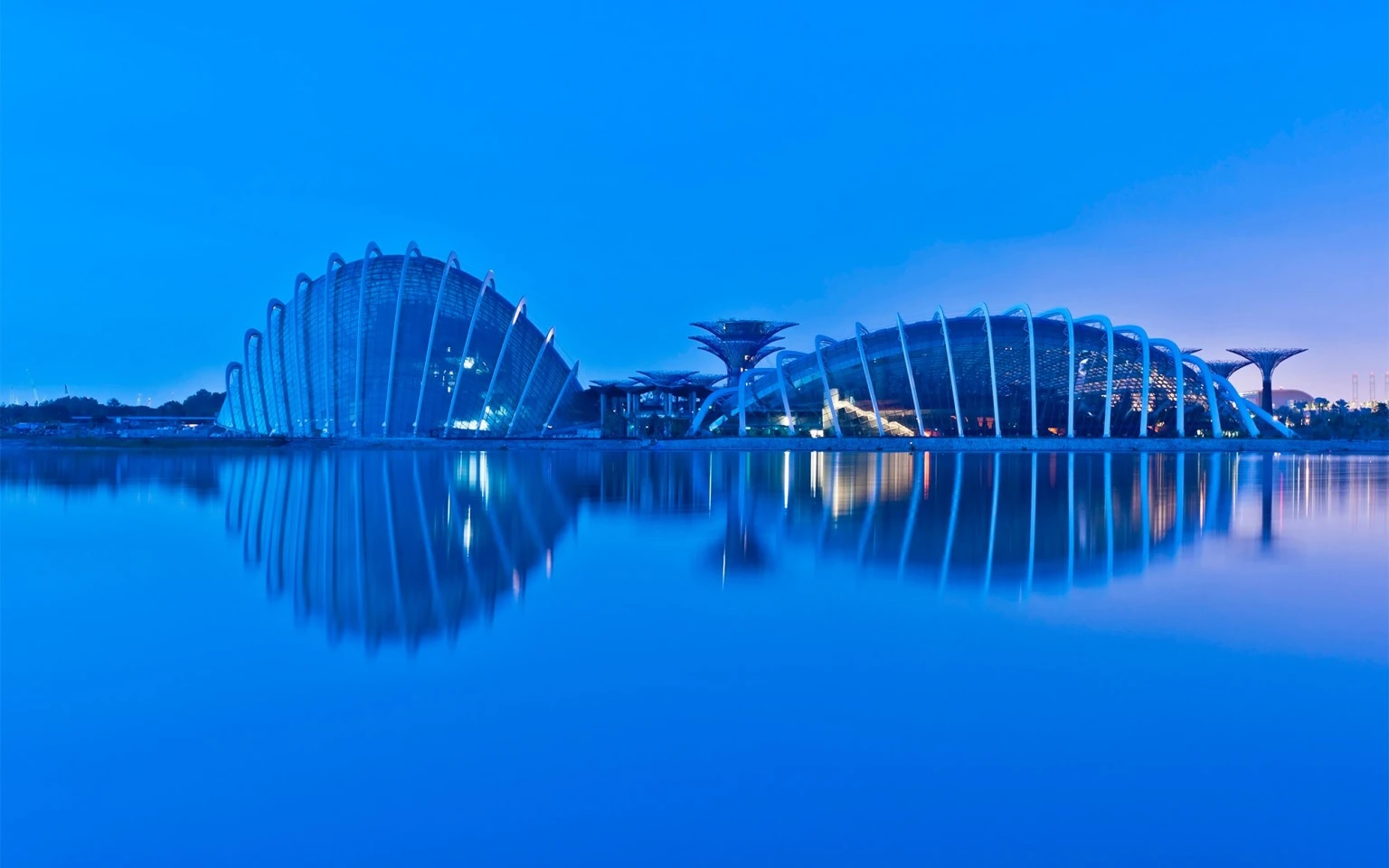
Founded by Sir David Adjaye in 2000, Adjaye Associates has grown from its London roots into an international practice with studios in London, Accra and New York.
The studio is particularly recognised for cultural architecture and for projects that explore identity, history and community. Its work often moves beyond the idea of a building as an isolated object, considering architecture as part of a much broader cultural conversation.
The London practice has worked across cultural, commercial and mixed-use projects, while its international portfolio includes museums, memorials, libraries and civic spaces. The firm’s work is a useful reminder that architecture can carry cultural meaning as strongly as it carries structural or functional purpose.
9. Allford Hall Monaghan Morris (AHMM)
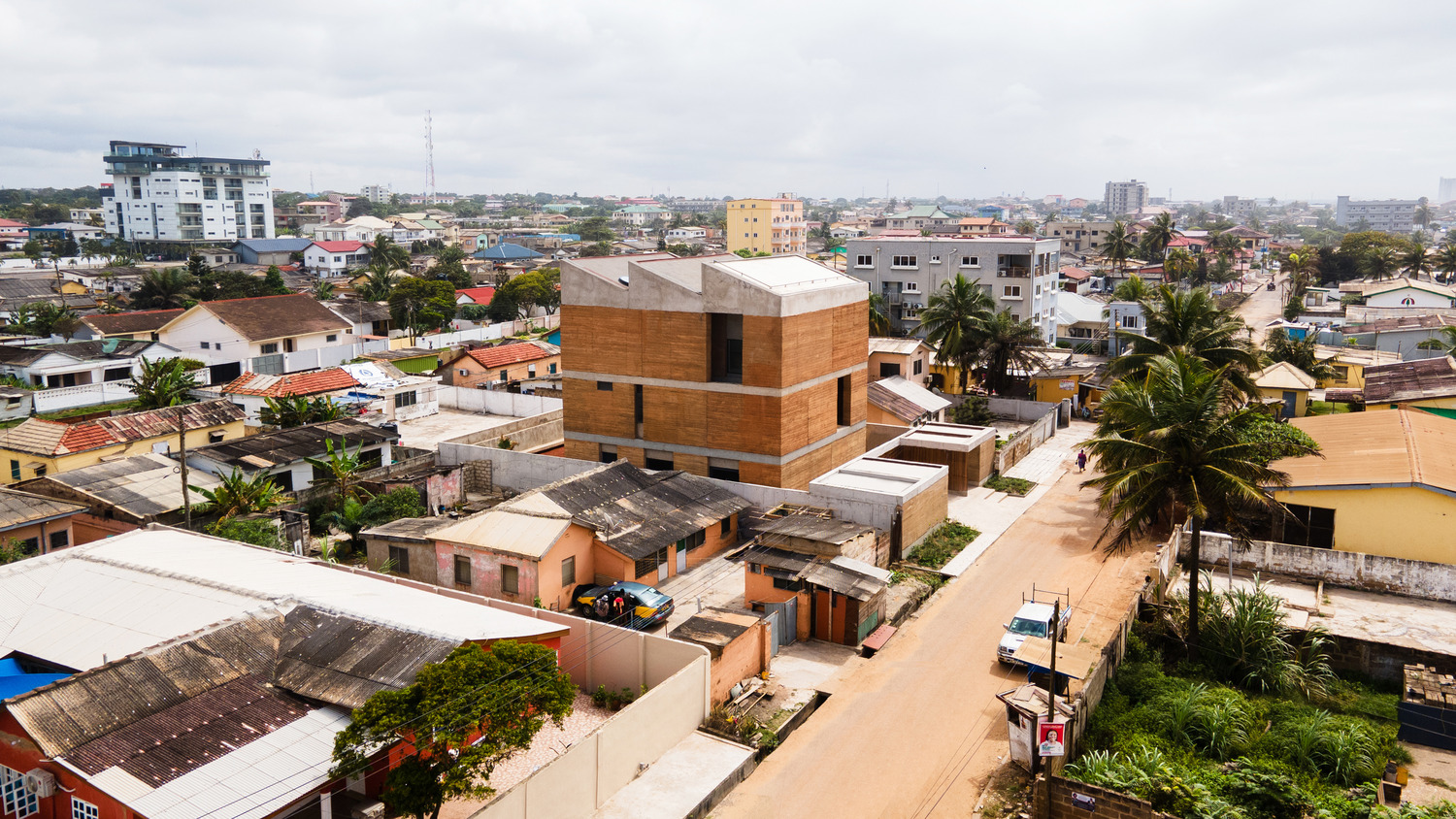
AHMM has become one of the most respected architectural practices working in London, particularly for its ability to combine design quality with the realities of construction, cost and long-term use.
The practice describes its approach through the ideas of “economy, elegance and delight”, while its portfolio covers housing, offices, culture, education, healthcare, heritage and adaptive reuse.
This practical intelligence is one of AHMM’s strengths. Its buildings tend to feel carefully considered rather than overly designed. The practice is also increasingly focused on sustainability, retrofit and the question of how buildings can remain useful as their surroundings and occupants change.
10. Hopkins Architects
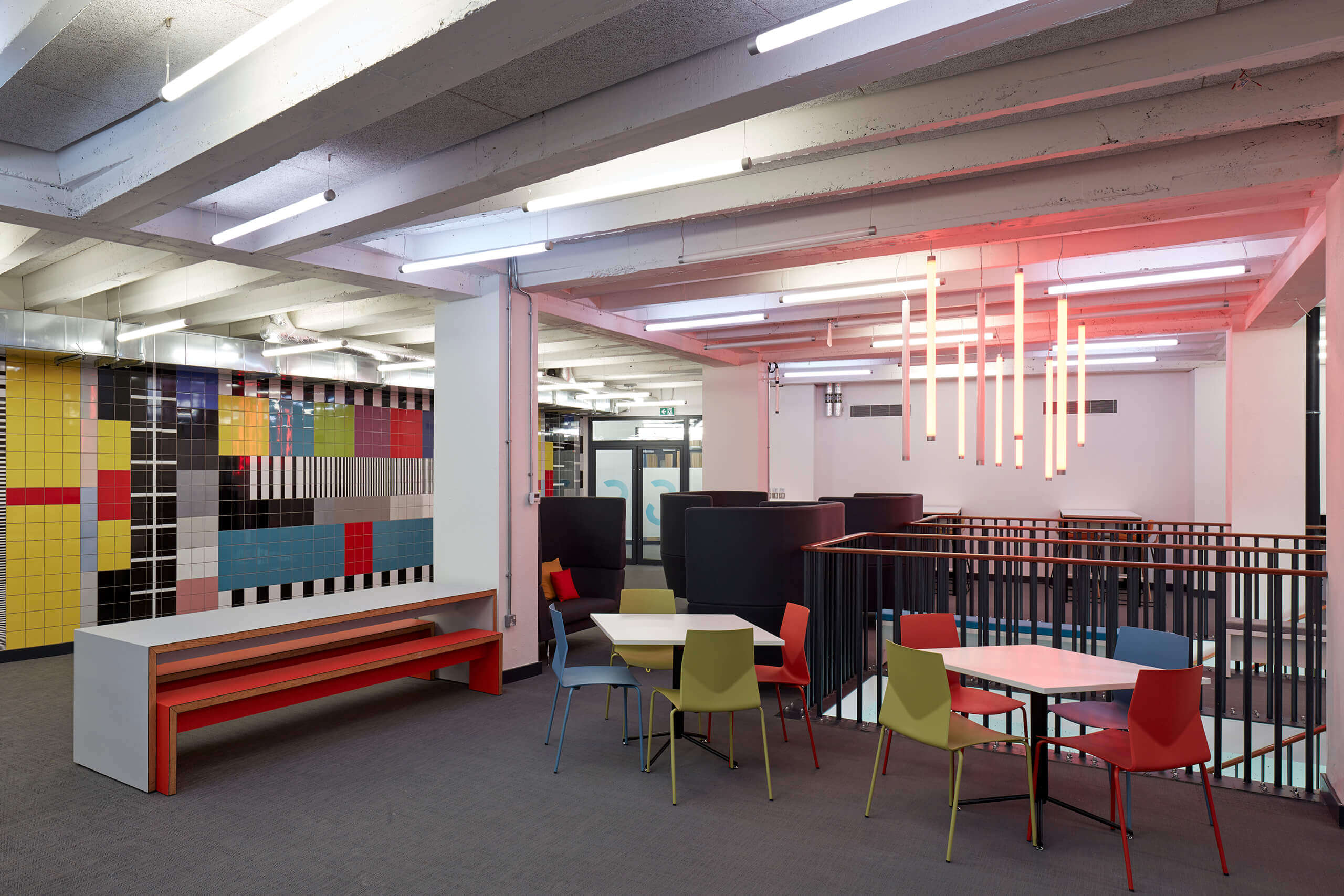
Hopkins is a practice with a long and influential history in British architecture. Founded by Michael and Patty Hopkins in 1976, the practice became known for combining clear structural thinking with honest materials, environmental design and close attention to context.
That philosophy remains visible in the firm’s contemporary work. Hopkins has been an early advocate of integrated sustainability and continues to explore adaptive reuse, public buildings, education and workplace architecture.
The practice’s London studio is based in Marylebone, and its work demonstrates a quieter side of British modernism—less about making a dramatic statement and more about getting the relationship between structure, material, light and people right.
Why London continues to produce influential architecture
What makes London’s architecture scene so compelling is not simply the number of famous practices based here. It is the range of architectural questions the city forces designers to confront.
How do you add density without losing character? How can a Victorian or industrial building be adapted instead of demolished? What should a sustainable office look like? How can new transport infrastructure improve public life? And perhaps most importantly, how can architecture respond to a city that is constantly changing?
The firms above approach those questions in very different ways. Foster + Partners often brings engineering and technology to the forefront. Zaha Hadid Architects explores geometry and spatial experimentation. Heatherwick Studio puts human experience and making at the centre. WilkinsonEyre demonstrates how heritage can be adapted for contemporary life, while practices such as AHMM and Make show how sustainability, practicality and design quality can work together.
That diversity is London’s real strength.
London’s best architecture firms are not united by one visual language. Some work with glass and steel; others with brick, timber, stone and existing structures. Some design global landmarks, while others quietly transform neighbourhoods one building at a time.
Together, however, they reflect the ambition and complexity of the city itself.
For architects, designers, developers and anyone simply interested in the built environment, exploring these practices offers more than a list of famous names. It provides a snapshot of where architecture in London is heading—towards greater reuse, stronger environmental responsibility, more thoughtful public spaces and, above all, buildings that are designed around real human experiences.