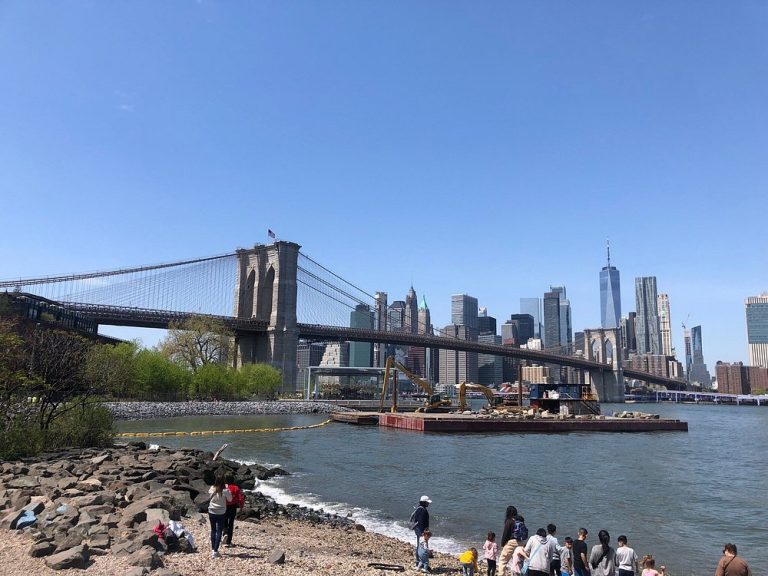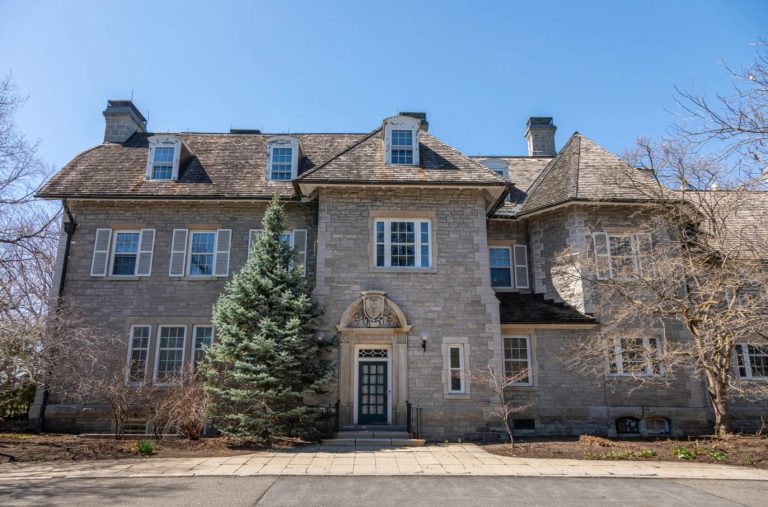
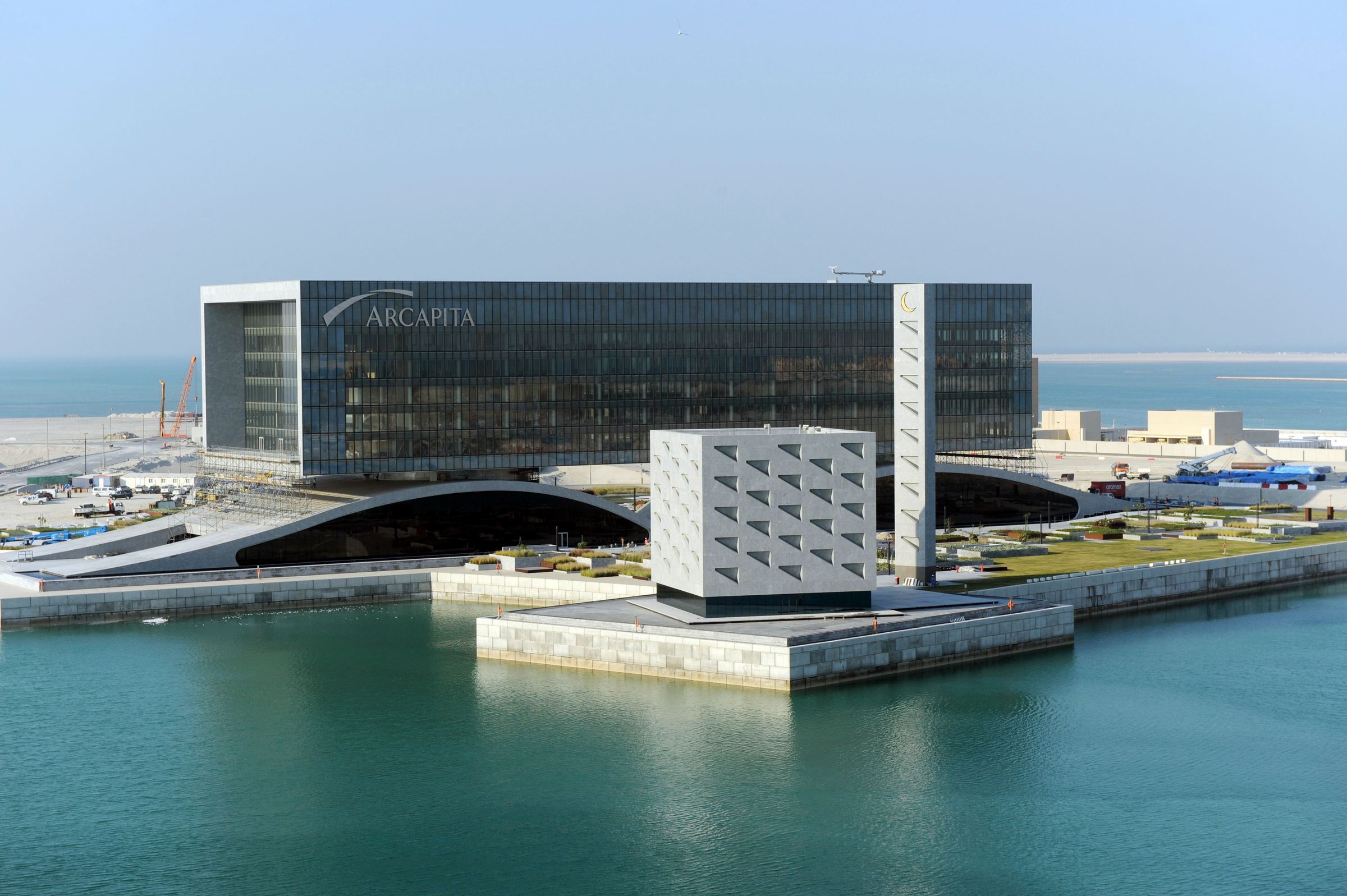
New York City is one of the world’s most influential laboratories for architecture and urban design. From supertall towers and adaptive-reuse projects to cultural institutions, public spaces, and innovative housing, the city offers architecture students and young professionals an extraordinary range of work to study.
For emerging architects, exploring leading New York practices is about more than identifying famous names. These firms demonstrate different approaches to urban density, sustainability, materiality, technology, public space, adaptive reuse, and interdisciplinary design.
This selection highlights some of the best-known architecture and design firms working in New York, along with notable projects that illustrate what makes their work worth studying.
1. Skidmore, Owings & Merrill (SOM)
Design focus: High-rise architecture, urban design, infrastructure, sustainability, technology
Skidmore, Owings & Merrill, commonly known as SOM, is one of the most influential architecture, engineering, and urban design practices in the world. Its work is particularly relevant to anyone interested in the relationship between architecture, structural systems, technology, and large-scale urban development.
SOM has played a significant role in shaping modern skyscraper design. The firm’s portfolio ranges from commercial towers and transportation projects to cultural, educational, and civic buildings.
One New York project worth studying is The Kathleen Grimm School for Leadership and Sustainability at Sandy Ground, which SOM identifies among its prominent projects.
2. Kohn Pedersen Fox (KPF)
Design focus: Skyscrapers, commercial architecture, mixed-use developments, urbanism
Kohn Pedersen Fox, or KPF, is another major New York practice with a global portfolio spanning offices, residential buildings, transportation, education, cultural projects, and mixed-use developments.
The firm’s New York portfolio includes projects such as One Vanderbilt, 10 Hudson Yards, 30 Hudson Yards, 55 Hudson Yards, 520 Fifth Avenue, One Willoughby Square, and One Madison Avenue.
Notable Project: One Vanderbilt
One Vanderbilt is perhaps one of the clearest examples of contemporary architecture responding to New York’s existing urban infrastructure.
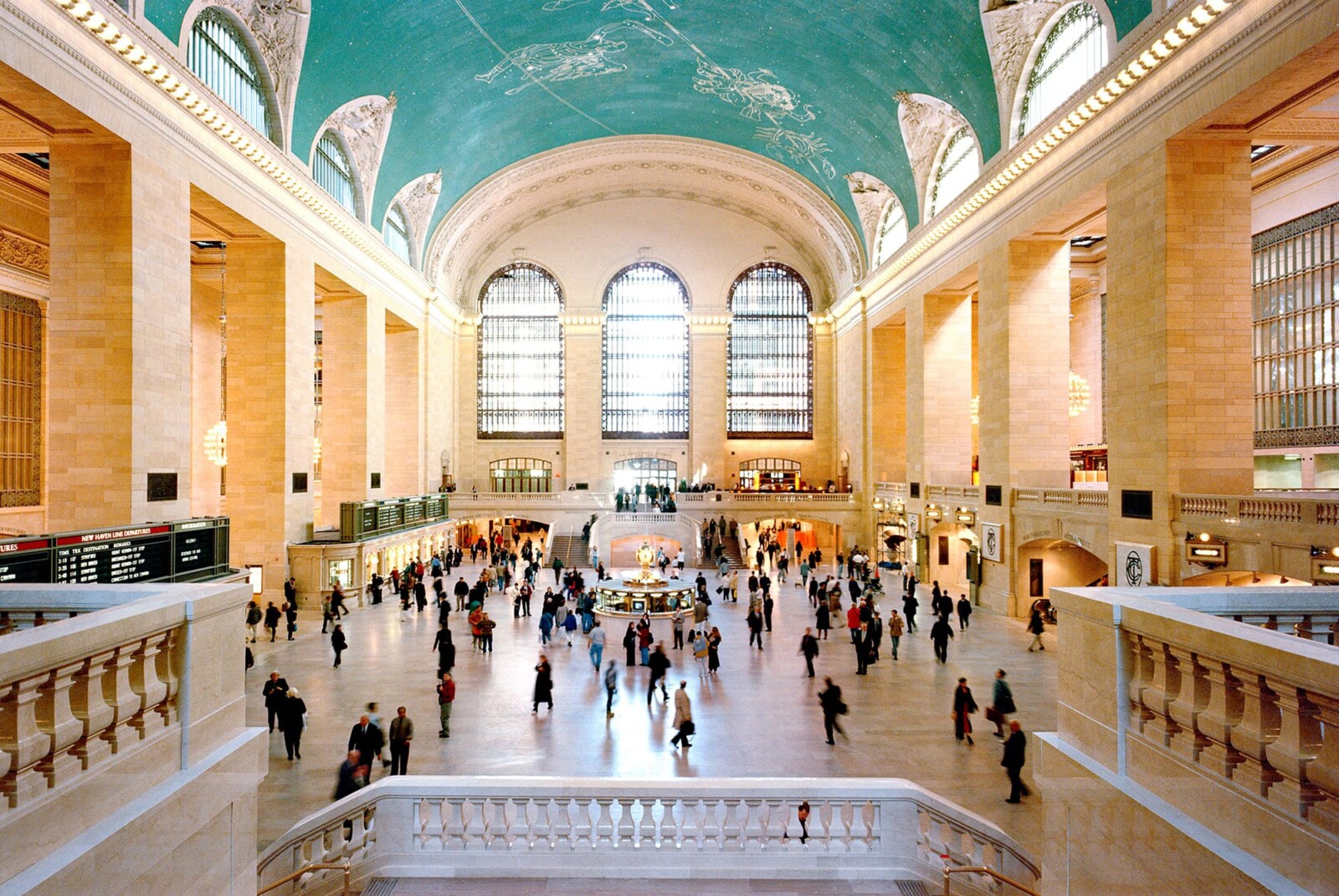
Located beside Grand Central Terminal, the 1,401-foot tower consists of four interlocking, tapering volumes. Its base incorporates connections to the city’s transportation network and a 14,000-square-foot pedestrian plaza.
For architecture students, One Vanderbilt is valuable because it demonstrates that designing a skyscraper is not simply about creating an expressive form. The project combines zoning, transportation, pedestrian movement, public space, structural coordination, environmental performance, and contextual design.
KPF also uses data-driven urban analysis to study issues such as pedestrian movement and sky exposure, providing an excellent example of how computational tools can influence architectural decision-making.
3. Diller Scofidio + Renfro (DS+R)
Design focus: Cultural architecture, public space, urban interventions, interdisciplinary design
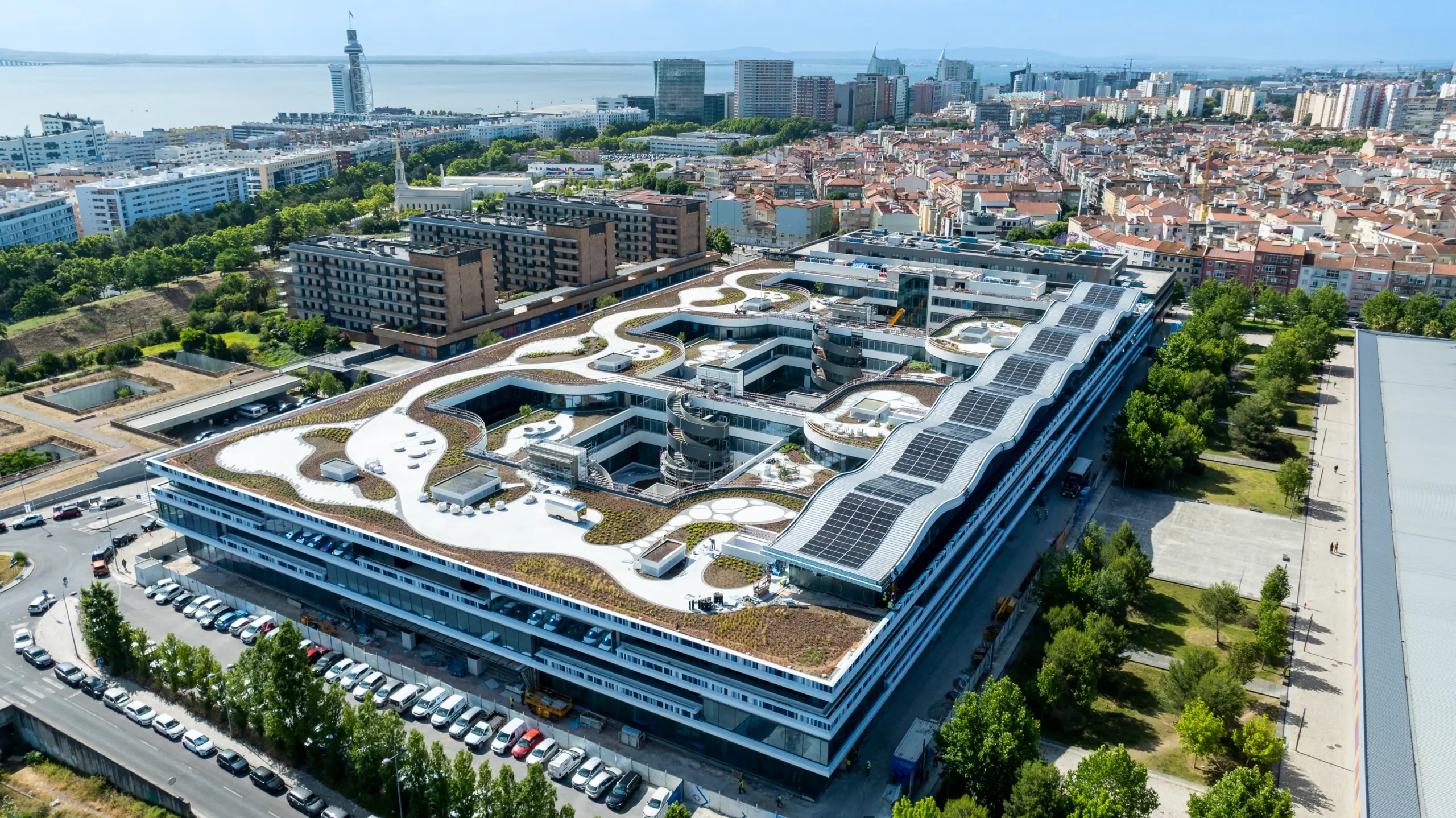
Diller Scofidio + Renfro is one of New York’s most recognizable contemporary design practices. Founded in 1981, the studio works across architecture, urban design, art, installation, media, and performance.
Its approach is particularly interesting for students because it challenges the conventional boundaries of architectural practice.
Some of DS+R’s most influential New York projects include:
- The High Line
- The Shed
- The Museum of Modern Art expansion
- 15 Hudson Yards
- Lincoln Center projects
- Why the High Line matters
The High Line transformed an abandoned elevated railway into a major public landscape and became one of the most influential examples of adaptive urban reuse in contemporary architecture.
For young architects, the project demonstrates how architecture can operate at the intersection of landscape, infrastructure, public space, ecology, culture, and urban regeneration.
The studio’s work on The Shed at Hudson Yards similarly explores how cultural buildings can become flexible environments rather than static objects.
4. SHoP Architects
Design focus: Innovative building systems, housing, commercial architecture, urban design, fabrication
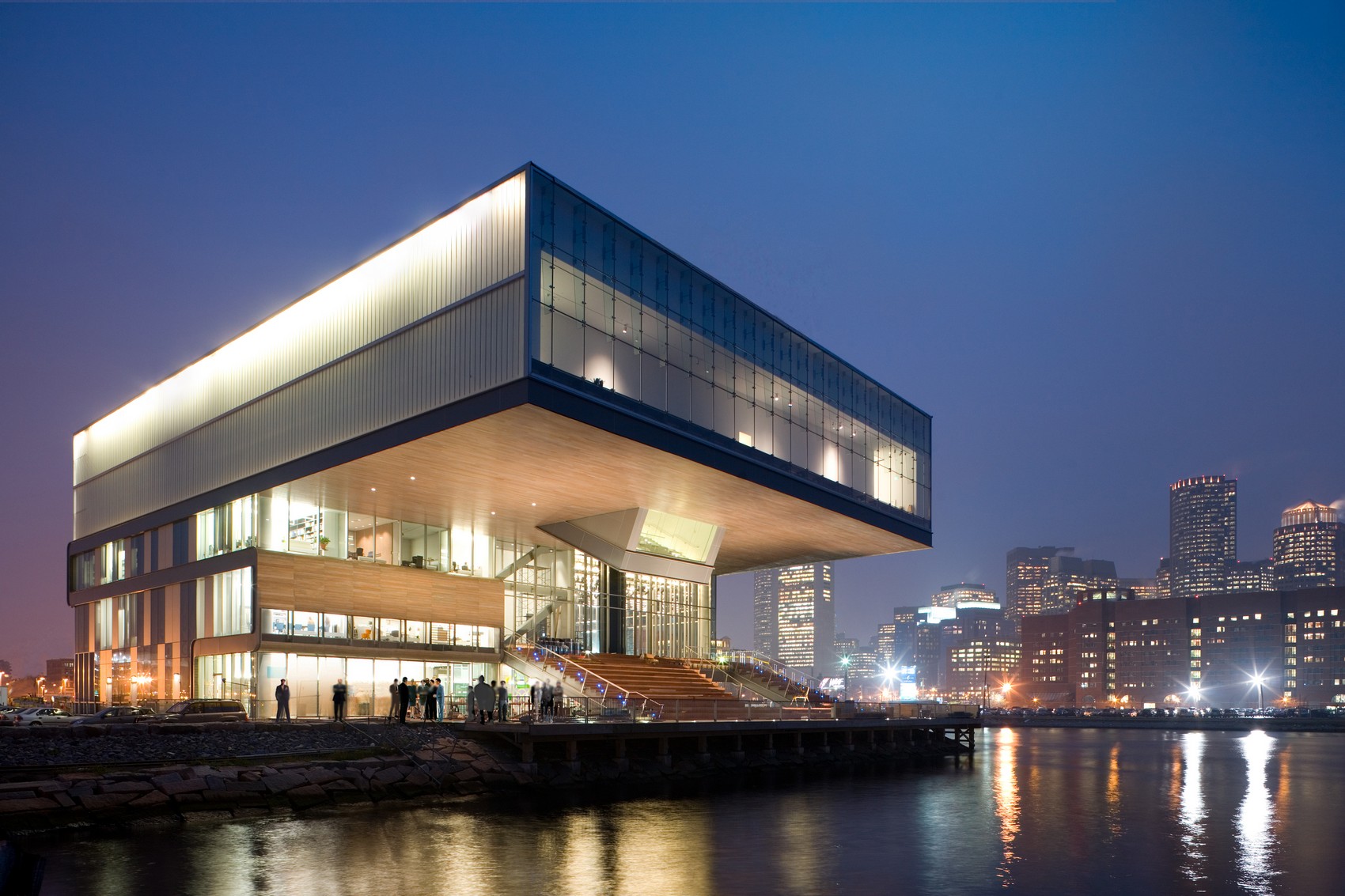
SHoP Architects was founded in New York in 1996 and has developed a reputation for combining architectural design with technology, fabrication, and unconventional approaches to practice.
The firm’s portfolio includes a diverse range of building types, making it particularly interesting for emerging architects who want to understand how digital design and fabrication can influence contemporary construction.
SHoP’s work demonstrates how architects can move beyond conventional drawing-based practice and engage with fabrication, computational workflows, material systems, and project delivery.
Its work at Domino Park is also an excellent example of how architecture, landscape, historic industrial structures, and public space can be combined to create a new urban destination.
5. Steven Holl Architects
Design focus: Light, materiality, phenomenology, cultural buildings, education
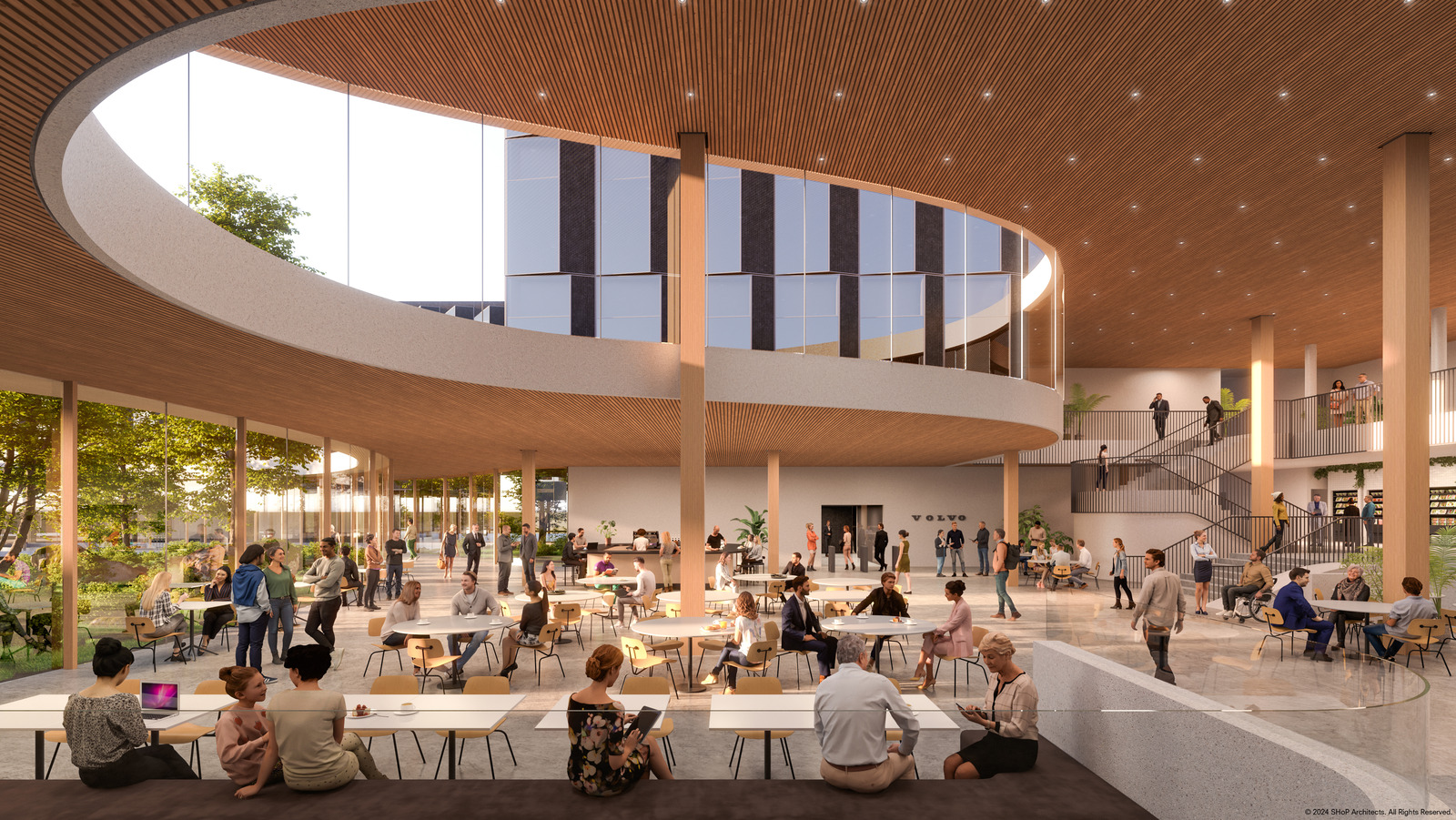
Steven Holl Architects is a New York-based architecture and urban design practice known for highly conceptual buildings that explore the relationships between light, space, material, geometry, and place.
The studio describes its approach as creating architecture that responds uniquely to its site and circumstances rather than imposing a predetermined style.
The Hunters Point Library is especially relevant as a study of how a civic building can use geometry, light, views, and circulation to create a distinctive public experience.
6. Studio Gang
Design focus: Sustainable urbanism, environmental design, civic architecture, high-density housing
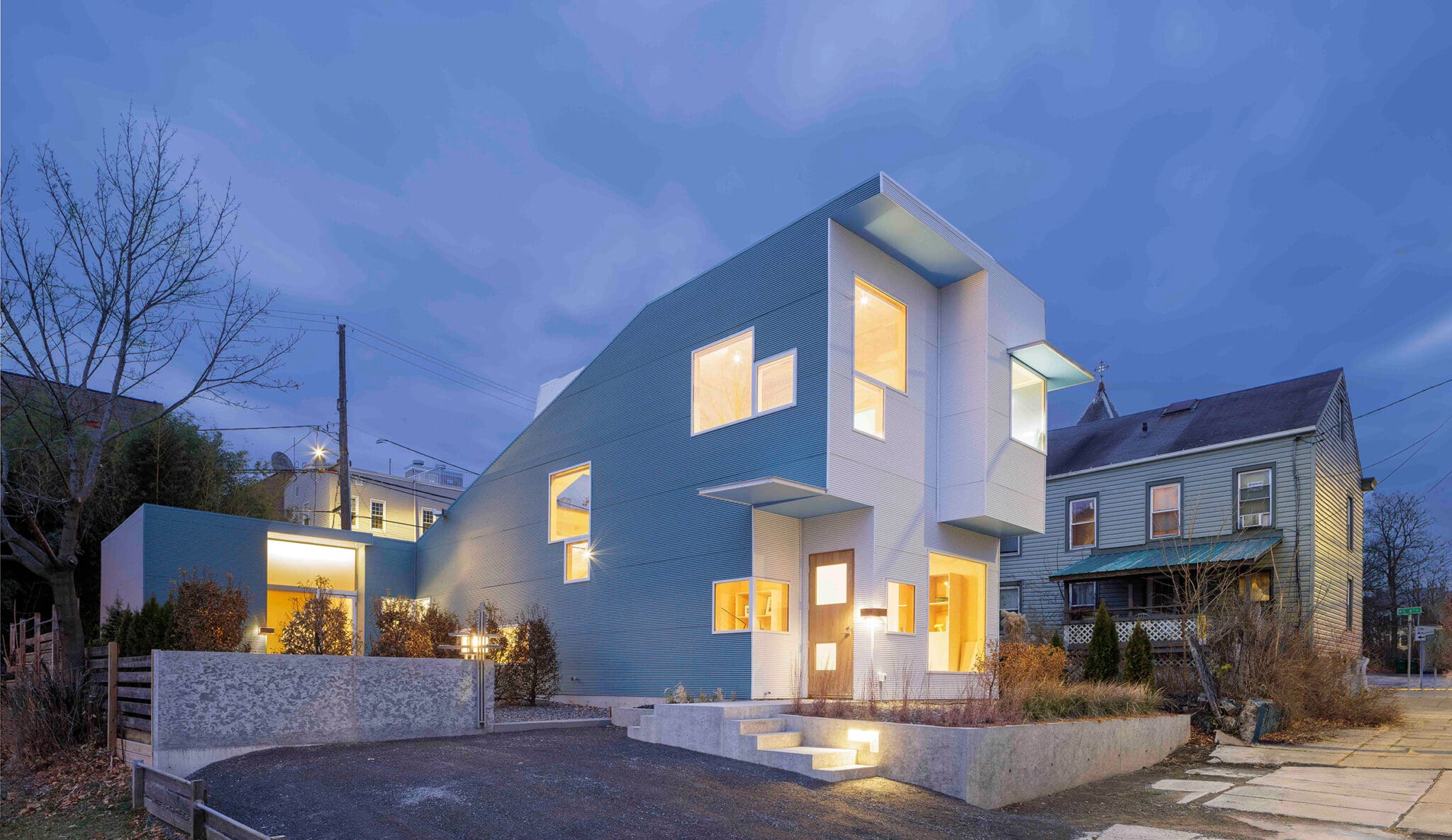
Studio Gang has become increasingly prominent in New York through projects that explore how buildings can respond to environmental conditions and public life.
Notable Project: Solar Carve
The firm’s Solar Carve at 40 Tenth Avenue is a particularly useful project for students because its distinctive geometry is directly related to environmental and urban considerations.
Located alongside the High Line and Hudson River, the building was shaped according to the sun’s path and site-specific constraints. The resulting form helps preserve light, air, and views for the adjacent public park. The project was completed in 2019 and achieved LEED Gold certification.
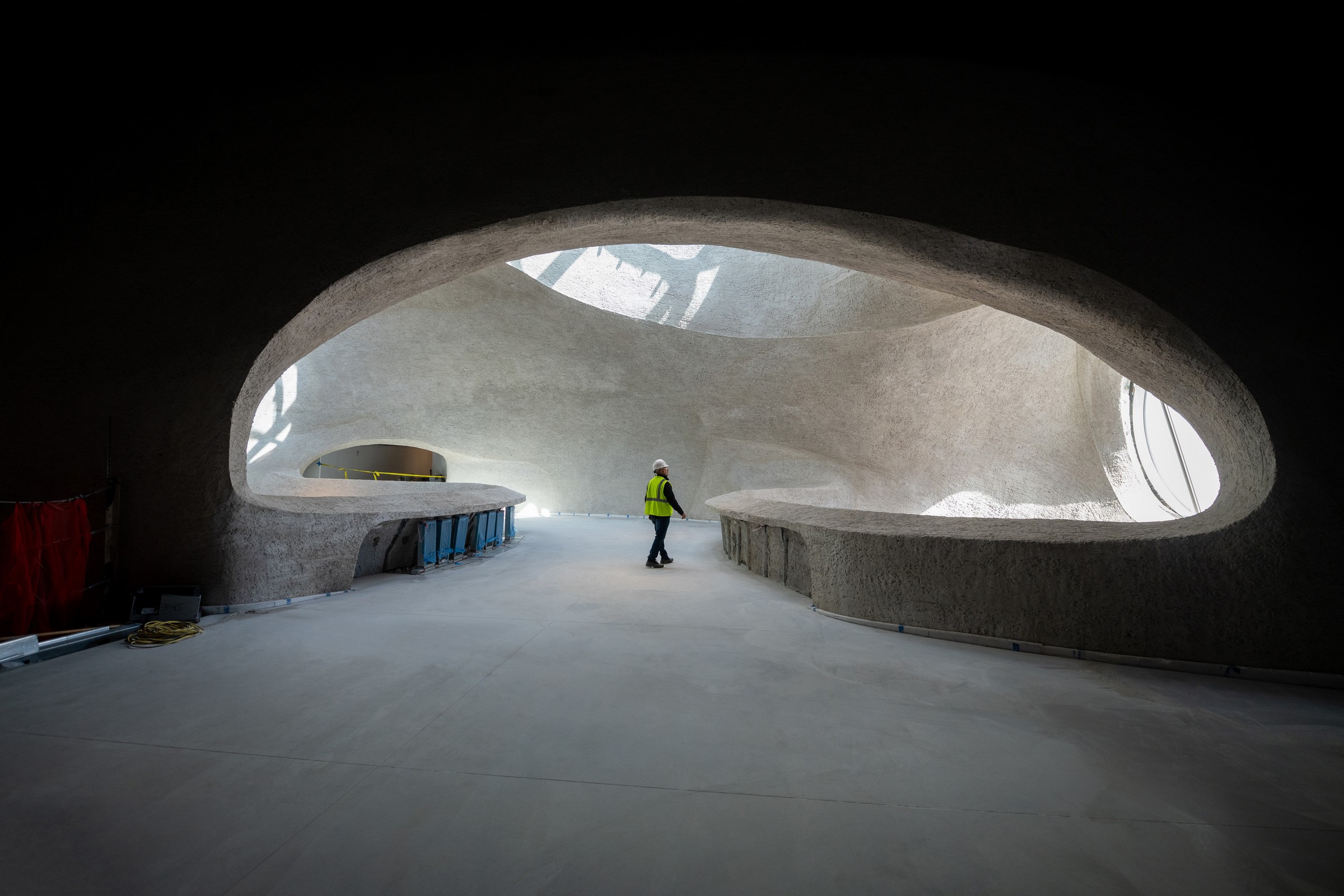
Studio Gang’s New York portfolio also includes 11 Hoyt, the Richard Gilder Center for Science, Education, and Innovation at the American Museum of Natural History, and other civic and residential projects.
7. Marvel
Design focus: Urban design, public space, adaptive reuse, housing, landscape
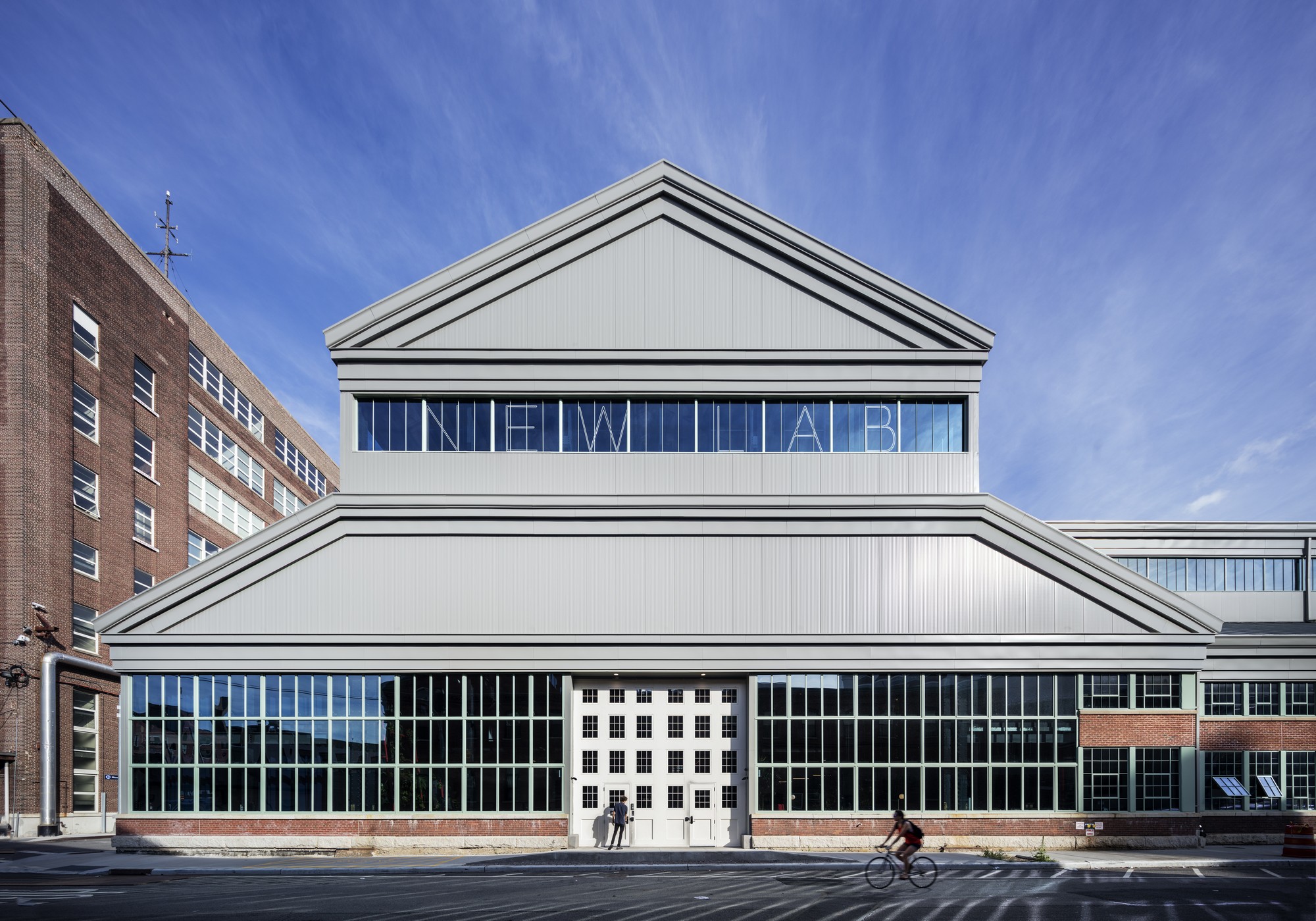
New York-based Marvel works across architecture, landscape architecture, urban design, infrastructure, housing, and master planning.
The firm’s projects demonstrate how architecture can contribute to broader neighborhood and public-realm strategies rather than functioning as isolated buildings.
Notable Projects
- Pierhouse and 1 Hotel Brooklyn Bridge
- Naval Cemetery Landscape
- Stonewall House
- Battery Maritime Building
- Major R. Owens Health & Wellness Community Center
- Why Marvel is worth studying
Marvel’s work is particularly relevant for young architects interested in community-oriented design and urban regeneration.
Its projects show how buildings, landscapes, infrastructure, and public spaces can work together. This makes the firm a useful reference for students looking beyond the traditional idea of the architect as simply a building designer.
8. Rockwell Group
Design focus: Architecture, interiors, hospitality, cultural spaces, theater and experiential design
Rockwell Group takes an interdisciplinary approach that extends from architecture and interiors to theater design, event production, product design, and interactive experiences.
The firm’s work is particularly interesting for students who want to explore the relationship between architecture, storytelling, entertainment, and human experience.
One of its most visible collaborations is The Shed at Hudson Yards, developed in collaboration with Diller Scofidio + Renfro.
Rockwell’s approach demonstrates how architectural practice can expand into experiential design, where lighting, interiors, movement, performance, materials, and technology become part of a unified experience.

9. BIG – Bjarke Ingels Group
Design focus: Experimental architecture, mixed-use buildings, urbanism, sustainable design
Bjarke Ingels Group (BIG) has become one of the most recognizable contemporary architecture practices, known for combining ambitious concepts with highly communicative diagrams and large-scale urban projects.
The firm’s work is especially useful for architecture students because it demonstrates how a complex design idea can be communicated through a clear architectural concept.
BIG’s New York work should be studied alongside the city’s changing approach to mixed-use development, high-density housing, and large-scale urban transformation.
For emerging architects, the value of BIG’s work lies not only in its completed buildings but also in the firm’s approach to concept development, visual communication, massing studies, and urban narratives.
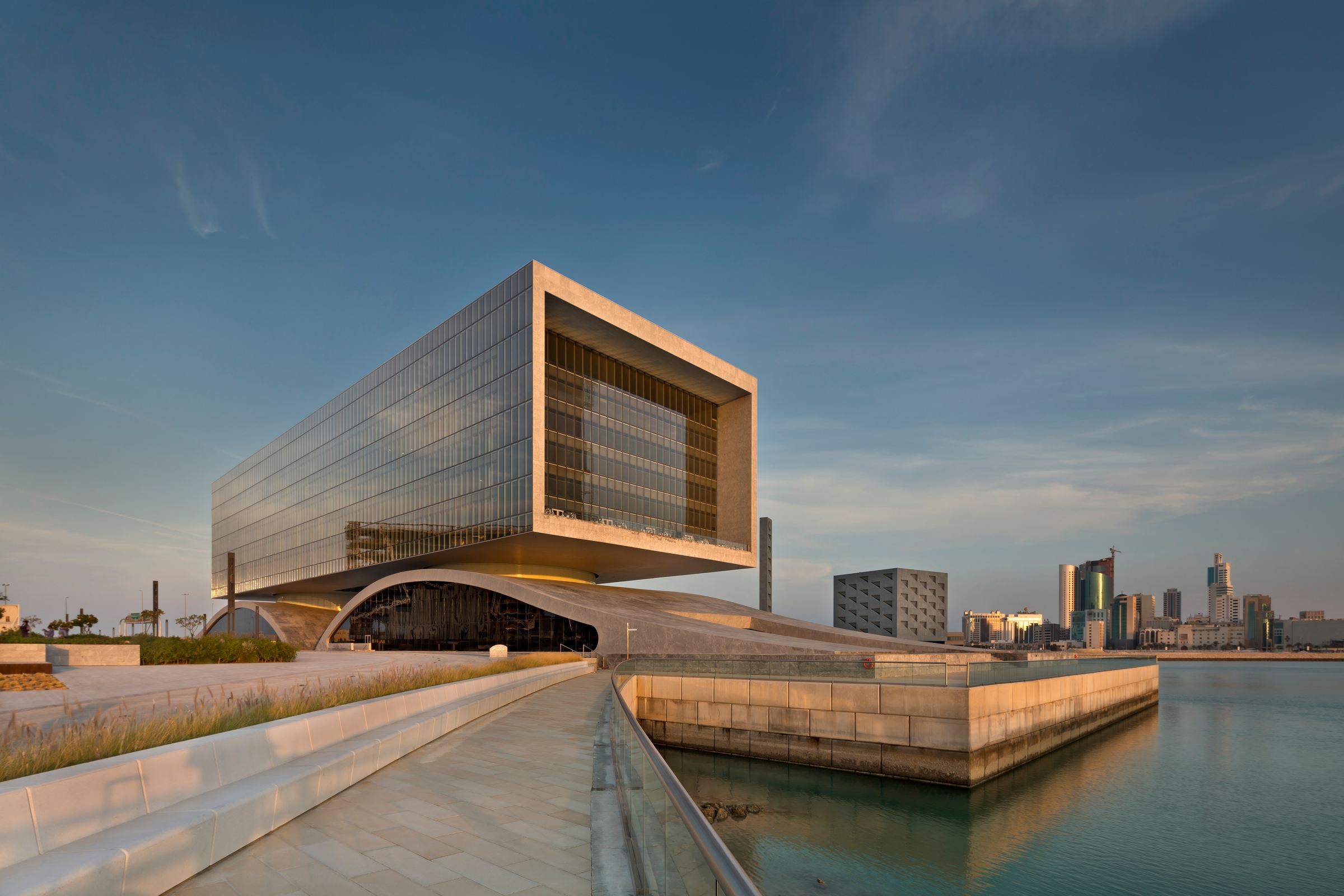
10. Beyer Blinder Belle Architects & Planners:
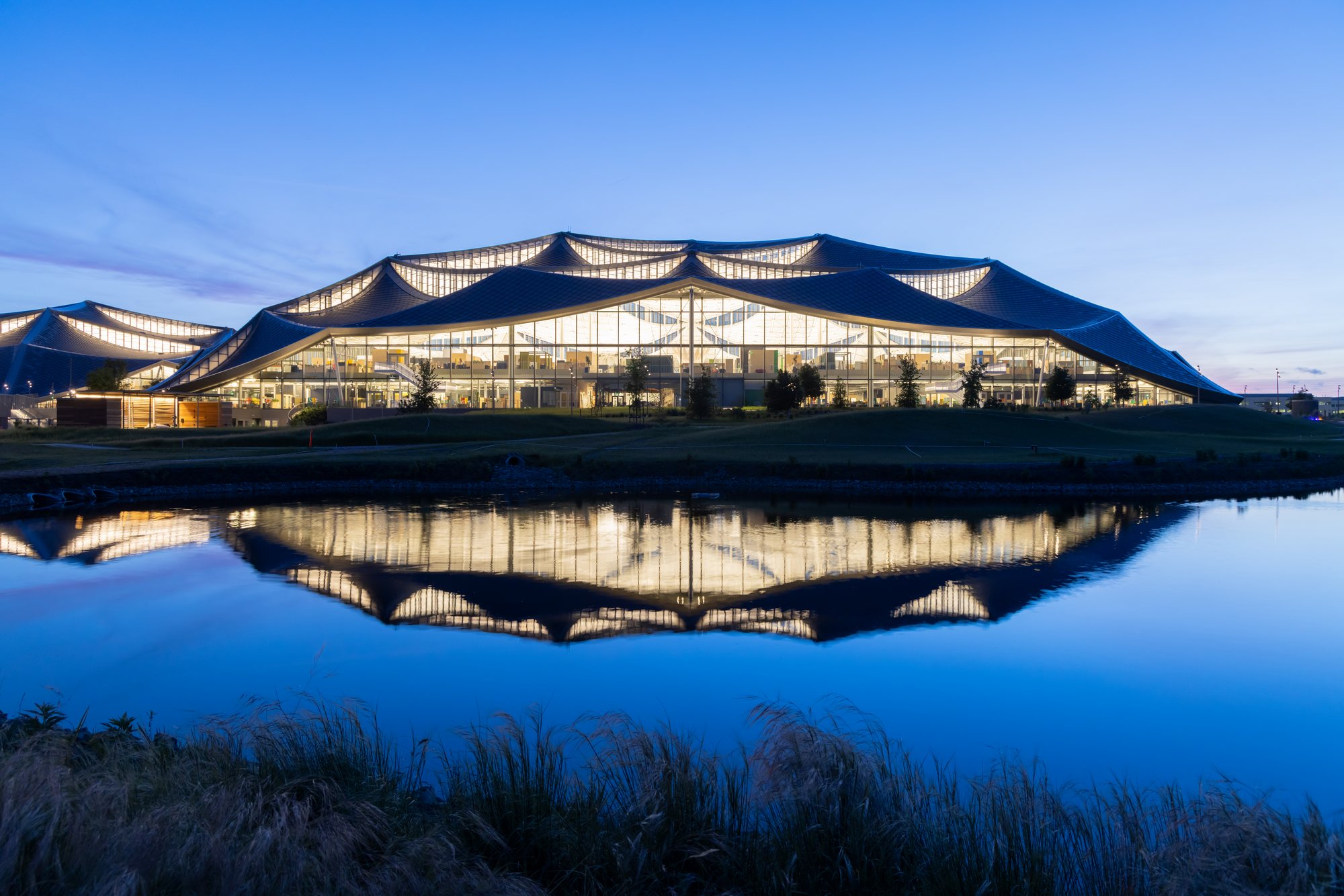
Founded in 1968, Beyer Blinder Belle (BBB) is a leading architecture, planning, and design practice known for creating meaningful places that connect people, history, and communities. The firm works across cultural, civic, residential, commercial, and mixed-use projects, with particular expertise in historic preservation and adaptive reuse. BBB combines contemporary design with a deep respect for existing buildings and urban contexts. Its collaborative approach brings together architecture, planning, preservation, and urban design to create thoughtful, lasting environments. Through innovative and context-sensitive solutions, Beyer Blinder Belle continues to shape buildings and neighborhoods that serve communities and remain relevant for generations.
What Makes New York’s Architecture Firms Stand Out?
One of the most interesting aspects of New York architecture is the diversity of approaches found within the same city.
A firm such as KPF may focus on the relationship between skyscrapers and transportation infrastructure. Studio Gang may use environmental analysis to generate building form. Steven Holl Architects explores light and material experience, while DS+R investigates the relationship between architecture, culture, landscape, and public space.
Together, these practices reveal several major directions in contemporary architecture:
1. Architecture is becoming increasingly interdisciplinary
Modern projects require architects to work with structural engineers, environmental consultants, landscape architects, urban designers, digital specialists, fabricators, artists, and communities.
2. Existing cities are becoming design laboratories
Projects such as the High Line demonstrate how existing infrastructure can become a starting point for new forms of public space rather than simply being demolished.
3. Data and technology are influencing design
From urban analysis and computational modeling to digital fabrication, technology is increasingly integrated into architectural decision-making.
4. Sustainability is becoming part of form-making
Projects such as Studio Gang’s Solar Carve demonstrate how environmental conditions can directly influence massing and geometry rather than being treated as a separate sustainability layer.
5. Public space matters as much as the building
New York’s most influential contemporary projects often attempt to improve the relationship between private development and the public realm. One Vanderbilt, for example, combines a major commercial tower with transit connections and improvements to pedestrian space around Grand Central.
How Architecture Students Can Learn From These Firms
Simply looking at photographs of famous buildings is not enough. Students and young professionals can gain much more by studying how and why a project was designed.
When researching a firm, consider asking:
- What problem was the project trying to solve?
- How did the site influence the design?
- What zoning or planning constraints shaped the building?
- How was circulation organized?
- What structural system was selected?
- How were materials chosen?
- What role did environmental analysis play?
- How does the building interact with public space?
- Which drawings best communicate the architectural concept?
- How did the project evolve from concept to construction?
Studying these questions can turn a portfolio of famous buildings into a practical architectural education.
New York remains an exceptional city for studying contemporary architecture because almost every neighborhood presents a different architectural challenge. Historic buildings sit beside supertall towers, abandoned infrastructure becomes public space, industrial sites become mixed-use districts, and new cultural institutions are inserted into dense urban environments.
For architecture students and young professionals, firms such as SOM, KPF, Diller Scofidio + Renfro, SHoP, Steven Holl Architects, Studio Gang, Marvel, Rockwell Group, and BIG offer different lessons in how architecture can respond to technology, culture, sustainability, density, and public life.
Rather than asking which firm is simply the “best,” emerging architects should ask a more useful question: Which firm’s approach aligns with the kind of architect you want to become?
That question can be the starting point for deeper research, portfolio development, internships, and ultimately a more informed architectural career.