
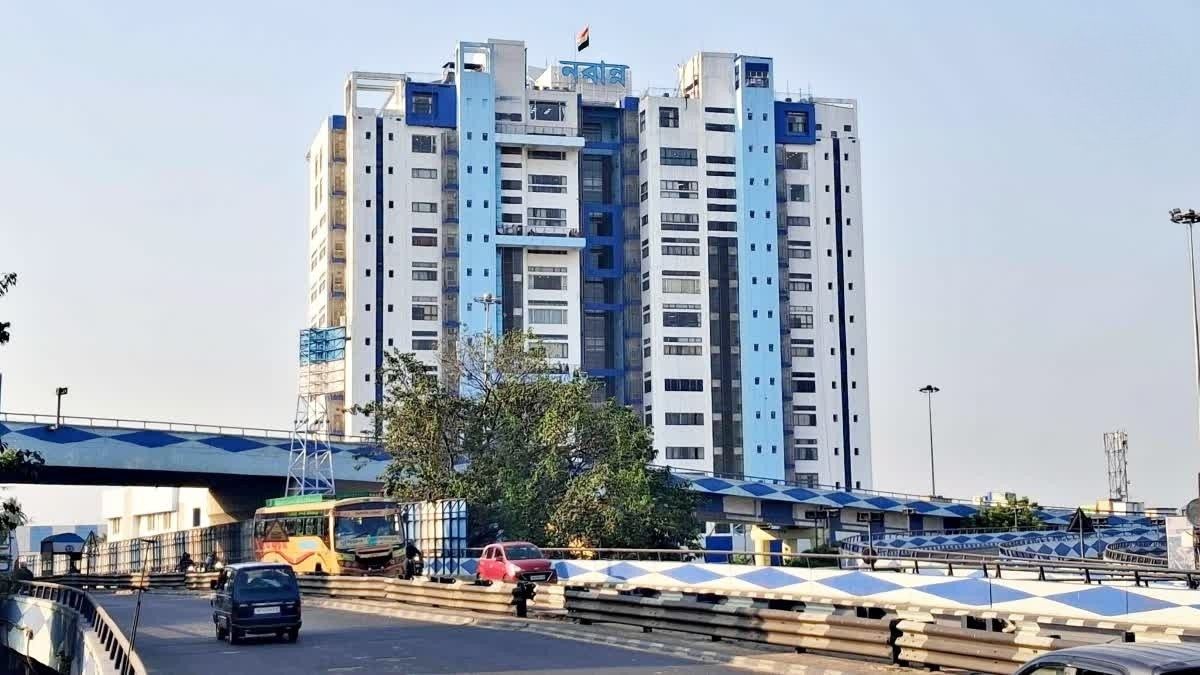
Nabanna
In the evolving landscape of institutional architecture in India, Nabanna stands out as a powerful example of adaptive reuse and administrative transformation. Serving as the State Secretariat of West Bengal, Nabanna is where the state’s most critical decisions are made—housing the offices of the Chief Minister and key government departments.
Located along the banks of the Hooghly River in Howrah, the building reflects a shift from colonial-era governance spaces to a more contemporary, functional administrative hub.
Key Facts:
- Name: Nabanna
- Location: 325 Sarat Chatterjee Road, Shibpur, Howrah, West Bengal, India
- Function: State Secretariat of West Bengal
- Inauguration: October 5, 2013
- Earlier Identity: New Secretariat Building
- Floors: 14-storey structure
- Primary Occupants: Chief Minister’s Office & State Government Departments
- Proximity: Opposite Kolkata, across the Hooghly River
- Managed By: Government of West Bengal

Historical Context & Transformation
Originally constructed as the New Secretariat Building, Nabanna was not always the epicentre of governance in West Bengal. For decades, the historic Writers’ Building in Kolkata served as the administrative headquarters.
However, due to structural concerns and the need for modernization, the state government shifted its operations to Nabanna in 2013 under the leadership of Chief Minister Mamata Banerjee. The building was subsequently renamed “Nabanna,” a Bengali term meaning new harvest, symbolizing a fresh administrative beginning.
Project Snapshot
Nabanna is a 14-storey government building that was repurposed to function as the state secretariat in 2013. Originally known as the New Secretariat Building, it was later renamed “Nabanna,” which translates to new harvest—a symbolic nod to a fresh administrative beginning.
The building accommodates the offices of senior officials, ministers, and multiple government departments, making it the central hub of governance in West Bengal. Its strategic location in Howrah ensures connectivity while also easing the administrative load from central Kolkata.

From Writers’ Building to Nabanna
For decades, governance in West Bengal was centered around the historic Writers’ Building in Kolkata. However, due to structural limitations and the need for modernization, the state government shifted its operations to Nabanna in 2013.
This transition marked more than just a change in location—it represented a shift in mindset. Moving from a colonial-era structure to a modern high-rise allowed the government to adopt a more efficient, scalable, and accessible working environment.
Architectural Approach & Planning
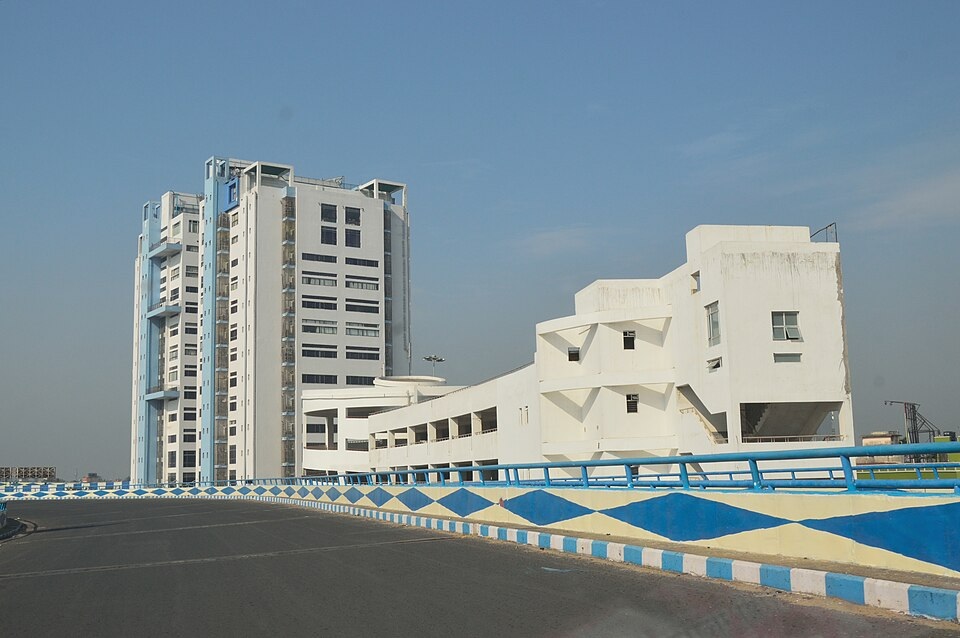
Unlike iconic government buildings that emphasize grandeur, Nabanna is rooted in functionality and efficiency. The design focuses on creating a seamless workflow for administrative operations.
The vertical structure allows for clear zoning of departments across floors, while circulation within the building is planned to support daily movement of officials, staff, and visitors. The architecture may appear simple from the outside, but internally it is structured to handle the complexity of governance.
Interiors & Working Environment
Inside Nabanna, the design is driven by purpose. The building houses:
- The Chief Minister’s office
- Ministerial chambers
- Departmental offices
- Meeting and conference rooms
The spaces are designed to support continuous communication and coordination between departments. While not overly luxurious, the interiors are practical, organized, and aligned with the needs of a high-functioning government setup.
Nabanna stands as a clear example of how functionality can define modern institutional architecture. It may not rely on historic grandeur or iconic design elements, but its importance lies in how effectively it supports governance.
For architects and planners, Nabanna offers a valuable lesson—sometimes, the success of a building is not just in how it looks, but in how well it works.