
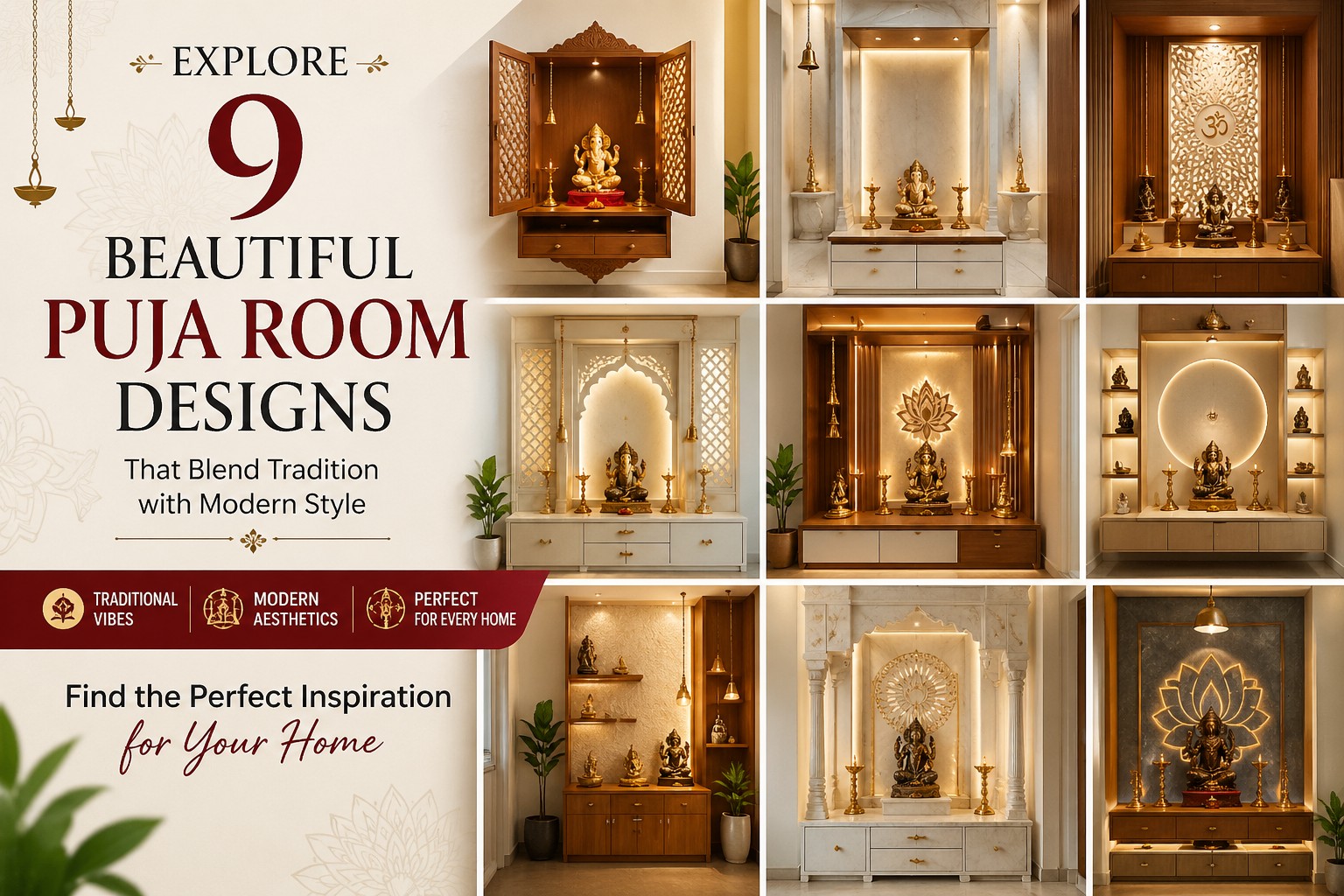
Explore 9 beautiful puja room designs
In Indian homes, the puja room is not just a functional space—it is a deeply personal sanctuary that nurtures calm, devotion, and mindfulness. As homes become more diverse in layout and style, puja spaces too have evolved beyond traditional rooms into versatile design elements that seamlessly integrate with modern interiors.
Whether you’re working with a compact apartment or a spacious home, the key lies in designing a puja space that feels intentional, peaceful, and visually harmonious. Here are nine beautifully detailed puja room design ideas that cater to every kind of home.
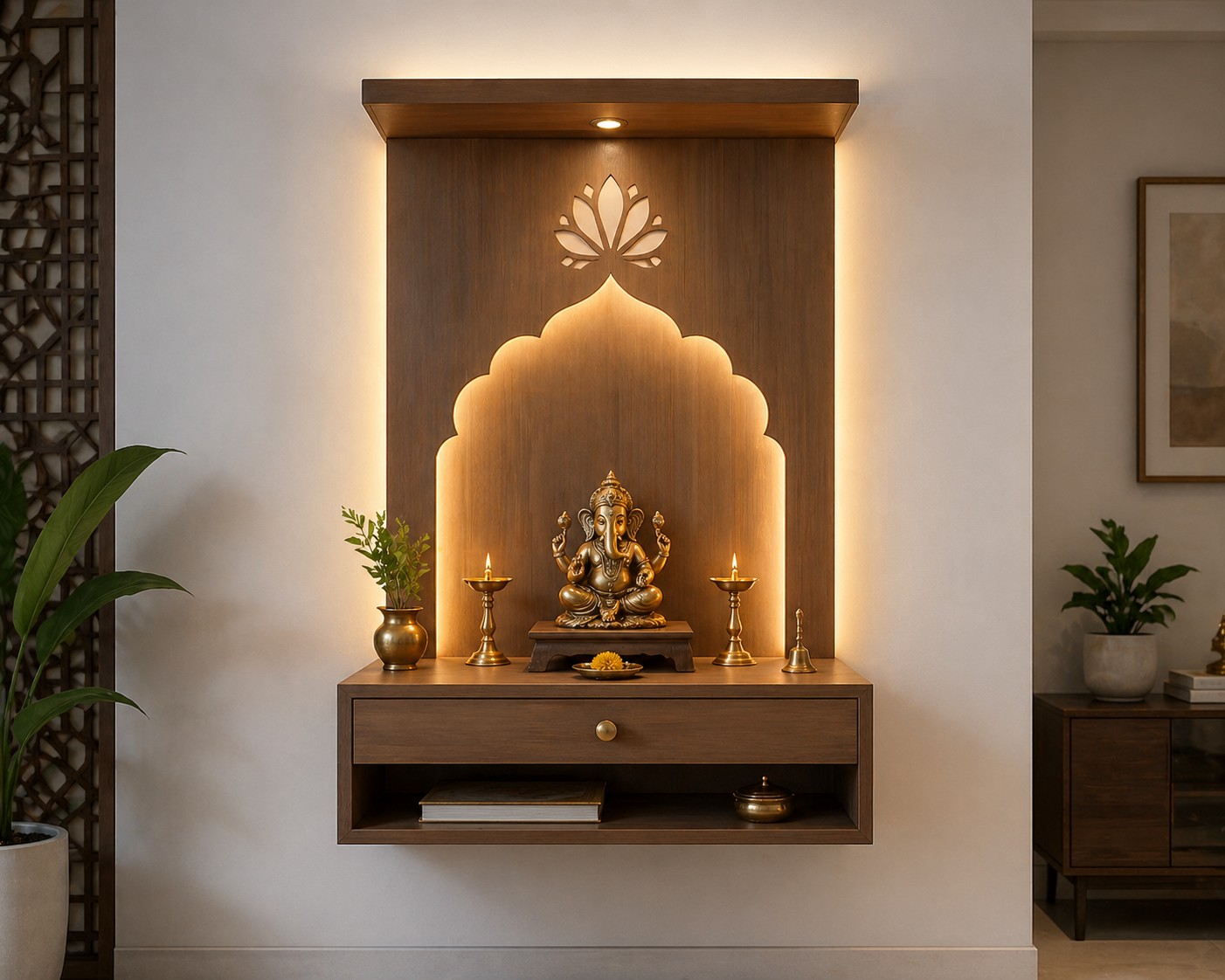
1. The Minimalist Wall-Mounted Mandir
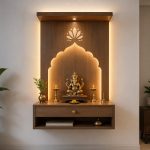
A wall-mounted mandir is one of the most practical solutions for compact homes, especially in urban apartments where every square foot matters. This design focuses on simplicity—clean lines, neutral color palettes, and clutter-free surfaces that create a calm and meditative environment.
Opt for a sleek wooden or laminate panel with subtle carvings or a matte finish. Integrated LED backlighting can add a soft glow, highlighting the idols without being overpowering. You can also include a small drawer or floating shelf beneath the unit to store essentials like incense sticks, diyas, and prayer books. The goal is to create a serene focal point that blends effortlessly with your existing décor while maintaining its spiritual essence.
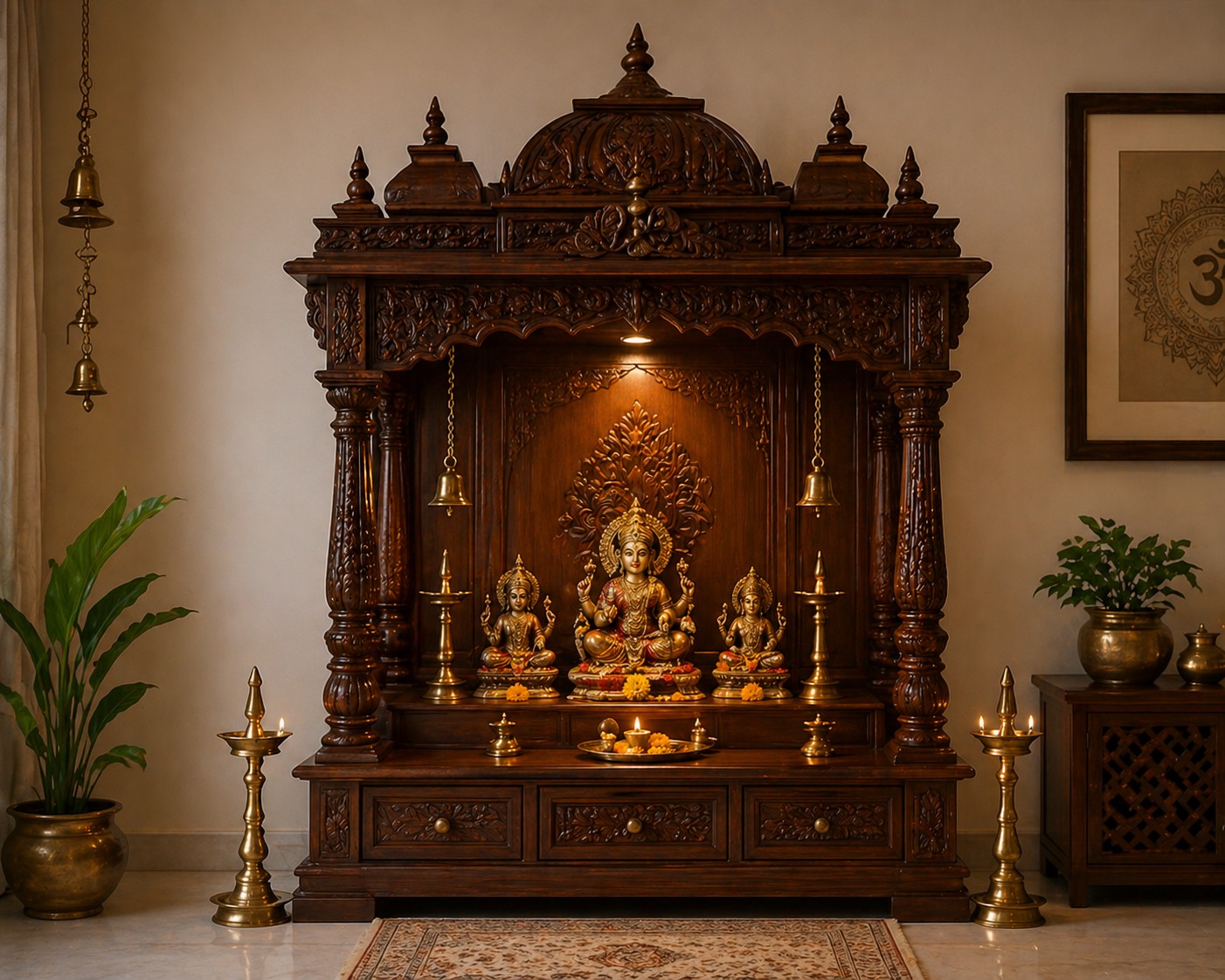
2. The Traditional Wooden Temple
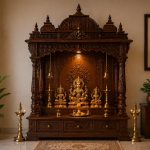
For those who appreciate heritage and craftsmanship, a traditional wooden mandir remains unmatched. These temples often feature intricate carvings, ornate pillars, domes, and detailed jaali work that reflect age-old design sensibilities. They bring a sense of authenticity and cultural richness into your home.
Teak, sheesham, or rosewood are commonly used materials that not only ensure durability but also age beautifully over time. Pair the wooden structure with brass bells, oil lamps, and traditional décor elements to enhance the overall ambiance. This design works particularly well in homes that embrace classic or ethnic interiors, creating a timeless and sacred atmosphere.
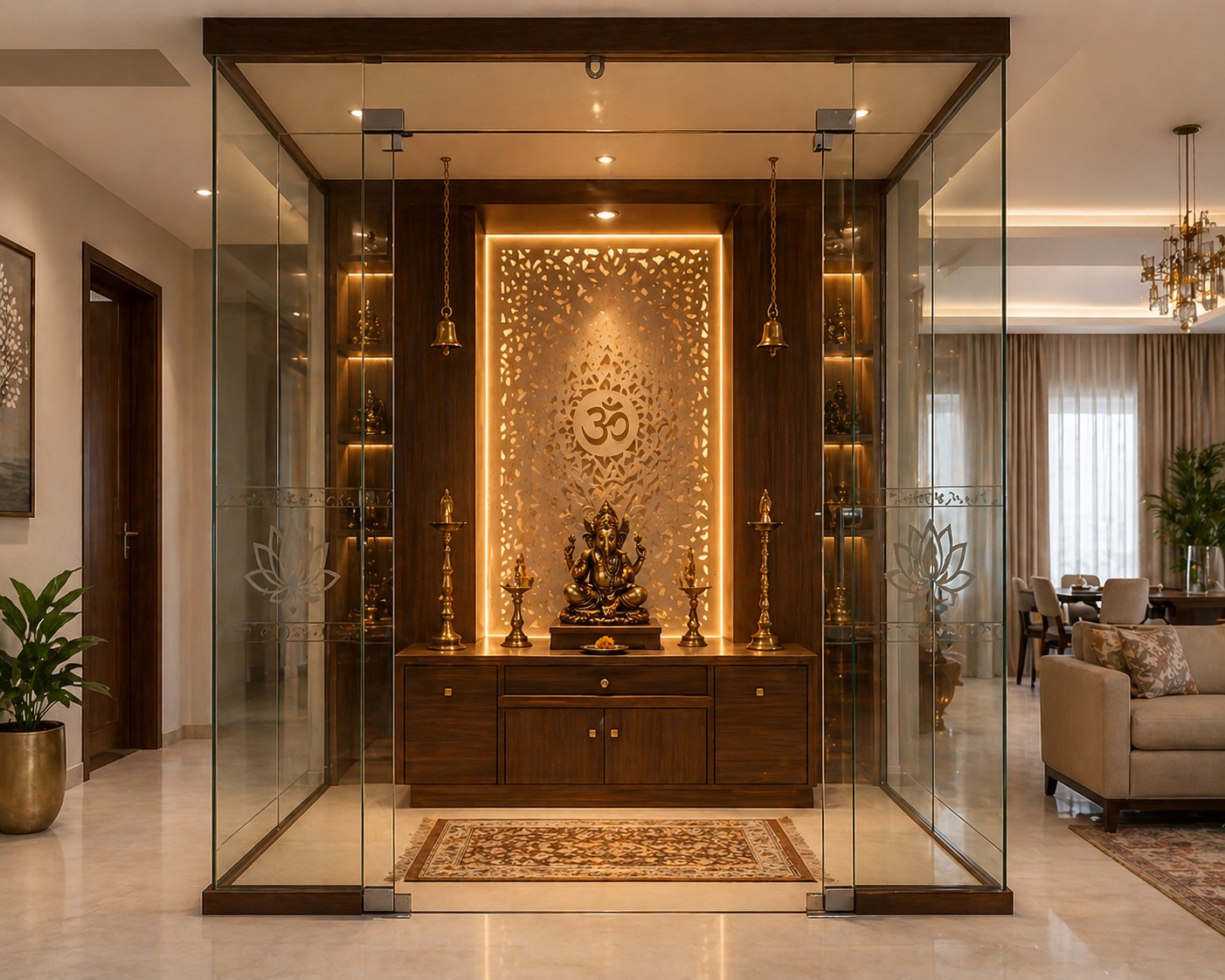
3. The Glass-Enclosed Puja Room
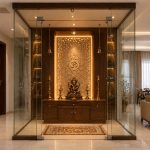
A glass-enclosed puja room strikes the perfect balance between openness and privacy. It allows you to create a dedicated spiritual zone without visually breaking the flow of your home. This is especially useful in modern open-plan layouts where maintaining continuity is important.
You can choose clear glass for a seamless look or opt for frosted, etched, or patterned glass to add a layer of subtle privacy. Wooden or metal frames can further enhance the design, depending on your interior style. Soft lighting inside the enclosure ensures that the space feels warm and inviting, while the transparency keeps it connected to the rest of the home.
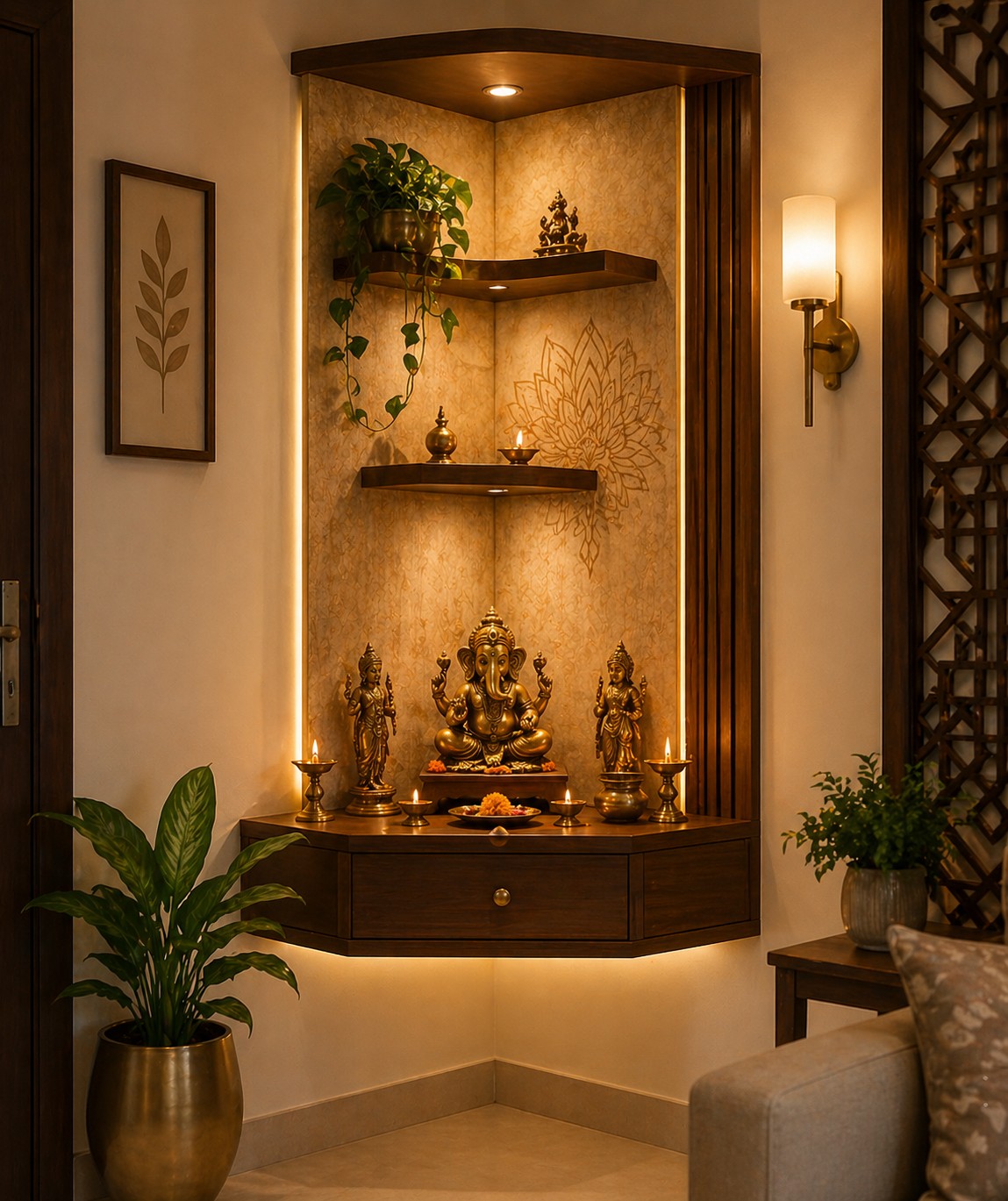
4. The Corner Sanctuary
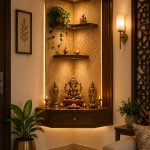
Corners are often underutilized in most homes, but they can be transformed into intimate and peaceful puja spaces with the right design approach. A compact corner mandir can make efficient use of vertical space while maintaining a sense of coziness and focus.
Consider adding a backdrop panel with textured finishes, wallpaper, or subtle motifs to create visual depth. Floating shelves or tiered units can help organize idols and accessories neatly. Soft lighting, such as wall sconces or concealed LED strips, can enhance the spiritual ambiance. This design is ideal for those who want a dedicated puja area without making major structural changes.
5. The Marble-Clad Elegance
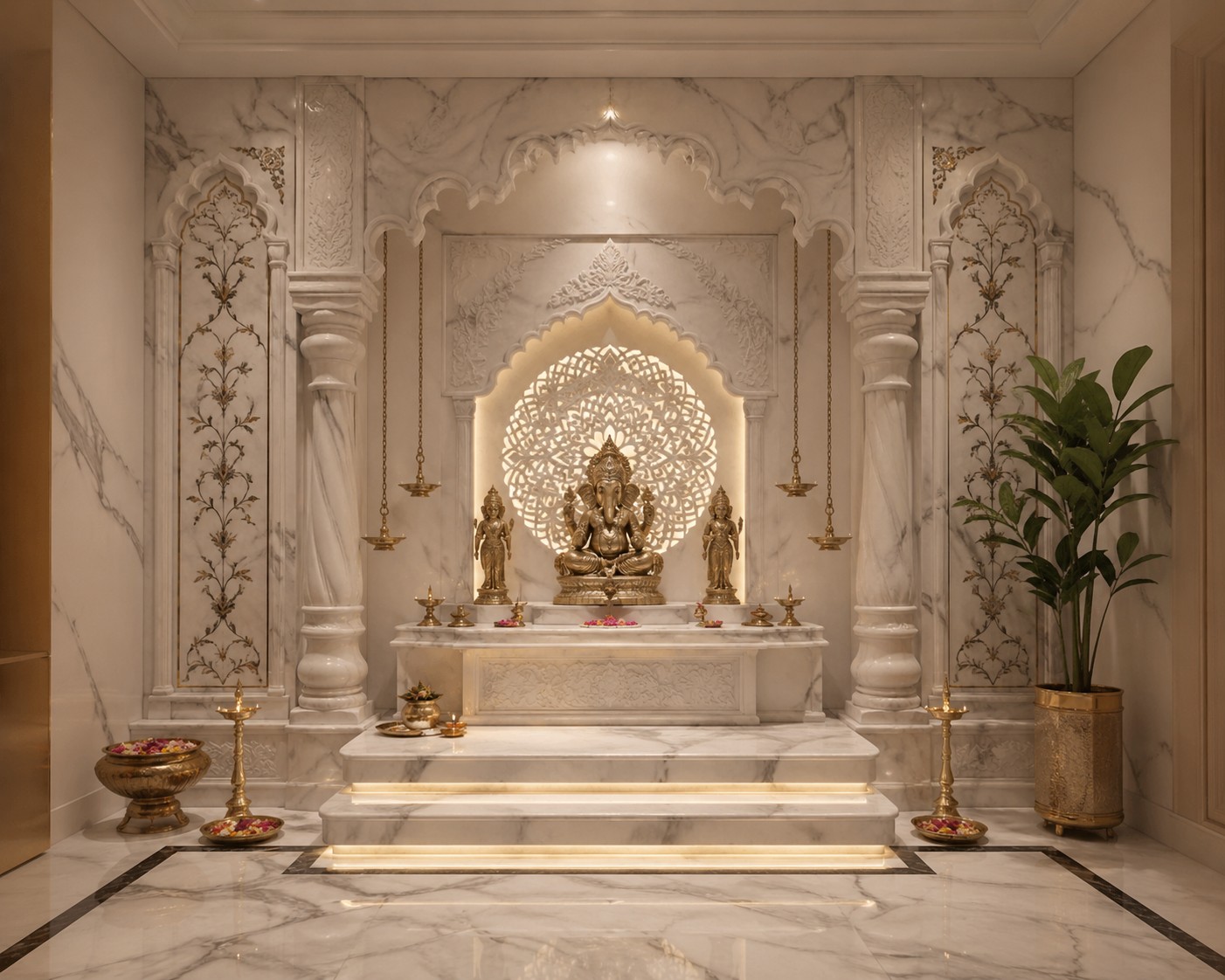
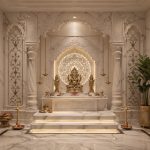
Marble has long been associated with purity and tranquility, making it a perfect material for puja spaces. A marble-clad mandir exudes sophistication and creates a serene environment that feels both luxurious and calming.
White marble with soft veining or delicate inlay work can serve as a beautiful backdrop for idols. You can incorporate carved marble panels, steps, or platforms to elevate the design further. Pair it with warm lighting and metallic accents like brass or gold to add depth and richness. This style works exceptionally well in larger homes where you can dedicate a slightly more expansive area to the puja room.
6. The Contemporary Cabinet Design
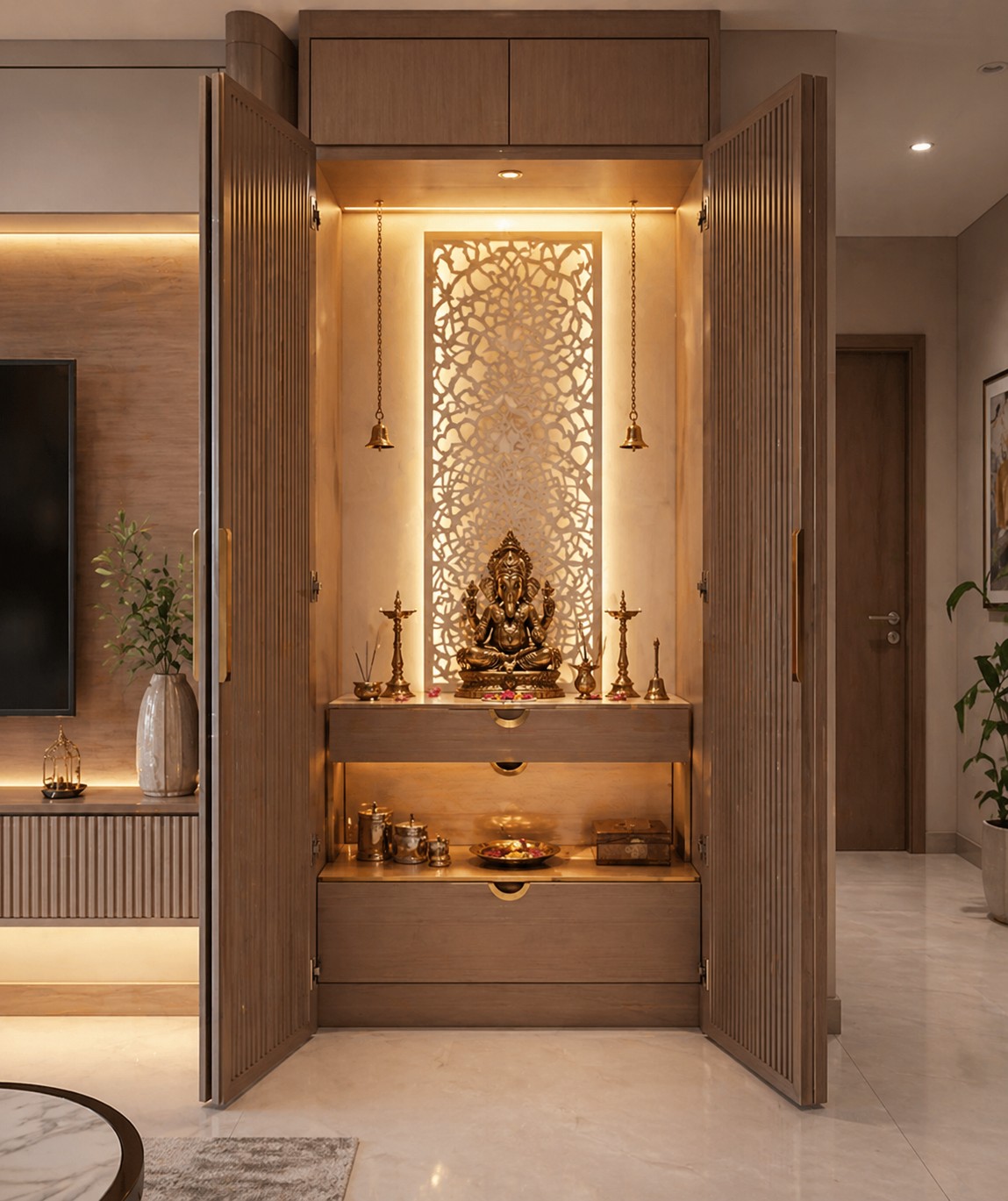
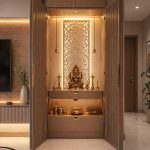
For modern homes that prioritize clean and seamless interiors, a concealed puja cabinet is an excellent choice. This design integrates the mandir into existing furniture, such as a living room unit or a custom-built cabinet, allowing it to blend effortlessly into the overall aesthetic.
Sliding doors, foldable shutters, or even fluted panels can be used to conceal the space when not in use. Inside, the cabinet can be designed with backlit panels, compact storage, and designated areas for idols and पूजा essentials. This approach ensures that the spiritual space remains accessible yet discreet, making it perfect for contemporary lifestyles.
7. The Open Shelf Concept
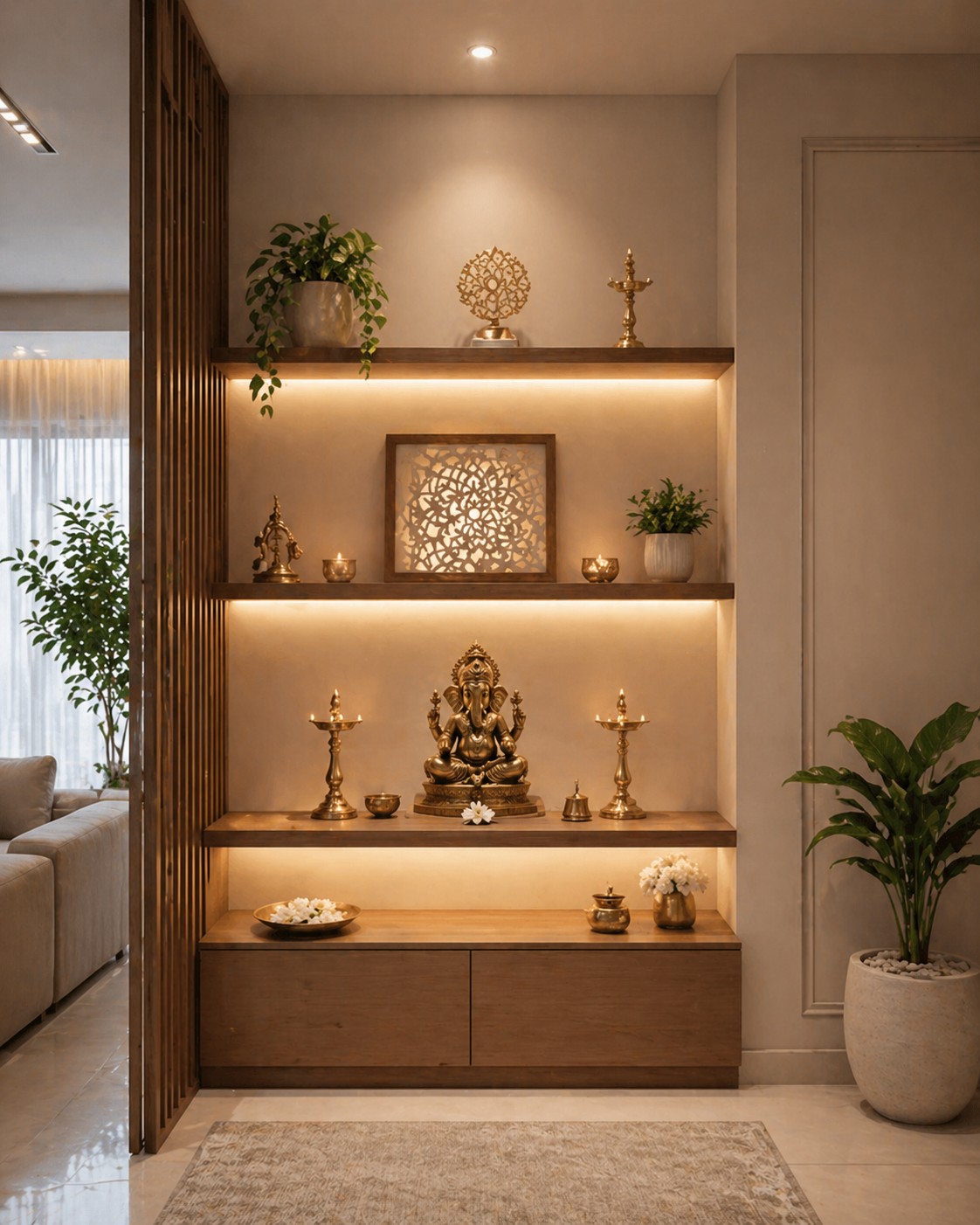
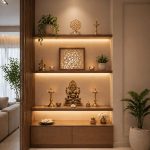
An open-shelf puja setup is a great option for those who prefer a light, minimal, and modern approach to design. Instead of a heavy structure, this concept uses simple shelves—either wooden, metal, or glass—to create a clean and understated spiritual corner.
The key to making this design work lies in thoughtful arrangement. Keep the number of idols minimal and ensure symmetry in placement. Use a limited color palette and incorporate subtle decorative elements like small plants, candles, or framed backdrops. This style is ideal for homes that embrace minimalism and want their puja space to feel integrated rather than isolated.
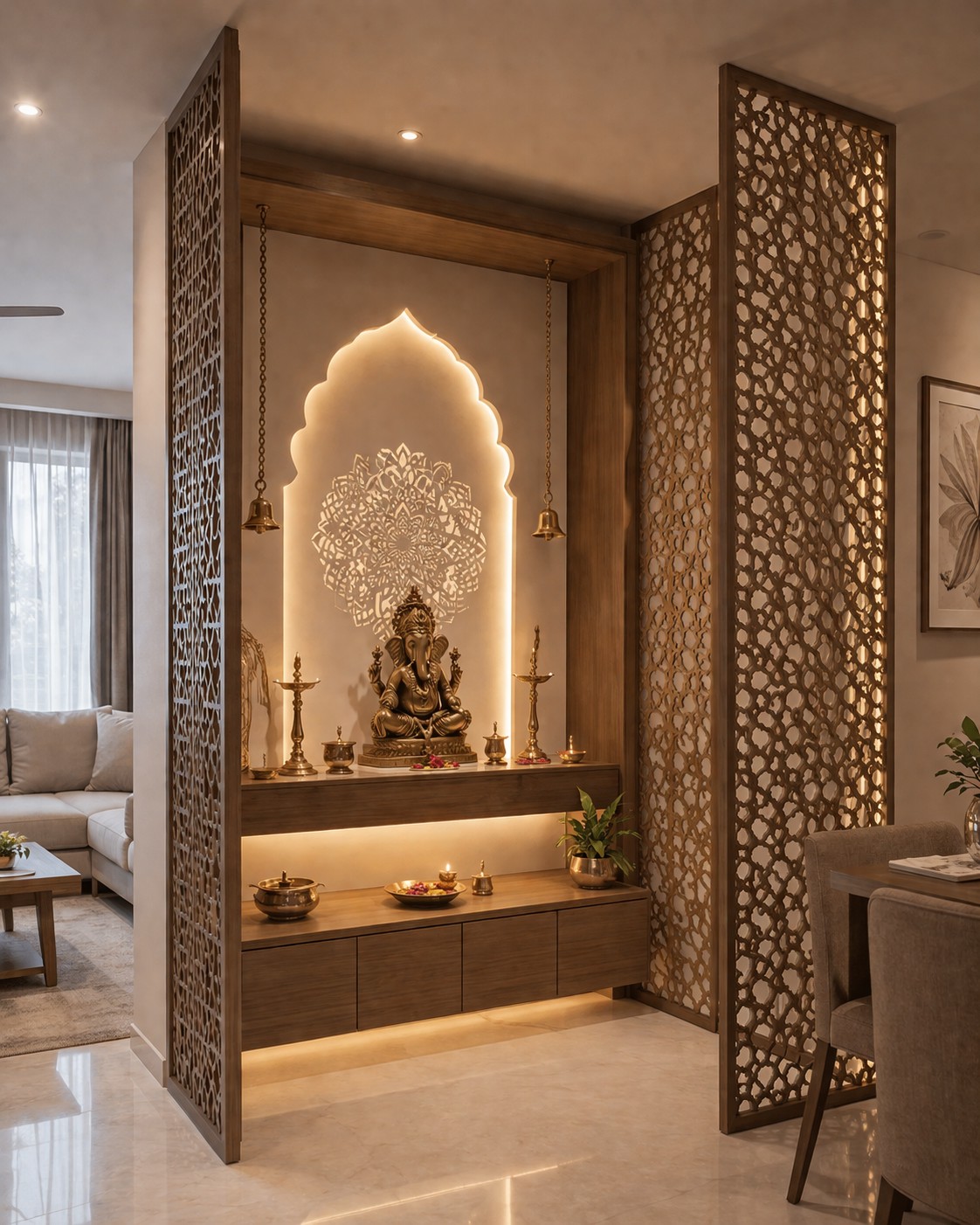
8. The Jali Partition Design
A jali partition adds both function and artistry to a puja space. It helps define the area without completely enclosing it, allowing light and air to pass through while still creating a sense of separation. The intricate patterns also cast beautiful shadows, adding a dynamic visual element to the room.
Jali designs can be crafted in wood, MDF, or metal, depending on your budget and style preference. Traditional motifs work well in ethnic interiors, while geometric patterns complement modern spaces. This design is perfect for creating a semi-private puja zone within a larger room, such as a living or dining area.
9. The Dedicated Puja Room with Ambient Lighting
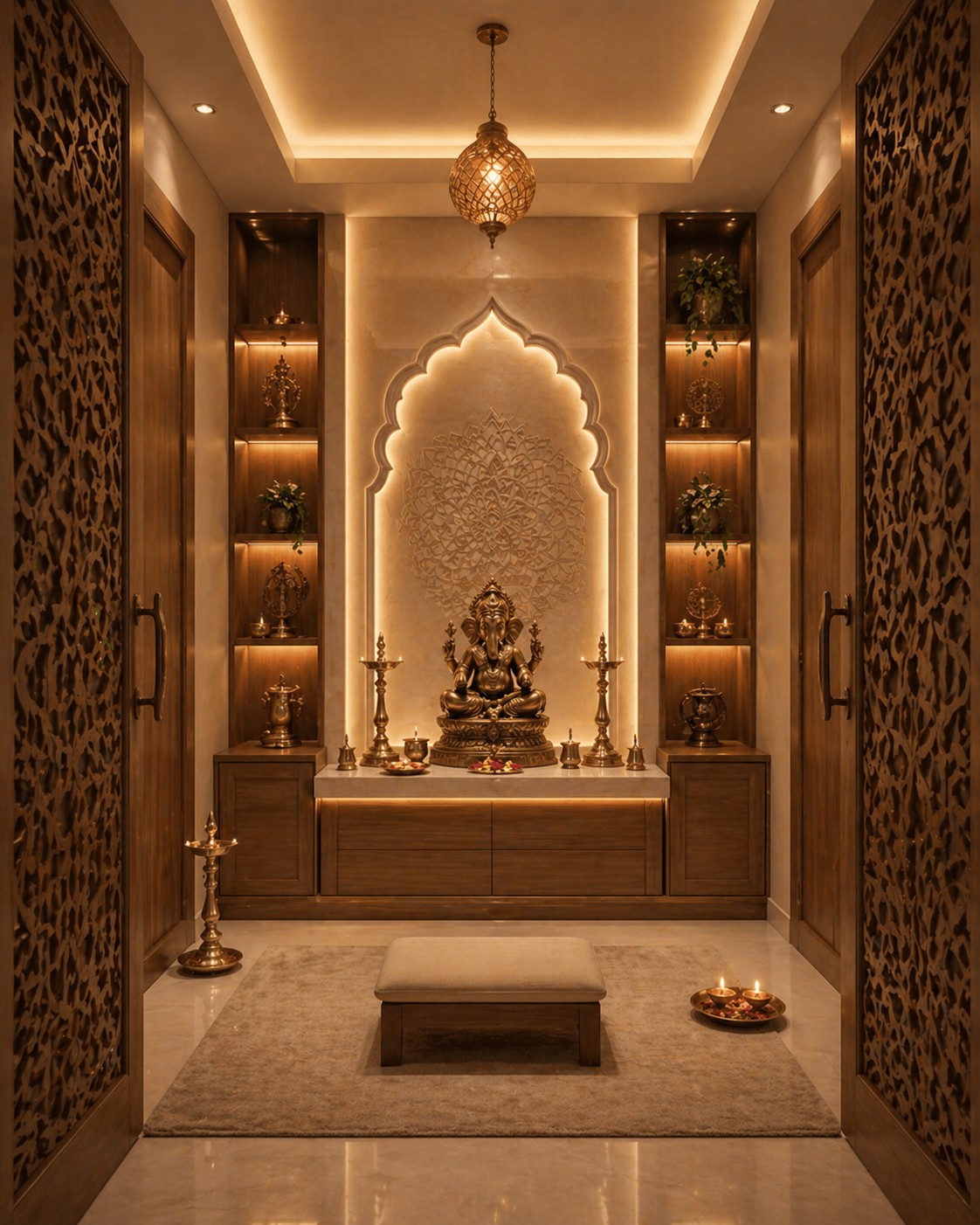
If space permits, a separate puja room offers the opportunity to create a truly immersive and tranquil environment. This design allows you to focus on every detail—from materials and colors to lighting and acoustics—to enhance the spiritual experience.
Use layered lighting techniques, such as cove lighting, pendant lamps, and traditional diyas, to create a warm and inviting glow. Soft, neutral color palettes combined with natural materials like wood and stone can further enhance the calming effect. You can also incorporate seating, storage, and even subtle soundproofing to make the space more comfortable for longer पूजा rituals or meditation.
Design Tips to Keep in Mind
While aesthetics are important, functionality and intention play an equally crucial role in designing a puja space. Ideally, the mandir should be placed in the northeast direction of the home, as it is considered most auspicious. Keep the area clean and clutter-free to maintain a sense of calm and focus.
Lighting should always be soft and warm, avoiding harsh or overly bright fixtures. Natural materials like wood, marble, and stone help create a grounding effect, while subtle fragrances from incense or flowers can elevate the overall experience.
A thoughtfully designed puja space is not defined by its size or cost, but by the sense of peace it brings into your home. With the right approach, even the smallest corner can be transformed into a sanctuary that reflects both your beliefs and your design sensibilities.

Related Article:
The modern evolution of office interior design: Creating workspaces that inspire productivity
Kinetic Facades: The Future of Sustainable Architecture
Industrial Style: How to Achieve it in Your Home?
Experts share simple Vastu principles to fill your home with positive energy and peace
Tips for your Mandir’s direction in home as per Vastu