

Ratan Tata House
When one thinks of iconic architecture in Mumbai, it’s easy to imagine heritage landmarks like the Gateway of India or Bombay House. Yet tucked away on the sea-facing promenade of Colaba is a very different kind of masterpiece — Ratan Tata’s personal residence, known variously as Bakhtawar, Cabins or Halekai. More than just a home, this elegant bungalow embodies the design sensibilities of one of India’s most respected industrialists — a testament to “less is more” and an intersection between minimalism and comfort.
Location & Site Context
Situated in Colaba, South Mumbai, the residence occupies a prime coastal plot opposite the Colaba Post Office, overlooking the Arabian Sea. The neighbourhood is one of Mumbai’s most prestigious, with tree-lined streets and luxury homes interspersed with historic landmarks. The proximity of Colaba to the commercial heart of Mumbai made this location both symbolic and practical for Tata — offering serenity by the sea just a short distance from Tata Sons’ headquarters at Bombay House.

Architect & Design Concept
While much of the public focus has been on the lifestyle and interiors of the house, credible reports suggest that the design process was a collaboration between Ratan Tata himself and architect Ratan J. Batliboi of Ratan J Batliboi Consultants, reflecting Tata’s personal architectural insight (he studied architecture at Cornell University). This partnership brought Tata’s vision to life, with attention to proportions, light and texture rather than showy ornamentation.
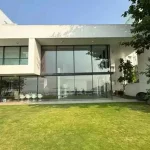
The architectural concept blends contemporary design with minimalist restraint, drawing inspiration from colonial themes — large windows, clean white surfaces, and generous open spaces that prioritize views of the sea and natural light.
Structural Engineering Challenges
While detailed structural plans aren’t publicly available, the key engineering challenge for any sea-facing property in Mumbai lies in dealing with coastal wind loads, salt-laden air corrosion and monsoon water ingress. The building’s elevation, large glazing elements, and stepped levels likely required thoughtful structural detailing to manage loads, drainage and long-term weathering — especially because the residence spans three storeys and seven distinct levels to maximize views and privacy without appearing monolithic.
Interior Design & Materials
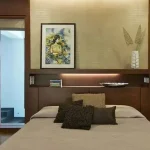
The interior is a reflection of Ratan Tata’s personal philosophy: simplicity, comfort and subtle luxury. Walls and ceilings are predominantly white, providing a neutral backdrop that amplifies daylight and creates a calming ambience. Large floor-to-ceiling glass windows open rooms up to panoramic sea views and natural light, while the furnishings strike a balance between modern functionality and relaxed elegance.
A majestic symmetrical staircase greets visitors, blending classic detailing with contemporary proportions. The living spaces feature minimal yet warm decor — plush seating, glass tables, indoor plants and curated artwork — reinforcing a tranquil and inviting environment.
Across levels, the home houses functional zones such as a media room, private gym, library, dining areas, and multiple bedrooms — all designed with light, airy layouts that reflect Tata’s understated preferences.

Sustainability & Technology
Although there’s no public certification or formal sustainability report, the residence’s design naturally incorporates passive climate responses. The extensive use of large windows supports natural ventilation and daylighting, reducing dependence on artificial cooling and lighting. The choice of a white exterior minimizes heat absorption — particularly relevant in Mumbai’s coastal climate — while open decks and terraces integrate outdoor living, further blurring the boundary between interior and exterior.
Construction Cost & Timeline
The property covers approximately 13,350 square feet and was valued at around Rs. 150 crore at the time of its purchase or construction — a figure that reflects both its prime location and luxurious finishings.
It was established as Tata’s retirement residence after he stepped down as Chairman of Tata Sons in 2012, and he lived there with his companions and staff in the years that followed.
Interesting Architectural Facts
- The residence spans three stories and seven levels, using verticality to create distinct living zones while preserving a human scale.
- Despite its luxury, the design ethos is minimalist, avoiding ostentation — in tune with Tata’s personal values.
- The house includes unique amenities like an infinity pool, sun deck with barbecue area, and extensive parking in the basement for up to a dozen vehicles.
- Its calm white façades and expansive glass walls echo colonial architectural influences reinterpreted in a contemporary vocabulary.
- Tata’s home design reflects his architectural training, blending functional planning with subtle design gestures rather than signature ornamentation.

FAQs
1. What is the official name of Ratan Tata’s Colaba residence?
The property is most commonly known as Bakhtawar, though it’s also referred to as Cabins or Halekai in some sources.
2. How big is the house?
The residence covers approximately 13,350 square feet spread over three primary stories with seven distinct levels.
3. Who designed the house?
Design credit is attributed to a collaboration between Ratan Tata and architect Ratan J. Batliboi, combining Tata’s personal insights with professional architectural expertise.
4. What architectural style is the house?
The style blends modern minimalist principles with hints of colonial influence, characterised by large glass elements, white surfaces and open space planning.
5. Is the house open to the public?
No — it is a private residence and not open for public tours, though its exterior remains a point of fascination due to its location and design.
6. What special features does the house include?
Key features include an infinity pool, private gym, media room, spacious terraces and extensive basement parking.
7. Why is this house architecturally significant?
Beyond its luxury, the house stands out because it reflects the values and aesthetic worldview of Ratan Tata — emphasizing simplicity, functionality and harmony with its coastal setting.




Related Article:
Elon Musk’s Houses: Tour the Stunning Homes Owned by the Tesla Billionaire
Mark Zuckerberg’s Houses: An Inside Look at the Luxurious Homes of Facebook’s Founder
Gautam Adani House: Inside the luxurious residence of India’s business tycoon in Ahmedabad
Mukesh Ambani House: Antilia, the world’s most expensive private residence in Mumbai
Jeff Bezos House: Inside the Mansions and Estates of the Amazon Founder
Bill Gates’s House: An inside look at all the homes owned by the Microsoft co-founder
Michael Jordan’s homes: A design-led journey through his signature residences
Abode: Inside Anil Ambani’s iconic Pali hill residence that redefines luxury living in Mumbai