
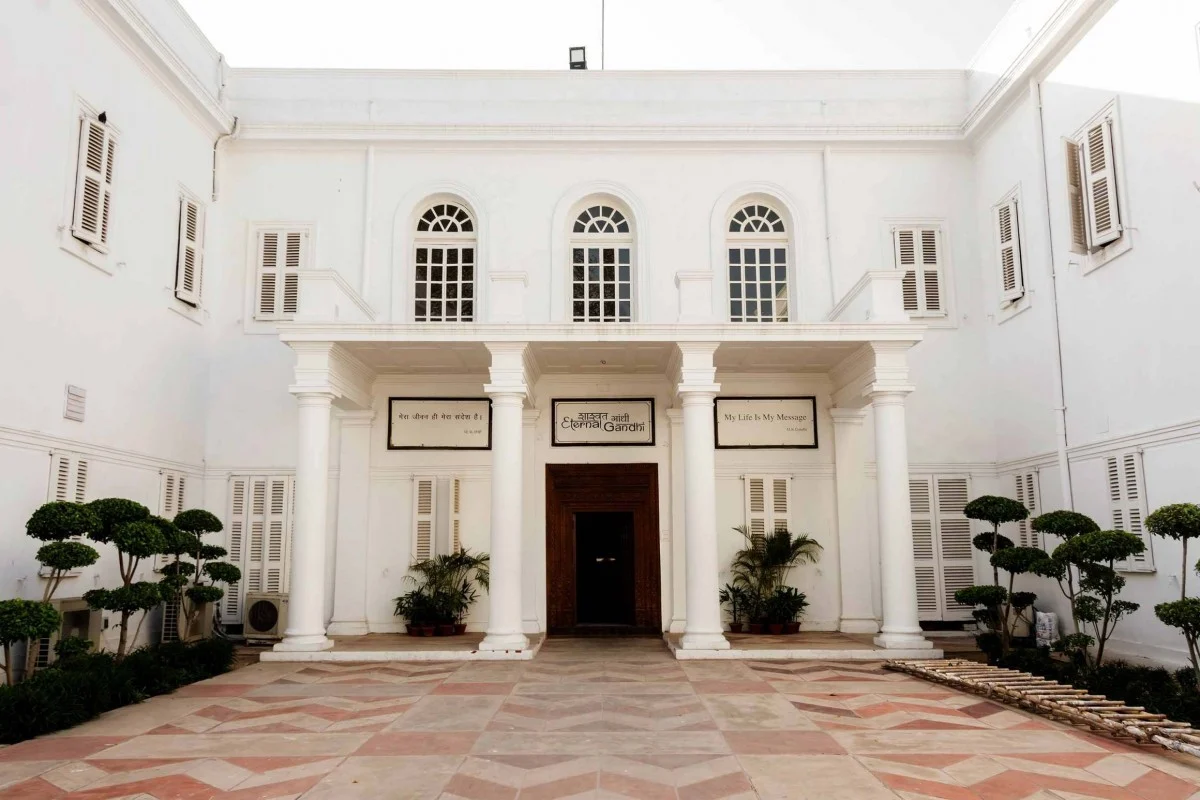
Birla House (Gandhi Smriti)
Birla House, now famously known as Gandhi Smriti, is a historically significant building in New Delhi, India. It is not only an architectural gem but also a powerful symbol of the Indian independence movement and the life of one of the most revered leaders of the country – Mahatma Gandhi. The house stands as a testament to the legacy of the Birla family and their contribution to both India’s independence and the development of modern Indian society. Today, Birla House is a museum and memorial, drawing visitors from around the world.
A Glimpse into the History of Birla House
Birla House was originally built in the early 1930s by the Birla family, one of India’s leading business families. The house was constructed as a private residence for the family. The Birla family was heavily involved in various industries, including textiles, steel, and other businesses, and also made significant contributions to social and cultural causes. They were known for their support of the independence movement and their philanthropic efforts in education, healthcare, and other fields.
However, the house would come to occupy a much more significant place in history during the final years of Mahatma Gandhi’s life. In 1947, following India’s independence, Gandhi moved to Birla House, where he spent the last 144 days of his life. Gandhi’s connection to the Birla family was not merely one of convenience, but also one of respect and shared ideals. The Birla family, including Ghanshyam Das Birla, was one of the few wealthy families that stood by Gandhi’s ideals of non-violence, simplicity, and self-reliance.
It was at Birla House that Gandhi was assassinated on January 30, 1948, by Nathuram Godse, a Hindu nationalist who opposed Gandhi’s approach of peace and tolerance towards all communities. The tragic event shocked the world and left an indelible mark on India’s history. In honor of Gandhi’s memory, Birla House was converted into a museum and a memorial.

Architectural Features of Birla House
The architectural design of Birla House reflects the early 20th-century Indian aesthetic, influenced by both Western and indigenous elements. Designed with large, airy rooms, high ceilings, and colonial-style verandas, Birla House showcases a mix of traditional Indian and Western architectural styles.
Key Features:
- Simplicity and Functionality: True to the spirit of Mahatma Gandhi, who emphasized simplicity, the design of Birla House was deliberately modest. The building is designed for practical living rather than opulence, and this is reflected in its modest furniture and spacious interiors.
- Use of Local Materials: The house is built using traditional Indian materials such as sandstone and wood, which is a significant departure from the more colonial styles of architecture seen in many other parts of the city. The use of local materials also reflects the emphasis on self-sufficiency promoted by Gandhi.
- Open Courtyards and Gardens: The house is set within lush gardens and open courtyards, providing ample space for reflection and tranquility. This aligns with Gandhi’s love for nature and the peaceful lifestyle he advocated.
- Design with Symbolic Significance: The house is imbued with deep symbolism, particularly in the way it was arranged to allow Gandhi to live in a manner befitting his principles. The placement of rooms, the use of natural light, and the integration with nature all suggest a design philosophy focused on harmony and simplicity.

The Life of Gandhi at Birla House
When Gandhi arrived at Birla House in 1947, he was in his late 70s, but still actively involved in efforts to guide the newly independent nation. He lived a very simple and disciplined life in the house. Gandhi’s personal space was minimalistic, with just a few personal belongings and a writing desk where he would work on his letters, notes, and speeches.
While staying at Birla House, Gandhi continued to engage in social reforms, particularly in promoting peace between Hindus and Muslims, and in addressing the issue of untouchability. His emphasis on ahimsa (non-violence) and satyagraha (truth force) remained at the core of his actions and ideologies.
The garden in the house became a place for Gandhi’s daily walks and prayer meetings, where he would meet with followers and discuss issues of national importance. He would often spend time in silence, contemplating the future of India and the direction it would take post-independence.
Birla House, during these months, was not just a residence, but also a spiritual hub where Gandhi’s ideas took shape, particularly as he sought to bring about social reform and communal harmony in the wake of Partition and the violence it sparked.

Gandhi Smriti: The Memorial and Museum
After the assassination of Mahatma Gandhi in 1948, the Birla family decided to honor his memory by preserving the house as a museum and memorial. In 1951, the building was opened to the public as Gandhi Smriti, a place where people could come to learn about Gandhi’s life, work, and sacrifices for the nation. The house now serves as a place of reflection on his teachings and his legacy.
The museum is divided into various sections that reflect different phases of Gandhi’s life:
- Photographs and Relics: One of the most moving parts of the museum is the collection of photographs and artifacts from Gandhi’s life. Visitors can see pictures of Gandhi with key figures of the Indian independence movement, such as Jawaharlal Nehru and Sardar Patel, as well as images from his various campaigns for non-violence and social justice.
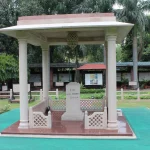
- The Martyr’s Walk: Visitors can walk through the very path where Gandhi walked on the fateful day of his assassination. The Martyr’s Walk leads to the spot where Gandhi was shot, marked by a memorial with an eternal flame. This section of the museum is particularly poignant, providing a somber reflection on the violent end to Gandhi’s life and his undying commitment to peace.
- Gandhi’s Living Space: The rooms where Gandhi lived have been preserved as they were during his final days. These rooms include the small prayer space where he prayed every morning, the simple bed on which he slept, and the desk where he wrote his letters. Visitors can walk through these rooms to get a sense of how Gandhi lived his last days, in humility and peace.
- The Library: Gandhi’s love for reading and his belief in the power of knowledge are also on display at the museum. The library houses many books, letters, and documents written by and about Gandhi.
- Interactive Exhibits: The museum also features interactive exhibits that help visitors understand the impact of Gandhi’s philosophy not just in India but across the world. These exhibits include educational programs and multimedia presentations about his contributions to civil rights movements globally, including in the United States, South Africa, and other nations.

Cultural Significance
Birla House holds deep cultural and national significance. It stands as a physical representation of the values Gandhi espoused: simplicity, non-violence, and equality. It’s a place where the philosophy of ahimsa (non-violence) continues to resonate and inspires people from all walks of life to reflect on their role in society and the world at large.
As a memorial, Birla House is not only a place for remembering Gandhi’s death but also a celebration of his life’s work and his role in shaping the world. The house attracts numerous international visitors, including dignitaries, scholars, and students, who come to pay homage to Gandhi’s enduring legacy.
Birla House, or Gandhi Smriti, is much more than just a building; it is a symbol of India’s struggle for independence, the values of non-violence, and the personal sacrifice of one of the world’s most influential leaders. Whether you’re interested in architecture, history, or simply seeking a place of quiet reflection, Birla House provides a unique and powerful experience.
As we look back at the events that shaped modern India, the memory of Gandhi and the legacy of Birla House continue to inspire people around the world. Through its preservation as a museum and memorial, Birla House ensures that the spirit of Gandhi’s vision will live on for generations to come.






Related Article:
Elon Musk’s Houses: Tour the Stunning Homes Owned by the Tesla Billionaire
Mark Zuckerberg’s Houses: An Inside Look at the Luxurious Homes of Facebook’s Founder
Gautam Adani House: Inside the luxurious residence of India’s business tycoon in Ahmedabad
Mukesh Ambani House: Antilia, the world’s most expensive private residence in Mumbai
Jatia House: Kumar Mangalam Birla’s iconic home of luxury and heritage in Mumbai
Gulita: The diamond-inspired seafront mansion of Isha Ambani and Anand Piramal
Abode: Inside Anil Ambani’s iconic Pali hill residence that redefines luxury living in Mumbai