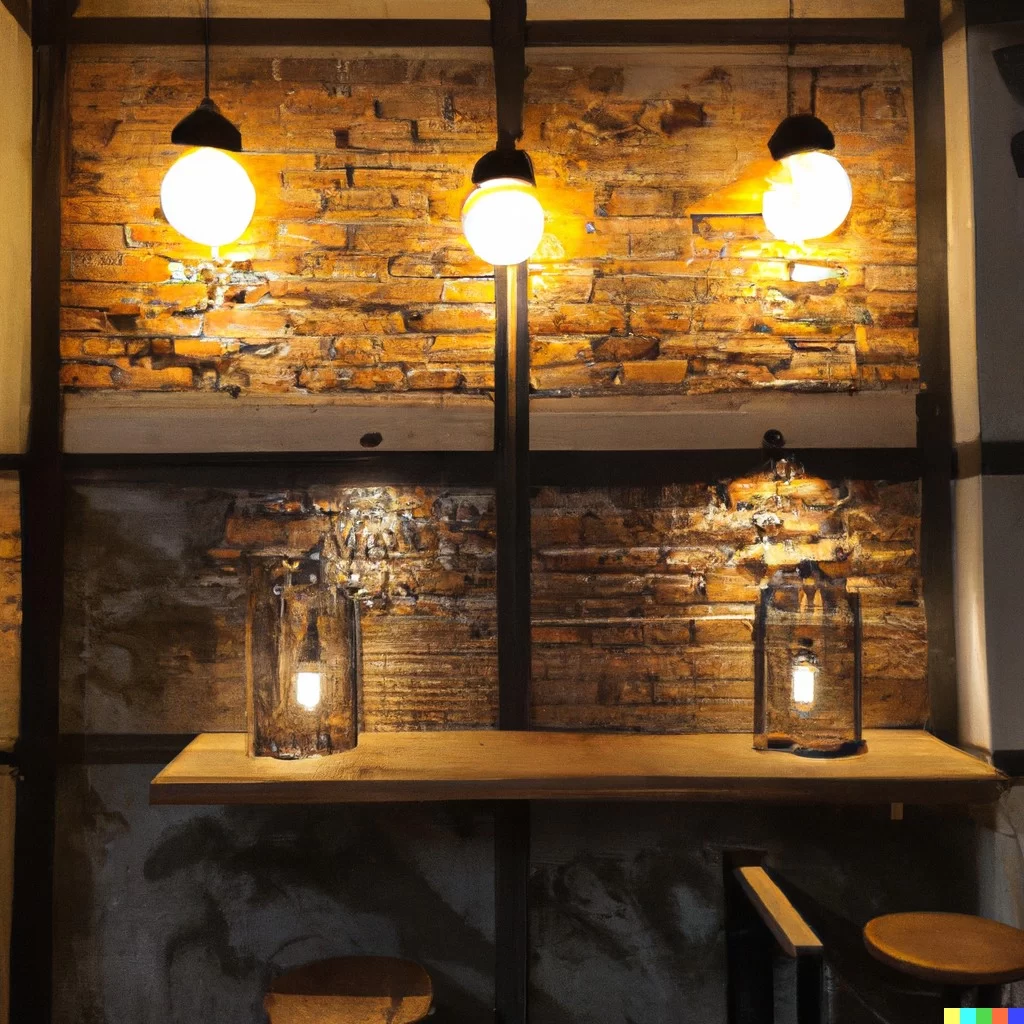
Lighting is an essential element of interior design. It can create ambiance, highlight architectural features, and enhance the overall aesthetic of a space. Artificial lighting, in particular, offers a wide range of options for designers to experiment with. Here are some tips on how to use artificial lighting to enhance interior design.
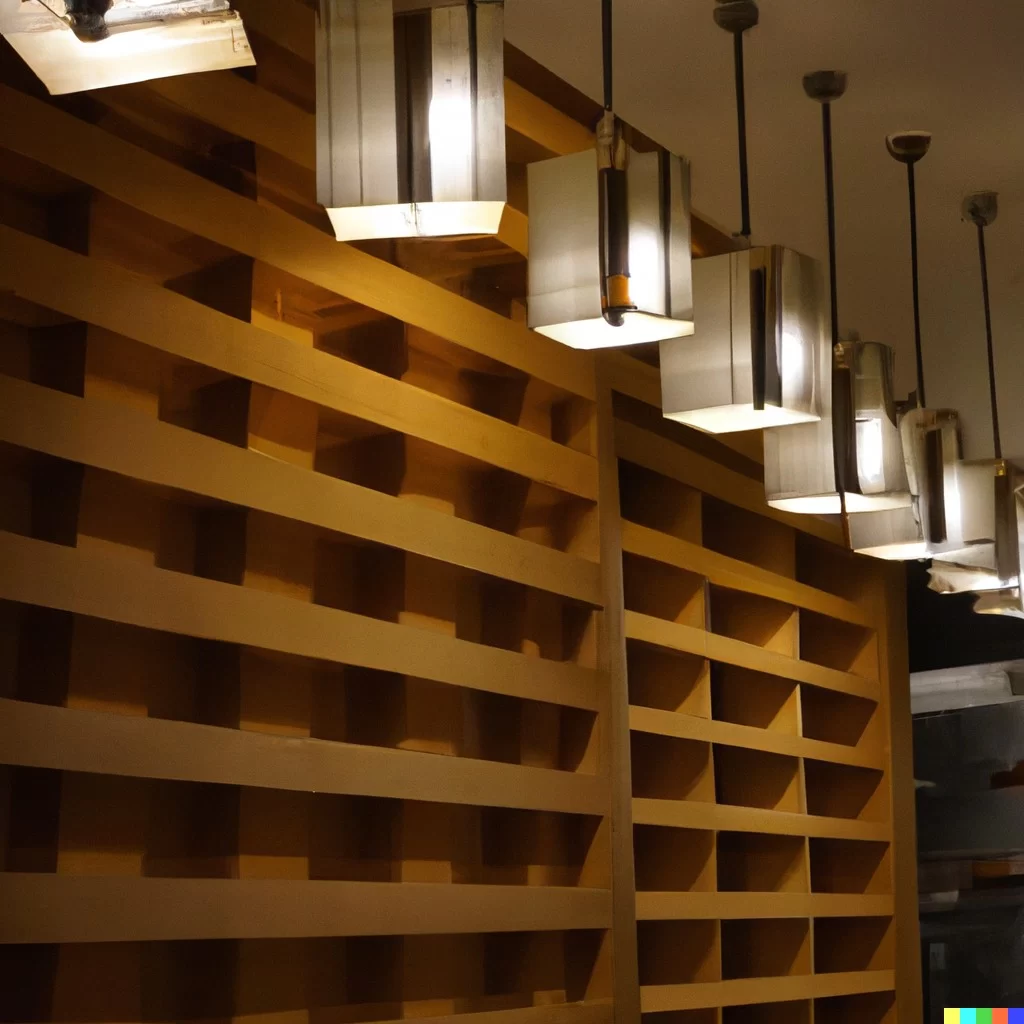
- Use Lighting to Highlight Architectural Features
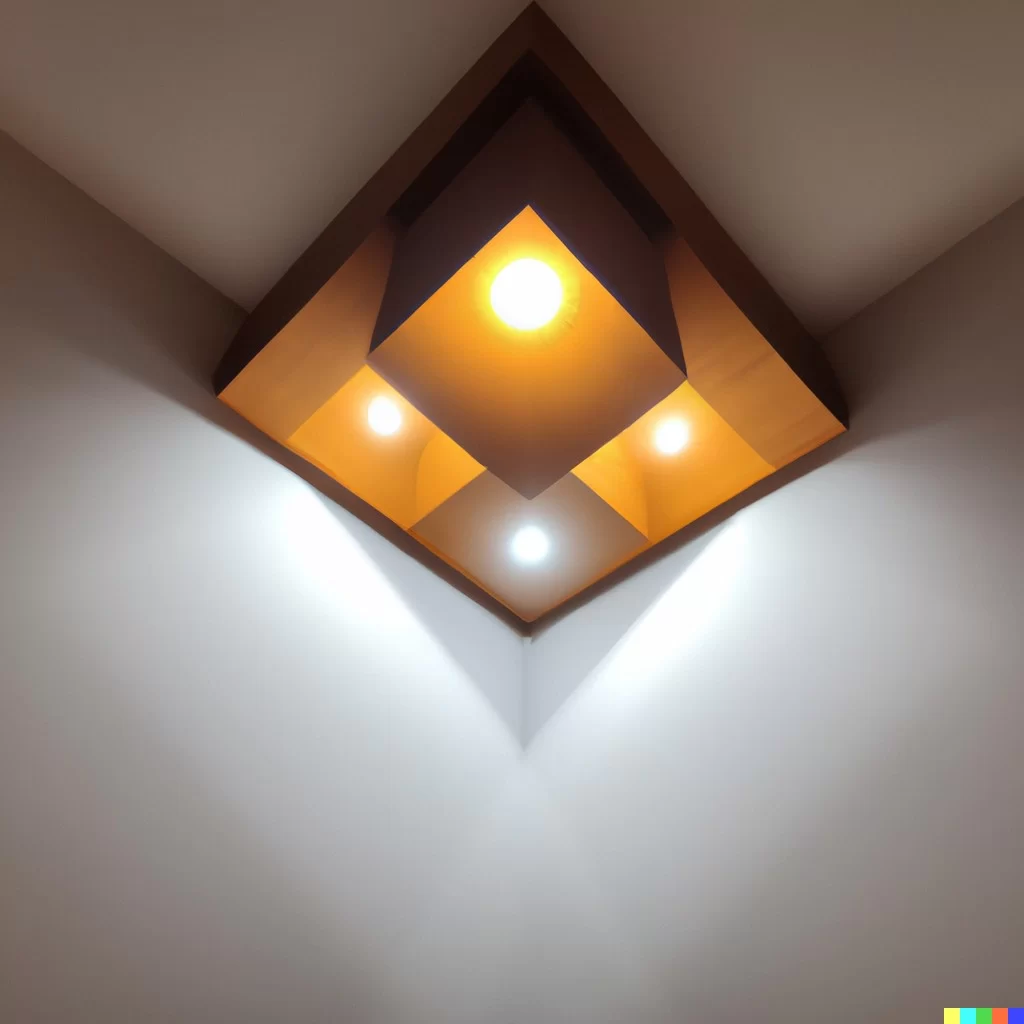
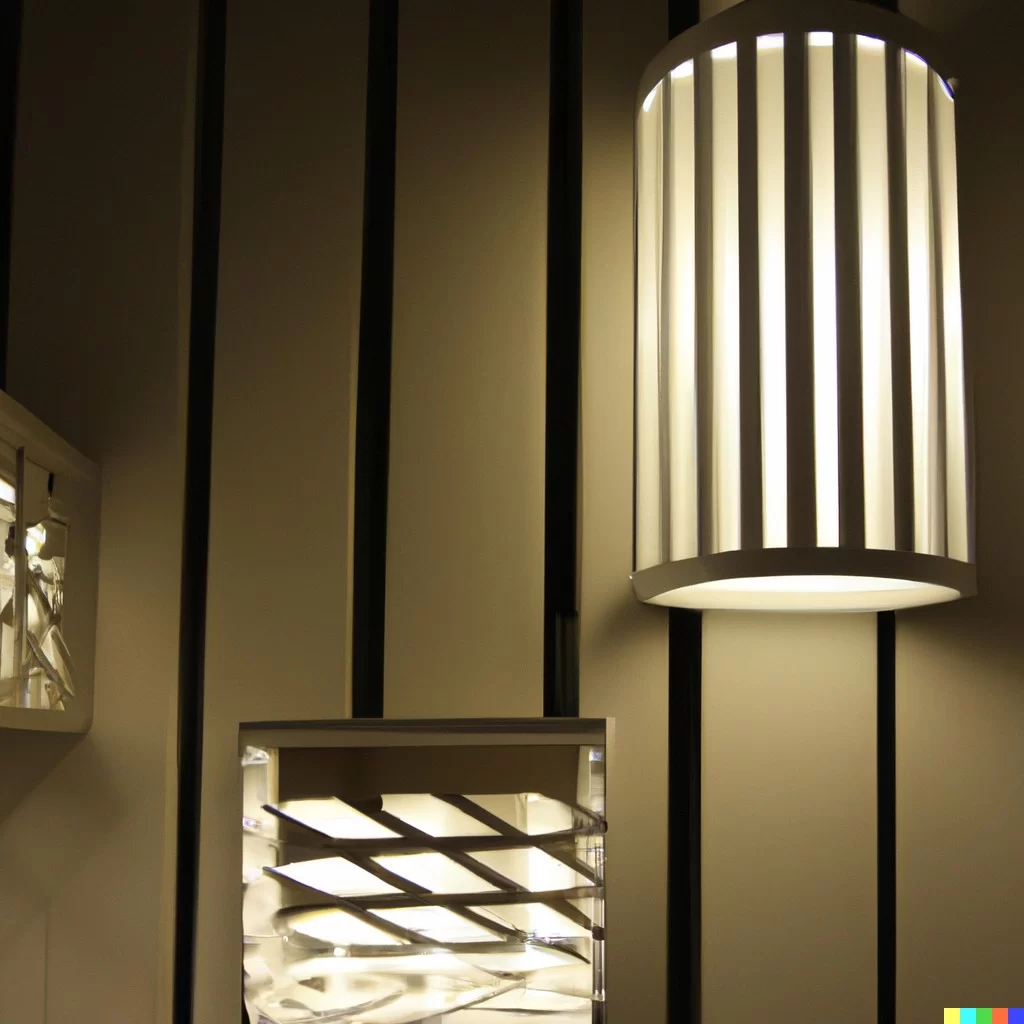
One of the most effective ways to use artificial lighting is to highlight architectural features in a space. This can include anything from highlighting a unique ceiling design to showcasing a decorative wall panel. By strategically placing lighting fixtures, designers can draw attention to these features and create a more dynamic and visually interesting space. - Create Ambiance with Layered Lighting
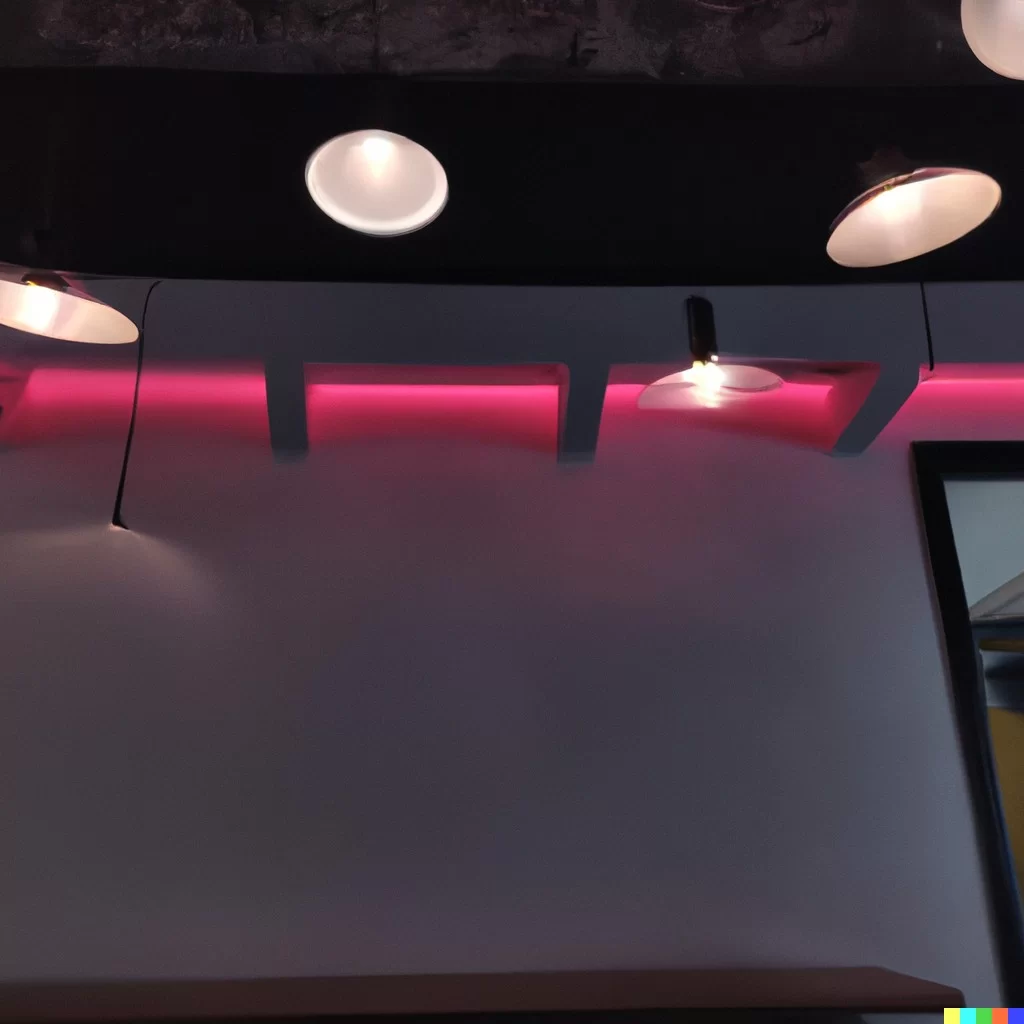
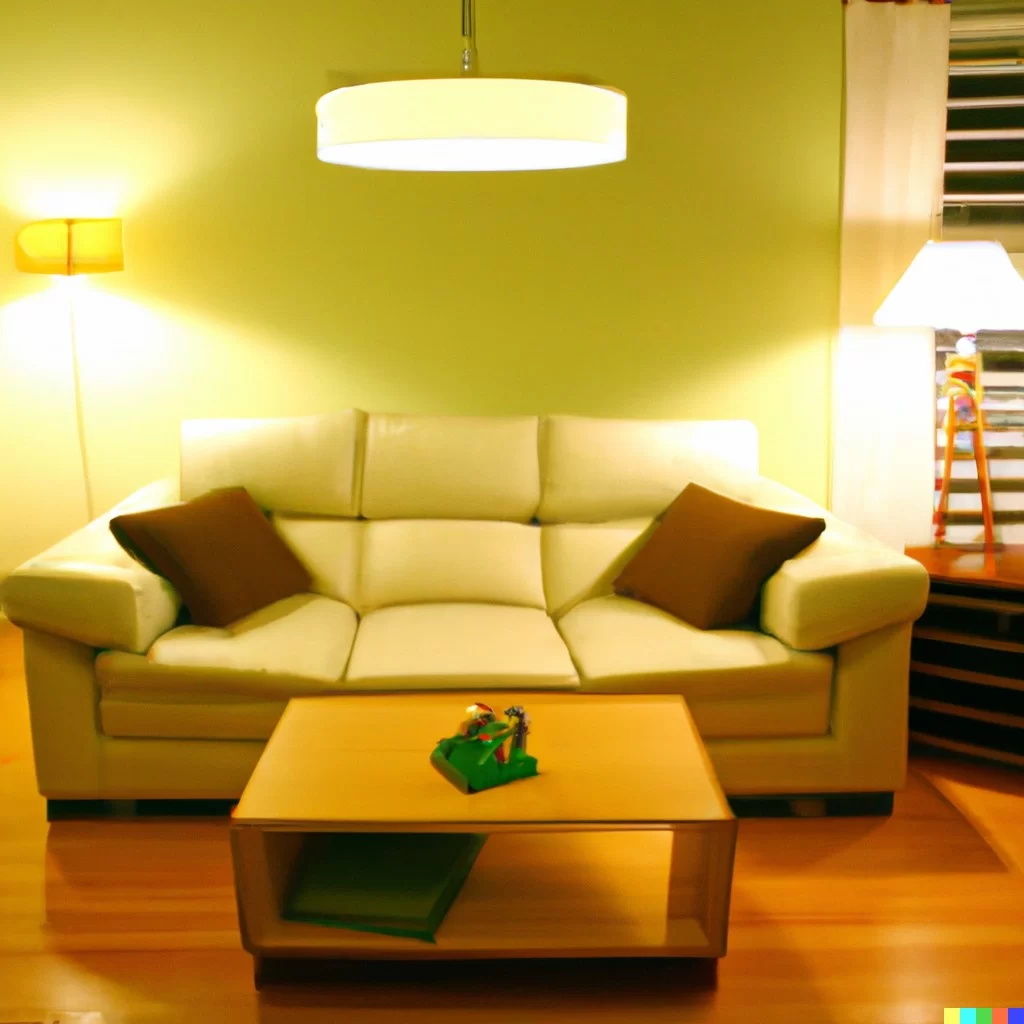
Another way to use artificial lighting is to create ambiance in a space. Layering different types of lighting fixtures, such as table lamps, floor lamps, and ceiling fixtures, can create a warm and inviting atmosphere. This can be particularly effective in living spaces, such as living rooms and bedrooms, where people often want to relax and unwind. - Experiment with Color Temperature
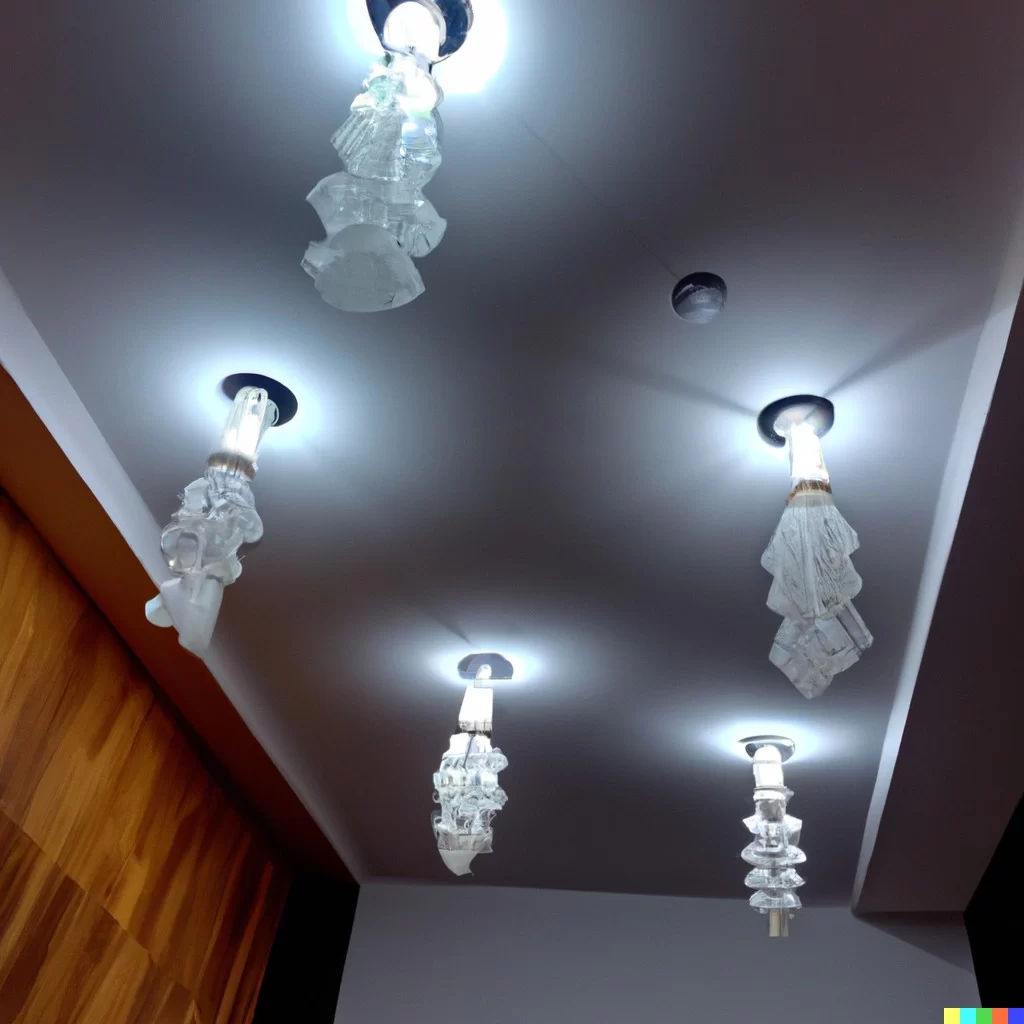
Color temperature is a measure of the warmth or coolness of a light source. By experimenting with different color temperatures, designers can create different moods and atmospheres in a space. For example, warm yellow light can create a cozy and inviting atmosphere, while cool blue light can create a more modern and industrial feel. By using a mix of warm and cool light sources, designers can create a more dynamic and visually interesting space. - Consider Task Lighting
Task lighting is a type of lighting that is specifically designed to help people perform tasks, such as reading or cooking. By incorporating task lighting into a space, designers can improve the functionality and usability of a space. For example, under-cabinet lighting in a kitchen can provide better visibility for cooking, while a reading lamp next to a chair can make it easier to read a book. - Play with Shadows
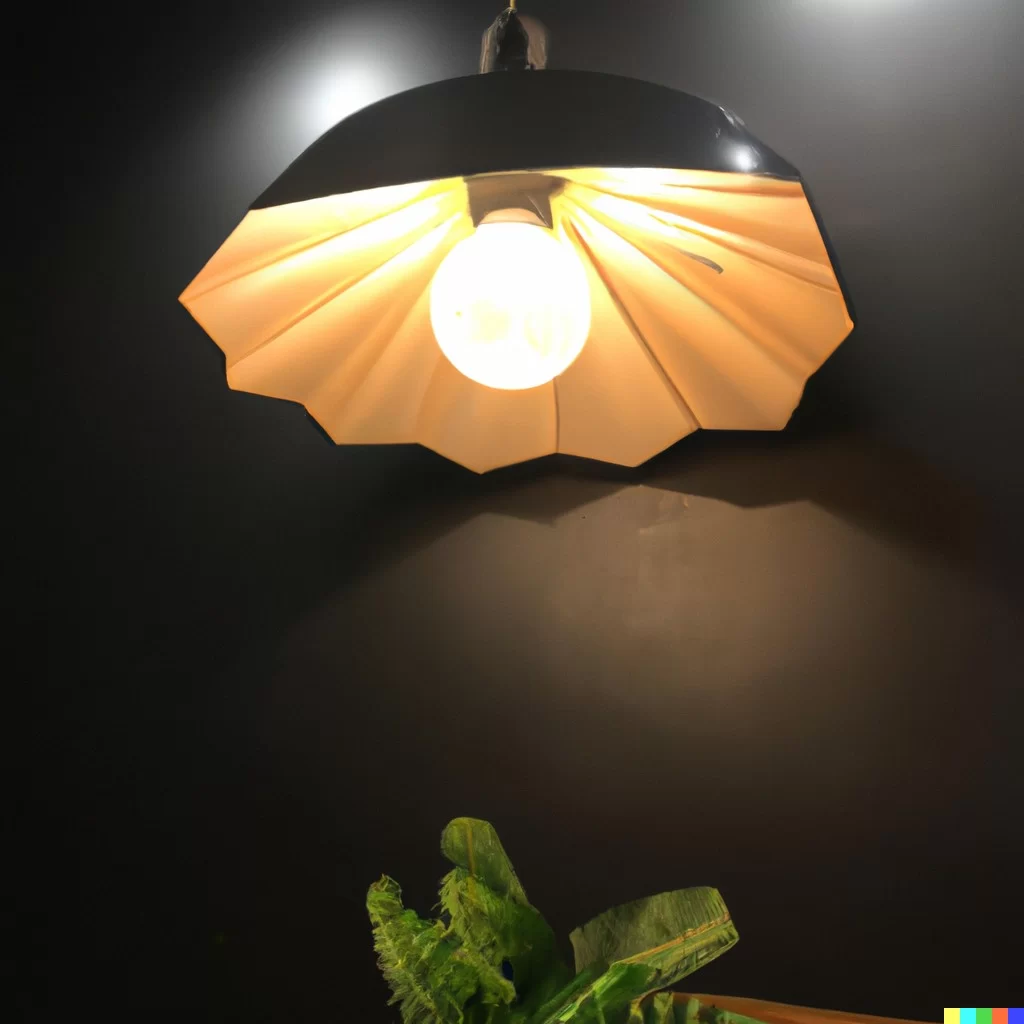
Shadows can be used to create depth and drama in a space. By strategically placing lighting fixtures, designers can create interesting and dynamic shadows that add a layer of complexity to the design. For example, by placing a light fixture behind a plant, designers can create a shadow that adds texture and depth to the wall behind it. - Use Lighting as Art
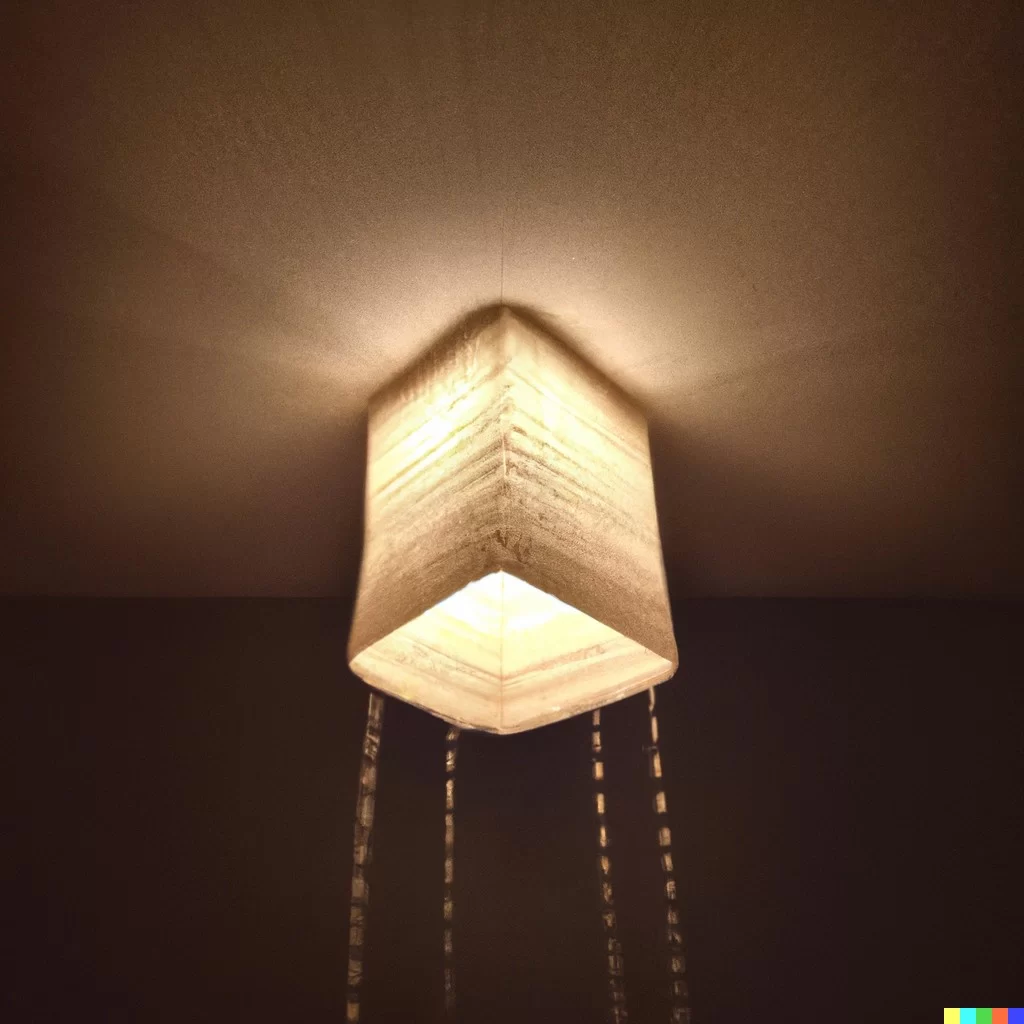
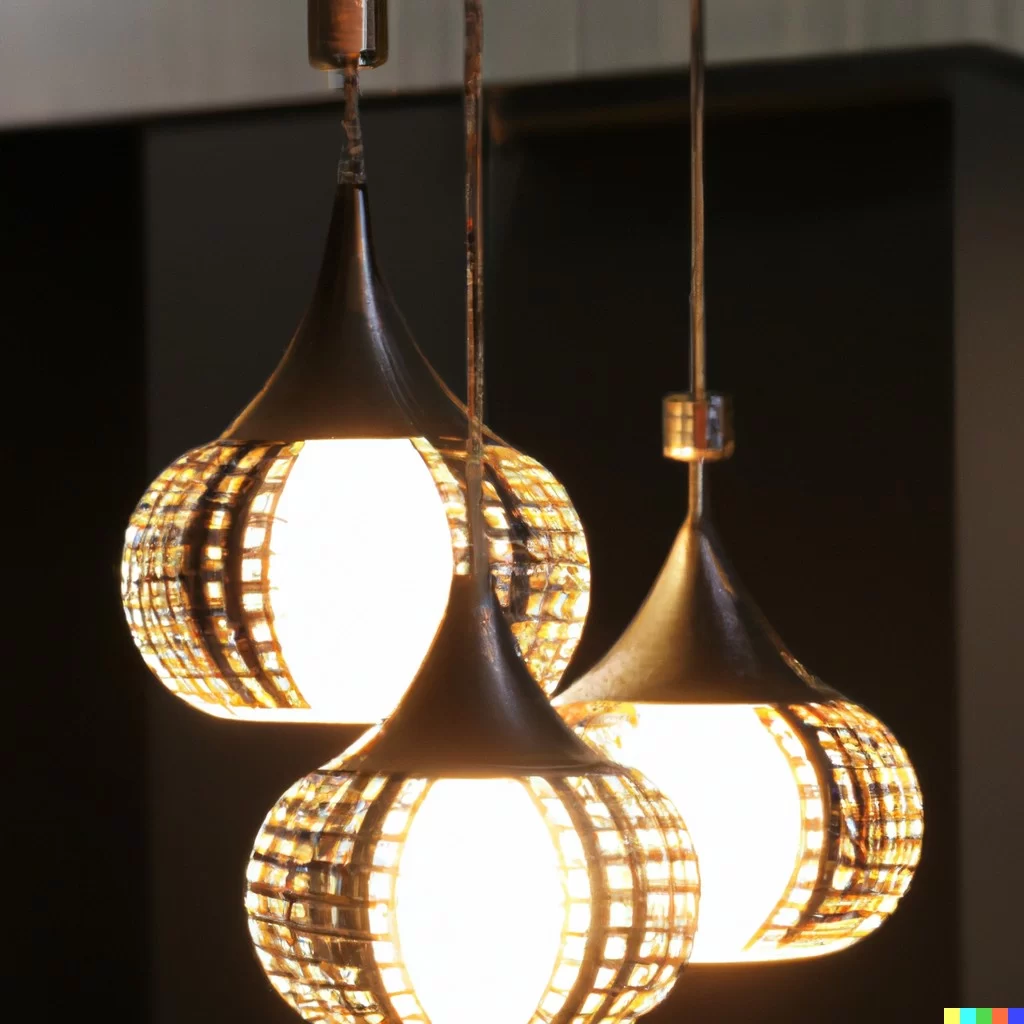
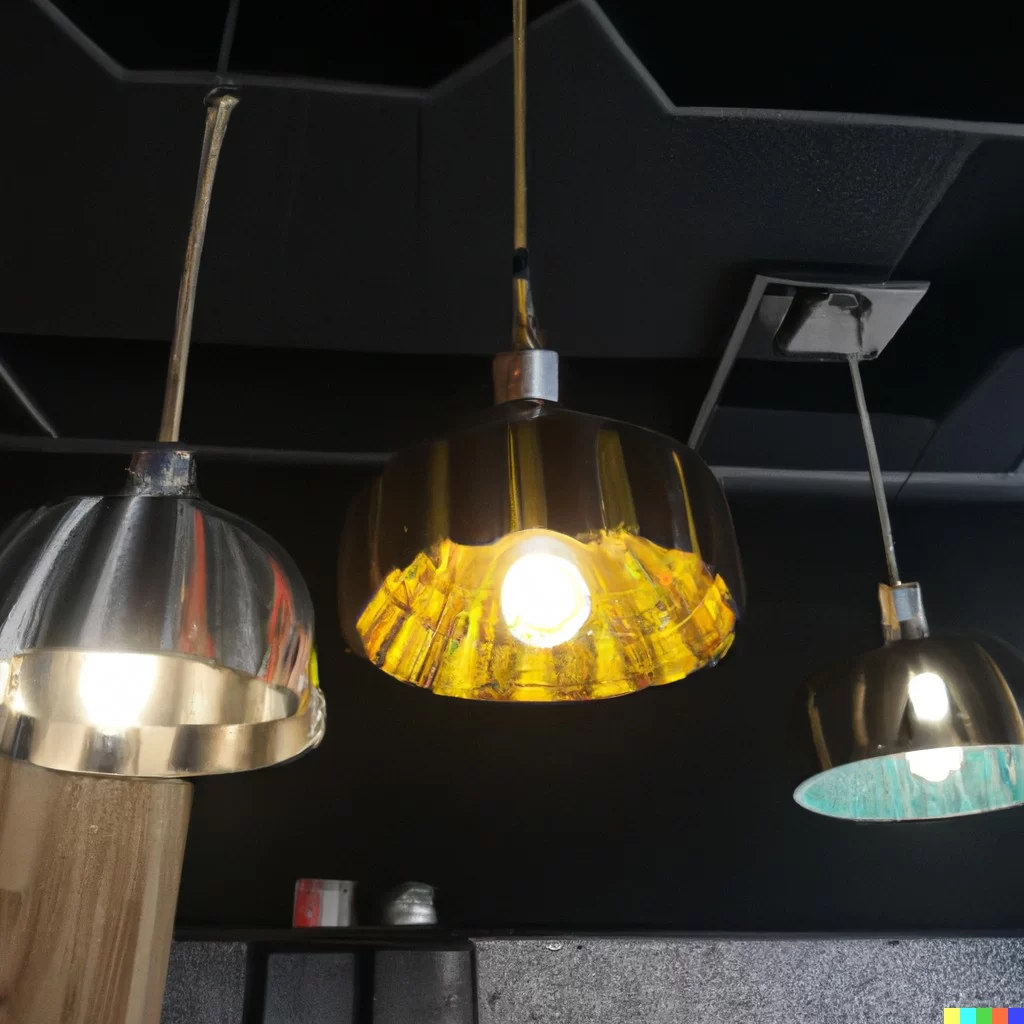
Lighting fixtures themselves can be used as decorative elements in a space. By choosing unique and visually interesting light fixtures, designers can create a statement piece that draws attention to itself. This can be particularly effective in spaces with minimal decor, where a bold lighting fixture can become the focal point of the room. - Don’t Forget About Dimmers
Dimmer switches are an essential tool for designers. They allow for the adjustment of light levels, which can be particularly useful in spaces with different lighting needs throughout the day. For example, in a dining room, designers may want bright light during meal preparation and dimmer light during dinner to create a more intimate atmosphere.
In conclusion, artificial lighting is a powerful tool for enhancing interior design. By considering factors such as color temperature, shadow, and task lighting, designers can create spaces that are not only visually appealing but also functional and inviting. With the right mix of lighting fixtures and techniques, designers can transform a space into a dynamic and visually interesting environment.