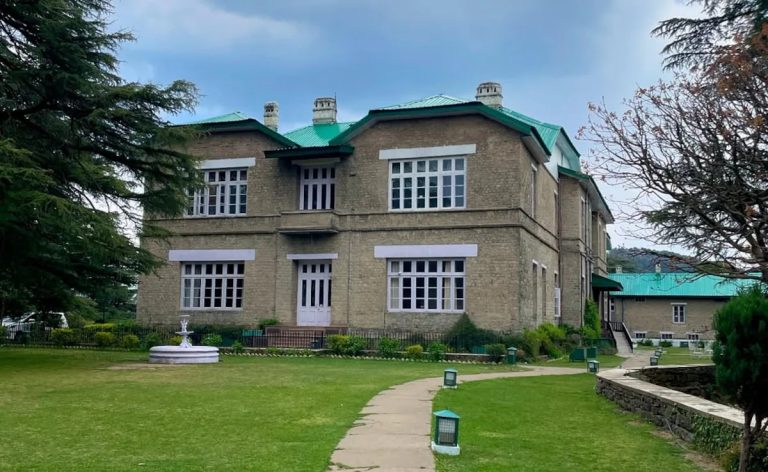
Nestled amidst the dense pine forests of Chail, the iconic Chail Palace stands as one of India’s most charming royal heritage properties. Surrounded by misty hills and breathtaking Himalayan landscapes, the palace beautifully reflects the grandeur of royal architecture blended with the calmness of mountain living. Originally built as a summer retreat for the Maharaja of Patiala, Chail Palace continues to attract travelers, architects, historians, and design enthusiasts from across the country.Known for its elegant colonial architecture, intricate wooden interiors, and scenic surroundings, Chail Palace offers a unique glimpse into India’s royal past while remaining deeply connected to nature and traditional hill-station design.Key Facts:Located in Chail, Himachal Pradesh, IndiaBuilt in 1891 by Maharaja Bhupinder Singh of PatialaOriginally served as the summer retreat of the Patiala royal familyDesigned in colonial and traditional hill architecture styleSurrounded by pine and cedar forestsKnown for wooden interiors and royal décorFunctions today as a heritage hotelSituated at approximately 2,250 meters above sea levelPopular destination for heritage tourism and architecture loversChail PalaceThe History Behind Chail PalaceThe story of Chail Palace dates back to the late 19th century when Maharaja Bhupinder Singh chose Chail as his summer capital. According to popular historical accounts, the Maharaja developed Chail after being restricted from entering Shimla during British rule. He decided to create a new royal retreat that would surpass the elegance and beauty of other hill residences of that era.Constructed in 1891, the palace soon became a symbol of luxury, prestige, and architectural sophistication. Over time, Chail evolved into a peaceful hill destination known for its royal heritage, scenic beauty, and serene atmosphere.Architectural Style of Chail PalaceOne of the most fascinating aspects of Chail Palace is its architectural character. The palace showcases a harmonious blend of colonial-era architecture and traditional hill-station design. Built using stone masonry and timber elements, the structure perfectly complements the surrounding Himalayan environment.The sloping roofs, grand wooden staircases, spacious verandahs, and intricately crafted interiors reflect the craftsmanship of that period. The use of teak wood and fine detailing in furniture and ceilings adds warmth and elegance to the palace spaces. Large windows and open balconies were strategically designed to capture panoramic mountain views and natural light.Unlike heavily ornamented palaces found in plains regions, Chail Palace maintains a refined simplicity that feels deeply connected to the surrounding landscape.Chail PalaceInteriors That Reflect Royal EleganceThe interiors of Chail Palace preserve the grandeur of royal living while maintaining a cozy mountain aesthetic. Rich wooden textures, antique furniture, chandeliers, fireplaces, and vintage décor elements create an atmosphere that feels timeless and luxurious.Many rooms feature high ceilings and large openings that enhance ventilation and provide uninterrupted views of forests and valleys. The palace interiors successfully balance sophistication with comfort, making it an excellent example of heritage hospitality architecture.The palace also demonstrates how climate-responsive design was integrated into royal architecture long before modern sustainability practices became popular.Chail Palace and Its Natural SettingOne of the defining features of Chail Palace is its extraordinary location. Situated amidst cedar and pine forests at an altitude of around 2,250 meters, the palace offers a peaceful environment far from urban congestion.The surrounding landscape plays an essential role in the overall architectural experience. The cool climate, lush greenery, and mountain backdrop create a strong sense of harmony between built and natural environments. This seamless integration with nature is one of the reasons why Chail Palace continues to inspire architects and designers interested in contextual and landscape-sensitive architecture.Chail PalaceImportance in Heritage TourismToday, Chail Palace has become an important heritage tourism destination in Himachal Pradesh. Managed as a heritage hotel, the palace allows visitors to experience royal architecture while enjoying modern hospitality.Tourists are drawn not only to the palace itself but also to the overall charm of Chail, which includes scenic viewpoints, forests, wildlife, and peaceful walking trails. The palace contributes significantly to preserving regional heritage while promoting sustainable tourism in the area.Its continued relevance also highlights the growing appreciation for adaptive reuse in architecture, where historic structures are preserved and transformed for contemporary use without losing their cultural identity.Architectural Lessons from Chail PalaceFor architects and design enthusiasts, Chail Palace offers several valuable lessons in timeless design and contextual architecture. The palace demonstrates how buildings can respond effectively to climate, terrain, and natural surroundings while maintaining aesthetic elegance.Some important architectural observations include:Use of local materials suitable for mountain climatesClimate-responsive features such as sloping roofs and fireplacesStrong indoor-outdoor visual connectionsIntegration of landscape within architectural planningDurable craftsmanship and handcrafted detailingBalance between luxury and simplicityThese principles continue to influence modern hill architecture and heritage-inspired residential design.Chail PalaceChail Palace in Contemporary Design ConversationsIn recent years, heritage architecture has gained renewed attention as architects and designers search for sustainable and culturally rooted design solutions. Chail Palace stands as an example of architecture that remains timeless because it was deeply connected to its environment and local context.The palace’s emphasis on natural materials, passive climate response, and human-scale spaces aligns closely with many contemporary design philosophies. Its enduring appeal proves that thoughtful architecture can remain relevant across generations without losing authenticity.Chail Palace is far more than a historic royal residence. It is a remarkable example of how architecture, landscape, climate, and heritage can come together to create spaces of lasting beauty and cultural significance. From its elegant wooden interiors to its peaceful Himalayan setting, the palace continues to inspire admiration among travelers, architects, and history enthusiasts alike.As interest in heritage conservation and experiential travel continues to grow, Chail Palace remains one of India’s finest examples of timeless hill architecture and royal mountain living. Chail Palace Chail Palace Chail Palace Chail Palace Chail Palace Chail Palace Chail Palace Chail Palace Chail Palace Chail Palace