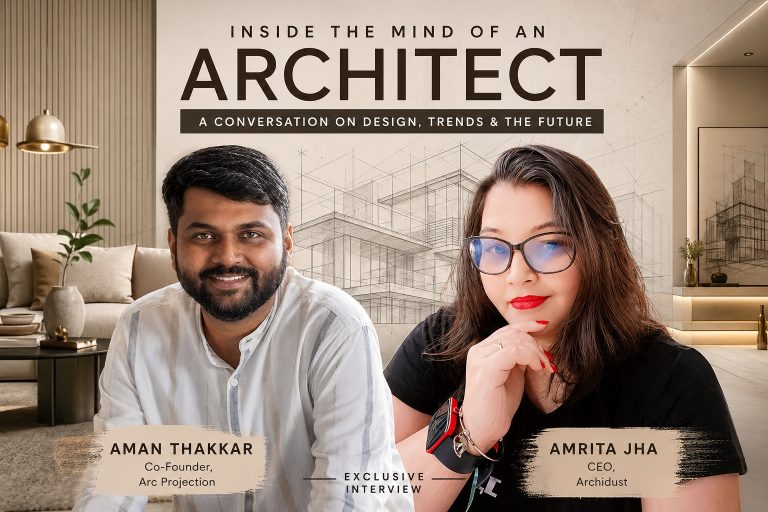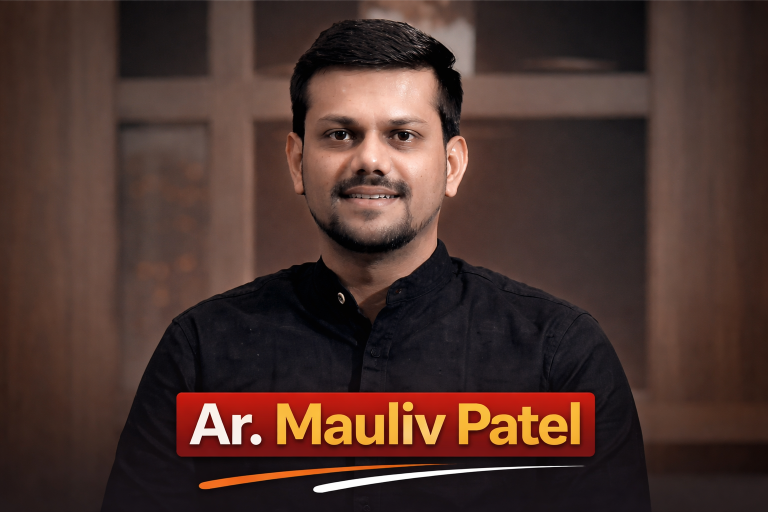
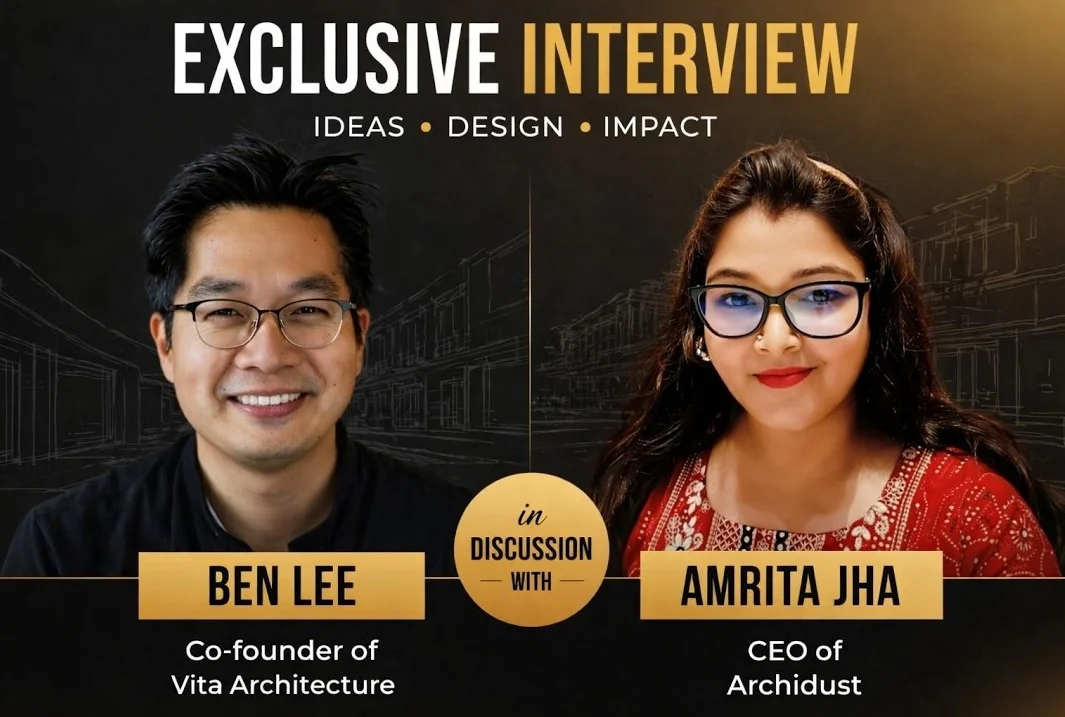
Exclusive Interview: Ben Lee in Conversation with Amrita Jha
In conversation with Amrita Jha, CEO of Archidust
Archidust presents an exclusive conversation with Ben Lee, Co-founder of Vita Architecture, where he shares insights into his design philosophy, key projects, challenges in architectural practice, and the evolving role of architects today.
Introduction
Amrita Jha: Welcome to another exclusive interview on Archidust. Today, we are delighted to feature Ben Lee, a name that reflects creativity and innovation in architecture. Ben, could you please introduce yourself?
Ben Lee: Hi, I’m Ben. I run a London-based practice called Vita Architecture alongside my business partner, Rita Beniti. We primarily work on residential, healthcare, and hospitality projects across the UK, and also internationally.
Journey & Inspiration
Amrita: What inspired you to start Vita Architecture?
Ben: Starting my own practice was always something I wanted to do. From a young age, I knew I wanted to pursue architecture. Over time—through education, part-time work, and professional experience—I worked towards it and eventually took the leap.
Design Philosophy
Amrita: How would you describe your design style?
Ben: I would say simple. Architecture today is already quite complex, especially with evolving regulations. Our approach is to create simple, well-executed architecture. Simplicity is not easy to achieve, but clarity in thinking and design is what we aim for.
What Makes Vita Architecture Unique
Amrita: What makes your practice unique?
Ben: We started as a typical service-based architectural practice. Over time, we evolved into a more collaborative and reciprocal model. We don’t just design—we also help clients source sites and sometimes assist with financing. It becomes more of a partnership rather than just a service.
Key Projects
Amrita: Can you tell us about one of your projects in London?
Ben: Yes, it was a project during COVID where we converted a disused office building into four residential units. It took time to get through planning, but the conditions during COVID actually worked in our favor. We handled everything from architecture to interiors, and it’s a project we’re very proud of.
Amrita: What about the Limestone House?
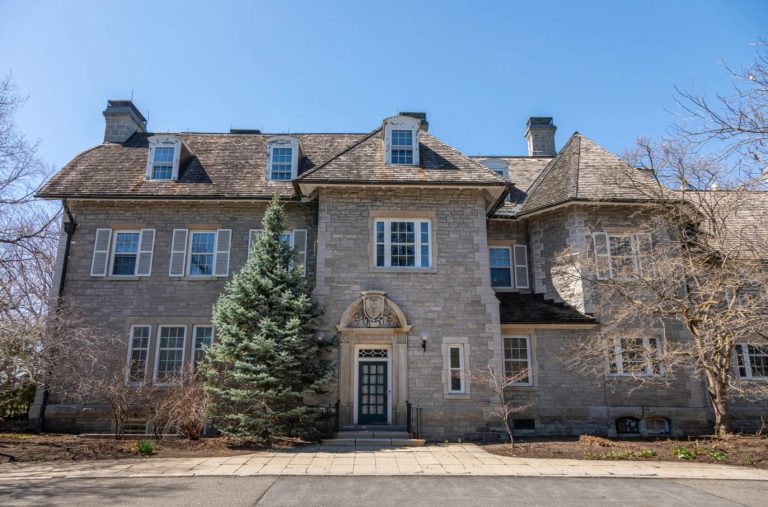
Ben: The Limestone House is in a protected green belt area. The site had multiple scattered structures like barns and coops. Our idea was to consolidate them into one cohesive and beautiful home. It’s currently under planning appeal, and we’re hopeful for approval soon.
Amrita: Tell us about Swiss Hill House.
Ben: Swiss Hill House is in a highly restricted area. We designed a visually lightweight structure using just three main elements—steel, glass, and timber. By minimizing complexity, we had more control over construction, and the final result closely matched our vision.
Personal Favorite Project
Amrita: Which project is your favorite?
Ben: My first project—for my parents. It was a small extension, but very meaningful. It allowed creative freedom and was more experimental. At that time, I could focus deeply on one project, which made it special.
Understanding Client Vision
Amrita: How do you understand a client’s vision?
Ben: Design is always iterative. We start with a brief, but it evolves over time. Regular meetings help refine ideas. Ideally, every project would have a clear vision document, but in reality, it develops through continuous collaboration.
Healthcare Projects & Growth
Amrita: You also work on healthcare projects. Tell us about that.
Ben: Yes, that started during COVID when many projects were stuck. We pivoted to healthcare interiors, and it grew quickly. Now, about 40% of our work is in healthcare, which aligns well with our design aspirations.
Challenges in Architecture
Amrita: What challenges do you face in architecture?
Ben: The biggest challenge is the business side—administration, marketing, taxes, HR. Architecture school doesn’t teach these aspects, but they are crucial for running a successful practice.
Managing Deadlines
Amrita: How do you handle deadlines?
Ben: We set clear timelines and design programs from the start. Internally, we track progress through regular meetings. However, flexibility is important because every project and team dynamic is different.
Approach to Materials
Amrita: How do you select materials for your projects?
Ben: We usually specify materials ourselves. We continuously explore new suppliers and maintain an internal system to track cost, sustainability, and compliance. It’s less about trends and more about value and performance.
Motivation
Amrita: What keeps you motivated?
Ben: You have to love design. Despite the challenges of running a business, the passion for architecture keeps me going.
On Trends in Architecture
Amrita: What trends do you currently see in architecture?
Ben: It’s difficult to keep up with every trend. Instead, we focus on value, sustainability, and long-term performance rather than following what’s popular.
One Word for Architecture
Amrita: Describe Vita architecture in one word.
Ben: Impossible.
Future Aspirations
Amrita: What is your dream project?
Ben: We’ve started working on hotels, and that’s where we want to focus more—designing high-end hospitality spaces.
Amrita: Thank you so much for sharing your insights with us.
Ben: Thank you for having me.
For more exclusive interviews with leading architects and designers, follow Archidust and stay inspired.