Easy Indoor Plants
Start Your Green Journey: 10 Easy Plants Every First-Time Plant Parent Will Love
Bringing plants into your home is one of the simplest ways to add life, color, and a sense of calm to your space. But if you’re new to plant care, it’s easy to feel overwhelmed—How often should I water? What if it dies? Am I doing this right? The good news is, not all plants are fussy. In fact, many thrive on minimal care and are perfect for beginners.
If you’re just starting your plant parent journey, here are ten beginner-friendly plants that are forgiving, low-maintenance, and rewarding to grow.
1. Snake Plant (Sansevieria)
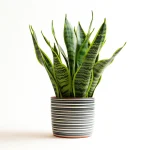
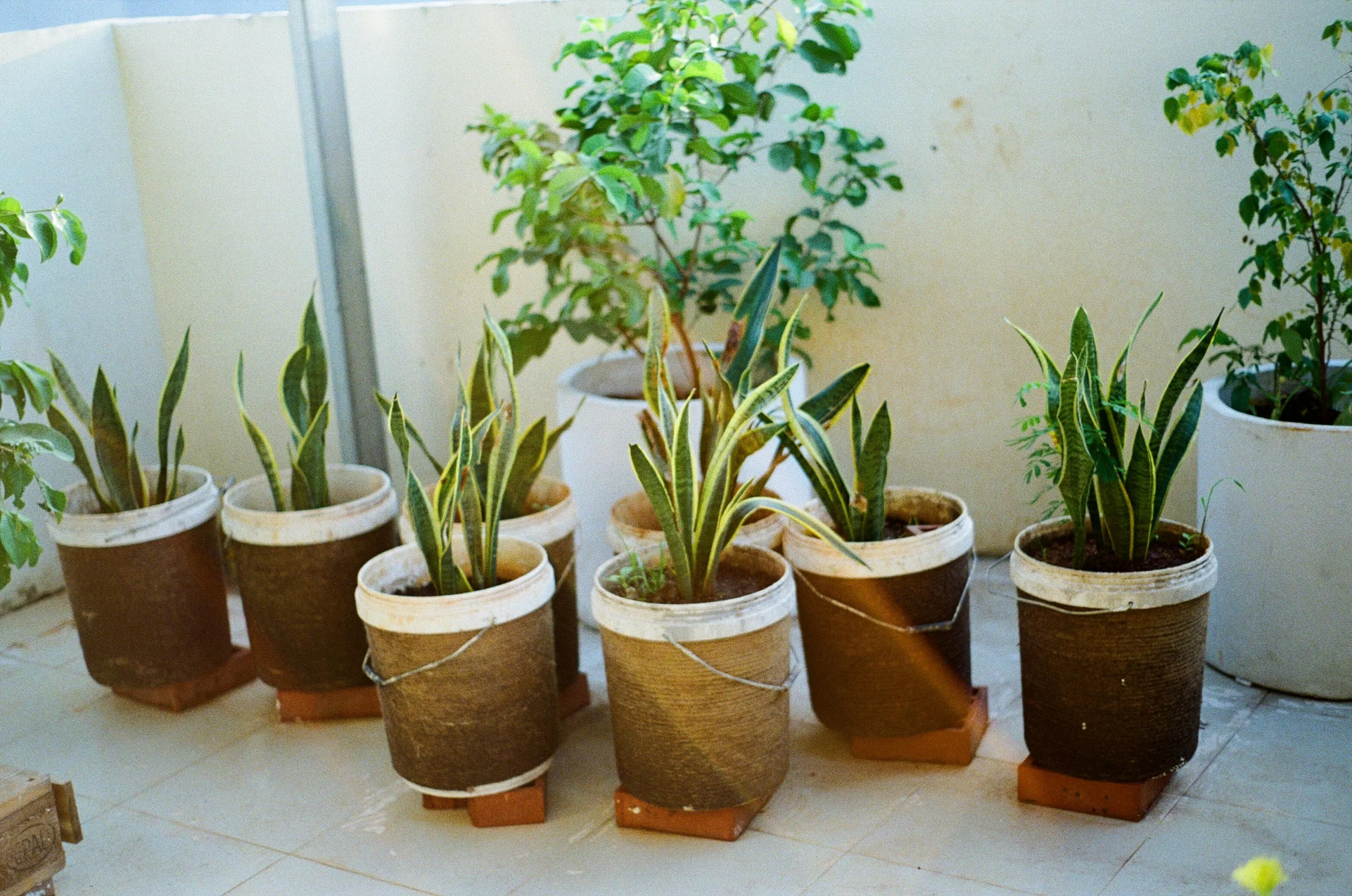
The snake plant is widely considered one of the best plants for beginners, and for good reason. It is incredibly resilient and can thrive in a variety of indoor conditions, including low light, bright light, and even artificial lighting. This flexibility makes it ideal for homes and offices where lighting may not always be consistent. One of the biggest advantages of the snake plant is its low watering needs. Overwatering is one of the most common mistakes new plant owners make, but with this plant, you only need to water it every two to three weeks, allowing the soil to dry out completely in between.
Its tall, upright leaves add a structured, modern aesthetic to any room, making it a favorite for minimalistic interiors. Beyond its visual appeal, the snake plant is also known for its air-purifying qualities, helping to improve indoor air quality. It requires very little attention, does not demand frequent repotting, and is generally resistant to pests. Even if you forget about it for a while, it will likely continue to survive and grow slowly. This makes it a perfect starting point for anyone new to indoor gardening.
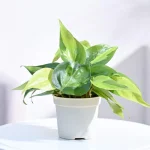
2. Money Plant (Pothos)
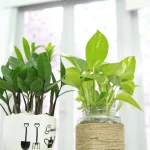
The money plant, also known as pothos, is one of the most popular houseplants, especially among beginners. Its adaptability is what makes it truly special. It can grow in both soil and water, giving you flexibility depending on your preference. If you enjoy watching roots develop, growing it in water can be particularly satisfying. On the other hand, soil-grown plants tend to grow faster and fuller.
This plant thrives in indirect sunlight but can also tolerate low-light conditions, though growth may slow down slightly. It is known for its trailing vines, which can be styled around shelves, windows, or hanging baskets, adding a lush, decorative touch to your home. Another advantage is that the money plant is quite forgiving when it comes to watering. Even if you occasionally forget to water it, it usually bounces back quickly once hydrated.
Caring for a money plant also helps beginners understand basic plant signals, such as yellowing leaves from overwatering or drooping leaves from underwatering. It is also believed in many cultures to bring good luck and prosperity, which adds a sentimental value for many plant owners. With minimal care and a little attention, this plant can grow long, beautiful vines that transform your living space.

3. Spider Plant
The spider plant is a cheerful and beginner-friendly option that is loved for its unique appearance and easy care routine. It features long, arching green leaves with white stripes, and over time, it produces small offshoots known as “spiderettes” or baby plants. These can be propagated easily, allowing you to grow new plants or share them with friends and family.
Spider plants prefer bright, indirect light but can also tolerate lower light conditions. They do best when watered moderately—allowing the soil to dry slightly between watering sessions. One of the reasons they are ideal for beginners is their ability to recover quickly from neglect. If you forget to water them or expose them to less-than-ideal conditions, they often bounce back without much trouble.
They are also considered safe for homes with pets, which is an added benefit. Their ability to adapt, grow quickly, and produce new plants makes them very rewarding for new plant parents. Watching the baby plants develop can be especially satisfying and motivating, encouraging you to continue your plant care journey with confidence.

4. Aloe Vera
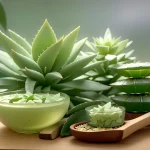
Aloe vera is a practical and low-maintenance plant that is perfect for beginners who want both beauty and functionality. It is a succulent, meaning it stores water in its thick leaves, which allows it to survive in dry conditions with minimal watering. This makes it ideal for people who may forget to water their plants regularly.
It thrives in bright, indirect sunlight and does best when placed near a window. Watering should be done sparingly—usually once every two to three weeks—ensuring that the soil dries out completely between watering sessions. Overwatering is one of the few things that can harm this plant, so it’s best to err on the side of caution.
One of the standout features of aloe vera is its medicinal properties. The gel inside its leaves can be used to soothe minor burns, cuts, and skin irritations. This makes it not just a decorative plant but also a useful addition to your home. With its clean, sculptural look and minimal care needs, aloe vera is a great choice for first-time plant parents looking for something simple yet rewarding.

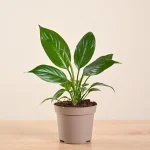
5. Peace Lily
The peace lily is an elegant indoor plant known for its glossy green leaves and beautiful white blooms. It is an excellent choice for beginners because it communicates its needs clearly. When it needs water, its leaves droop noticeably, but they quickly perk up again after being watered, making it easy to learn proper care.
Peace lilies thrive in low to medium indirect light, making them suitable for indoor environments with limited sunlight. They prefer consistently moist soil but should not be overwatered. Finding the right balance becomes easier over time as you observe the plant’s behavior.
In addition to its beauty, the peace lily is often appreciated for its ability to improve indoor air quality. It adds a calm and serene feel to any room, whether placed in a bedroom, living area, or office. With regular watering and occasional care, it can bloom multiple times a year, making it a rewarding plant for beginners who want a touch of elegance in their space.

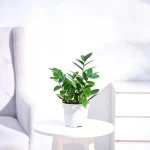
6. ZZ Plant (Zamioculcas zamiifolia)
The ZZ plant is one of the most forgiving houseplants available, making it ideal for beginners who may not have a consistent care routine. It can tolerate low light, infrequent watering, and even periods of neglect. Its thick, waxy leaves store water, allowing it to survive in dry conditions.
This plant grows well in indirect light but can also adapt to low-light environments, making it suitable for offices or rooms without much sunlight. Watering should be done only when the soil is completely dry, which could mean once every two to three weeks.
The ZZ plant’s glossy, dark green leaves give it a polished and modern appearance, making it a popular decorative choice. It requires minimal maintenance and rarely suffers from pest issues. For beginners who want a stylish plant that demands very little effort, the ZZ plant is an excellent option.

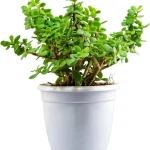
7. Jade Plant
The jade plant is a charming succulent that is often associated with prosperity and good luck. It has thick, fleshy leaves that store water, allowing it to survive with minimal care. This makes it perfect for beginners who are still learning how often to water their plants.
Jade plants prefer bright, indirect sunlight and should be watered only when the soil is completely dry. Overwatering can be harmful, so it’s important to keep the watering schedule light. With proper care, jade plants can live for many years and even grow into small, tree-like structures.
They are slow growers, but their longevity and symbolism make them a meaningful addition to any home. Their compact size also makes them ideal for desks, windowsills, or small spaces.

8. Cactus
Cacti are among the easiest plants to care for, making them perfect for beginners with busy lifestyles. They require very little water and thrive in bright sunlight. In fact, overwatering is the most common mistake, so it’s best to water them sparingly—sometimes only once every few weeks.
They come in a wide variety of shapes and sizes, from small round forms to tall columnar types, allowing you to choose one that suits your style. Cacti are also very resilient and can survive in dry indoor environments.
Their unique appearance adds character to any space, and their minimal care needs make them an excellent choice for those who want greenery without much effort.

9. Areca Palm
The areca palm is a beautiful, beginner-friendly plant that brings a tropical feel to indoor spaces. Its soft, feathery fronds create a light and airy atmosphere, making it a popular choice for living rooms and offices.
It thrives in bright, indirect light and requires moderate watering. The soil should be kept slightly moist but not soggy. Unlike many other plants, the areca palm benefits from a bit more attention, but it is still relatively easy to maintain.
It also helps improve indoor air quality and adds a refreshing natural touch to your home. With proper care, it can grow into a lush, full plant that enhances your space.

10. Philodendron
Philodendrons are versatile and fast-growing plants that are perfect for beginners. They adapt well to indoor conditions and can thrive in a range of lighting environments, though they prefer indirect light.
They are known for their trailing vines, which can be styled creatively around your home. Watering is simple—just allow the top layer of soil to dry out before watering again.
Philodendrons are forgiving and can recover from occasional neglect, making them ideal for new plant parents. Their lush green leaves and easy care routine make them a rewarding addition to any indoor garden.

Growing with Your Plants
Starting your plant journey doesn’t have to be complicated. The key is to begin with plants that are forgiving and gradually learn their needs. Don’t worry if you make mistakes—every plant parent does. Over time, you’ll develop a rhythm and even confidence in caring for your green companions.
Remember, plants are not just décor—they’re living things that grow with you. Start small, stay curious, and enjoy the process of nurturing life in your space.