Images courtesy of pexels.com
Spanish architects have developed a new type of moisture-absorbing mortar made from construction waste materials. This innovative approach to building construction not only helps to reduce the amount of waste sent to landfills, but it also creates a more sustainable and efficient building material.
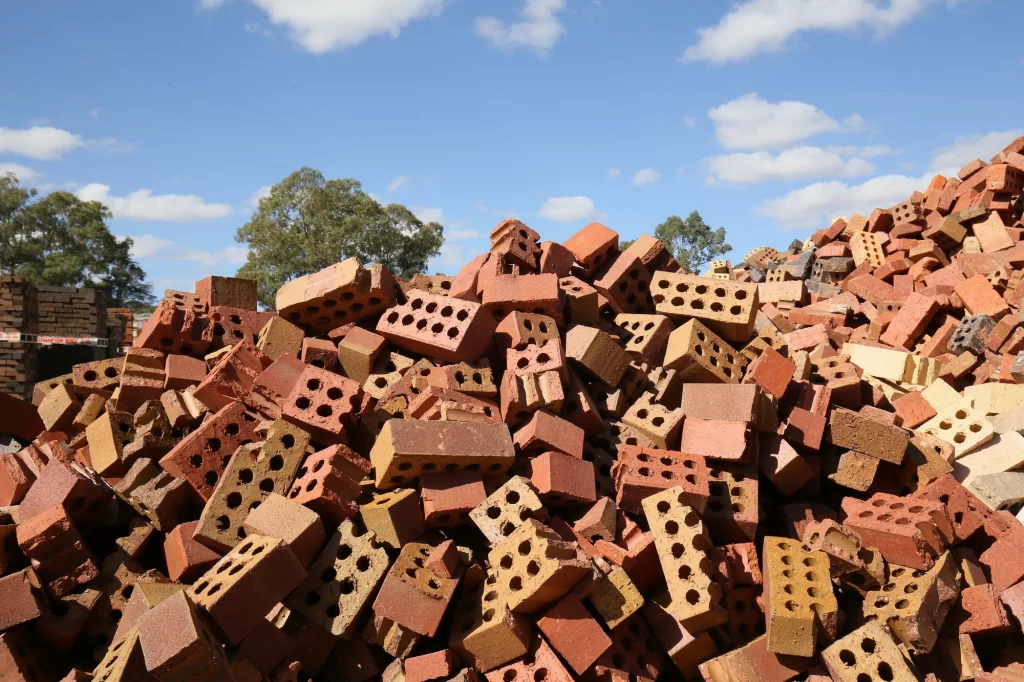
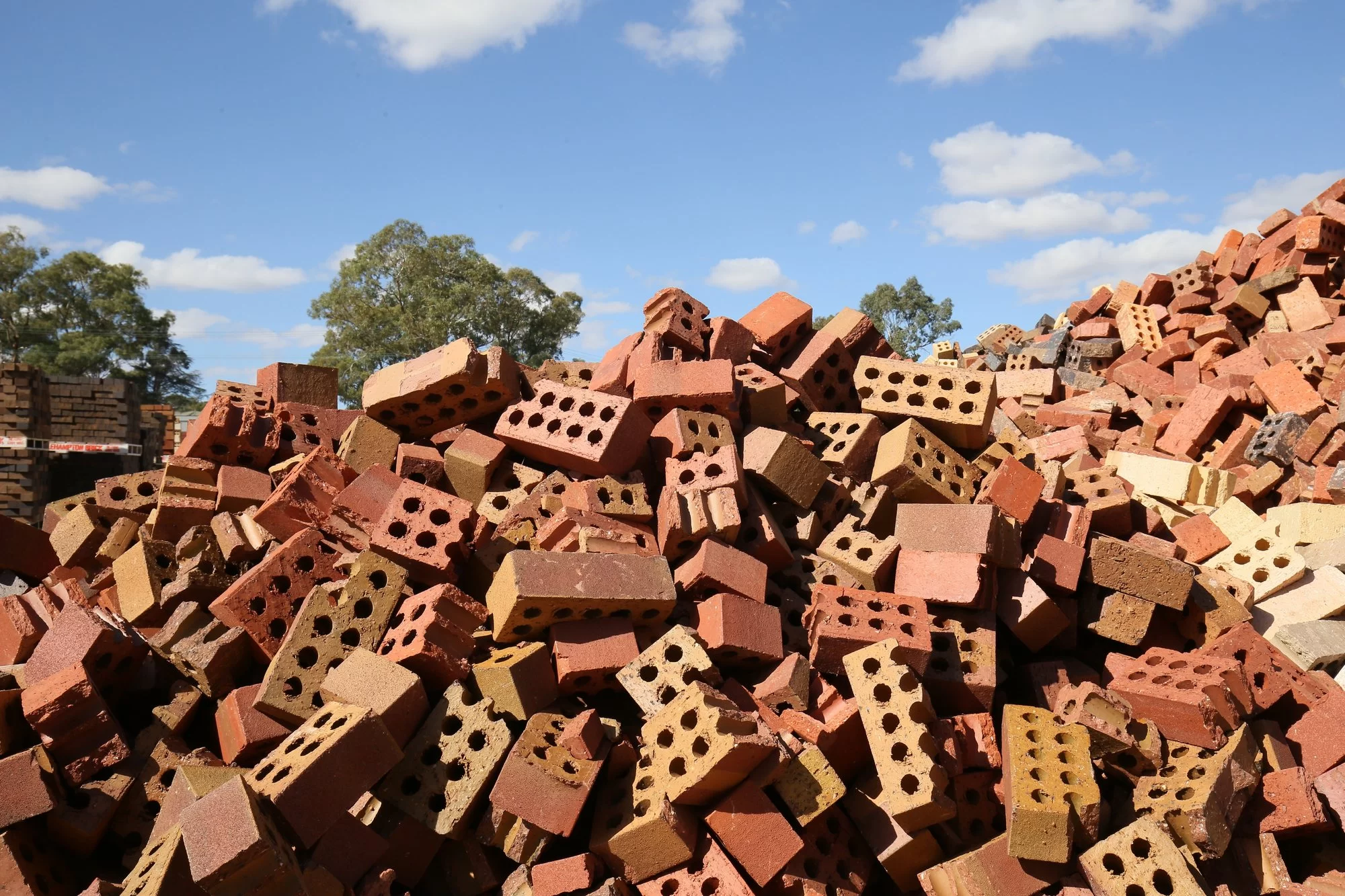
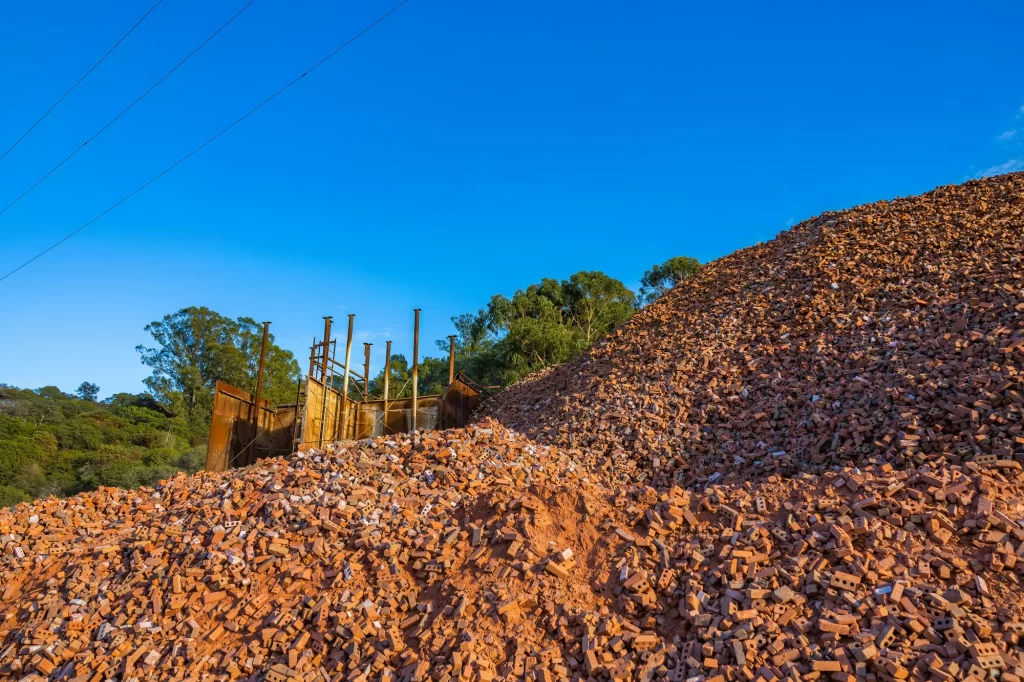
The new moisture-absorbing mortar is made from a combination of construction waste materials, such as broken bricks and concrete, and a binding agent that helps to hold the materials together. This binding agent also has the ability to absorb moisture, which helps to prevent mold and mildew from growing in the building. This is particularly important in areas with high humidity or heavy rainfall, where traditional building materials may struggle to keep moisture at bay.
One of the main advantages of this moisture-absorbing mortar is that it can be used in a wide range of construction projects, from building foundations to walls and roofs. It is also particularly well suited for use in coastal areas or other regions where there is a high risk of flooding or water damage.
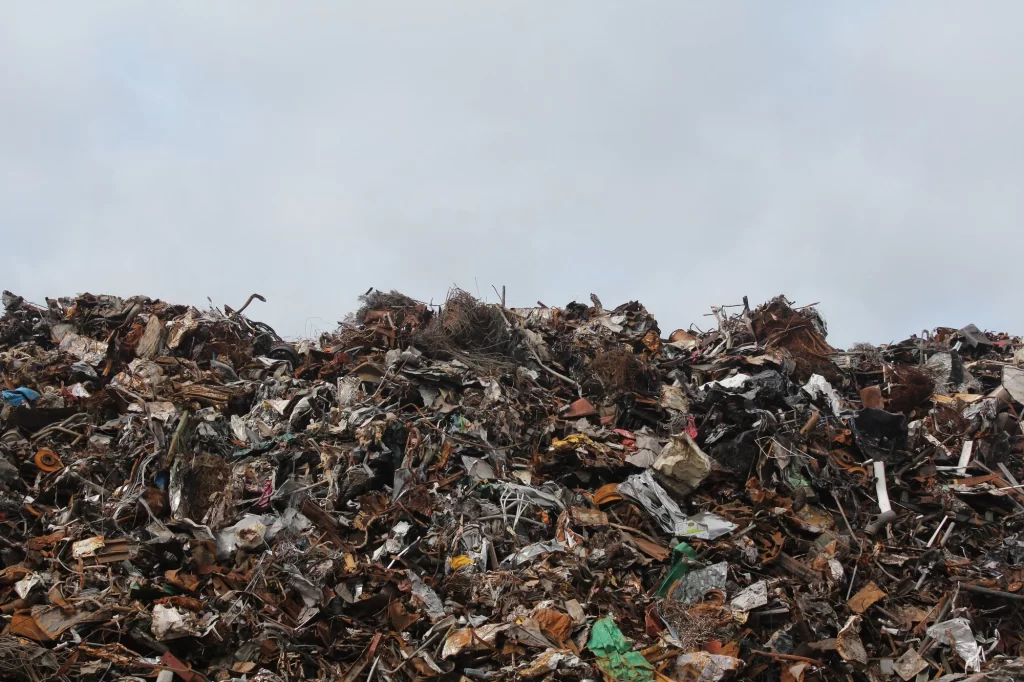
The development of moisture-absorbing mortar from construction waste materials is not only environmentally friendly but it also provides a cost-effective solution for construction projects. By using construction waste materials, architects and builders are able to reduce the amount of new materials needed for a project, which can help to lower costs. Additionally, because the moisture-absorbing mortar is made from waste materials, it is also able to help to reduce the overall environmental impact of the construction industry.
In addition to its environmental and economic benefits, moisture-absorbing mortar is also highly durable and long-lasting. This is due to the presence of natural fibers and minerals in the construction waste materials that are used to make it. These fibers and minerals provide additional strength and stability to the mortar, making it suitable for use in a wide range of construction projects.
The use of moisture-absorbing mortar also helps to improve the overall energy efficiency of a building. Because the mortar is able to absorb moisture, it helps to keep the building dry, which can help to reduce the need for heating and cooling. This can help to lower energy costs and make the building more environmentally friendly.
The use of moisture-absorbing mortar is not only limited to new constructions, but also to the rehabilitation and conservation of historical buildings. It can be used to repair and replace the damaged or deteriorated mortar in these buildings, allowing them to be preserved for future generations while being more energy efficient.

It’s worth noting that moisture-absorbing mortar is still in the early stages of development and further research is needed to fully understand its potential and limitations. Additionally, the cost of producing moisture-absorbing mortar may also be a barrier to its widespread adoption, as it is likely to be more expensive than traditional mortar in the short term. However, as the technology and production processes improve, the cost of moisture-absorbing mortar is expected to decrease and become competitive with traditional mortar.
In conclusion, Spanish architects have developed a new type of moisture-absorbing mortar made from construction waste materials. This innovative approach to building construction not only helps to reduce the amount of waste sent to landfills, but it also creates a more sustainable, efficient and cost-effective building material. Moisture-absorbing mortar is particularly well suited for use in coastal areas or other regions where there is a high risk of flooding or water damage, is durable and long-lasting, improves the overall energy efficiency of a building and can be used in the rehabilitation and conservation of historical buildings. The cost of producing moisture-absorbing mortar may be a barrier in its widespread adoption but as technology and production processes improve, it is expected to decrease and become competitive with traditional mortar.