Images courtesy of pexels.com
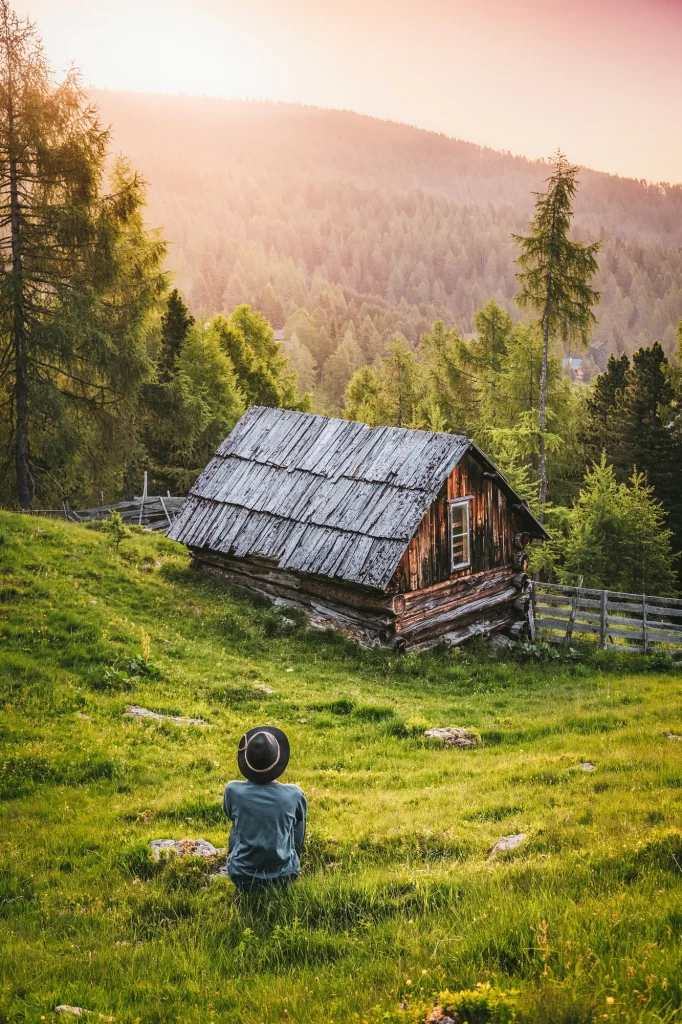
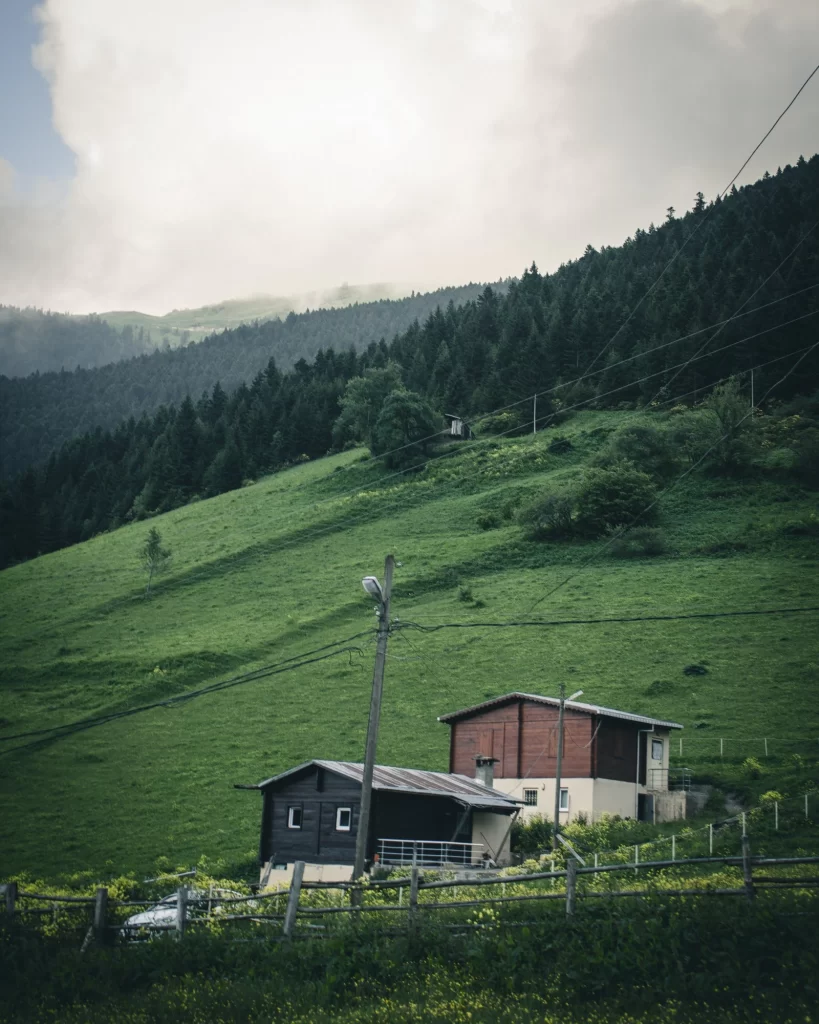
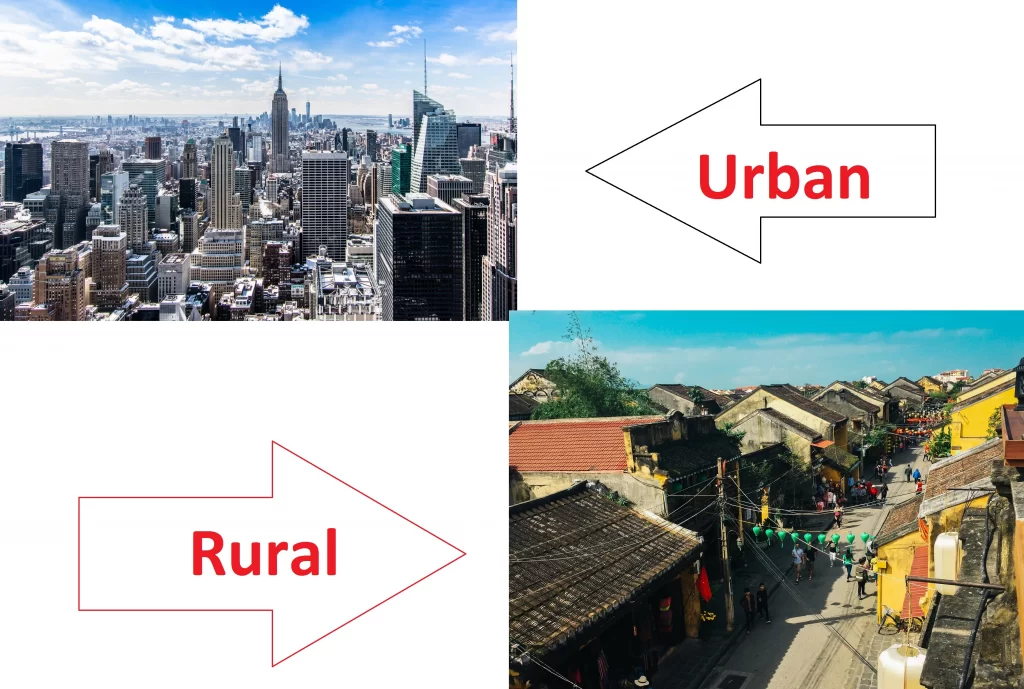
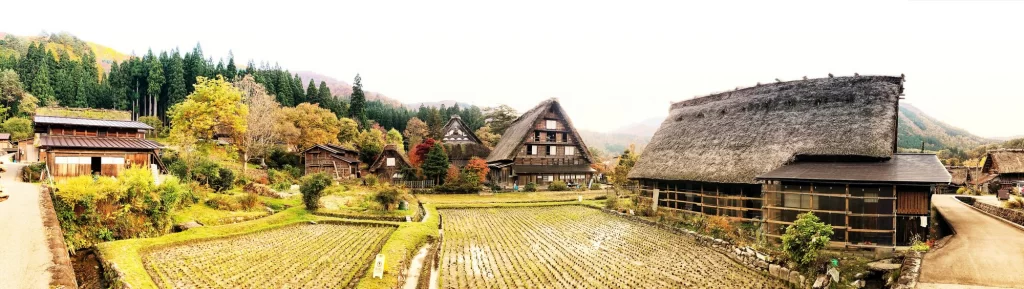
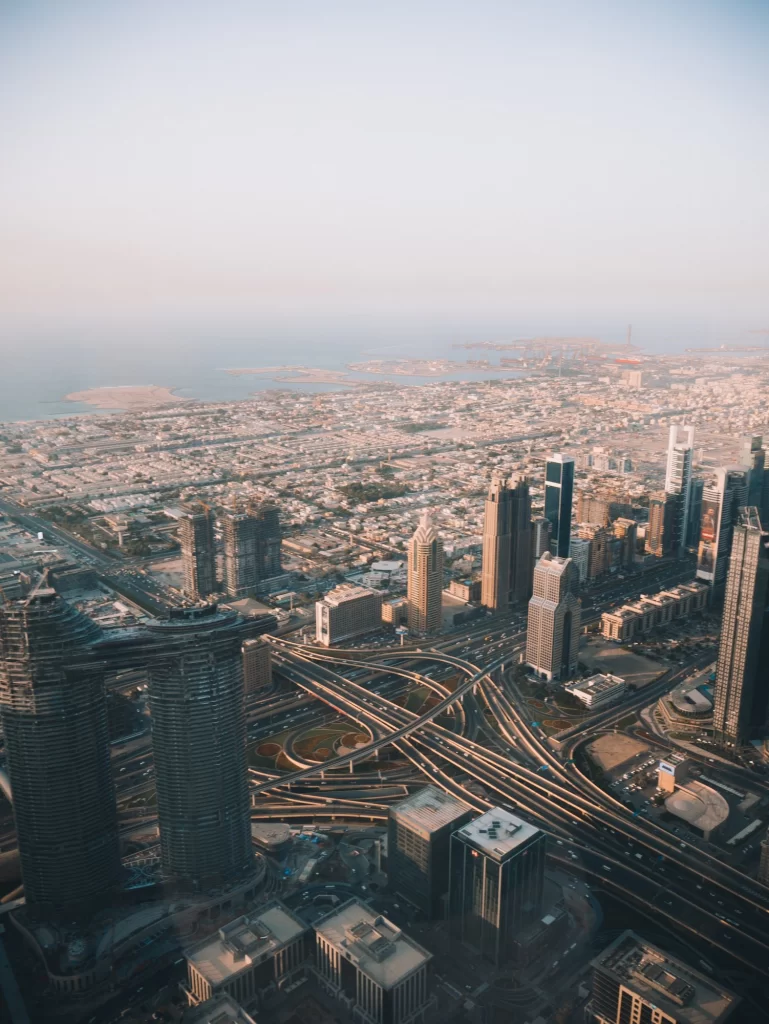
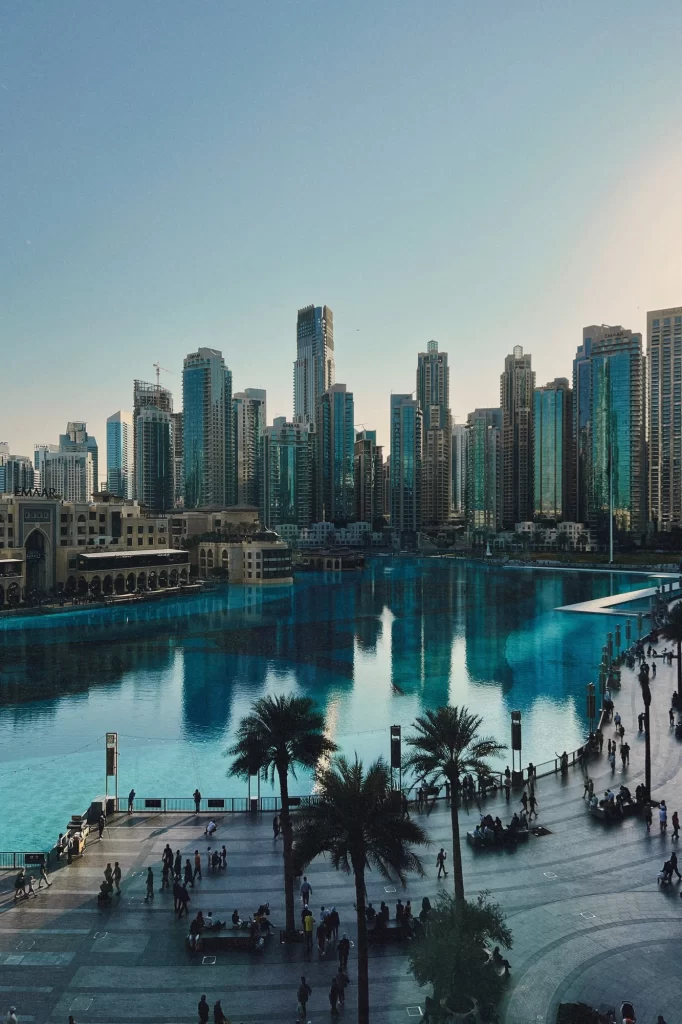
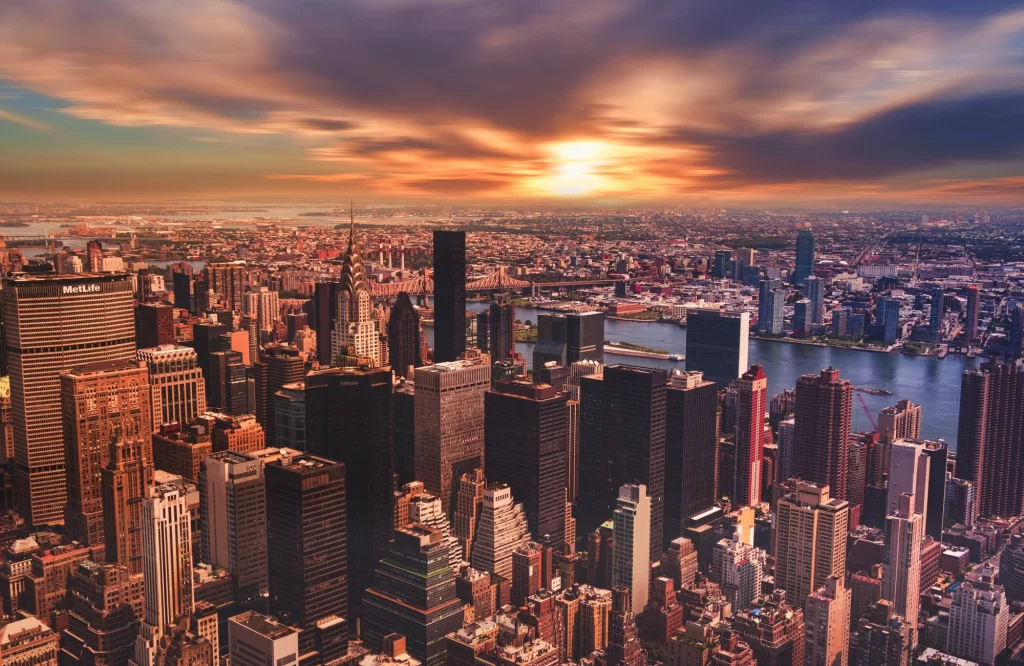
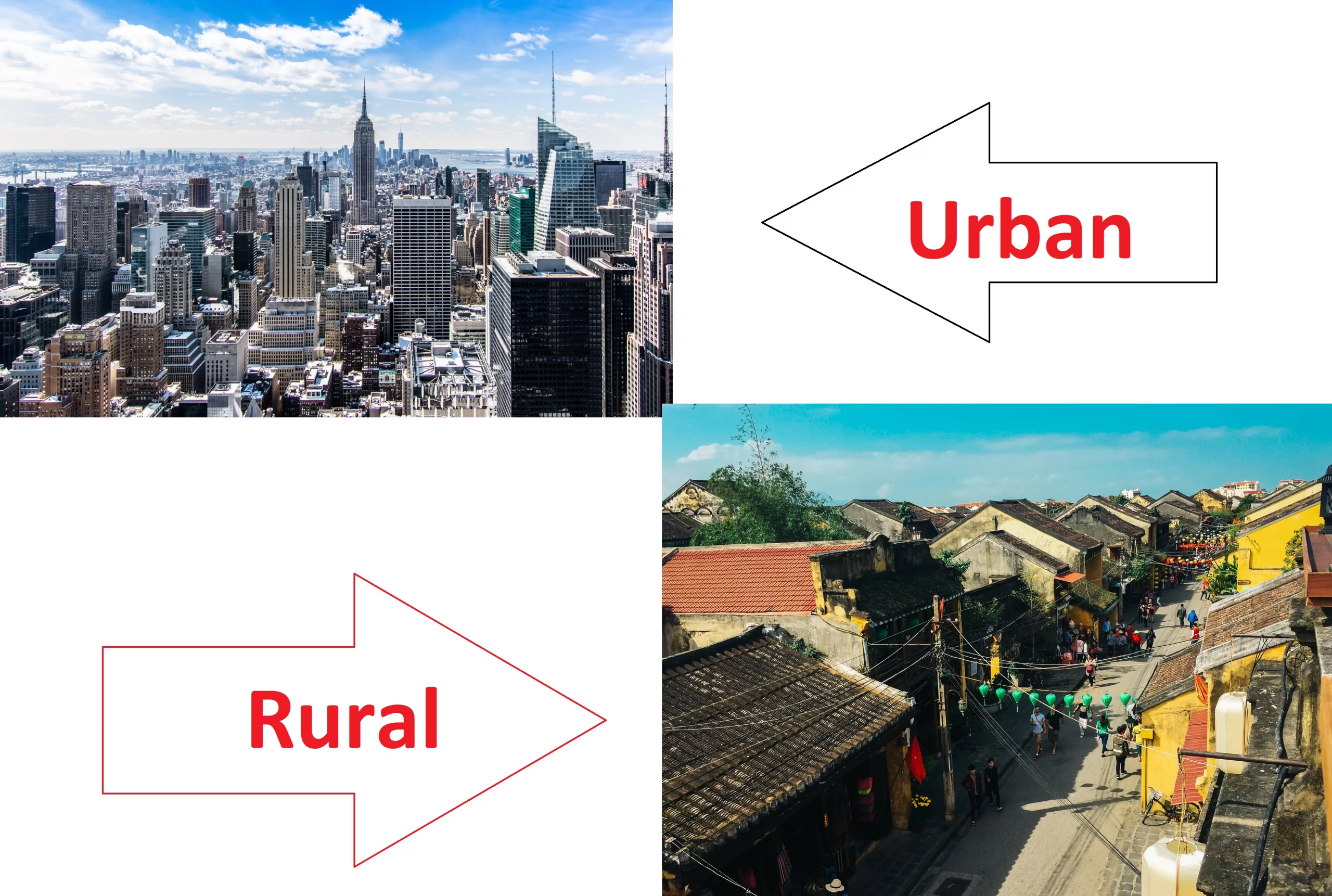
The rural and urban areas of a country are two distinct environments with unique characteristics and lifestyles. The rural area is typically defined as a geographical region that is located outside of urban and suburban areas, and is characterized by a low population density, wide open spaces, and a strong connection to nature. Urban areas, on the other hand, are typically characterized by high population density, a wide range of commercial and industrial activity, and a more fast-paced lifestyle.
One of the main differences between rural and urban areas is the level of economic activity. Rural areas are typically less developed economically, with fewer job opportunities and lower incomes. Agriculture, forestry, and mining are often the main sources of employment in rural areas, whereas urban areas are home to a wide range of industries, including manufacturing, finance, and services. This difference in economic activity leads to a significant difference in the standard of living between rural and urban areas.
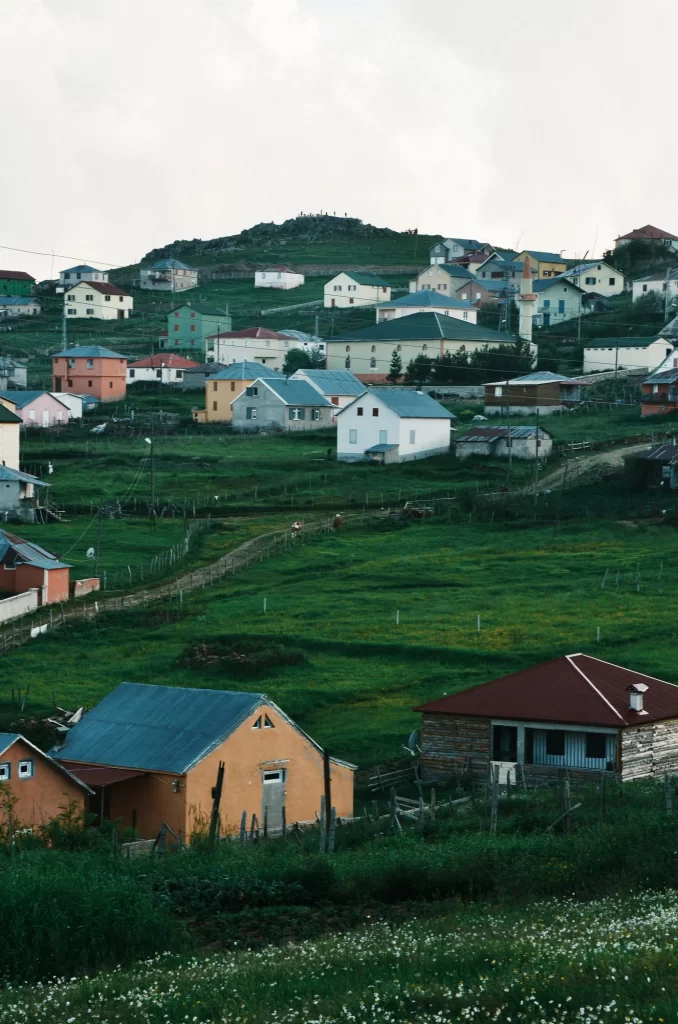
Another key difference between rural and urban areas is the level of infrastructure and services. Urban areas are typically well-connected, with good transportation networks and a wide range of public services, such as hospitals, schools, and libraries. In contrast, rural areas often have limited infrastructure and services, which can make it difficult for residents to access essential services or to travel to other parts of the country.
The lifestyle of people living in rural and urban areas also differs significantly. In rural areas, people tend to lead a more simple and slower-paced lifestyle, with a strong emphasis on family, community, and tradition. Urban dwellers, on the other hand, tend to lead a more fast-paced and cosmopolitan lifestyle, with a greater emphasis on individualism and career advancement.
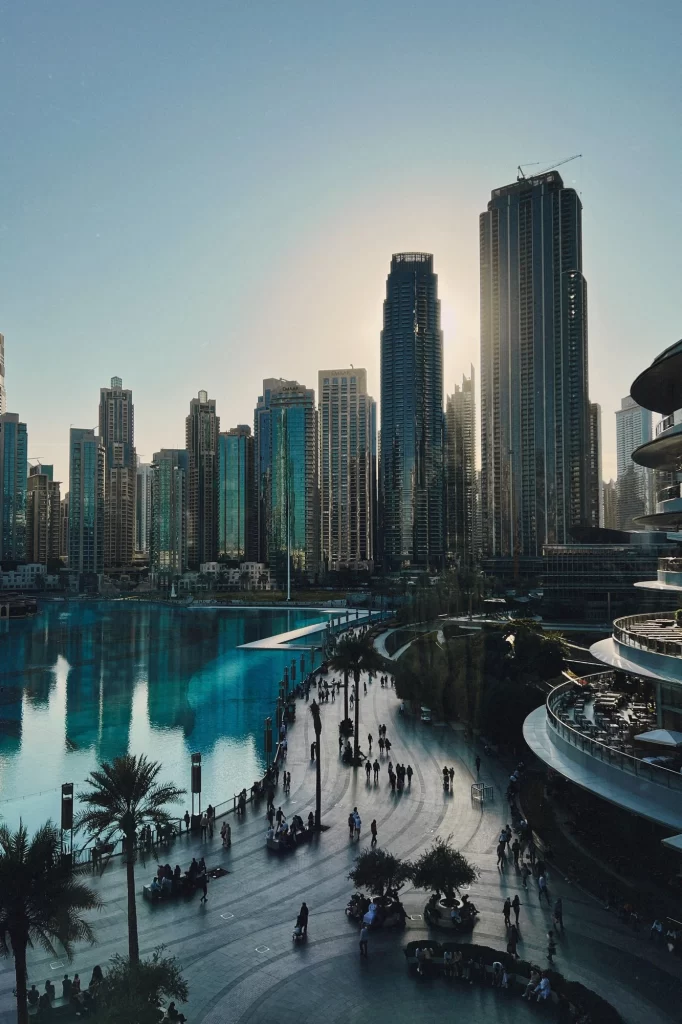
The population density in urban areas is much higher than in rural areas. This leads to a number of unique challenges for urban residents, including issues related to housing, transportation, and pollution. Urban residents often have to contend with crowded living conditions, long commutes, and high levels of air and noise pollution. In contrast, rural residents typically have more space and a cleaner environment, but they may have to travel long distances to access essential services.
Urbanization, the process of people moving from rural areas to urban areas, has been a trend in many countries in recent decades. This trend has brought many benefits, such as better economic opportunities, improved infrastructure and services, and greater cultural diversity. However, it has also brought many challenges, such as increased competition for jobs and housing, and environmental degradation.
Rural areas, on the other hand, have been facing challenges such as depopulation and economic stagnation. Many rural communities have been losing population as young people move to urban areas in search of better economic opportunities. This has led to a decline in services and infrastructure, and a decrease in economic activity.
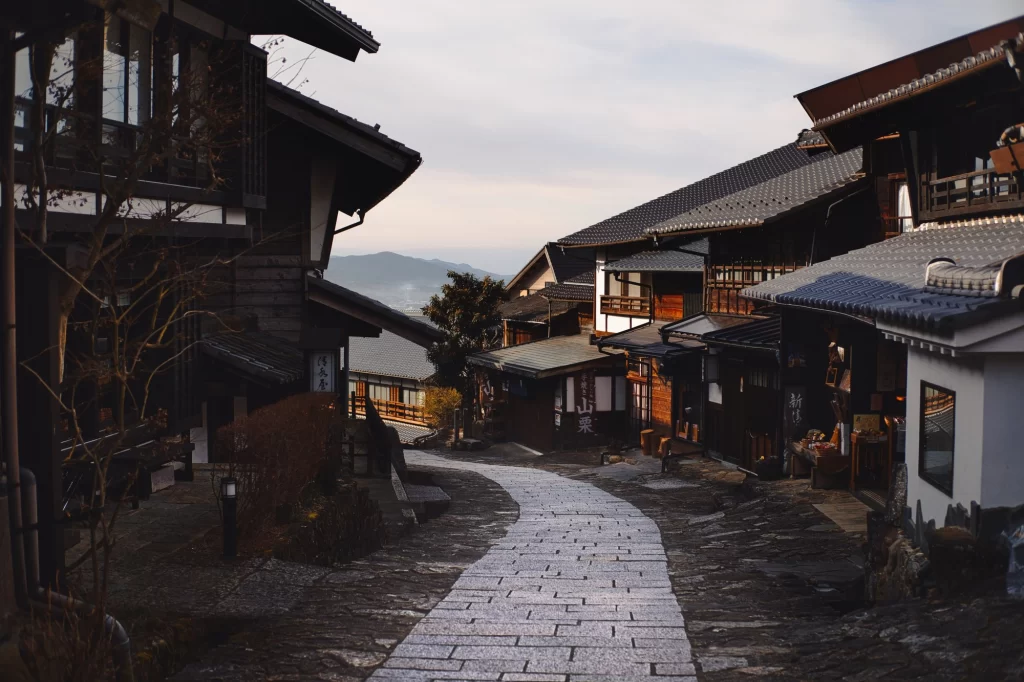
Overall, the rural and urban areas of a country are two distinct environments with unique characteristics and lifestyles. While urban areas offer better economic opportunities and a wider range of services and infrastructure, rural areas offer a simpler and more traditional lifestyle, as well as a more direct connection to nature. However, both environments face their own unique challenges, and a balance must be struck between economic development and preservation of natural resources and traditional cultures.
In conclusion, the rural and urban areas are two distinct environments with their own set of advantages and disadvantages. While urban areas offer better economic opportunities, infrastructure and services, rural areas offer a simpler lifestyle, a direct connection with nature and a traditional culture. Both environments face their own challenges and it is important for governments and communities to strike a balance between economic development and preserving natural resources, traditional cultures and lifestyle.